
Is It Cheaper to Wrap or Paint a Car?
Every driver reaches a point when the vehicle’s exterior starts to lose its shine. Maybe you want a bold new look, or maybe your paint has faded from years of exposure to the sun. The question most people ask first is simple: is it cheaper to wrap or paint a car? Both options have their benefits, but the right choice depends on your goals, your budget, and how long you plan to keep the car. At Re-Lux Collision, we help drivers make that decision with honest guidance, professional expertise, and clear cost comparisons.
Understanding the Difference Between a Car Wrap and Paint Job
A car wrap uses layers of durable vinyl film to cover the vehicle’s exterior, changing its color or finish without permanently altering the car’s original paint. It can be solid, textured, or even feature custom designs like carbon fiber or brushed metal effects. A paint job, by contrast, involves applying multiple coats of color and clear coat directly onto the car’s surface after detailed preparation. Paint is permanent, while a wrap is temporary and reversible.
Both processes require skill and precision, but they serve different purposes. Vinyl wraps are perfect for drivers who want a fast transformation or a temporary change, while painting is best for those restoring a vehicle or aiming for long-term durability.
How Much Does It Cost to Wrap a Car in 2025?

The overall cost of a vehicle wrap in 2025 typically ranges between $2,000 and $10,000, depending on several factors. The vehicle size, the complexity of its body lines, and the quality of the film all affect pricing. Smaller cars might fall in the $2,000 to $4,000 range, while trucks and SUVs can reach $4,000 to $8,000 or more. Specialty finishes like chrome or color-shift vinyl wraps can exceed $10,000.
A high quality wrap uses premium materials from trusted brands such as 3M or Avery Dennison. These high quality vinyl wraps resist fading and UV rays, providing extra protection against minor scratches and road wear — though for invisible, long-term defense of a factory finish, paint protection film installation in Sacramento is the stronger choice. Material costs have increased slightly in 2025, but car wrapping remains a cost effective solution compared to custom paint jobs with the same finish or design. For business owners, wraps also offer the advantage of brand visibility, turning vehicles into mobile advertising tools without harming the car’s original paint.
How Much Does It Cost to Paint a Car in 2025?
An auto paint shop that provides professional paint job can range anywhere from $1,000 to $10,000 or more, depending on several factors like the type of paint, color, prep work, and the number of coats. A low quality repaint or a simple respray might fall near the bottom of that range, while a high quality paint job using multiple layers and factory-grade clear coat can climb well above $6,000. Specialty finishes and custom colors also raise the labor price, especially when precision color matching or custom paint effects are involved.
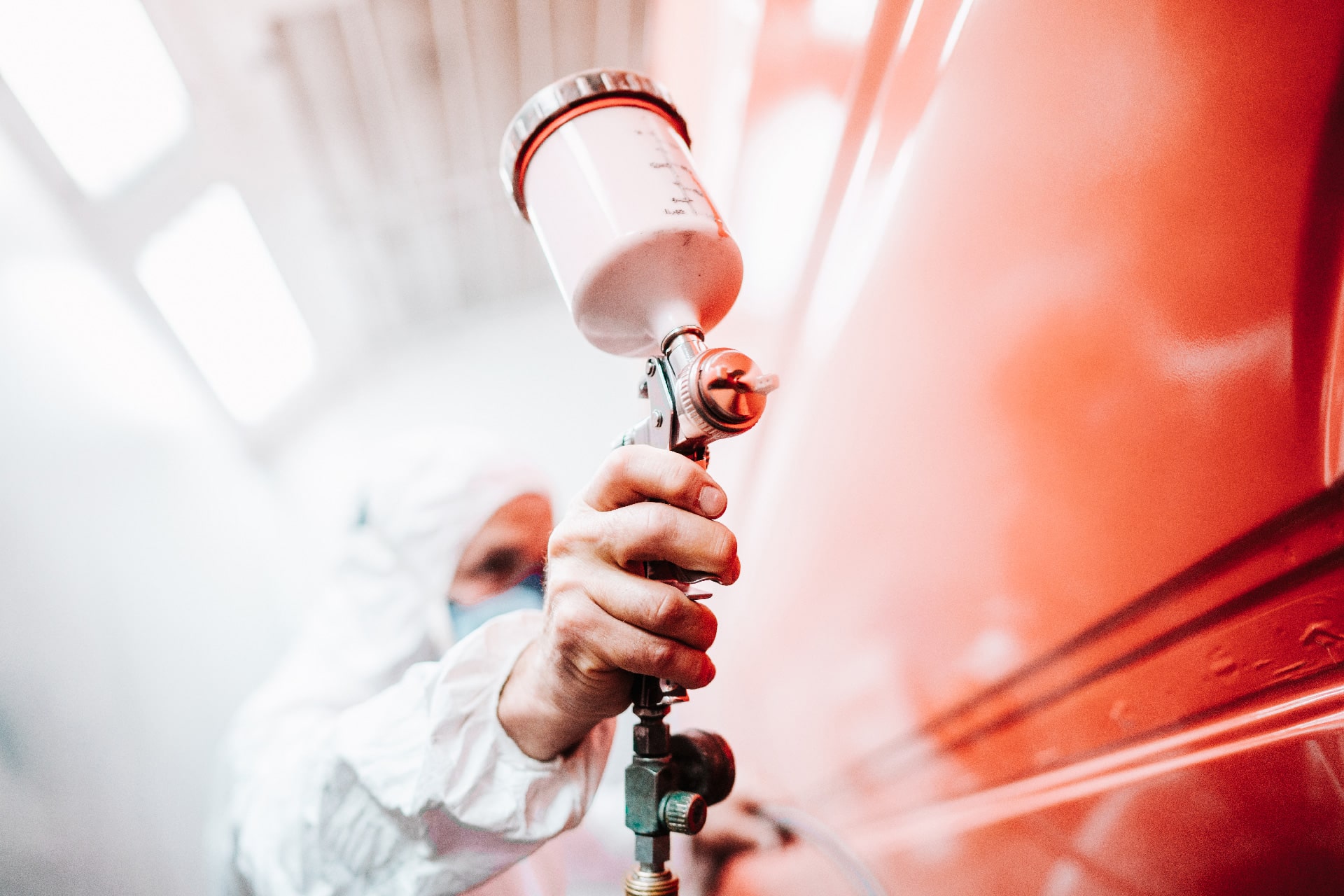
At Re-Lux Collision, every premium paint job is completed using advanced spray booth technology that ensures even coverage and durable curing. Unlike paint done in a non-controlled setting, our finishes resist environmental damage and maintain their gloss for years. When done professionally, paint jobs run longer, look better, and add significant resale value to your car.
Wrap vs. Paint: Durability, Lifespan, and Maintenance

Durability and Longevity
A professionally installed vinyl wrap usually lasts three to seven years. The exact lifespan can vary depending on the film quality, exposure to sunlight, and how well the car is cared for. Wraps that receive regular cleaning and are parked indoors tend to last longer. A high quality wrap provides strong protection against chips, scratches, and road debris, keeping the original paint underneath in excellent shape.
A paint job generally lasts ten to fifteen years when properly maintained. The finish can withstand everyday weather, washing, and sunlight with minimal effort as long as the car is waxed or coated regularly. Over time, even the best paint jobs experience some wear and may need touch ups, but unlike paint alternatives, a full repaint restores the car permanently rather than temporarily.
Maintenance Requirements
Vinyl wraps require simple upkeep. Gentle washing with mild soap and avoiding harsh chemicals will keep them looking new. There’s no need for waxing or polishing. Paint, however, benefits from waxing and occasional correction to maintain shine. Though this adds to the ongoing effort, the finish often looks deeper and more natural. Car wraps are easier to maintain but have a shorter lifespan. Paint lasts longer but requires a little more care to stay perfect.
Value and Cost Comparison Over Time

When comparing wrap or paint, the real question is how long you plan to keep your vehicle. If you enjoy changing colors or styles every few years, wrapping is the more cost effective choice. But if you want a finish that will last for the long run, investing in a high quality paint job can actually save money over time. A wrap that costs $4,000 and lasts five years may need replacing twice in a decade, while a single paint job might still look great after ten years with the right care.
A custom paint job can also add more long-term value and resale appeal, especially for vehicles that owners plan to sell or keep for restoration. Meanwhile, wraps protect the factory finish, which means the vehicle’s resale condition may actually improve when the wrap is removed to reveal the car’s paint beneath.
Customization, Style, and Aesthetics
Creative Flexibility
One of the biggest advantages of a vehicle wrap is creativity. Vinyl wraps offer endless options in color, texture, and design. From sleek matte black to metallic gloss, from carbon fiber to brushed metal finishes, wraps allow for looks that would be incredibly expensive to replicate with traditional paint. A wrap lets you experiment without commitment. When you get tired of one style, simply remove it and try another.
Custom paint, however, provides depth and richness that vinyl can’t quite replicate. A premium paint job with multiple coats of color and clear creates a visual warmth that’s unmistakable. Many drivers who love their cars prefer the authentic finish of paint for this reason. At Re-Lux Collision, we help customers portray decision by explaining how both options fit different styles and budgets.
Finish and Texture Options
Wraps can mimic nearly any surface imaginable. Satin, gloss, metallic, chameleon, and textured finishes give car wraps tremendous versatility. Painting can achieve similar results, but the process is more time consuming and costly. Specialty colors or finishes often require multiple layers of clear coat, increasing both labor price and total cost. Still, the result of a custom paint job is hard to beat for those seeking the perfect, long-lasting shine.
Convenience and Downtime
A car wrap can usually be completed in one to three days. For businesses or daily drivers, this quick turnaround is a major advantage. A paint job often takes longer because of preparation, drying, and curing time. The process can last from a few days to several weeks, depending on the extent of repairs or surface work needed before painting begins. Though painting takes longer, the finish is permanent and fully restored to its best condition. For customers who want both speed and perfection, Re-Lux Collision schedules efficiently to minimize downtime without ever cutting corners on quality.
Insurance, Resale, and Warranty Considerations

Insurance and Registration
Both car wraps and paint jobs can affect insurance coverage. If you change your car’s color with either method, it’s important to notify your insurance provider. Some policies classify wraps as cosmetic modifications, so declaring them ensures your investment is covered.
Resale Value
A wrap can help maintain or even improve resale value by shielding the car’s paint from sun and debris. When you remove it, the original paint often looks brand new. A high quality paint job can also boost the vehicle’s resale price, especially if it replaces a worn or faded finish. However, trendy or extreme colors may limit buyer interest, so classic shades tend to hold value better in most cases.
Warranty and Removal
Professional vehicle wraps often include warranties lasting three to seven years, covering fading and peeling. Removal is safe and easy when handled by trained technicians. Paint warranties usually cover workmanship for a few years, and professional shops like Re-Lux guarantee their repairs and finishes.
Practical Benefits Beyond Looks
A car wrapped in vinyl gains extra protection from uv rays, road debris, and minor damage. It can even hide small scratches or minor imperfections in the car’s paint. For leased vehicles, wrapping is a smart cost effective way to protect the finish while expressing personality. A wrap can also act as a cost effective solution for fleets that need uniform branding while protecting each vehicle’s exterior. Paint, however, provides a more durable defense against weather, salt, and long-term wear. With minimal effort, paint can look showroom-ready for years.
Which Is Cheaper: Wrap or Paint?
So, is it really cheaper to wrap a car or paint a car? The answer depends on your priorities. Vinyl wraps are cheaper upfront, easier to change, and take less time to install. They are a smart choice for style updates, temporary branding, or added protection. Paint jobs, on the other hand, cost more initially but last far longer. Over the long run, a high quality paint job provides better durability, deeper gloss, and greater value for drivers planning to keep their cars for years.
If you only need a quick color change, wrapping is your best cost effective option. If you’re restoring your car, improving resale, or repairing damage, painting is the smarter long-term investment.
FAQs About Car Wraps and Paint Jobs
How long does a car wrap last?
A professional wrap lasts three to seven years depending on film quality and exposure.
Does wrapping damage my car’s paint?
No, it actually protects the car’s paint underneath as long as the surface is in good condition before installation.
Can I wrap a damaged section or car with scratches?
Wraps work best on smooth surfaces. It’s always recommended to fix minor damage or chips before wrapping to ensure a clean, uniform result.
Is a wrap reversible?
Yes, wraps can be safely removed, revealing the original paint beneath.
Does wrapping affect insurance or registration?
Yes, always inform your insurer if your vehicle’s color changes.
Which is easier to repair, wrap or paint?
Paint can be spot blended for touch ups, while wraps typically require replacing the damaged section for a seamless appearance.
Final Thoughts
Choosing between a car wrap and a paint job depends on your goals, style, and how long you plan to keep the car. A wrap offers flexibility, fast results, and protection with less commitment. Paint delivers unmatched depth, durability, and value that lasts for years. Both options can make your vehicle look new again.
At Re-Lux Collision, we specialize in both. Whether you want a high quality wrap to change your look or a premium paint job to restore your car to its best, our certified technicians deliver precision results that stand out. Every finish, every color, every detail is handled with care and craftsmanship.
Bring your car in for a consultation, compare the options side by side, and see what makes Re-Lux the trusted name for painting, wrapping, and complete automotive restoration. Your car deserves the best finish possible, and our team is here to make it happen. Get your free estimate today and drive with confidence knowing your vehicle looks its best.