
Understanding the Role of an Auto Body Shop
Most people hear the question: what is a auto body shop and think only about paint or dents. In reality, an auto body shop handles a wide range of repairs that restore the body and structure of a vehicle after an accident or any damage caused by weather, impact, or daily use. If you have ever wondered what an auto body shop is or how it works, the simple answer is this: a body shop focuses on the exterior and structural parts of a car, while a normal auto repair shop or auto mechanic shop focuses on the engine and internal systems.
A modern auto body repair shop has the expertise, tools, and equipment to restore a car to safe driving condition. The goal is not only to make the vehicle look good again but also to make sure the frame, body panels, bumpers, windows, glass, and related parts align and function the way the manufacturer intended. At Re Luxe Collision, our team supports vehicle owners from the moment they visit us after a car accident to the final inspection that confirms everything is repaired correctly. We focus on precise structural repairs, clean finishing, and a level of customer care that helps drivers feel confident through every step.
Auto Body Shop vs Auto Repair Shop: What’s the Difference?
What a Mechanic Handles
A normal auto repair shop focuses on repairs for the internal systems that keep a car running. An auto mechanic shop handles engine repairs, mechanical repair work, transmission issues, electrical systems, brake pads, oil changes, steering problems, routine maintenance, and many services that are involved mechanically. Mechanics work on the mechanical parts that allow a vehicle to operate during normal driving conditions. When something affects the way a car accelerates, brakes, or functions internally, mechanics and auto mechanics are the professionals trained to fix engine components, replace mechanical parts, and address internal systems.
What an Auto Body Shop Handles
A body shop focuses on cosmetic and structural concerns on the outside of the vehicle. A body shop fixes body panels, dents, scratches, cracked windshields, damaged bumpers, broken doors, paint damage, and rust. Many shops also handle structural damage that requires specialized equipment. An auto body shop restores a vehicle by repairing collision damage, refinishing paint, replacing glass, fixing windows and other parts, and correcting damage caused by impact.
Why Drivers Mix Up the Two
The difference between a body shop and a mechanic shop can seem small to drivers until they understand the types of repairs each one performs. The easiest way to remember the difference is this: auto repair focuses on the engine and internal systems, and auto body repair focuses on the exterior and safety-related parts. If a vehicle still runs but the body is damaged, you visit an auto body shop. If it does not run or the engine components are affected, you visit a mechanic shop. Many vehicle owners come to us after an accident thinking a mechanic shop can handle collision repair, but that is not the case. Collision center teams are trained specifically in body repair, structural repairs, paint refinishing, and all exterior components.
What Services Does an Auto Body Shop Provide?
Collision Damage Repair
Collision repair is one of the most common services offered by an auto body shop. After a collision, a car may have dents, scratches, bent panels, cracked windshields, broken bumpers, damaged doors, or misaligned components. A collision center follows manufacturer repair procedures to restore the body, frame, and structure of the vehicle. These repairs often include removing panels, reviewing the frame for alignment, repairing structural damage, and making sure all components fit the way they were designed.
Frame and Structural Repair
If the frame or unibody structure of a car is affected, structural repairs are required. A body shop uses computerized measuring tools to confirm correct alignment. This process ensures the vehicle will protect you during a future impact. Structural repairs are critical because even a small shift in the frame can affect steering, suspension, and overall safety.
Paint and Refinishing
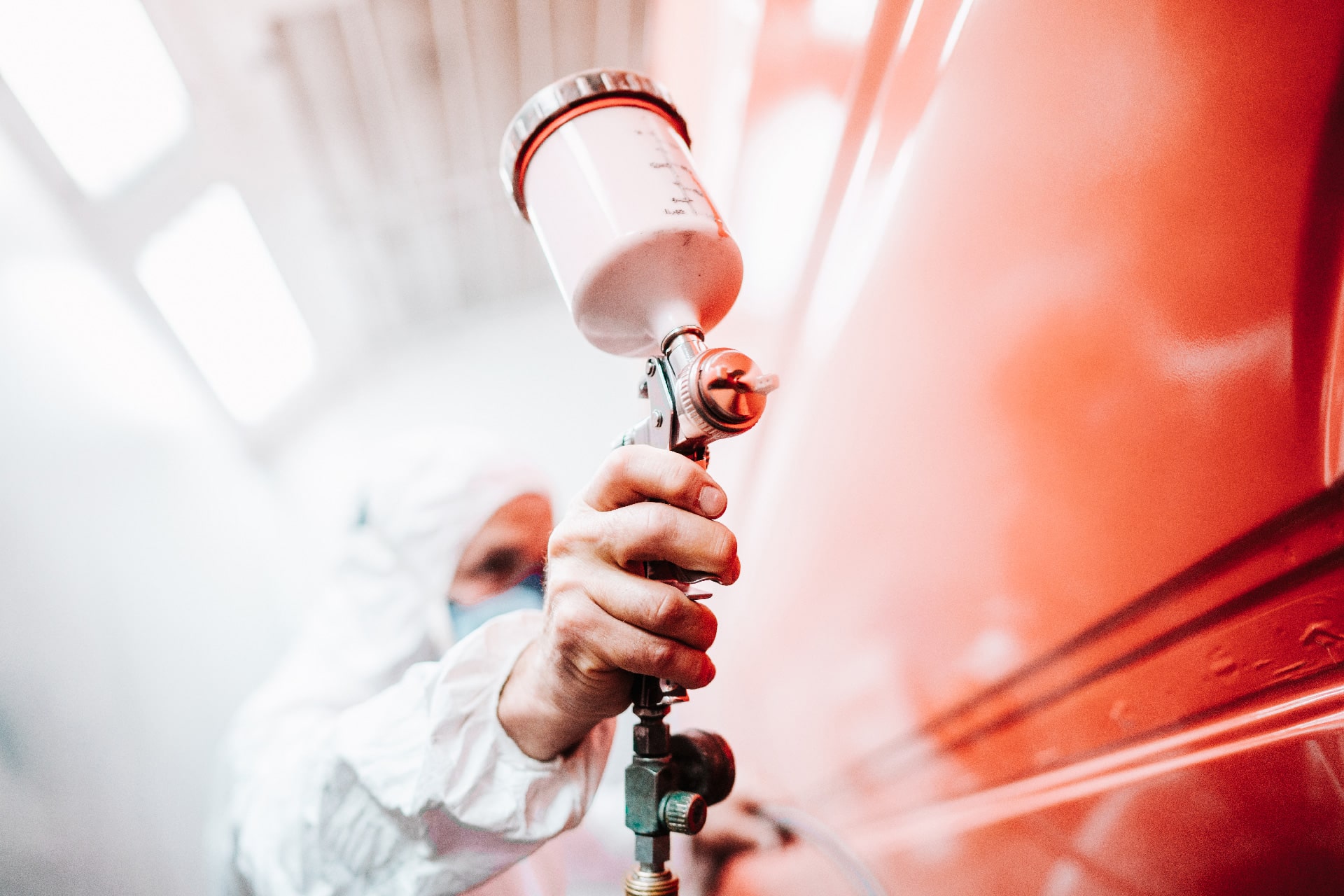
Auto body repair includes full paint refinishing and color matching. Shops use paint mixing systems and spray tools that allow panels to blend seamlessly. Whether the work involves repainting several panels or simply correcting minor paint damage, this process restores the appearance of the vehicle.
Dent and Cosmetic Repair
Dents are another common issue after minor collisions. Body shops use paintless dent repair for small dents without broken paint or traditional body repair techniques for deeper dents and creases. Shops also repair scratches, rust, scuffs, and damage to bumpers and other parts.
Glass and Component Replacement
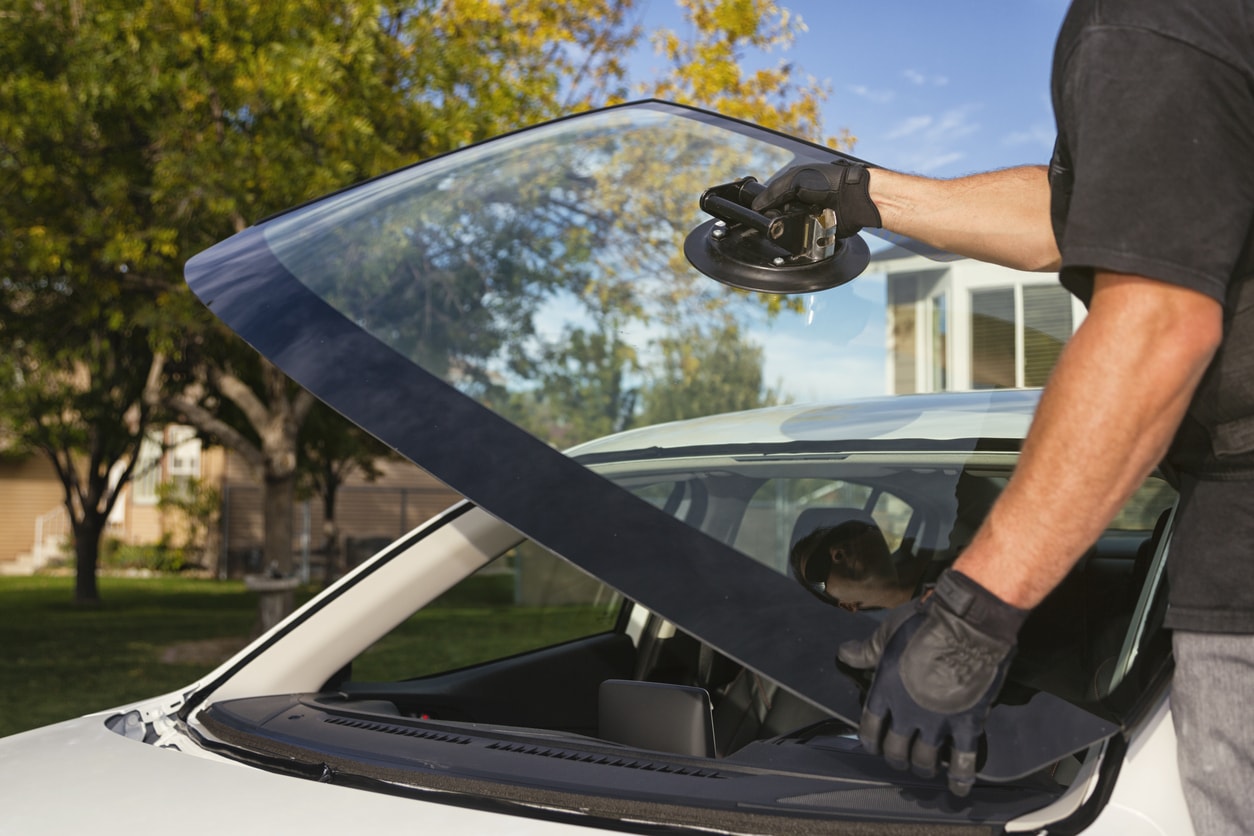
An auto body shop can handle cracked windshields, broken windows, damaged headlights, mirrors, and other exterior components. A clean, correct replacement ensures safety and proper function.
ADAS and Safety System Considerations
Modern cars depend on sensors, cameras, and electrical components that sit behind bumpers, the windshield, and body panels. When these areas are repaired, everything must be reinstalled correctly so the safety systems work the way they should.
How an Auto Body Shop Restores Your Vehicle Step by Step

1 | Estimate and Damage Assessment
The first step is a complete inspection. Technicians review dents, scratches, body panels, bumpers, and any structural issues. Many shops offer digital estimating to simplify the visit.
2 | Disassembly and Diagnostics
Once the car is in the service center, the team removes damaged panels to check for hidden damage. This helps determine if the internal structure or other parts need repairs.
3 | Repair Planning
The shop reviews OEM procedures, orders parts, communicates with insurance, and creates a plan to restore the vehicle safely.
4 | Structural and Body Repair
The team completes the structural repairs, repairs or replaces panels, aligns the frame, and ensures all components fit correctly.
5 | Paint and Refinishing
Panels move into refinishing where primer, paint, and clear coat are applied to create a uniform finish.
6 | Reassembly, Quality Checks, and Road Testing
Sensors, glass, bumpers, and other parts are reinstalled. The shop performs final safety checks and verifies correct operation.
7 | Final Detail and Delivery
The vehicle is cleaned, inspected, and prepared for pickup. This step ensures the car looks polished and feels like new.
What Makes a Good Auto Body Shop? Key Qualities to Look For
Proper Certifications
Certifications show a commitment to education and accurate repairs. A trained team understands how to work on modern body structures, panels, components, electrical systems, and materials.
OEM Certified Repair Capabilities
A shop that follows manufacturer guidelines protects the long-run value of the vehicle and helps ensure every repair meets safety standards.
Modern Equipment and Technology
Accurate repairs require advanced tools for frame measurement, paint refinishing, and dent work.
Transparent Communication and Customer Care
A helpful shop provides clear updates, honest timelines, and simple explanations that support vehicle owners during the repair process.
Written Repair Warranties
Warranties offer peace of mind and confirm the shop stands behind its work.
When Should You Visit an Auto Body Shop?
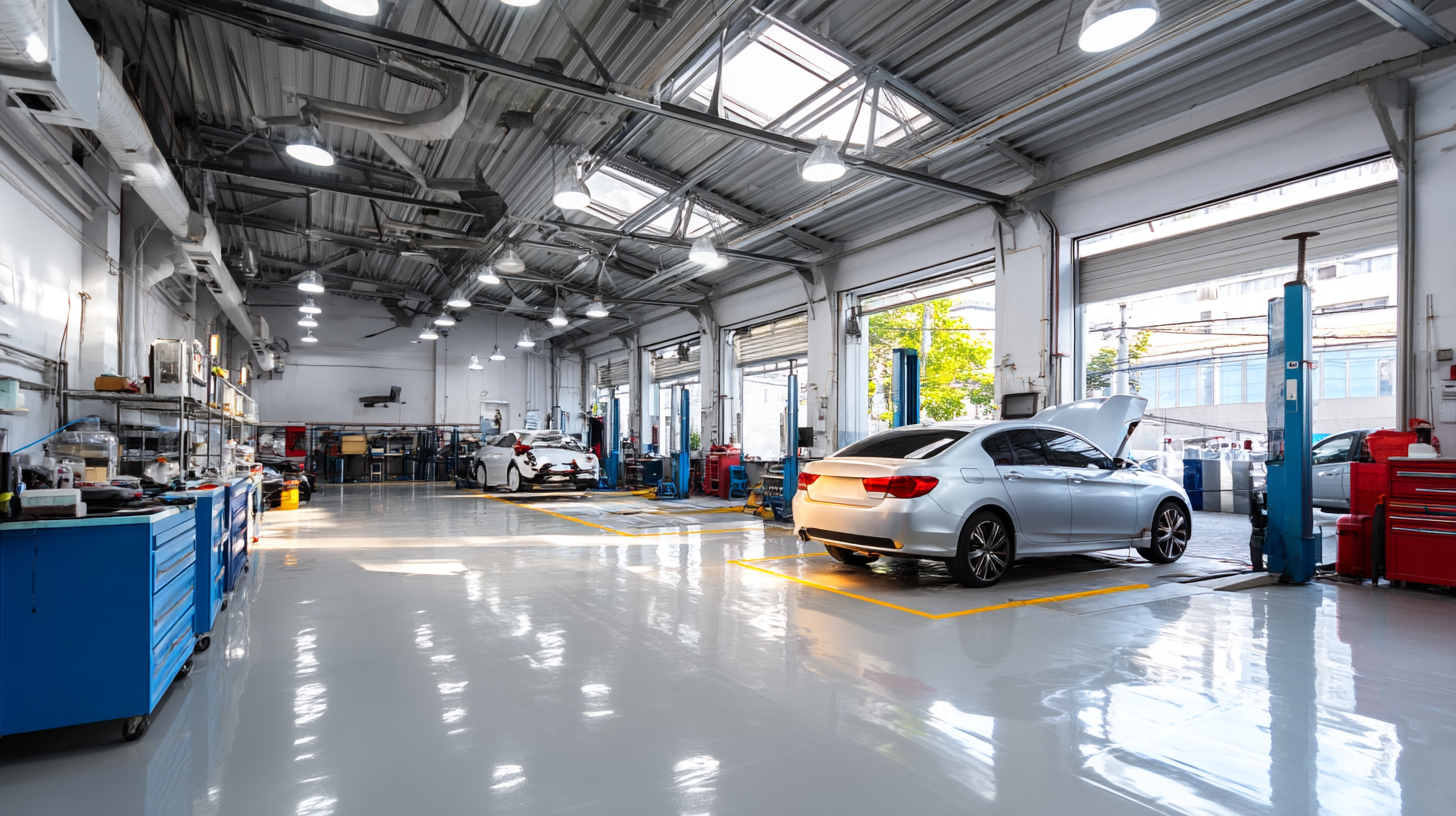
A visit is recommended if your car has dents, scratches, body damage, cracked windshields, broken bumpers, paint damage, rust, or any issues after a car accident. Even minor damage should be reviewed because it can affect panels, components, and alignment.
How Insurance Works With an Auto Body Shop
Understanding the Claims Process
Insurance companies often work directly with a collision center to approve repairs. The shop documents damage, communicates with adjusters, and updates the estimate if needed.
Choosing Your Repair Shop
You have the right to select the shop that repairs your vehicle. You do not have to use the dealership or a shop suggested by your insurance provider.
Supplements and Approvals
Once repairs begin, hidden damage sometimes appears beneath panels. The shop documents this and updates the plan so everything can be repaired correctly.
Why Choosing the Right Auto Body Shop Matters for Your Safety
Improper repairs can affect safety systems, electrical systems, sensors, and the frame. A high-quality collision center understands how to restore a vehicle so the structure performs properly during an accident. Accurate work protects you and extends the long-run value of the car.
Why Drivers Trust Re Luxe Collision
Precision Repairs Backed by Technology
Our technicians use manufacturer repair procedures and advanced tools that help restore structure and finish to proper standards.
Trained and Certified Technicians
We train continuously so our team is prepared for all types of collision repair and auto body repair.
OEM Approved Procedures
We follow procedures that support correct fit, finish, and long-term durability.
Insurance Assistance
We help customers through the claims process, making everything easier from start to finish.
A Repair Guarantee that Builds Confidence
We stand behind our repairs with confidence and pride.
Expert Tips for Choosing a Reliable Auto Body Shop
Ask about certifications. Confirm the shop uses OEM parts when possible. Review their warranty. Look at their communication process. Ensure they understand both structural and cosmetic repairs. A good shop uses proper equipment, has strong expertise, and cares about restoring your vehicle the right way.
FAQs: What Drivers Ask Most About Auto Body Shops
Is an auto body shop the same as a mechanic?
No. An auto body shop works on exterior and structural parts. A mechanic shop handles engine repairs, mechanical repair, routine maintenance, transmission work, brakes, oil changes, and electrical systems.
How long do repairs take?
It depends on parts availability, structural repairs, paint work, and insurance approvals. Minor repairs can take a few days, and major collision repair can take longer.
Will insurance cover the repairs?
If the damage is part of a covered claim, insurance typically pays for the work.
Can I choose my own repair shop?
Yes. You always have the right to decide where your car is repaired.
What if more damage is found?
The shop updates the estimate and communicates with your insurance provider through a supplement.
Do shops guarantee their work?
A reputable auto body repair shop offers a written warranty.
Can a shop repair aluminum or EV vehicles?
Many certified shops can repair aluminum or EV models, but not all shops have that capability.
Final Thoughts: Understanding Auto Body Shops Helps You Protect Your Vehicle
Knowing what an auto body shop does helps you make confident decisions after an accident. A reliable shop restores your car with precision and care, while supporting you through the insurance process and final delivery. If you need collision repair, structural repairs, auto body repair, or a quick visit for an estimate, the Re Luxe Collision team is here to help. Our goal is to restore your vehicle correctly and give you peace of mind every time you drive.