
Driver’s Guide to a Car Diagnostic Test
Many vehicle owners ask what is a diagnostic scan on a car and why it matters after a collision or when the check engine light turns on. A car diagnostic test helps us see fault codes, trouble codes, and real time data stored in the vehicle’s computer system so we can properly diagnose problems and repair your vehicle with accuracy. At Re Lux Collision, we use advanced tools and professional diagnostic scanners to protect your safety and restore performance.
Quick Answer, What Exactly Is a Diagnostic Scan?
A diagnostic scan, or diagnostic test, connects a scan tool to the OBD II port or diagnostic link connector. This lets the scanner read diagnostic trouble codes, error codes, and data from the vehicle’s onboard computer. A car diagnostic test looks at multiple sensors, engine performance, transmission behavior, oxygen sensors, fuel injectors, and more. Unlike simple code readers, a professional vehicle diagnostic provides deeper reporting capability, helping us see the right direction toward the root cause of the exact problem.
How a Professional Diagnostic Scan Works
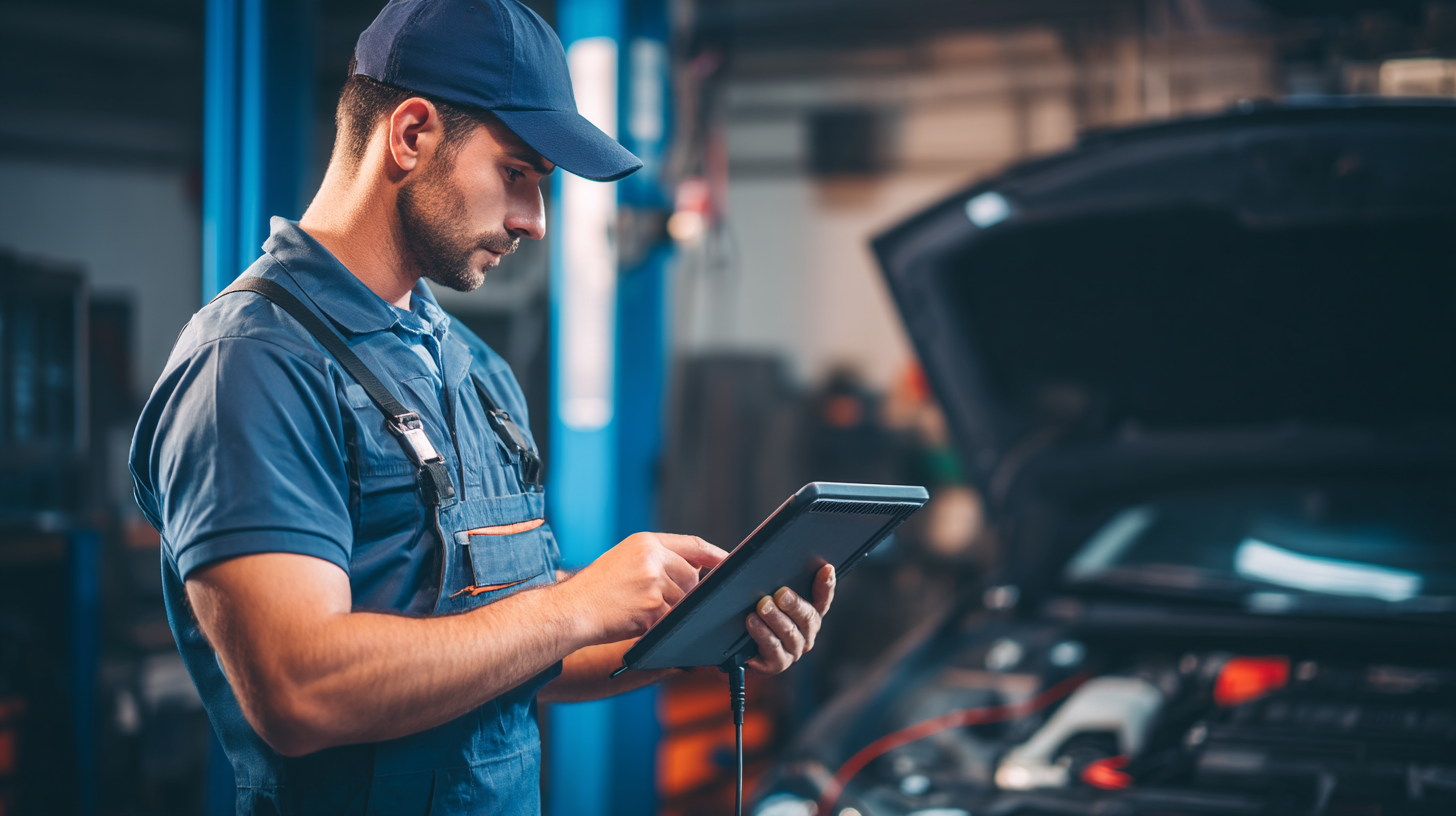
Step 1 | Connecting to the Vehicle’s Computer
We plug a diagnostic scanner into the OBD port, allowing communication with the on board computer and modules that control the engine, transmission, exhaust system, and major components. This connection lets the system share codes with our technician.
Step 2 | Reading Trouble Codes and Real Time Data
During the car diagnostic test, the scan tool reads OBD II codes, fault codes, diagnostic trouble codes, and freeze frame data. These codes include generic and manufacturer specific information, with the third character and fourth and fifth characters pointing to the subsystem and exact cause. We also check real time data like vehicle speed, battery voltage, oxygen sensors, and ignition coils.
Step 3 | Technician Interpretation
Codes tell us where to look, not the full story. Our ASE certified technicians combine diagnostics with visual checks to properly diagnose issues involving spark plugs, fuel injectors, engine performance, or transmission issues. This process helps identify the exact problem so we can fix it correctly.
Step 4 | Verification and Documentation
After repairs, we clear codes, run another diagnostic test, and confirm correction of all engine lights and warning lights. Documentation supports insurance claims and proves the car’s computer and systems are functioning correctly.
Types of Diagnostic Scans Used in Collision Repair
Pre Repair Scan
A pre repair OBD II scan shows collision related trouble codes and minor issues already stored in the vehicle’s systems. This helps us build an accurate repair plan.
In Process Scan
As we disassemble and reassemble the car, we use a diagnostic scanner to confirm modules are communicating. This protects major components and keeps diagnostics accurate.
Post Repair Scan
A final vehicle diagnostic confirms all trouble codes have been resolved and ensures ADAS and electronic systems meet vehicle manufacturer requirements.
Why Diagnostic Scans Matter After a Collision
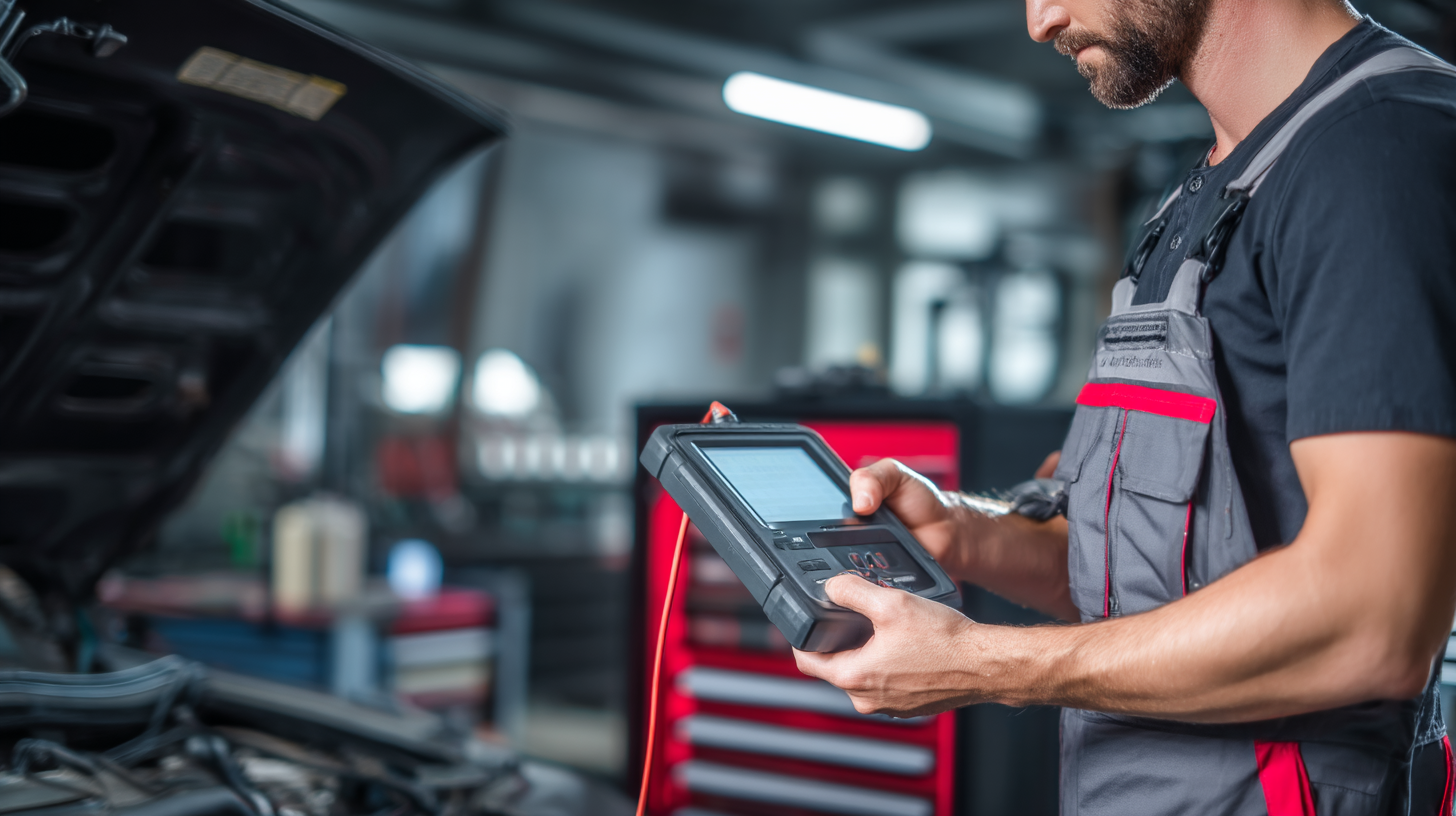
Hidden Damage You Can’t See
Modern vehicles rely on multiple sensors and electronics. A car diagnostic test reveals internal issues the check engine light or engine lights may not show, including airbag faults and exhaust system problems.
Safety System Integrity
Systems like ABS, traction control, and airbags communicate through the on board diagnostics network. Diagnostics help confirm these components are operating safely.
ADAS Systems Depend on Accurate Scans
Cameras and radar used for ADAS require precise alignment. A diagnostic test identifies codes linked to these systems so calibrations can restore fuel efficiency and car’s performance.
Systems Checked During a Full Diagnostic Scan
Diagnostics examine the engine, transmission, exhaust system, fuel injectors, oxygen sensors, ignition coils, spark plugs, air conditioning controls, and more. These tests show how internal combustion engines are performing and whether emission standards are being met. We also review modules tied to stability control, airbags, and vehicle speed readings.
What Drivers Can Expect During a Diagnostic Scan at Re Lux Collision
Transparent Communication
We explain what a car diagnostic test will reveal, including any codes linked to the check engine light, warning lights, or drivability concerns.
OEM Level Tools and Skilled Technicians
Our advanced tools and diagnostic scanners read both generic and manufacturer specific OBD II codes. Our ASE certified technicians know how to interpret diagnostics and fix the exact problem efficiently.
Repair Planning Based on Real Data
Diagnostics guide each repair step. By understanding fault codes, trouble codes, and system behavior, we prevent guesswork and protect your car’s performance.
A Smooth Insurance Process
Our reporting capability documents OBD II scan results so insurance carriers understand the repair path.
How Long Does a Diagnostic Scan Take?
Time can vary depending on the number of modules and codes. Some tests take only minutes, while deeper diagnostics and emissions test readiness checks may take longer. Our team explains the process so vehicle owners know what to expect.
Cost of a Diagnostic Scan, What Drivers Should Know
Costs vary depending on the car, number of codes found, and systems involved. A professional car diagnostic test reflects the skill, tools, and time required to perform diagnostics correctly. Many collision related diagnostics are covered by insurance.
What Happens If You Skip a Diagnostic Scan?
Ignoring diagnostics can hide issues in the engine, transmission, or exhaust system. Minor issues can become major components failures, reducing fuel efficiency and affecting car’s performance. Skipping scans after a collision can also leave safety systems inoperable.
Diagnostic Scans vs Calibrations vs Programming
Diagnostic Scan
A diagnostic scan reads OBD II codes and real time data from the car’s computer so we can perform diagnostics and plan repairs.
Calibration
Calibration aligns ADAS sensors so they communicate correctly with the vehicle’s systems.
Programming
Programming updates modules so the vehicle’s self diagnostic routines and on board diagnostics recognize replaced components.
How to Choose the Right Shop for Diagnostic Scans
Look for OEM Backed Methods
The shop should follow vehicle manufacturer procedures for diagnostics and repair.
Advanced Equipment and Continuous Training
They should use advanced tools, scanners, OBD II scan capabilities, and trained technicians.
Transparent Results and Documentation
Clear explanations of codes and diagnostics help vehicle owners understand the exact cause.
Why Sacramento Drivers Trust Re Lux Collision
We combine expert repair with thorough diagnostics so your car performs safely and reliably. From engine lights to transmission issues, we use diagnostics to fix problems the right way.
FAQs, Diagnostic Scan on a Car
Is a diagnostic scan always necessary after a collision?
If your engine lights, warning lights, or sensors activate after an impact, a diagnostic test is essential.
Will a diagnostic scan tell me exactly what is wrong?
The diagnostic scanner points us toward the right direction, then we confirm the root cause with additional checks.
Can I drive my car before getting it scanned?
If the check engine light flashes or the car feels unsafe, schedule a diagnostic test immediately.
How do I know if my ADAS system needs calibration?
Diagnostics reveal ADAS related fault codes that indicate the need for calibration.
Does insurance cover diagnostic scans?
Most insurers cover diagnostics related to collision repair and emission standards.
Do warning lights always appear when something is wrong?
Not always, some issues stay hidden until diagnostics read stored codes.
Conclusion, Your Vehicle’s Safety Starts with a Diagnostic Scan
A diagnostic scan is the foundation of a safe and accurate repair. It helps us read codes, review real time data, and understand how your vehicle is performing. When you need a car diagnostic test after a collision or when the check engine light comes on, our team is here to properly diagnose and repair your vehicle with confidence.