
Getting your car back after an accident can feel like the finish line, but for vehicle owners, it is not the moment to stop paying attention. Knowing what to look for after collision repair helps you confirm the repairs were completed safely, correctly, and according to factory specifications. Modern vehicles rely on complex safety features, mechanical components, and structural systems that must work together to protect you. A car repaired without proper verification can compromise safety, resale value, and long-term reliability. This guide walks vehicle owners through every step of what to check after auto collision repair so you can drive away with confidence.
Why Post-Collision Inspections Matter More Than Ever
Collision repair today is very different from what it was years ago. Vehicles now include advanced safety systems, parking sensors, cameras, and electronic controls that are sensitive to impact and improper calibration. Even minor damage can hide structural damage or affect the vehicle’s alignment. A proper collision repair process includes a thorough inspection, verification of safety systems, and confirmation that the vehicle’s structural integrity has been restored. Skipping these steps or relying only on a visual inspection increases the risk of subpar repairs that may not be obvious until later.
Always Ask for Pre- and Post-Repair Diagnostic Scan Reports
What is a diagnostic scan?
A diagnostic scan is an electronic evaluation of your vehicle that checks critical systems after car collision repair. It identifies faults in safety systems, mechanical components, and electronic controls. For auto collision repair services, scans are a core part of the repair process.
What scan documentation should include
Vehicle owners should receive documentation showing scans completed before and after repairs. These reports confirm that necessary repairs were made, codes were cleared, and systems function correctly. This documentation protects you if additional repairs are needed later or during insurance claims with your insurance company.
Why dashboard warning lights do not tell the full story
Warning lights are helpful, but they do not catch everything. Some issues never trigger lights, while others appear days later. Relying only on warning lights can allow hidden damage or improper alignment to go unnoticed.
ADAS Calibration Confirmation Is Critical
What ADAS means for everyday drivers
Advanced safety features help reduce accidents, but only when they are calibrated correctly. Lane assist, adaptive cruise, and parking sensors rely on precise positioning. Improper calibration can compromise safety.
When calibrations are required
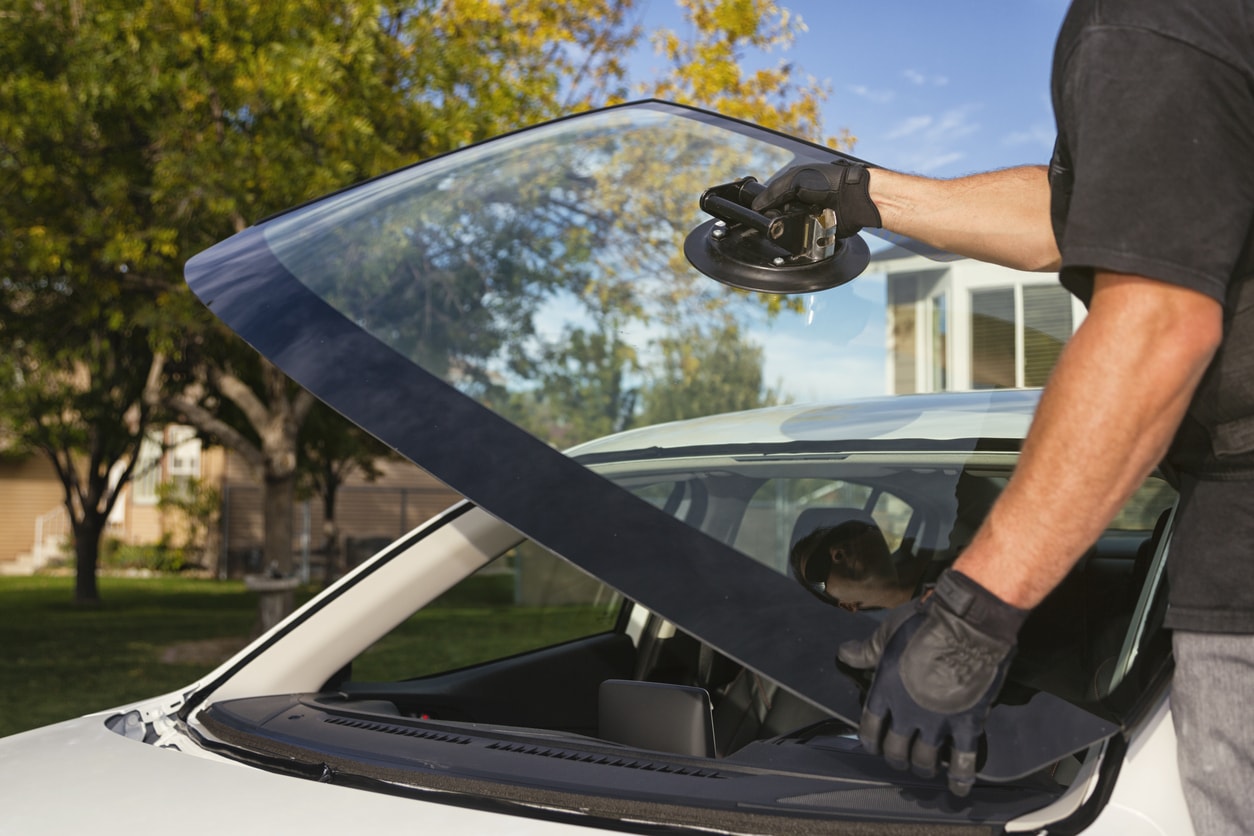
Calibrations are commonly required after windshield replacement, bumper repairs, suspension work, frame straightening, or any major collision repairs. Even minor damage can affect camera angles and sensor accuracy.
What proper calibration documentation looks like
Documentation should clearly state which systems were calibrated and confirm procedures followed original equipment manufacturer requirements. This ensures safety systems respond as designed.
Inspect the Bumper, Windshield, and Mirror Areas Carefully
Why these areas are sensor-heavy
Bumpers, mirrors, and windshields often house sensors tied to safety systems. These areas must be repaired correctly during auto body repair to maintain vehicle safety.
Questions to ask about repaired vs replaced parts
Ask your collision repair shop whether body panels were repaired or replaced and why. For major collision damage, replacement may be required to maintain structural integrity.
Visual signs customers can check
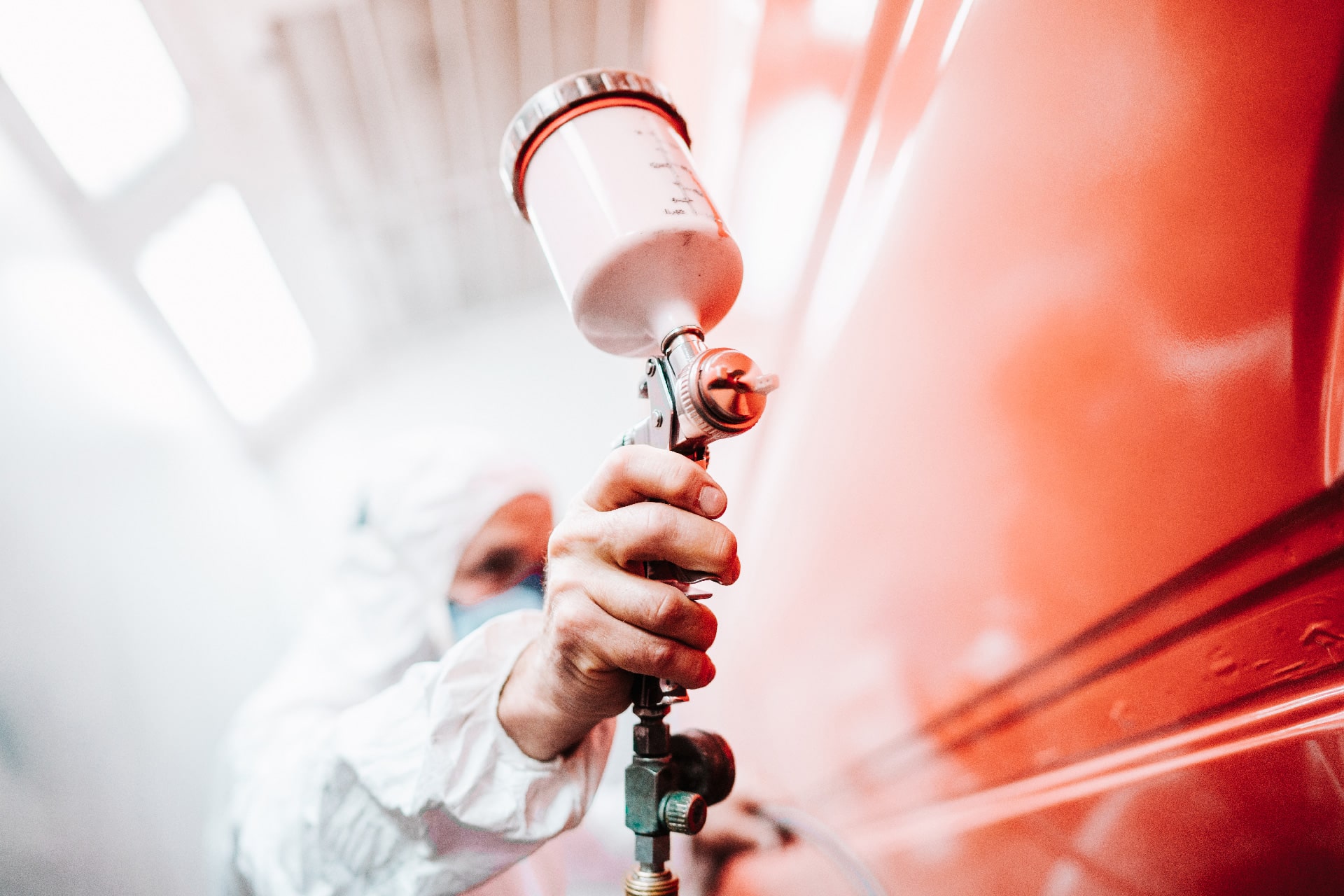
Check panel alignment, tape lines, chipped paint, clear coat consistency, and paint matching. Visible signs like uneven gaps or poor paint job quality can indicate rushed repairs.
How the Vehicle Should Drive After Collision Repair
Steering and alignment checks
The steering wheel should be centered, and the vehicle should track straight. Improper alignment can lead to uneven tire wear and reduced control.
Suspension and ride quality
Listen for unusual noises over bumps. Vibrations or harsh ride quality may point to unresolved structural damage or mechanical issues.
Braking performance
Brakes should feel smooth and responsive. Any warning lights or changes in pedal feel should be addressed immediately.
Wind noise and water leaks
Wind noise or water intrusion may signal sealing problems around doors or glass. These issues affect comfort and long-term vehicle condition.
Don’t Ignore Warning Lights or the Lack of Them
Some warning lights appear later, while others never appear at all. That is why post-repair verification is critical. If a light turns on after you pick up the car repaired, contact the body shop right away.
Confirm Safety Restraint Systems Were Properly Addressed
What falls under safety restraint systems
Safety restraint systems include airbags, seatbelts, sensors, and control modules. These are critical systems designed to protect occupants.
Why SRS checks matter after any significant impact
After a major collision, components may need replacement even if they did not deploy. Failure to inspect and verify these systems can compromise safety in future accidents.
Review the Final Repair Documentation Before You Leave
What paperwork you should receive
A trusted collision center provides scan reports, calibration records, repair summaries, and warranty details. This paperwork confirms repair quality and is essential when dealing with your insurance company.
Why documentation protects you long-term
Documentation supports insurance provider discussions, insurance claims, resale value, and proof that the vehicle was repaired correctly.
The First 7 Days After Pickup: A Smart Owner’s Checklist
During the first week, monitor how the car drives. Pay attention to warning lights, unusual noises, steering feel, and safety feature behavior. A short test drive in different conditions can reveal issues that need additional repairs.
What Sets a High-Quality Collision Repair Shop Apart
A high-quality auto body shop follows a disciplined inspection process, uses certified technicians, and invests in proper tools. They explain repair times, estimated cost, and the collision repair process clearly. They focus on vehicle safety, structural integrity, and proper collision repair rather than shortcuts. A trusted collision center prioritizes repair quality over speed.
FAQs – What to Look for After Collision Repair
Is a post-repair scan really necessary?
Yes. It confirms systems function correctly and that no critical systems were compromised during repairs.
How do I know if my ADAS features were calibrated?
Ask for calibration records. Without them, you cannot be sure safety features work as intended.
What if my car looks fine but feels different?
Driving feel matters. If steering, braking, or ride quality feels off, schedule a follow-up inspection.
Can problems show up weeks after repair?
Yes. Hidden damage, improper calibration, or frame damage may appear later.
Should I request OEM parts after an accident?
Original equipment manufacturer parts are often recommended to maintain factory specifications and vehicle’s structural integrity.
Final Thoughts: Confidence Comes From Verification
Knowing what to look for after collision repair gives vehicle owners control and peace of mind. Proper collision repair is about more than appearance. It ensures the vehicle is safe, structurally sound, and ready for the road. Choosing a collision center that values transparency, thorough inspection, and quality repairs helps protect you, your car, and your investment for years to come.
Throughout the entire car accident repairs and auto repairs process, staying informed and vigilant ensures your vehicle’s safety and performance are fully restored.