
When drivers ask when can a bumper not be repaired, they are usually hoping the answer is simple. In reality, modern bumper systems are complex safety components, not just cosmetic panels. A car bumper is designed to protect passengers, absorb impact, and support critical systems during a collision. Because of that, certain types of bumper damage mean repair is no longer safe or reliable.
In 2025, vehicles rely more than ever on advanced safety technology, precise engineering, and strict manufacturer repair standards. A damaged bumper that looks minor on the surface may hide deeper problems that compromise safety, structural integrity, and long-term performance. Understanding when a bumper can be fixed and when it needs to be replaced helps drivers make informed decisions that protect their car, their money, and everyone inside the vehicle.
This guide explains exactly when bumper repair is no longer the right option, what types of bumper damage typically require bumper replacement, and why working with a certified collision center matters.
Why Bumper Repair Isn’t Always the Right Choice Anymore
Years ago, bumper repair was often a quick and cost-effective solution. Most bumpers were simple metal or plastic components designed mainly to prevent cosmetic damage. Today, a bumper is part of an integrated safety system. It works with sensors, mounting brackets, reinforcement bars, and energy-absorbing materials to protect the body and passengers during a collision.
As vehicles have evolved, so have repair standards. Many bumpers cannot be repaired easily without compromising performance. Even small dents or cracks can affect the bumper’s structural integrity. When that integrity is compromised, the bumper may not protect the car the way it was designed to.
The goal of any professional repair shop is to restore the vehicle to its original shape and safety performance. If that cannot be done reliably, bumper replacement becomes the safer option.
The Difference Between Cosmetic Damage and Non-Repairable Damage
What Counts as Cosmetic Bumper Damage?
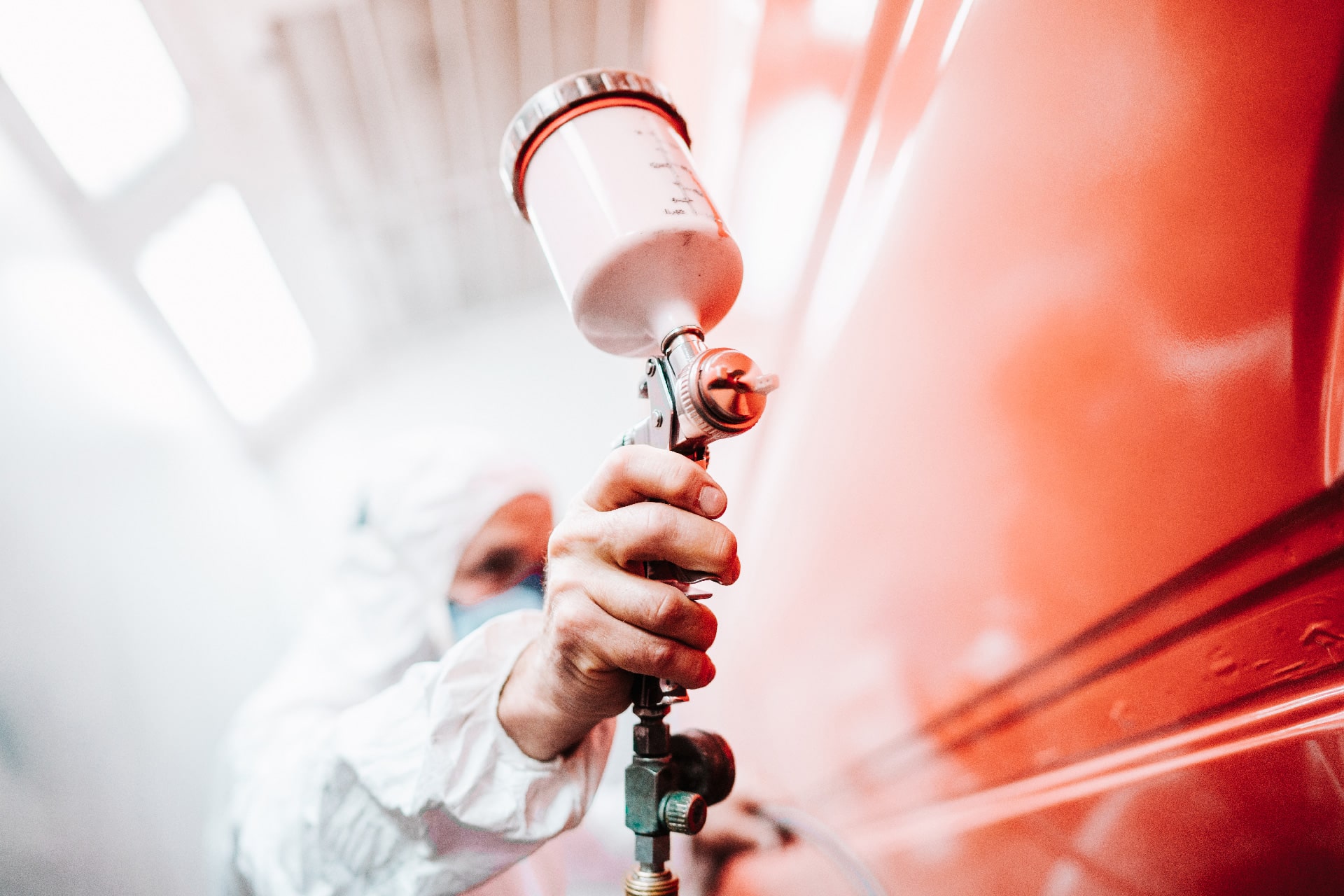
Cosmetic damage affects only the outer surface of the bumper. This includes light scratches, paint damage, small dents, scuffs, and dings that do not affect mounting points, sensors, or structural integrity. In these cases, repair and repainting can often restore the bumper to good shape without safety concerns.
Paintless dent repair may be used for minor damage when the plastic has not stretched or cracked and the damaged area is small. Clear coat and paint can be restored, and the bumper can look new again.
What Makes Bumper Damage Non-Repairable?
A bumper becomes non-repairable when the damage affects its structure, alignment, or ability to protect the vehicle. Cracks, holes, broken hooks, distorted mounting points, or underlying damage often mean the bumper cannot be fixed properly. When the bumper cannot be restored to factory specifications, it may need to be replaced.
Situations Where a Bumper Typically Cannot Be Repaired
Cracks, Tears, or Splits in the Bumper Cover
A cracked bumper is one of the clearest signs that bumper replacement may be necessary. Cracks weaken plastic and compromise the bumper’s ability to absorb impact. Even a small crack can spread over time due to temperature changes, vibration, and everyday driving.
Stitches, filler, fiberglass, or plastic welding may appear to fix cracks, but these repairs often fail in the long run. A badly damaged bumper with multiple cracks or holes usually needs to be replaced to ensure safety and durability.
Substrate Damage on ADAS-Equipped Vehicles
Modern vehicles rely on sensors mounted behind or within the bumper. When the underlying plastic substrate is damaged, even if the surface looks intact, sensor accuracy can be compromised. A repaired bumper may look fine but cause calibration issues or system errors.
In these cases, the entire bumper may need to be replaced with a new bumper that meets manufacturer requirements. Repairing substrate damage can compromise safety and lead to unreliable performance.
Damage to the Bumper Reinforcement Bar
Behind the outer bumper cover is a reinforcement bar designed to absorb and distribute impact energy. If this component is bent, cracked, or broken, it cannot be repaired safely. The reinforcement bar protects the body and other parts of the vehicle during a collision.
When this bar is damaged, bumper replacement is necessary. Attempting to repair it can compromise structural integrity and increase risk in future accidents.
Broken or Distorted Mounting Points
Mounting points, hooks, and brackets hold the bumper in its correct location. If these are broken or distorted, the bumper may not fit correctly. Poor alignment affects the rest of the body panels and can lead to rattling, gaps, or sensor problems.
A bumper that cannot be secured properly often needs to be replaced. Repaired mounting points rarely restore the original strength or integrity needed for safe operation.
Sensor, Camera, or Bracket Damage
Parking sensors, cameras, and radar units rely on precise positioning. Damage to sensor brackets or surrounding plastic can prevent proper calibration. Even small dents or cracks near sensors can cause inaccurate readings.
If the bumper cannot support these systems correctly, replacement is the safest solution.
Why Improper Bumper Repairs Can Be Dangerous
Safety System Failures
Improper bumper repair can lead to safety system malfunctions. Sensors may give false warnings or fail to activate during a collision. This can compromise passenger safety and reduce the vehicle’s ability to protect occupants.
Crash Performance Compromise
A repaired bumper that has lost its structural integrity may not absorb impact energy correctly. This can lead to increased damage to other parts of the vehicle and greater risk of injury in a collision.
Insurance and Liability Risks
Repairs that do not meet manufacturer standards can affect warranty coverage and insurance claims. If a repaired bumper fails during another collision, liability concerns may arise.
Can a Bumper Be Technically Repairable but Still Not the Right Choice?
Yes. Some bumper damage can technically be fixed, but that does not mean it should be. Repairs may be temporary, less durable, or more expensive in the long run. A repair that saves money upfront may lead to repeated fixes or early failure.
In many cases, bumper replacement is the more cost-effective and reliable option. Replacing a damaged bumper can save money over time and provide peace of mind.
How a Professional Collision Shop Determines Repair vs Replacement
Complete Vehicle Inspection and Teardown
A skilled body shop does not rely on surface appearance alone. Removing the bumper allows technicians to inspect underlying damage, reinforcement bars, splash guard components, valance panel areas, and mounting points.
Manufacturer Repair Procedures
Each vehicle has specific repair guidelines. A professional repair shop follows these procedures to determine whether a bumper can be repaired or needs to be replaced.
Calibration Requirements
Vehicles with safety systems require scanning and calibration after repair. If proper calibration cannot be achieved with a repaired bumper, replacement is required.
Insurance Myths About Bumper Repairs
Insurance Always Wants the Cheapest Option
Insurance providers are required to restore the vehicle to pre-collision condition. That means repairs must meet safety and quality standards, not just minimize cost.
Aftermarket Bumpers Are the Same
Not all replacement bumpers are equal. Fit, material quality, and compatibility vary. Using the correct replacement ensures proper fit and safety.
When Replacement Is Actually the Safer, Smarter Option
Bumper replacement is often the safest choice when the bumper is badly damaged, cracked, broken, or compromised. Replacing the entire bumper restores original strength, protects other parts, and ensures proper performance.
A new bumper restores the vehicle’s appearance and safety systems while maintaining warranty and long-term reliability.
Why Re-Lux Collision Takes a Repair First but Safety Always Approach
At our collision center, we focus on quality and safety. Our skilled technicians evaluate every damaged bumper carefully. We repair when it is safe, cost-effective, and reliable. When a bumper needs to be replaced, we explain why and ensure the replacement meets all standards.
Our repair shop prioritizes integrity, craftsmanship, and clear communication. That approach protects your car, your passengers, and your investment.
FAQs: When Can a Bumper Not Be Repaired?
Can a cracked bumper always be repaired?
No. A cracked bumper often loses strength and may need to be replaced, especially if cracks affect mounting points or structural integrity.
Is it safe to drive with a damaged bumper?
A damaged bumper may not protect the vehicle properly. Underlying damage can compromise safety even if the car seems drivable.
Do rear bumper issues differ from front bumper issues?
Rear bumper damage often involves sensors and reinforcement bars. The same repair rules apply, and replacement may be required.
Will insurance cover bumper replacement?
In many cases, insurance will cover replacement when the bumper needs to be replaced to meet safety standards.
Is repainting the same as repairing?
No. Repainting addresses paint and clear coat only. Repair involves restoring structure and integrity.
Final Thoughts: Don’t Guess When It Comes to Bumper Damage
Understanding when a bumper can and cannot be repaired helps drivers make smarter decisions after a collision. While minor damage like scratches, dings, and small dents can often be fixed, cracks, broken components, and underlying damage usually mean the bumper needs to be replaced.
If your vehicle has bumper damage and you are unsure of the next step, contact a trusted collision center. A professional inspection can determine whether repair or replacement is the safest option and help you protect your car, your money, and your peace of mind.