
Can I Get Other Service Work Done While My Car Is Being Repaired?
One of the most common questions we hear after a car accident is, can I get other service work done while my car is being repaired? Your car is already at the shop, you are already dealing with insurance companies, and you may already be driving a rental car. It feels like the perfect time to take care of other repairs, maintenance, or warranty work.
The honest answer is yes, in many cases you can. The more important answer is that it depends on insurance coverage, warranty rules, repair timing, and how the work is documented. At Re-Lux Collision, our job is to help you understand your options so you can make smart decisions that protect your money, your car warranty, and your vehicle.
This guide explains what you can do, what you should avoid, and how to combine repairs the right way without creating problems with insurance, rental coverage, or a manufacturer warranty.
Why This Is Such a Common Question After an Accident
After an accident, drivers are already juggling phone calls, insurance claims, rental arrangements, and repair schedules. When your car is torn down at a repair shop, it is natural to notice other issues. Maybe the engine light was on before the accident. Maybe the car needed routine maintenance. Maybe there is old damage you never fixed.
Another reason this question comes up is confusion about warranties. Many drivers worry that service performed at a body shop, car dealership, or mechanic could affect a factory warranty, extended warranty, or vehicle service contract. Others assume insurance companies will cover extra repairs simply because the car is already there.
These misunderstandings are common, especially for owners of a new car, a used car, or a truck with higher mileage. The key is separating accident-related car repairs from other service work.
The Short Answer Then the Real One
The short answer is yes, you can sometimes get other service work done while your car is being repaired. The real answer is that it depends on who pays, how the repairs are scheduled, and whether the work affects insurance coverage or warranty work.
Insurance companies only cover repairs related to the accident. Car warranty coverage only applies under specific rules. Rental car coverage is limited to the time needed for claim repairs. When these factors are handled correctly, adding service can make sense. When they are handled poorly, it can lead to delays, denied claims, or unexpected cost.
Insurance Companies and Coverage: What You Need to Know
Understanding Insurance vs Customer Pay Repairs
What Insurance Will Typically Cover
Insurance coverage is designed to return your vehicle to pre-accident condition. Insurance companies typically cover collision damage, hidden damage discovered during teardown, and certain repairs that are required for safety and functionality. This includes structural repairs, paint work, calibration, and repairs performed to systems damaged in the accident.
When additional damage is discovered, the repair shop submits a supplement to the insurance company. Once approved, those repairs are added to the claim. This process protects the vehicle and ensures the repairs performed are documented correctly.
What Insurance Usually Will Not Cover
Insurance does not pay for routine maintenance, wear items, or unrelated issues. Oil change service, brake replacement, engine maintenance, and pre-existing damage are almost always excluded. Insurance companies also do not cover upgrades or cosmetic improvements unrelated to the accident.
If a customer assumes insurance will pay for these items, it can create a false impression that leads to frustration later. Understanding the insurance policy upfront avoids problems.
Why Keeping Repairs Separate Matters
Separating insurance work from customer pay work is critical. It protects your claim, your coverage, and your rental eligibility. It also protects you if questions come up later about warranty claims or service history. At Re-Lux Collision, we clearly separate claim repairs from customer authorized repairs so there is no confusion.
Can I Add Unrelated Body Work While My Car Is Here?
Examples of Body Work That Is Often Easy to Add
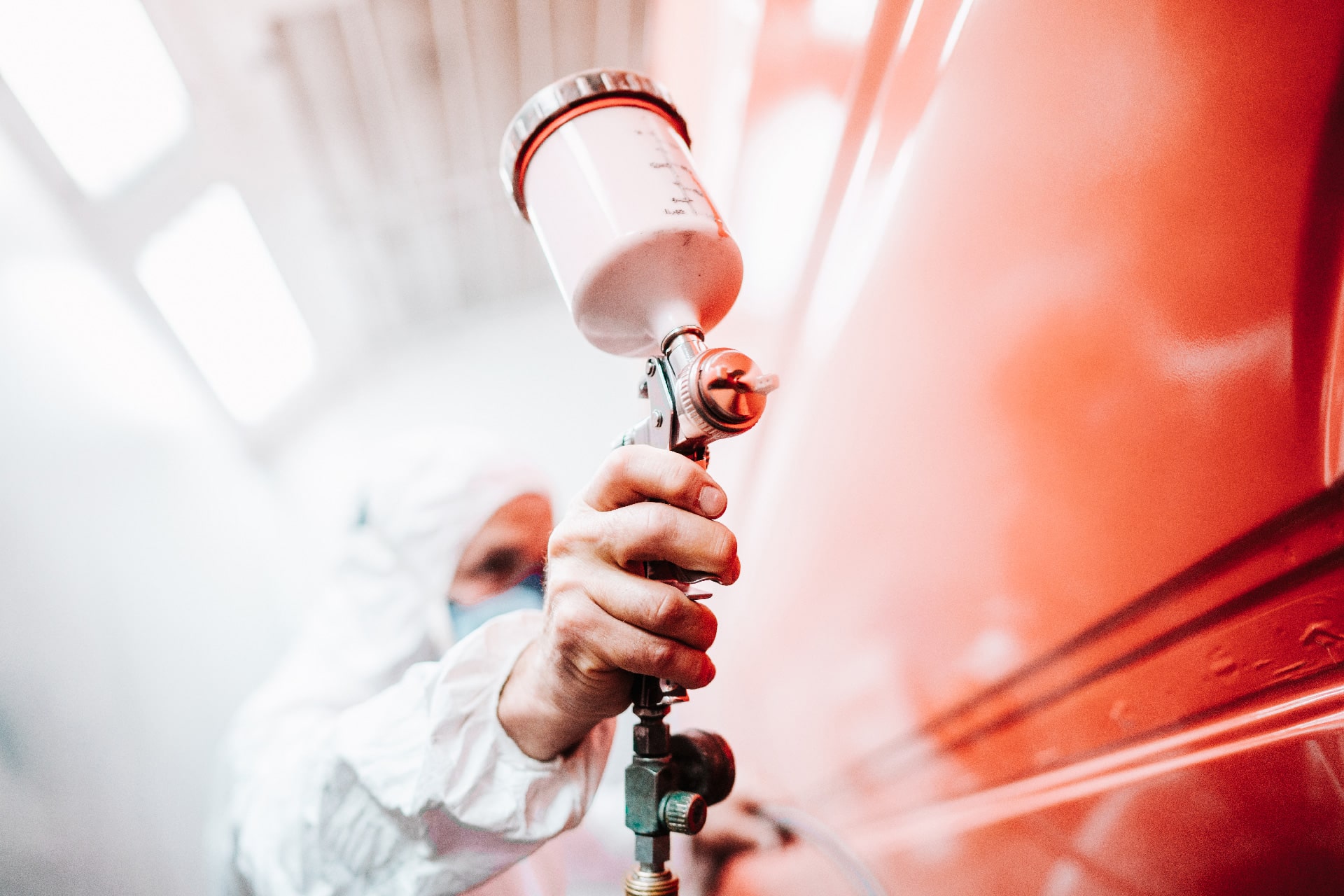
Cosmetic body repairs are the most common type of additional work customers request. This can include fixing old bumper damage, door dings, scratches, or small rust areas. If the same panel is already scheduled for paint, combining work can reduce cost and save time.
For example, if a rear bumper is being refinished after an accident, addressing an older scuff on that bumper may make sense. These repairs are customer pay but can be efficient.
When It Makes Sense to Combine Repairs
Combining repairs works best when the additional work fits into the existing repair process. Early communication is key. When added before teardown or paint, the shop can plan parts, labor, and materials properly.
This approach helps ensure the vehicle is properly maintained and repaired to a high standard.
When It Is Better to Schedule Separately
Some repairs should be scheduled separately. Large additional repairs, parts that are backordered, or repairs that change the structure of the repair plan can delay completion. In most cases, it is better to complete the accident repairs first, then return later for unrelated work.
What About Mechanical or Maintenance Work?
Routine Maintenance and General Service
Routine maintenance like oil changes, fluid services, or mileage-based service is usually better handled by a mechanic or car dealership that focuses on automotive repair. Collision shops specialize in body, paint, and structural repairs, not general maintenance.
Performing routine maintenance during collision repairs can complicate scheduling and documentation. It can also affect how warranty work is recorded.
Mechanical Repairs Related to the Accident
Some mechanical repairs are directly tied to the accident. Suspension damage, cooling system issues, engine mounts, or sensor failures may be accident related. These repairs are typically covered by insurance if they are part of the claim.
When these issues are found, they are documented and approved through the insurance process to ensure proper coverage.
Will Additional Work Delay My Repair Timeline?
How Collision Repairs Are Scheduled
Collision repairs follow a strict sequence. The vehicle is inspected, disassembled, repaired, painted, reassembled, and calibrated. Each stage depends on parts availability and technician scheduling.
How Extra Work Can Affect Each Stage
Adding work early is easier to manage. Adding work later can require additional parts, new approvals, or rework. This can increase the number of days your car is in the shop.
The Importance of Early Communication
If you are considering additional service, contact the shop as soon as possible. Clear authorization and planning reduce delays and help keep your repair on schedule.
What If I Am in a Rental Car?
How Rental Coverage Typically Works
A rental car is usually provided while your vehicle is being repaired due to an accident. Rental coverage is tied to the insurance claim and subject to daily limits and total limits. Insurance companies approve rental time based on how long the accident repairs should reasonably take.
Why Extra Work Usually Does Not Extend Rental Coverage
When additional customer pay work extends the repair timeline, insurance typically does not cover the extra rental days. The rental company will charge the customer directly for those days.
This is one of the most common issues we see, especially when customers assume rental coverage will automatically extend.
Common Rental Misunderstandings to Avoid
Rental coverage does not cover routine maintenance delays. Rental coverage does not extend for unrelated repairs. Always confirm rental limits with your insurance agent to avoid unexpected charges.
Can I Get Work Done on the Rental Instead?
Why This Is Usually Not Allowed
Rental vehicles are owned by the rental company. Performing service or repairs on a rental without authorization is usually prohibited by the contract. Even an oil change or minor repair can violate the agreement.
What to Do If the Rental Has an Issue
If the rental car has a problem, contact the rental company. Do not authorize repairs yourself. If the issue affects your ability to return the rental when your vehicle is repaired, notify the repair shop.
How Re-Lux Collision Handles Additional Repair Requests
Our Evaluation Process
We evaluate every request carefully. We look at how the additional repairs affect safety, quality, timeline, insurance coverage, and warranty considerations. Our goal is to give honest advice based on experience.
Clear Estimates and Authorization
All additional service is quoted separately. Insurance repairs, warranty work, and customer pay repairs are clearly documented. Nothing moves forward without approval.
A Customer-First Scheduling Philosophy
We do not rush repairs or compromise quality. Whether your vehicle is a new car or a high mileage used car, our focus is doing the work correctly.
Smart Questions to Ask Before Adding Extra Work
- Will this affect my repair timeline?
- Is this covered by insurance or warranty?
- Will it impact my rental car?
- Does this affect my factory warranty, extended warranty, or vehicle service contract?
- Is this better handled by a dealership, car dealers, or mechanic?
- How many miles has the vehicle been driven, and what does the owner’s manual recommend?
- Am I following proper own maintenance guidelines to keep my car warranty valid?
- Am I aware of the fine print in my auto service contract or extended warranty?
Frequently Asked Questions
Can I add repairs after my car is already in the shop?
In many cases, yes. It depends on the type of repairs and the stage of the process. Early requests are easier to accommodate.
Will insurance deny my claim if I add other work?
Insurance companies do not deny claims simply because customer pay repairs are added. Problems occur only when repairs are not clearly separated.
Can extra service affect my warranty?
Federal law protects your right to choose where service is performed. A manufacturer warranty or factory warranty cannot be voided simply because service was performed outside a dealership, as long as the vehicle is properly maintained and correct parts and fluids are used.
What about extended warranties and service contracts?
Extended warranty coverage, auto service contracts, and vehicle service contracts have fine print. Carefully review your contract, mileage limits, and coverage exclusions. Some contracts require service records or restrict aftermarket parts.
Should I contact my insurance agent or warranty company?
If you are unsure, contact your insurance agent or warranty company before authorizing additional work. This avoids disputes and protects your coverage.
What if I have a dispute over repairs or costs?
If disagreements arise, small claims court may be an option to resolve the issue without costly litigation. Always keep detailed records, estimates, and communications with the repair shop. If needed, consult an attorney to understand your rights and options.
Final Takeaway: Yes, You Have Options With the Right Plan
So, can I get other service work done while my car is being repaired? In most cases, yes, with proper planning. The key is understanding insurance coverage, rental limits, and warranty rules. Combining repairs can save time and money when done correctly, but it can also create problems when assumptions are made.
At Re-Lux Collision, we guide you through the process, explain your options, and help you make decisions that protect your vehicle, your car warranty, and your wallet. If you have questions about additional repairs, service, or coverage, contact our team. Get your free estimate today and let us help you get your car back on the road with confidence.
Remember, seeing your vehicle repaired with your own eyes and understanding the course of repairs can give you peace of mind. Whether you need to ride in a rental or coordinate with your insurance company or business, staying informed is key to a smooth repair experience.