

Auto Glass Windshield Replacement Options
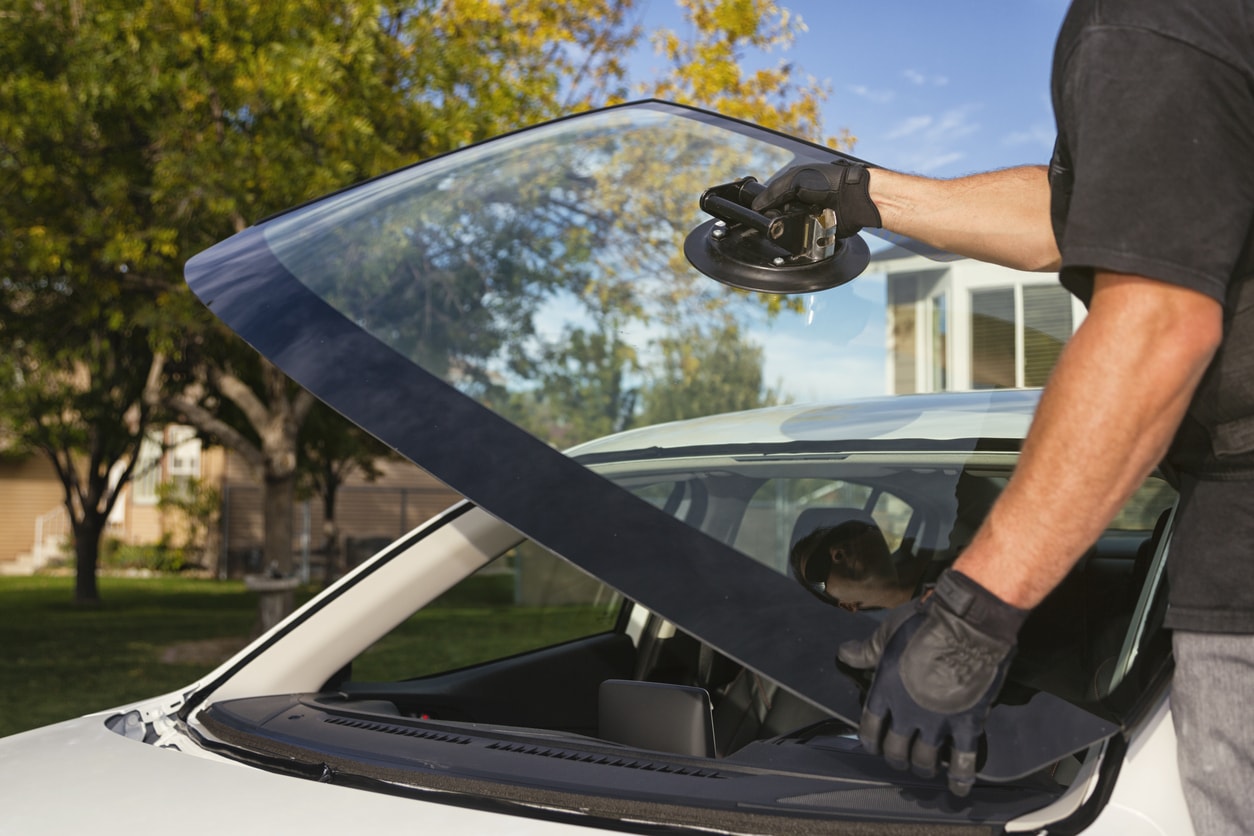
Today’s windshield is part of the safety structure of the vehicle. The glass helps support airbags, protects passengers, and supports advanced driver assistance systems that rely on sensors and cameras. Because of this, auto glass replacement requires careful planning and professional service. Car owners often compare OEM glass, aftermarket glass, and different auto glass service providers before making a decision.
Will Insurance Cover Bumper Repainting After Collision?
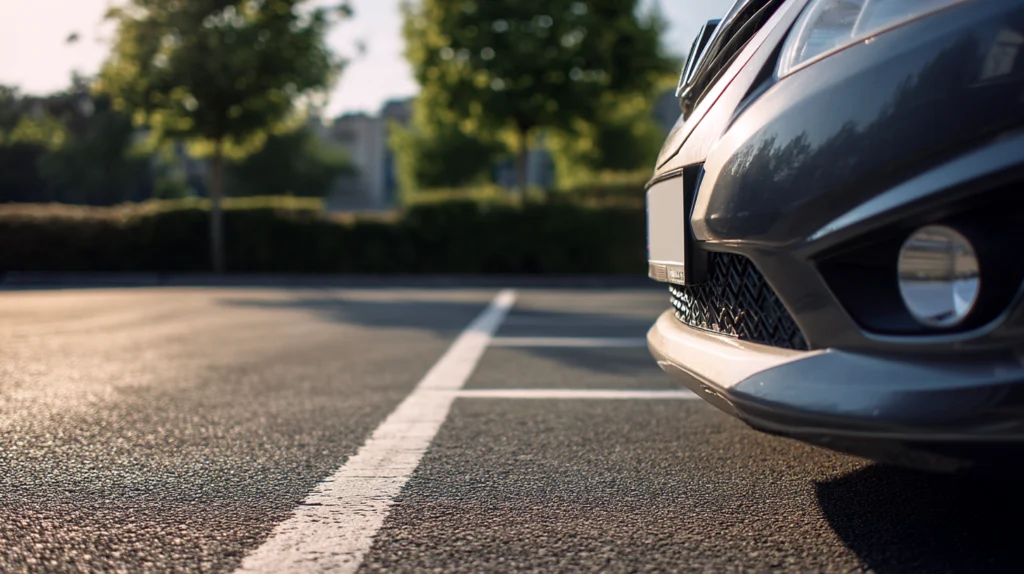
The answer depends on the type of car insurance coverage in the insurance policy, the cause of the accident, and the deductible costs attached to the policy. In many cases, insurance covers the repainting when the paint damage comes from a covered collision claim. If the repair shop determines that paint work is required to restore the bumper and surrounding body panels, the insurance company may approve the repairs and pay most of the repair costs.
Why Is ADAS Calibration Necessary After Windshield Replacement?
When replacing a windshield, even small shifts in positioning can affect how these cameras and sensors read the road. That is why ADAS calibration and windshield calibration are often necessary after windshield replacement. These procedures help restore proper alignment so the vehicle’s safety systems can function correctly. Without calibration, important safety features may not work properly or may deliver inaccurate warnings.
Which Type of Auto Glass Is Safest?
This guide explains the difference between laminated and tempered glass, how automotive glass is manufactured, and why proper repair or windshield replacement is important for maintaining vehicle safety.
What’s the Difference Between Basic OBD Scanning and Full Collision Scanning?
Basic OBD scanning focuses primarily on the vehicle’s engine and emissions-related monitoring through the on-board diagnostics platform. A full system collision scan evaluates many systems across the entire vehicle, including safety systems, sensors, and modules that may have been affected by a crash.
What Vehicles Most Often Require ADAS Calibration?
In this guide, we explain what vehicles most often require ADAS calibration, how the calibration process works, and why proper calibration is essential for vehicle safety.
What Types of Automotive Paint Finishes Exist and How to Maintain Them?
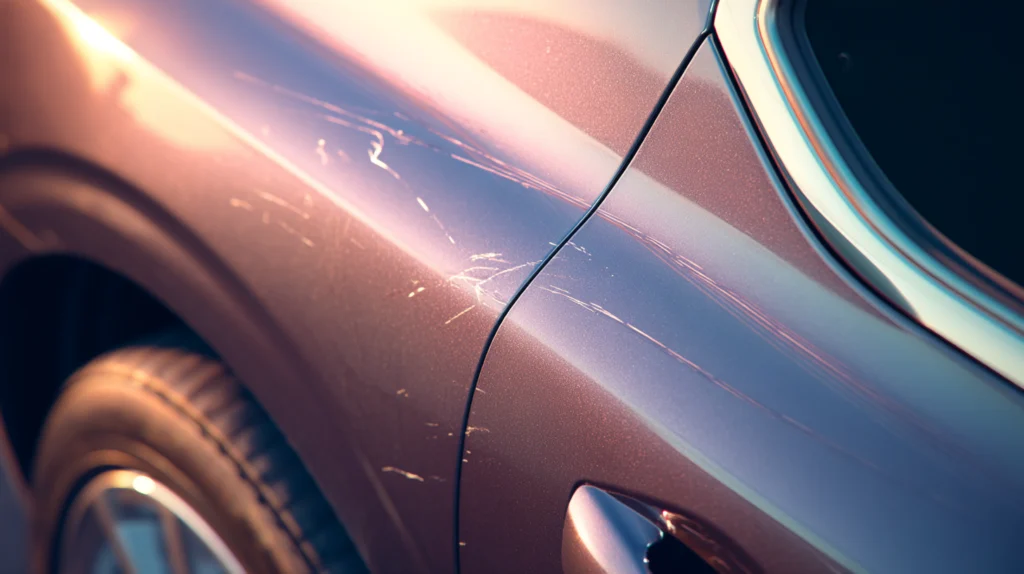
Every modern paint job used in the automotive industry follows a layered structure designed to provide durability and visual depth. Automotive paint systems typically include multiple layers that work together to create the final appearance of the vehicle’s paint.
What Signs Indicate a Bumper Needs Replacement Rather Than Repair?
The bumper on a modern vehicle is designed to absorb energy during a collision and protect important structural components. It is not just a decorative panel. A bumper system typically includes a painted bumper cover, an absorber, a reinforcement bar, mounting brackets, and integrated sensors. Each component works together to protect the vehicle and its passengers.
What Should You Expect at Each Stage of Collision Repair Planning?
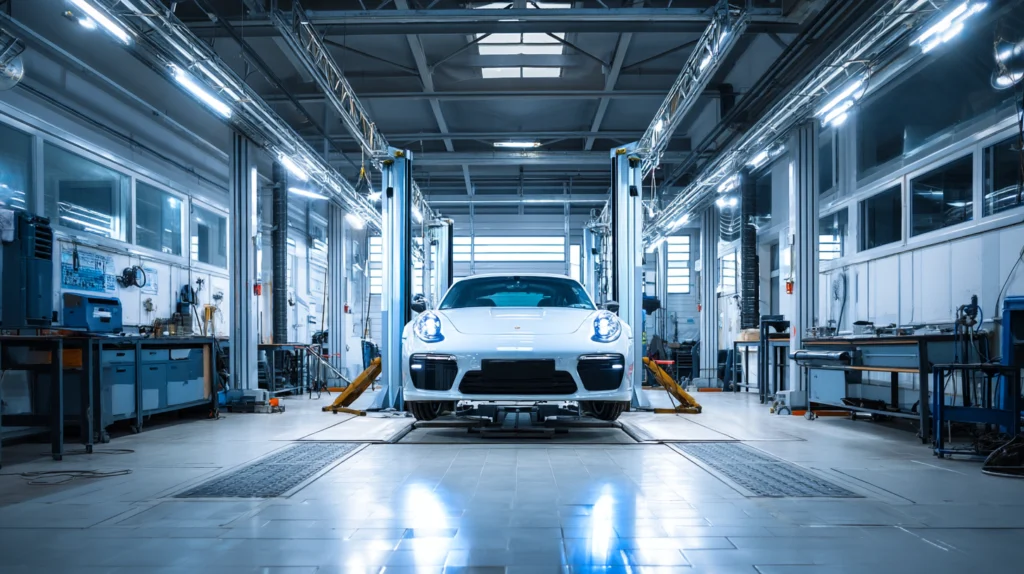
From the initial assessment to final inspection, every step of the auto body repair process is designed to protect the vehicle’s structural integrity and ensure high quality repairs. This guide will walk through each stage of the collision repair process so vehicle owners know exactly what to expect from start to finish.
What Safety Systems Are Inspected During Full Collision Repair?
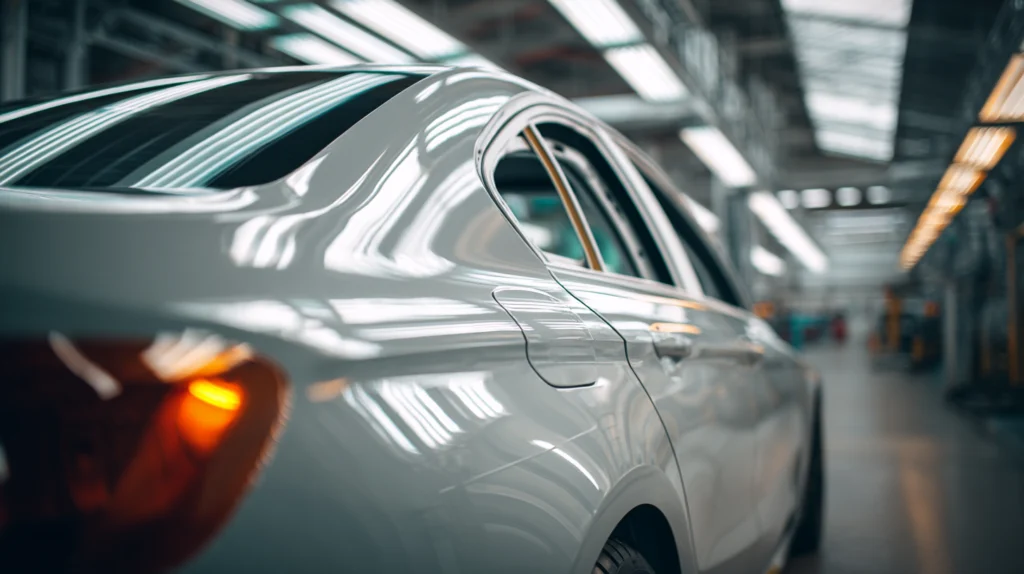
At a trusted collision center, the repair process focuses on restoring structural integrity, verifying electronic systems, and completing the necessary repairs that return the vehicle to pre accident condition. A professional collision repair shop evaluates everything from airbag systems to steering components so the vehicle performs safely during normal driving and in the event of future accidents.
What Precision Requirements Must a Shop Meet for Accurate Calibration?
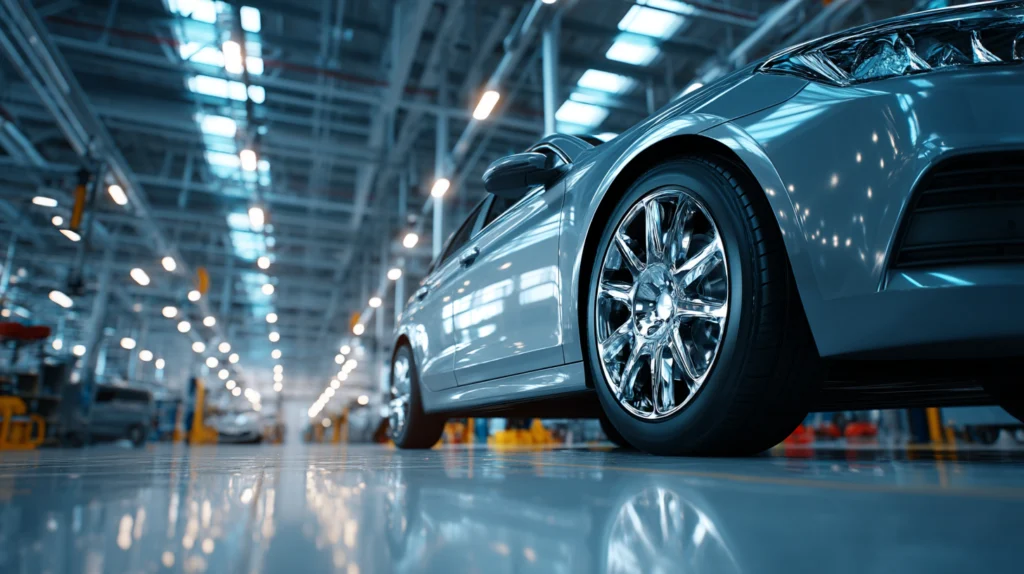
The answer involves far more than connecting a scan tool. Accurate calibrations require controlled environmental conditions, calibrated equipment, documented calibration procedures, traceable measurements, and strict adherence to quality standards. A professional shop must also maintain an effective calibration program that supports measurement integrity, regulatory compliance, and reliable equipment performance. In this guide, we will explain the standards, equipment, and processes required to ensure the calibration process delivers consistent results and protects vehicle safety.
What Does a Full Vehicle Diagnostic Scan Check for After an Accident?
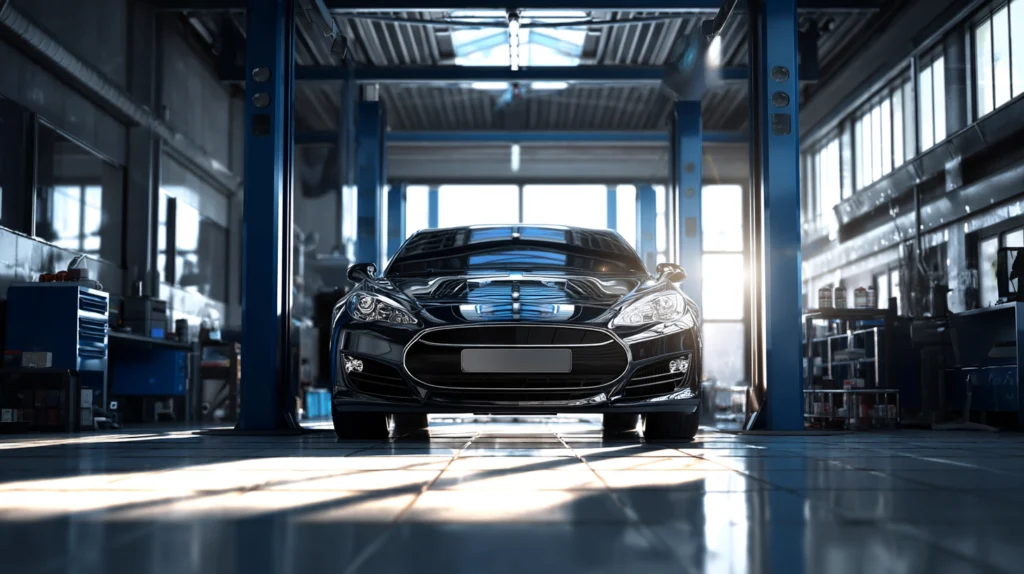
Most modern vehicles rely on complex electronics to control safety systems, engine operation, transmission behavior, and other vital functions. So, what does a full vehicle diagnostic scan check for after an accident? It looks for error codes or fault codes stored within the vehicle’s onboard computer system that reveal issues affecting critical components.