
Does Bumper Damage Affect Vehicle Safety Systems?
Modern vehicles are built with safety in mind from the ground up, but many car owners still underestimate the role the bumper plays in overall vehicle safety. At ReLux Collision, we regularly answer the same question after an accident or parking lot impact, does bumper damage affect vehicle safety systems. In today’s automotive industry, the answer is absolutely yes. The bumper serves a much larger purpose than protecting a vehicle’s exterior or preserving the car’s appearance. It supports safety systems, structural components, and advanced technology designed to protect occupants and reduce safety risks. Understanding how bumper damage occurs and why proper repair matters can help drivers avoid future accidents, costly repairs, and compromised vehicle safety.
Why Modern Bumpers Are No Longer Just Cosmetic
How bumper design has changed in recent years
Modern bumper design has evolved alongside advanced safety systems. Older bumpers focused primarily on absorbing impact to protect the vehicle’s frame during low speed collisions. Modern bumpers are engineered systems that integrate energy absorbers, bumper covers, and mounting points for safety sensors. These changes allow modern vehicles to better protect passengers while supporting critical components and safety systems that help prevent collisions altogether.
What’s hidden behind your bumper cover
Behind the bumper cover, you may find radar sensors, camera systems, ultrasonic sensors, brackets, and wiring. These components support vehicle safety systems such as adaptive cruise control, forward collision warning, lane departure warning, and automatic braking. Even minor bumper damage can shift these critical components out of alignment, creating safety hazards that are not visible from the outside. Additionally, damage to the vehicle’s body near the bumper or to auto glass can also affect overall safety system performance.
Which Safety Systems Can Be Affected by Bumper Damage
Forward facing safety systems in the front bumper
The front bumper often houses radar sensors that support advanced driver assistance systems. These include adaptive cruise control, forward collision warning, and automatic braking. When bumper damage occurs, the radar sensors may not transmit or receive signals correctly. This affects the vehicle’s ability to detect obstacles, slow traffic, or sudden stops, which directly impacts vehicle safety.
Rear and corner mounted safety systems
Rear bumpers and bumper corners commonly support blind spot monitoring, cross traffic alert, parking sensors, and camera systems. A damaged or misaligned bumper in these areas can reduce accuracy or disable safety features altogether. These safety systems are designed to protect passengers and other drivers, especially in low speed or reversing situations.
Why low speed impacts can still cause problems
Minor bumper damage from a parking lot incident or low speed collision can still result in structural damage to brackets or mounts. Even small shifts in position can affect safety sensors and the vehicle’s safety features. Modern vehicles rely on precision, and even minor bumper damage can affect safety more than drivers expect.
Can Minor Bumper Damage Really Cause Safety System Issues
Why warning lights do not always appear
Many drivers assume that if no dashboard light appears, the vehicle’s safety systems must be working properly. In reality, safety systems can be impaired without triggering a warning. A damaged bumper affect may include reduced sensor range or delayed response times that are only detectable through diagnostic scans.
Real world examples after minor collisions
At our collision repair center, we often see vehicles with a cracked bumper, scratched paint, or a broken bumper that still drive normally. Diagnostic scans reveal hidden issues such as sensor misalignment or communication errors. Even minor bumper damage can reduce a car’s safety features without obvious signs.
How Improper Bumper Repairs Can Make Things Worse
Why shortcuts and aftermarket parts can be risky
Improper repairs and diy repairs can create serious safety risks. Using fillers, reinforcement tape, or aftermarket bumper covers may change thickness and interfere with radar sensors. These shortcuts may lower repair costs initially but often lead to expensive repairs later.
Paint thickness and radar transparency
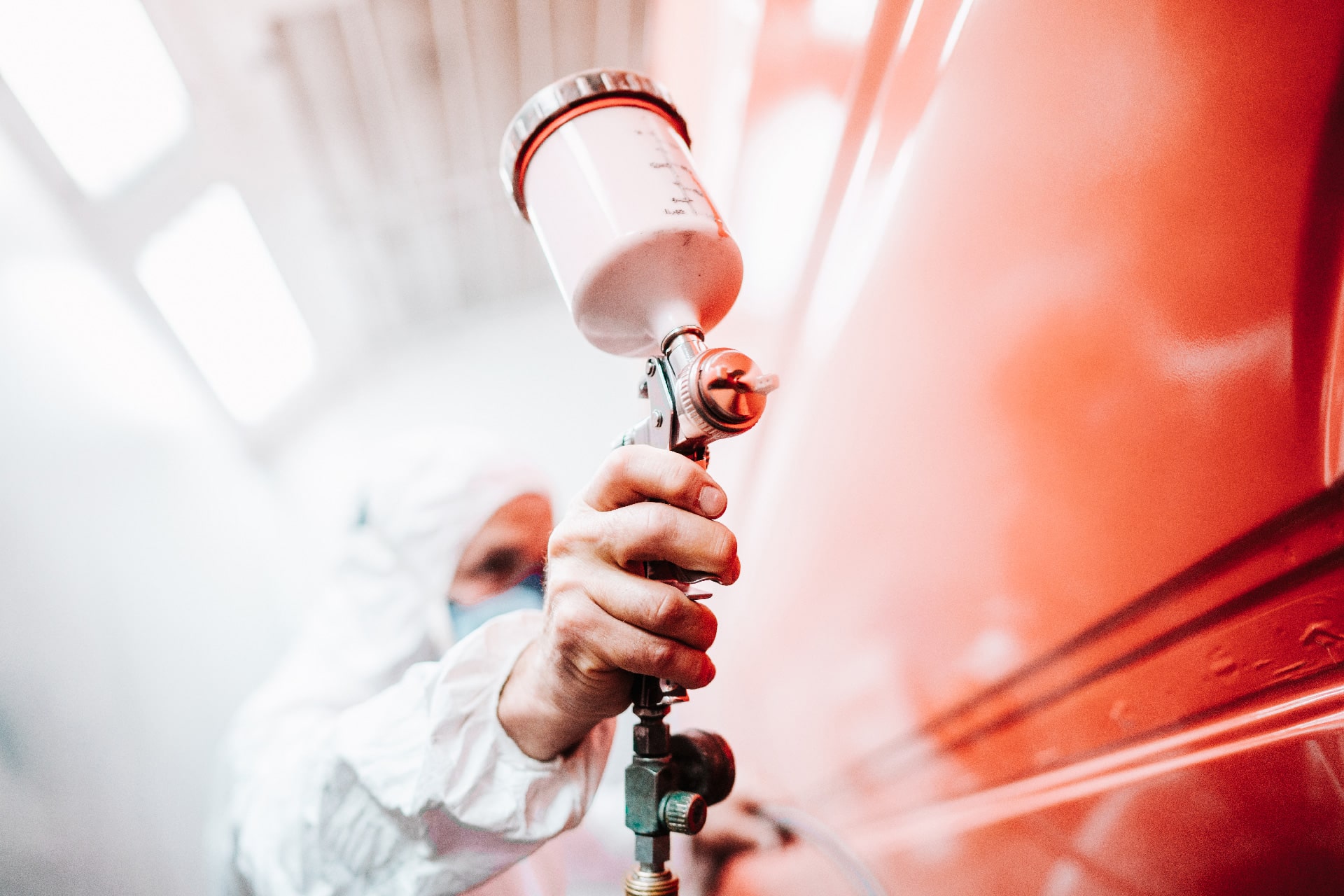
Car’s paint plays an important role in how radar sensors function. Excessive paint thickness can weaken radar signals. Modern bumpers are designed with specific materials and coatings, and improper refinishing can affect safety features like adaptive cruise control and forward collision warning.
The risk of skipping calibrations
After bumper repair, safety systems often require calibration. Skipping this step can affect safety by causing delayed responses or false alerts. Proper repair includes calibration to restore the vehicle’s safety systems to factory standards.
The Role of Diagnostic Scans and ADAS Calibration After Bumper Damage
What a pre repair diagnostic scan does
Pre repair scans identify hidden issues within vehicle safety systems. They detect faults in radar sensors, camera systems, and airbag systems. This step ensures that collision repair addresses all safety concerns, not just visible damage.
Why post repair scans and calibrations matter
Post repair scans verify that advanced safety systems are working correctly after repairs. Calibrations restore alignment and functionality so the vehicle’s safety features can protect occupants as intended.
Static vs dynamic calibration explained simply
Static calibration uses targets and controlled environments, while dynamic calibration requires driving under specific conditions. Many modern vehicles require both to ensure advanced driver assistance systems function correctly.
Insurance Claims, Bumper Damage, and Safety Systems
Why initial estimates may miss critical steps
Insurance claims often begin with visual inspections. Because bumper damage may hide structural damage or sensor issues, scans and calibrations are sometimes omitted initially. This can delay proper repair.
What drivers should advocate for
Car owners should advocate for proper repair methods that follow manufacturer guidelines. This includes scans, calibrations, and OEM parts when required.
How Re Lux Collision helps with the process
Our repair center works with your insurance company to document required procedures and explain why they are necessary. We help ensure that safety systems are restored properly, not overlooked.
How Re Lux Collision Approaches Bumper Repairs Differently
An OEM first repair philosophy
We prioritize proper repair using manufacturer procedures. This approach protects the vehicle’s structural integrity and ensures safety systems function correctly.
Technology combined with craftsmanship
Collision repair today requires modern equipment, advanced diagnostics, and skilled technicians. We combine technology with craftsmanship to deliver safe, reliable results.
Safety before speed
Delayed bumper repairs or rushed repairs increase safety hazards. We focus on timely repairs that restore vehicle safety and prevent future accidents.
Warning Signs After a Bumper Impact You Should Not Ignore
Visual signs to watch for
Cracked bumper edges, misaligned bumper gaps, scratched paint, or loose trim may indicate deeper issues within the vehicle’s bumper and structural components.
Changes in how your vehicle drives
Unexpected braking, inconsistent alerts, or reduced performance from adaptive cruise control may signal damaged safety systems.
When to have your vehicle inspected immediately
Any bumper damage, even minor bumper damage, should be inspected promptly to avoid compromised structural integrity and future collisions.
Frequently Asked Questions About Bumper Damage and Safety Systems
Does bumper damage always require calibration
Not every bumper repair requires calibration, but many do. The need depends on sensor location, damage severity, and manufacturer requirements.
Can I drive safely with bumper damage
Driving with a damaged bumper may seem fine, but it can affect safety systems and increase safety risks. An inspection is the safest choice.
Will my safety systems still work if the bumper looks fine
Not always. Even minor bumper damage can affect safety sensors without visible signs.
Are aftermarket bumpers safe with ADAS systems
Aftermarket parts may not meet OEM standards for sensor placement or material thickness, which can affect safety.
Does insurance cover scans and calibrations
When required for proper repair, scans and calibrations are often approved as part of insurance claims.
Final Takeaway Why Bumper Damage Should Never Be Ignored
Bumper damage is not just about a vehicle’s exterior or cosmetic appearance. Modern bumpers support critical safety systems that protect passengers and reduce the risk of future accidents. Minor bumper damage, delayed repairs, and improper repairs can all compromise vehicle safety and lead to costly repairs down the road. A professional bumper repair performed at a qualified collision repair center and repair shops helps preserve structural integrity, restore advanced safety systems, and protect occupants. If your bumper has been damaged, timely repairs are the best way to ensure your vehicle’s safety features continue to work as designed.