
Does Bumper or Sensor Replacement Trigger ADAS Calibration?
If you are driving one of today’s modern vehicles, there is a strong chance it relies on advanced safety technology to help protect you every time you are on the road. After an accident or repair, one of the most common questions we hear is, does bumper or sensor replacement trigger ADAS calibration. In most cases, the answer is yes, and understanding why matters for your safety, your vehicle’s performance, and your peace of mind. At Relux Collision, we handle collision repair every day, and we see firsthand how even minor repairs can affect critical systems. This article explains when calibration is required, how it works, and why proper calibration is a crucial step in restoring your vehicle to factory specifications.
What Is ADAS and Why Calibration Matters After a Collision
Advanced driver assistance systems are designed to support the driver and reduce the risk of accidents. These driver assistance systems ADAS rely on a network of cameras, radar, and sensors working together in real time. When a vehicle is involved in a collision, even minor fender benders, these systems can be affected in ways that are not visible.
What ADAS Controls in Modern Vehicles
ADAS systems support many of the safety features drivers rely on every day. These include adaptive cruise control, automatic emergency braking, forward collision warning systems, lane keeping, blind spot monitoring, rear cross traffic alert, parking assistance, adaptive headlights, and object detection around the vehicle. All of these ADAS features depend on accurate data from sensors and cameras.
How ADAS Sensors and Cameras Work Together
ADAS sensors include radar sensor units, rear radar sensors, ultrasonic sensors, lidar sensors in some models, and multiple camera sensors. ADAS cameras are often facing camera sensors mounted near the windshield or grille area. These components are typically mounted in precise locations and angles. Sensor orientation, sensor positioning, and sensor alignment must remain within factory standard positions for the system to function correctly.
Why Calibration Is a Safety Requirement
Calibration restores ADAS technology to factory specifications after repairs. A sensor that is slightly misaligned can misjudge distance or speed. That affects sensor accuracy and system performance. Proper calibration ensures crucial safety features operate as intended and meet safety standards, which directly impacts driver safety and vehicle safety.
Does Bumper Replacement Require ADAS Calibration
Bumper repair and replacement are among the most common reasons vehicles require calibration.
Why Modern Bumpers Are No Longer Simple Parts
Bumper covers on modern vehicles often conceal important components. Forward radar sensors, a radar unit for adaptive cruise control, ultrasonic sensors for parking assistance, and brackets that hold ADAS sensors are frequently located behind or within bumper assemblies. Removing or reinstalling these parts can affect sensor alignment.
ADAS Components Commonly Located in or Behind the Bumper
Forward radar sensors used for forward collision warning and adaptive cruise control are typically mounted behind the front bumper. Rear radar sensors used for blind spot detection and rear cross traffic alert are often near the rear bumper. Ultrasonic sensors are embedded directly into bumper covers. Any bumper repair can affect sensor orientation and require calibration.
OEM Guidance on Bumper Repairs
Most manufacturers state that calibration is required when a bumper is removed, replaced, or repaired near ADAS components. Even if the radar sensor or camera sensors are not replaced, the act of removing the bumper can affect sensor alignment and require calibration under OEM procedures.
When Bumper Work Almost Always Requires Calibration
Calibration is usually required when bumper covers are replaced, when a radar sensor or ADAS module is removed or unplugged, when brackets are replaced, or when structural repairs are performed nearby. In collision repair, these situations are very common.
Does Sensor Replacement Trigger ADAS Calibration
Sensor replacement always requires calibration.
Why Sensor Replacement Demands Calibration
Each ADAS sensor must be electronically aimed and aligned to the vehicle’s reference points. When a new radar sensor, camera sensor, or ultrasonic sensor is installed, the vehicle’s computer must relearn its position. ADAS sensor calibration ensures the new component matches factory specifications.
Sensors That Require Calibration When Replaced
Radar sensors, rear radar sensors, forward radar sensors, lidar sensors, ultrasonic sensors, and camera sensors all require calibration after replacement. ADAS cameras used for lane keeping and forward collision warning also require precise calibration to read lane markings correctly.
Risks of Skipping Calibration After Sensor Replacement
Without calibration, ADAS systems may not function correctly. You may experience false alerts, delayed braking from automatic emergency braking, or blind spot monitoring that fails to detect nearby vehicles. These issues can create liability issues and compromise vehicle safety.
Static vs Dynamic ADAS Calibration
Not all calibration is the same. Manufacturers specify static calibration, dynamic calibration, or both.
Static Calibration Explained
Static calibration is performed in a controlled environment inside the body shop. The vehicle is placed on a level floor, often on an alignment rack, and positioned at exact distances from reflective surfaces or targets. Lighting, measurements, and steering wheel position matter. This process uses an ADAS calibration tool and electronic aiming to align sensors precisely.
Dynamic Calibration Explained
Dynamic calibration is performed on the road. During the dynamic calibration process, the vehicle is driven at certain speeds while the system reads lane markings, traffic patterns, and surroundings. The dynamic calibration process requires specific conditions and is not just a casual drive.
Why Some Vehicles Require Both
Many modern vehicles require both static calibration and dynamic calibration to meet factory specifications. One process verifies physical alignment, while the other confirms real-world performance.
Repairs That Commonly Trigger ADAS Calibration Even Without Sensor Replacement
Calibration is often required after repairs that do not involve replacing sensors.
Bumper Repair or Replacement
As discussed, bumper repair frequently affects sensor positioning and require calibration.
Windshield Replacement and Glass Replacement
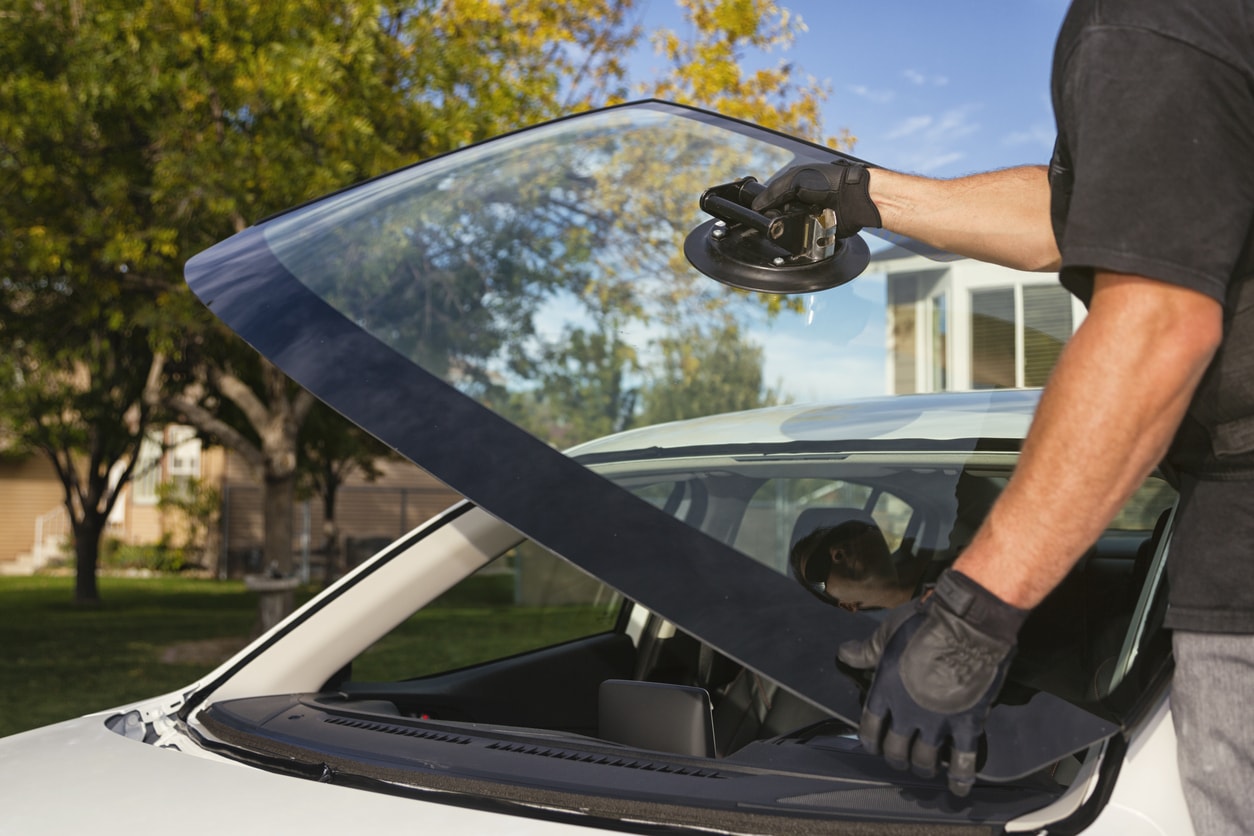
Windshield replacement and other glass replacement can disturb facing camera sensors mounted to the glass. These cameras control lane keeping, forward collision warning, and automatic emergency braking, and they require calibration afterward.
Wheel Alignment and Suspension Work
Wheel alignment changes the relationship between the road and the vehicle. Steering angle sensors and suspension geometry changes can affect sensor alignment and require calibration.
Structural and Frame Repairs
Structural repairs can change vehicle geometry. Even small shifts can affect sensor orientation, which is why structural repairs often require calibration.
Paint and Refinish Work Near Sensors
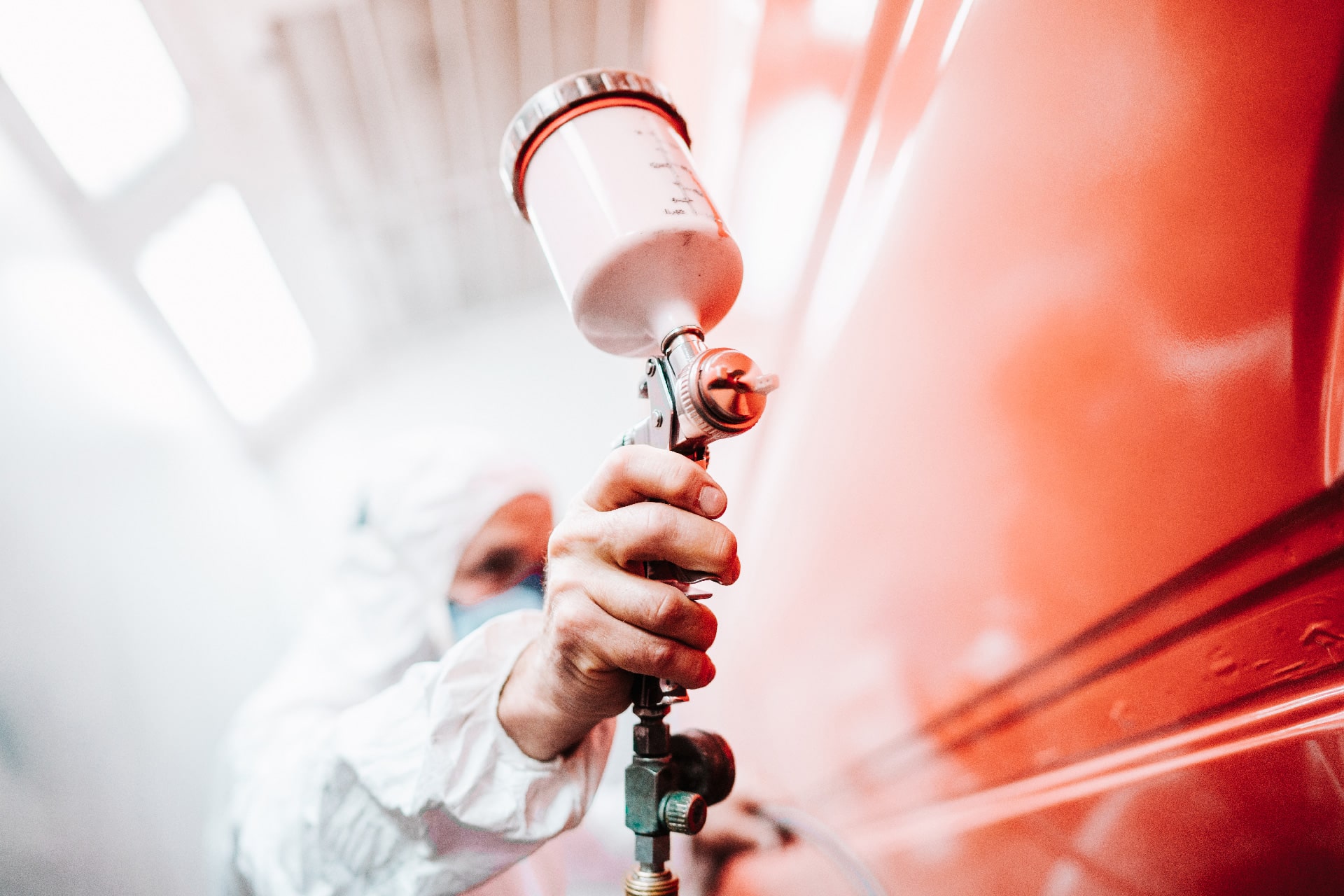
Paint thickness and refinishing near sensors can interfere with sensor accuracy and object detection depending on design.
Manufacturer Requirements in Today’s Vehicles
Vehicle manufacturers continue to tighten requirements as ADAS technology becomes more advanced.
Importance of OEM Procedures
OEM procedures define how a vehicle must be repaired to meet safety standards. Following these procedures ensures the vehicle meets factory specifications and functions correctly.
Why a Scan Alone Is Not Enough
An ADAS scan tool or scan tool may show no fault codes, but that does not confirm sensor alignment. Calibration is a physical and electronic process, not just a diagnostic check.
How Professional Repair Facilities Stay Compliant
Reputable repair facilities perform pre-repair scans, post-repair scans, and follow the full calibration process using approved equipment to verify proper calibration.
Insurance, Calibration, and Responsibility
Calibration is a necessary part of proper repair.
Insurance Coverage for Calibration
ADAS recalibration is typically covered when it is required to restore vehicle safety after a collision.
Why Calibration Cannot Be Skipped
Skipping calibration can lead to safety risks and liability issues. Proper calibration ensures ADAS features work as designed.
How Relux Collision Supports the Process
Our team documents requirements and ensures calibration is completed correctly as part of the collision repair.
How Relux Collision Performs ADAS Calibration
Precision matters when restoring safety systems.
In-House Calibration Capabilities
We use a controlled environment, a level floor, proper targets, and manufacturer-approved equipment for calibration.
Our Calibration Process
Our calibration process includes scanning with an ADAS scan tool, performing static calibration or dynamic calibration as required, verifying sensor accuracy, and confirming system performance.
Why This Matters to You
Proper calibration ensures safety features function correctly and restores confidence in your vehicle.
How to Tell If Your Vehicle Needs Calibration After Repairs
Drivers should stay informed.
Questions to Ask Your Body Shop
Ask whether calibration was performed, whether OEM procedures were followed, and whether documentation is available.
Warning Signs of Improper Calibration
Dashboard warnings, disabled ADAS features, or inconsistent alerts can indicate calibration was skipped.
Frequently Asked Questions About ADAS Calibration
Does every bumper replacement require calibration
Most modern vehicles require calibration after bumper replacement.
Can a vehicle drive normally without calibration
It may drive normally, but safety features may not function correctly.
How long does calibration take
Calibration time varies based on the vehicle and required procedures.
Is calibration needed after minor fender benders
Yes, minor fender benders can still affect sensor alignment.
Can calibration be done without special tools
No, proper calibration requires specialized tools and a controlled setup.
Will my vehicle pass inspection without calibration
Passing inspection does not guarantee ADAS systems meet factory specifications.
Final Takeaway on ADAS Calibration and Safety
Today’s vehicles rely heavily on ADAS systems to protect drivers. After bumper repair, sensor replacement, windshield replacement, wheel alignment, or structural repairs, calibration is often required to restore safety systems to factory standard positions. Proper calibration protects vehicle safety, driver safety, and ensures advanced driver assistance systems perform as designed.If your vehicle has been in an accident or needs repair, trust a body shop that understands the importance of precise calibration. Contact Relux Collision to schedule an inspection or get your free estimate and ensure your vehicle is repaired with care, accuracy, and safety at the forefront.