
Does Paint Repair Require Color Matching Technology for OEM Look?
Does paint repair require color matching technology for OEM look is one of the most important questions vehicle owners ask after an accident or cosmetic damage. The concern is understandable. A poor paint repair is obvious, frustrating, and can affect how you feel about your entire car. Today’s vehicles use complex automotive paint systems, and achieving a seamless result is no longer about guessing or eyeballing a shade. It requires professional paint matching, advanced tools, and experienced technicians who understand how paint behaves in the real world. In this article, we explain why modern paint matching technology is essential, how the process works, and what truly delivers a factory-quality final appearance.
What Does OEM Look Really Mean in Auto Paint Repair
An OEM look means the repaired area matches the car’s original paint as closely as possible in color, gloss, texture, and depth. The goal is for the repair to disappear so the rest of the car looks untouched. A true OEM-level result should look consistent in natural sunlight, direct sunlight, shade, and indoor lighting conditions. It should not stand out from different angles or appear darker, lighter, or flatter than the surrounding panels. This level of precision matters because even subtle differences can draw the eye and reduce confidence in the repair.
Why Paint Repair Is More Complex Than Picking a Color
Modern Automotive Paint Is Multi Layered
Automotive paint is made up of multiple layers that work together to create the final color and finish. These layers typically include primer, base color, metallic or pearl layers when applicable, and clear coat. Each layer affects how light bounces off the car’s surface. Because of these multiple layers, matching paint is not just about choosing the same color name. The thickness of the clear coat, the orientation of metallic flakes, and the way the paint is applied all influence the final appearance.
Environmental Factors That Change Paint Over Time
Paint does not stay the same forever. Environmental exposure such as sun exposure, uv exposure, rain, pollution, and washing habits causes gradual paint fading. Old paint and faded paint often look different from new paint straight out of the mixing system. Panels that receive more sun exposure, like the hood or trunk lid, may fade faster than doors or areas near the door jamb. This is why relying only on paint codes without adjusting for real-world conditions often leads to color variations.
Does Paint Repair Require Color Matching Technology
Yes, paint repair requires color matching technology to achieve an OEM look. Manual mixing and visual matching alone cannot account for how light interacts with modern automotive paint. The human eye is influenced by lighting conditions, reflections, and nearby colors. Modern paint matching technology removes this guesswork by measuring color scientifically. It allows professional auto body shops to create an exact paint formula that reflects the vehicle’s current condition, not just its original specification.
What Is Color Matching Technology in Auto Body Repair
Paint Codes and Factory References
Every vehicle comes with manufacturer paint codes, often tied to the vehicle’s VIN. The vehicle’s factory paint code or factory paint code identifies the color used when the car was built. Paint codes and the OEM paint code provide a critical starting point. However, the vehicle’s factory paint code alone does not guarantee an exact match because factory paint can vary between production runs and changes over time.
Spectrophotometers and Digital Scanning
Modern body shops use advanced scanning tools to analyze the vehicle’s paint. These tools measure how light reflects from the car’s surface and how light bounces across the existing finish. By capturing data from different angles and under a controlled light source, the system identifies subtle differences that the eye may miss. This information is used to create a more precise color match that aligns with the car’s original paint color as it exists today.
Computerized Mixing and Adjustments
Once scan data is collected, software generates an exact paint formula. This process supports professional color matching and consistent results. The system allows technicians to fine-tune the paint color before application, helping match paint accurately across panels. This is a key part of modern paint matching technology and one reason professional auto body shops deliver better results than outdated methods.
Why OEM Level Paint Repair Is Nearly Impossible Without Technology
Metallic and Pearl Finishes
Many vehicles use metallic, pearl, or tri coat finishes. These finishes reflect light differently depending on how they are applied. Slight variations in flake orientation can cause the same color to look different from different angles. Without technology to analyze these variables, it is extremely difficult to perfectly match the factory finishes found on modern vehicles.
Matching Adjacent and Surrounding Panels
A good paint repair must blend into adjacent panels and surrounding panels. Even if the repaired panel looks good on its own, it can still appear wrong next to the rest of the car. Technology helps determine how much blending is needed and where to apply it so the repair flows naturally across the entire vehicle rather than stopping abruptly.
The Role of Skilled Technicians in Paint Matching
Technology is essential, but it is only part of the equation. Skilled painters and skilled technicians interpret scan data and apply paint correctly. Skilled professionals understand paint application, spray technique, and how different lighting conditions affect perception. They know when to adjust a formula slightly and how to use blending techniques to eliminate visible edges. Professional paint matching depends on both advanced tools and human expertise working together.
What Happens When a Shop Skips Proper Color Matching Technology
When a body shop skips modern color matching tools, the results are often disappointing. Common issues include mismatched panels, uneven gloss, and visible transitions. The paint job may look acceptable indoors but appear wrong in direct sunlight or natural sunlight. These problems can affect the vehicle’s resale and overall satisfaction. Cutting corners in the repair process often leads to redo work and higher long-term costs.
How Professional Shops Achieve a Factory Like Finish
The OEM Style Repair Process
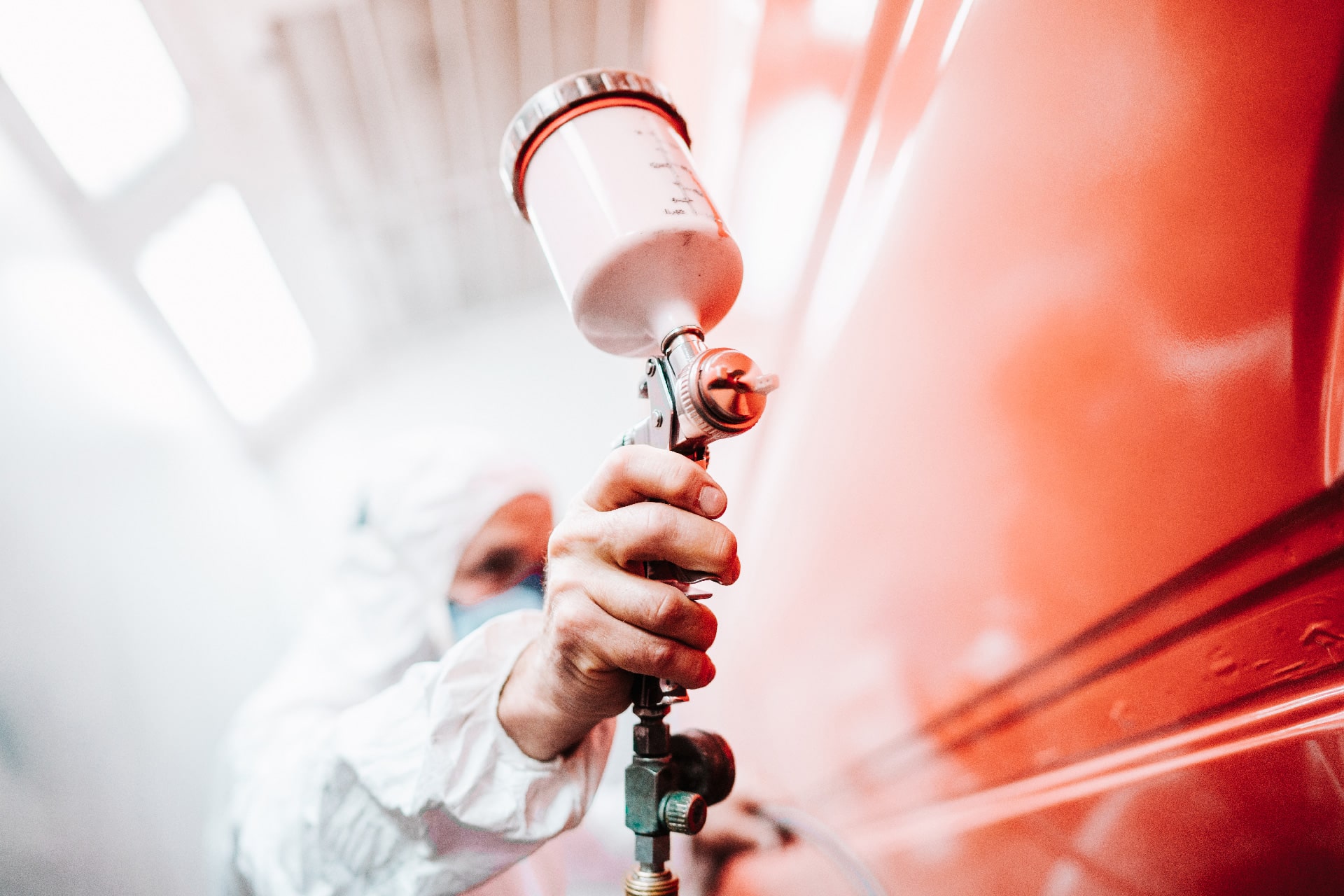
Professional auto body shops follow a structured repair process to achieve consistent results. The process typically includes identifying the vehicle’s paint, scanning the car’s surface, creating test panels, and adjusting the color as needed. Test panels allow technicians to evaluate color match under different light sources before painting the vehicle. Blending techniques are then used to transition the new paint into the rest of the car, ensuring a smooth final appearance.
Blending techniques are critical and may be used across multiple areas, including doors, fenders, or even the trunk lid. These techniques help avoid harsh lines and allow the new paint to flow naturally into old paint. Proper blending techniques are one of the most important factors in achieving a perfect match.
Does Insurance Cover Color Matching Technology
In most cases, insurance companies expect repairs to restore the vehicle to its pre-accident condition. That includes paint quality. Color match accuracy is considered a standard part of professional auto body repair. Reputable shops work with insurers to ensure professional paint matching is included without sacrificing quality or corrosion protection.
How to Tell If a Body Shop Uses Proper Color Matching Technology
When choosing a body shop, ask how they approach paint matching. Professional shops should be able to explain their process clearly. Look for modern body shops that use advanced technology, test panels, and blending techniques. A shop committed to precise color matching will focus on matching the car’s original color and ensuring the repair blends seamlessly with the entire car.
Why Color Accuracy Impacts Vehicle Value
Paint quality directly affects resale value. Buyers and appraisers look for color consistency across the whole car. Mismatched paint can raise concerns about prior damage or poor repairs. A professional color match helps protect resale value and maintains confidence in the vehicle’s condition. Accurate paint also supports long-term durability and corrosion protection, which matters for the life of the car.
Why Relux Collision Prioritizes Precision Paint Matching
At Relux Collision, we believe paint matching should never be an afterthought. We use modern paint matching technology, professional color matching methods, and skilled technicians to deliver consistent results. Our focus is on achieving a perfect color matching outcome that blends seamlessly with the rest of the vehicle. From identifying the correct paint color and factory references to applying advanced blending techniques, every step is designed to restore the vehicle to its best possible condition.
Frequently Asked Questions About Paint Repair and Color Matching
Can paint be matched without technology
Basic matching is possible, but achieving an exact match without technology is unreliable. Professional paint matching tools significantly improve accuracy.
Why does paint look different in sunlight
Different lighting conditions change how light reflects off paint. That is why matching paint must be evaluated under multiple light sources.
Will repaired paint fade differently
When quality materials and proper techniques are used, new paint ages consistently with the existing finish.
Is bumper paint harder to match
Yes, bumpers are often plastic and reflect light differently than metal panels, making color match more challenging.
How long does professional paint matching take
The scanning and mixing process is efficient, but proper curing and inspection take time to ensure quality.
Final Takeaway OEM Paint Results Require Precision
Achieving an OEM look is about more than applying paint. It requires modern paint matching technology, skilled painters, and a detailed repair process focused on accuracy. When paint is matched correctly, the repair blends into the surrounding areas, looks consistent from different angles, and protects the vehicle’s resale value. Choosing a body shop that prioritizes professional paint matching is the best way to ensure your car looks right again, not just repaired, but restored.