
How Does Professional Bumper Repair Process Work?
Bumper damage is one of the most common issues vehicle owners face. From parking lot mishaps to road debris and minor impacts with other vehicles, a damaged bumper can affect both safety and your car’s appearance. Many drivers ask the same question, how does professional bumper repair process work, and whether fixing the bumper is really necessary. The truth is that modern bumpers play a major role in vehicle protection, and proper repair matters more than most people realize.This complete guide explains the professional bumper repair process from start to finish. It walks through how auto body shops inspect damage, choose the right repair method, restore plastic bumpers, and return the vehicle to safe driving condition. Understanding this repair process helps you make the best course of action when bumper damage occurs.
Why Bumper Damage Should Never Be Ignored
Bumper damage often looks minor at first, especially when scratches or small dents appear. However, car bumpers are designed to absorb impact and protect internal components. Even minor damages can weaken the bumper’s integrity and reduce its ability to perform its bumper functions during a future collision.Modern bumpers are engineered to manage energy from minor impacts and help protect safety features like sensors and mounting points. Ignoring bumper damage can lead to structural damage, misaligned mounting points, or issues with safety standards. Addressing damage early helps avoid extensive damage, higher repair costs, and safety considerations later.
What Modern Car Bumpers Are Made Of
Common Bumper Materials in Today’s Vehicles
Most modern bumpers are made from plastic rather than metal. Plastic bumpers use materials such as polypropylene, ABS plastic, and sometimes carbon fiber blends. These plastic parts are lightweight and flexible, which helps absorb impact energy during collisions.
Why Material Type Determines the Repair Method
Plastic bumpers react differently to heat, fillers, and paint. Knowing the exact plastic type allows trained technicians to select the correct repair method. Using improper techniques can compromise the bumper’s structural integrity or cause adhesion failure. Professional bumper repair always begins with identifying the bumper material to ensure a long lasting repair.
Step 1 | Professional Bumper Damage Assessment
Visual Inspection and Surface Evaluation
The bumper repair process begins with a detailed inspection. Skilled technicians examine scratches, small cracks, small dents, minor dents, and other visible damage. They evaluate the damaged area to determine whether the bumper can be repaired or if bumper replacement is required.
Hidden Damage and Structural Checks
Behind the bumper cover are internal components that may be affected even during minor impacts. Technicians inspect impact absorbers, brackets, and mounting points. Damage to these areas can compromise the bumper’s ability to protect the vehicle.
Sensor and Safety System Evaluation
Many car bumpers house safety features like parking sensors. A professional repair shop checks these systems to ensure they function correctly after repair work.
Step 2 | Repair vs Replacement Decision
When Bumper Repair Is the Best Option
Bumper repair is often possible when damage is limited to minor cracks, small dents, scratches, or minor issues that do not affect the entire bumper. Repair options focus on restoring strength and appearance without replacing the new bumper.
When Replacement Is Necessary
Bumper replacement becomes the best course when there are severe cracks, extensive damage, or compromised bumper’s structural integrity. In these cases, installing a new bumper is safer and more reliable.
Manufacturer Repair Guidelines
Auto body shops follow manufacturer standards and safety standards to decide between repair or bumper replacement. These guidelines protect the bumper’s integrity and vehicle safety.
Step 3 | Surface Preparation and Disassembly
Removing the Bumper When Required
For quality professional repair, technicians often remove the entire bumper. This allows access to both sides of the damaged area and supports two sided repairs when needed.
Cleaning and Paint Removal
The repair area is thoroughly cleaned to remove dirt, road debris, and contaminants. Paint is removed around the damaged area to expose bare plastic and prepare for repair work.
Precision Sanding and Repair Prep
Sanding roughens the plastic surface and helps adhesives bond properly. Adhesion promoter is applied to ensure strong bonding during the repair process.
Step 4 | Structural Bumper Repair Techniques
Plastic Welding Explained
Plastic welding is one of the most common techniques in professional bumper repair. Using controlled heat, technicians fuse cracked plastic back together. Plastic welding restores strength and flexibility and is ideal for cracked bumpers and small cracks.
Adhesive Bonding and Reinforcement
In some cases, technicians use specialized adhesives along with reinforcement mesh. Adhesion promoter is applied before bonding to ensure durability. This repair method is effective for fixing cracks and reinforcing weakened plastic.
Reinforcement Tools Used by Professionals
Auto body professionals may use hot staplers and other tools to strengthen the repair area. These techniques support plastic welding and help fix cracks while maintaining bumper’s integrity.
Step 5 | Filling, Shaping, and Smoothing the Repair
Applying Repair Fillers
Once structural repair is complete, technicians apply filler to restore surface shape. Flexible filler application is critical because plastic bumpers flex during driving. Flexible filler is designed to move with the bumper.
Precision Shaping and Contouring
The repaired area is shaped to match the original contours of the bumper. This step ensures the repaired bumper blends seamlessly with surrounding panels.
Final Surface Refinement
Multiple sanding stages smooth the repair area. This prepares the bumper for the painting process and ensures a professional finish.
Step 6 | Professional Paint Matching and Refinishing
How Color Matching Works
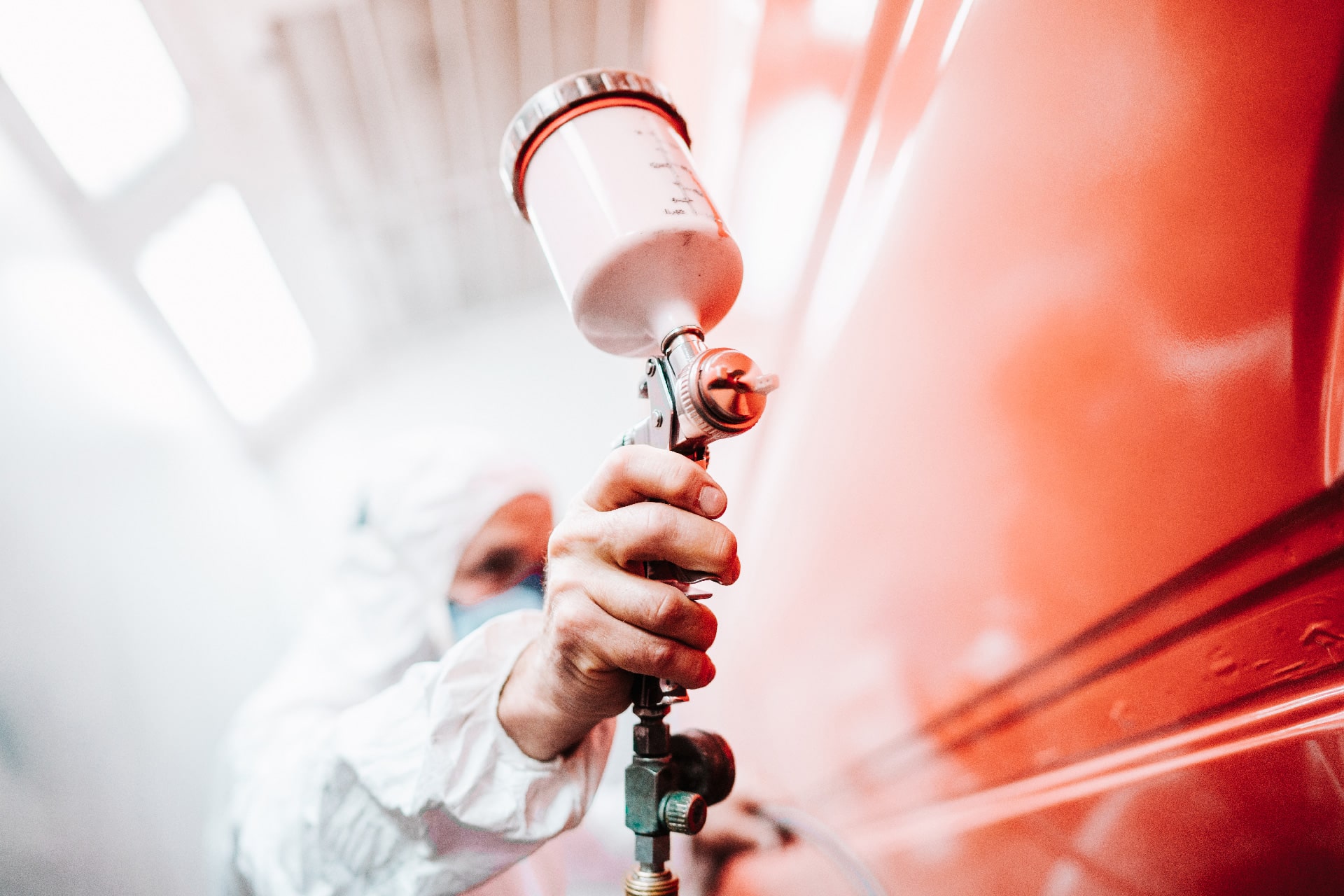
Technicians match paint using manufacturer codes to replicate the original paint job. Accurate paint matching ensures the repaired bumper does not stand out from the rest of the vehicle.
Blending Paint for Seamless Results
Paint is blended into adjacent panels when needed. This step protects the car’s appearance and ensures consistency across the entire bumper.
Clear Coat and Curing
A protective clear coat is applied to seal the new paint. The clear coat adds gloss, durability, and protection from the environment. Proper curing ensures long term results.
Step 7 | Reassembly, Calibration, and Quality Control
Reinstalling the Bumper
After painting, the bumper is reinstalled and aligned correctly. Proper alignment ensures the bumper functions as designed.
Sensor and System Recalibration
Safety features and sensors are recalibrated if necessary. This step supports safety considerations and proper vehicle operation.
Final Inspection and Road Readiness Check
A final inspection confirms the repair meets quality and safety standards. The repaired bumper is checked for fit, finish, and function.
How Long Does Professional Bumper Repair Take
Repair time depends on the severity of bumper damage, the repair method used, and whether painting is required. Minor damages and small dents may take one or two days. Extensive damage or complex repair work can take longer. Insurance coverage and parts availability may also affect timelines.
Cost Factors in Professional Bumper Repair
Repair costs depend on damage severity, material type, labor, and paint work. Bumper repair is often a cost effective solution compared to bumper replacement. Insurance coverage may help reduce out of pocket costs. A free estimate from a repair shop provides clarity before work begins.
Why Professional Bumper Repair Is Worth It
Professional services ensure proper repair, safety, and durability. Trained technicians use proven repair options to restore bumper functions and appearance. Professional repair protects the vehicle’s value and meets safety standards.
Professional Bumper Repair vs DIY Fixes
Limitations of DIY Repair Kits
DIY repairs may hide scratches or minor issues temporarily, but they rarely restore bumper’s structural integrity. DIY repairs often lack proper adhesion promoter, flexible filler, and plastic welding techniques.
Risks of Improper Repairs
Improper repairs can lead to cracking, paint failure, or safety risks. Professional bumper repair ensures the bumper’s ability to perform during future impacts.
FAQs About Professional Bumper Repair
Can cracked bumpers always be repaired
Many cracked bumpers can be repaired using plastic welding and reinforcement, but severe damage may require a new bumper.
Will my bumper look brand new after repair
Yes, professional repair restores the car’s appearance when done correctly.
Does bumper repair affect vehicle safety
Proper repair supports safety features and bumper functions.
Is repainting always necessary
Most bumper repair jobs require new paint to achieve a seamless finish.
Will insurance cover bumper repair
Insurance coverage often applies, depending on the policy and cause of damage.
Final Thoughts: Trust the Process, Trust the Professionals
Understanding how does professional bumper repair process work helps drivers make informed decisions. From inspection to final quality checks, each step protects the bumper’s integrity, safety, and appearance. When bumper damage occurs, choosing a trusted auto body repair shop ensures cost effective results and long term reliability.Get your free estimate today and let skilled technicians restore your bumper the right way.