
If you’ve recently had a bumper repair completed or received a new paint job, one of the most common questions we hear is: how long does bumper paint need to cure after repair? It’s a smart question because the difference between paint that looks good today and paint that lasts for years comes down to the curing process.
At Relux Collision, we guide every customer through what to expect after a paint job so they can protect their investment and avoid damage. While your car may be ready to drive within 24 hours, the paint itself continues to cure over time. Understanding how long paint takes to cure, and how to care for a freshly painted car, makes all the difference in achieving a durable finish.
What Does Paint Curing Actually Mean?
Drying vs Curing: What’s the Difference?
When most people think about paint, they assume once it feels dry, the job is done. In reality, drying and curing are two very different stages in the paint process.
When paint feels dry to the touch, the surface is no longer wet, but underneath it can still be soft. The curing process is when the automotive paint chemically hardens, allowing the clear coat and base layers to fully bond. This is when the paint becomes durable and resistant to damage.
During the early hours after a paint job, solvents evaporate from the paint layers. This is part of the outgassing stage, where the paint transitions from soft to fully hardened. Even though the paint feels dry within a few hours, it is not fully cured yet. Proper curing ensures the paint system reaches maximum strength and maintains a glossy finish.
Why Proper Curing Is Critical for Your Bumper
A bumper is different from other parts of your car because it is made from flexible materials. That means the paint must cure properly to remain durable and flexible at the same time. Without proper curing, the paint can crack, peel, or lose its smooth surface.
A professional auto body repair ensures the paint job is done correctly, but the curing process continues after you leave the shop. Proper curing also protects the vehicle’s finish from swirl marks, fading, and premature wear.
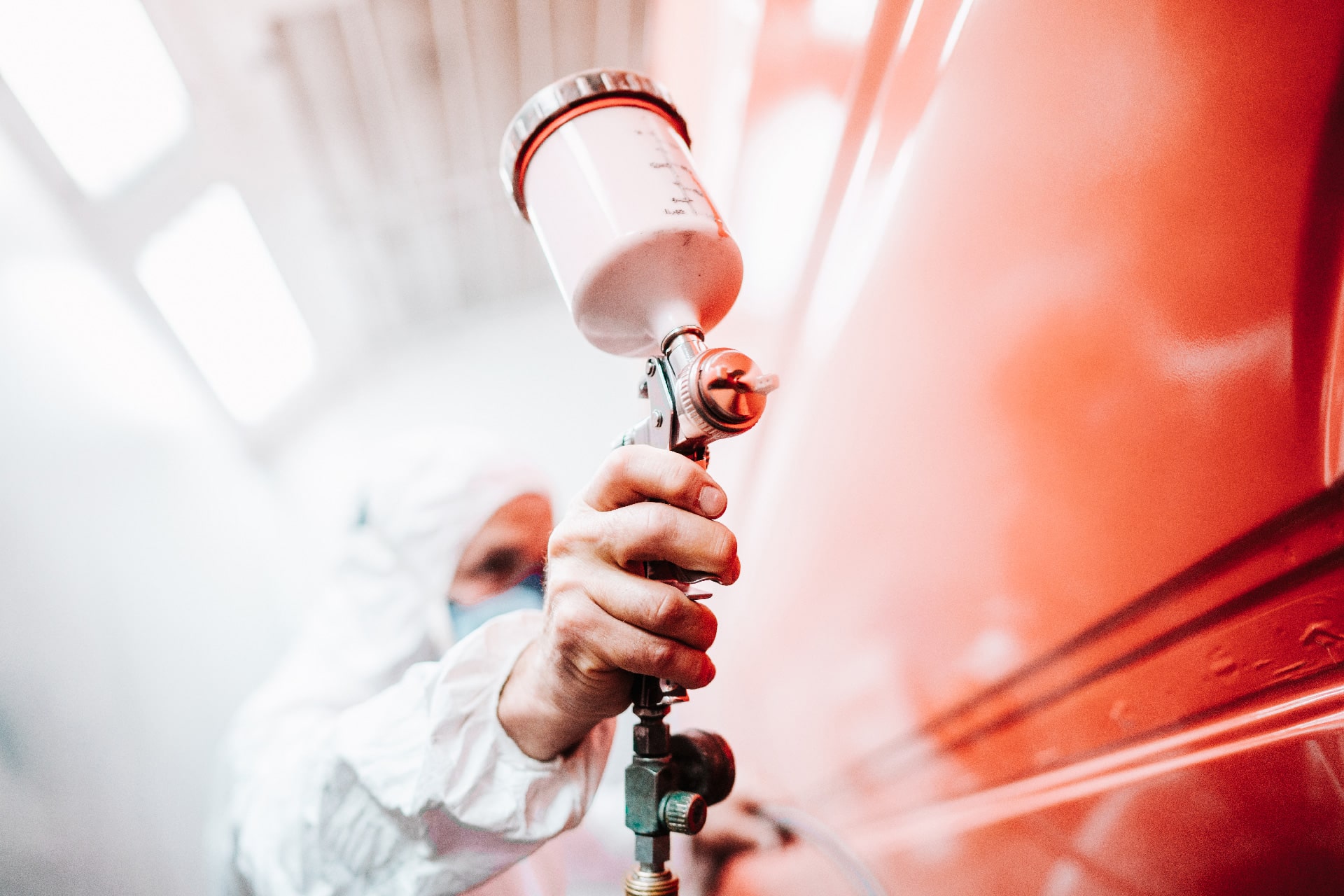
At our body shop, we focus on both the repair and the long-term performance of your car paint, so your newly painted car looks as close to factory finish as possible. For example, after applying the new paint job, technicians may use a wet sand technique to smooth imperfections before final curing, which helps achieve a flawless finish.
How Long Does Bumper Paint Take to Cure?
Standard Timeline After Professional Repair
After a professional bumper repair, the timeline for paint curing follows a predictable pattern. Within a few hours, the paint becomes dry to the touch. Within 24 hours, it is generally safe to drive your car under normal conditions. However, this does not mean the paint is fully cured.
During the first week, the paint continues to cure and strengthen. By the end of the first few weeks, the paint reaches a more durable state. Full cure typically occurs within 30 days, depending on environmental conditions, paint type, and how the repair was completed.
At Relux Collision, our shop uses advanced paint systems and controlled temperature environments to help the paint cure efficiently. This allows your vehicle to return to the road quickly while still ensuring proper curing.
What Happens During Each Stage?
- First few hours: The paint begins air drying and the surface becomes dry.
- First 24 to 48 hours: The paint remains soft and vulnerable. This is when extra care is needed to protect the surface from damage.
- First week: The curing process continues as solvents leave the paint and the layers begin to fully harden.
- Next several weeks: The paint continues to cure fully, reaching its final strength and durability. This full cure stage is when the paint is fully hardened and capable of resisting wear.
Can You Drive Your Car Right After Bumper Paint Repair?
When It’s Safe to Get Back on the Road
Most vehicles can be driven within 24 hours after a paint job. At our auto body shop, we ensure every repair meets high standards before releasing the vehicle. The paint may feel dry, but it is still curing beneath the surface.
Driving your car during the curing process is safe as long as you take precautions. The bumper and surrounding paint work are still in a sensitive stage, so avoiding harsh conditions is important.
Driving Precautions During the First Week
During the first week, it’s best to avoid gravel roads, construction zones, and situations where debris can hit your bumper. Keep a safe distance from other vehicles to prevent chips or damage. These simple steps help protect the paint while it continues to cure.
When Can You Wash or Wax Your Car After Bumper Repair?
When It’s Safe to Wash Your Vehicle
One of the most important parts of fresh paint care is knowing when to wash your car. We recommend you wait at least 5 to 7 days before your first wash. During this time, avoid washing to allow the paint to cure without interference.
When you do wash your vehicle, use gentle hand washing methods. Avoid drive-through car washes, as they can cause swirl marks or damage soft paint. Gentle hand washing helps protect the surface while the paint continues to cure.
When to Wax or Polish
Applying wax too early can interfere with the curing process. Wax and paint sealants can trap solvents, preventing the paint from fully curing. We recommend waiting at least 30 days before applying wax or polish.
During this period, the paint needs time to cure fully and develop a durable finish. Once fully cured, you can wax and polish your car to enhance its glossy finish and protect the vehicle’s finish.
What Factors Affect Bumper Paint Cure Time?
Temperature and Climate Conditions
Temperature plays a major role in how paint cures. Ideal temperature ranges help the paint cure evenly and efficiently. Lower temperatures slow the curing process, while higher temperatures can speed it up when controlled properly.
Environmental conditions such as moisture and humidity also impact how the paint cures. Too much moisture can slow down the process and affect the final result.
Type of Paint and Materials Used
The type of paint used during the repair affects how long the paint takes to cure. Modern automotive paint systems are designed for durability, but each paint type has specific curing requirements. The type of paint and clear coat used will determine how quickly the paint cures and how durable it becomes.
Use of Professional Equipment
A professional body shop uses advanced equipment to control temperature and airflow during the paint process. This allows the paint to cure properly and reduces the risk of defects. Infrared curing and heated booths help the paint dry and cure more efficiently than air drying alone.
Bumper Material and Flexibility
Because bumpers are flexible, the paint system must include additives that allow the paint to move without cracking. This makes proper curing even more important for bumper repair.
Why Professional Repairs Cure Faster and Last Longer
Controlled Environment vs DIY Conditions
A professional shop provides a clean, controlled environment where dust, temperature, and airflow are carefully managed. This ensures the paint cures evenly and reduces the risk of imperfections.
Precision Paint Matching and Application
Matching the factory finish requires skill and precision. Our team ensures the paint job blends seamlessly with your vehicle, creating a smooth and consistent surface.
Certified Technicians and Proven Process
Experienced technicians follow a proven process that ensures every layer of paint is applied correctly. From prep to clear coat, every step is designed to support proper curing and long-term durability.
What Happens If Paint Doesn’t Cure Properly?
Common Issues from Poor Curing
If paint does not cure properly, it can remain soft, leading to swirl marks, dents, or uneven texture. The surface may not fully harden, making it more vulnerable to damage.
Long Term Damage Risks
Improper curing can lead to costly repairs down the line. Paint that does not fully cure may peel or fade, requiring additional repair work. This is why choosing a trusted auto body shop is essential.
Pro Tips to Protect Your Newly Painted Bumper
First 48 Hours Care Guide
During the first 48 hours, avoid touching the painted surface. Keep the vehicle dry and protect it from environmental exposure. This is when the paint is most soft and vulnerable. New members of our team always emphasize this early care to prevent ill effects on the finish.
First Week Best Practices
During the first week, continue to protect your car by avoiding harsh conditions. Park in shaded areas when possible and avoid contaminants like bird droppings and tree sap. If bird droppings or tree sap land on the surface, gently clean them using safe methods to avoid damage.
First 30 Days Protection Plan
During the first few weeks, avoid applying wax or polish. Let the paint cure fully before using any protective products. Avoid quick detailers or harsh chemicals that could affect the curing process.
How Relux Collision Ensures a Perfect Paint Cure
Advanced Paint Booth Technology
Our shop uses advanced paint booths that control temperature and airflow to help paint cure properly. This ensures consistent results and a durable finish.
Premium Paint Systems
We use high-quality automotive paint systems that meet industry standards. This allows the paint to cure evenly and maintain a strong, long-lasting finish.
Quality Control and Final Inspection
Every repair goes through a detailed inspection process to ensure the paint work meets our standards. We check for smoothness, color match, and overall durability.
Customer Guidance After Repair
We provide every customer with clear instructions on how to care for their newly painted car. From when to wash to when to wax, we make sure you know how to protect your vehicle.
FAQs – Bumper Paint Cure Time
How long should I wait before washing my car?
You should wait at least 5 to 7 days before the first wash. This allows the paint to cure enough to handle gentle hand washing.
Can rain damage fresh paint?
Light rain usually will not damage paint after the first 24 hours, but it is best to protect your car during the early stages of the curing process.
What happens if I wash my car too soon?
Washing too early can damage the surface and interfere with the curing process. It may lead to swirl marks or reduce the durability of the paint.
Why does paint take weeks to fully cure?
Paint cures through a chemical process that takes time. Even though the surface becomes dry quickly, the deeper layers need weeks to fully harden.
Can I speed up the curing process at home?
Without professional equipment, it is difficult to safely speed up the curing process. Controlled temperature and proper conditions are required.
Is bumper paint different from other parts of the car?
Yes, bumper paint uses a specialized paint system designed for flexible surfaces. This ensures the paint remains durable and does not crack.
Final Thoughts: Patience Protects Your Paint Investment
Understanding how long paint takes to cure after a bumper repair helps you make better decisions for your vehicle. While your car may be ready to drive within hours, the paint needs time to cure fully.
Taking the right steps during the first few weeks will protect your investment and ensure a durable, high-quality finish.
At Relux Collision, we combine expert repair techniques with advanced paint systems to deliver results that last. If your vehicle needs professional paint work or repair, our team is here to help. Get your free estimate today or schedule your visit with our shop and experience the difference of true craftsmanship.