
After an accident, one of the first questions vehicle owners ask is, how long will the repair process take? The disruption to daily life, work schedules, and family responsibilities makes repair time a major concern. At Re-Lux Collision, we believe in setting realistic expectations from the start. While every vehicle and accident is different, the collision repair industry follows a structured repair process with predictable stages. Understanding those stages helps you know what to expect, why repairs take the time they do, and how a trusted auto body shop works to get you back on the road safely.
The Short Answer: Most Collision Repairs Take 2–3 Weeks
For most drivers, collision repair is typically completed within several weeks. Minor repairs can sometimes be finished in only a few days, while major repairs often require more time due to the severity of the damage and the number of steps involved. A typical repair timeline today reflects modern vehicle technology, insurance approval requirements, parts availability, and the need for proper safety checks. The key is understanding that quality repairs are never rushed.
Why Collision Repair Timelines Vary So Much
Every Accident Is Different
No two accidents create the same damage. Even low speed impacts can cause hidden damage beneath panels and bumpers. A vehicle with surface scratches may need very little body work, while another with similar exterior damage may have internal components affected. The extent of the damage is one of the most important factors that affect how long repairs take.
Modern Vehicles Are More Complex Than Ever
Today’s auto body repairs involve far more than fixing dents. Vehicles now include advanced safety systems, sensors, and electronics that require specialized equipment. What once took a few hours can now require scanning, calibration, and verification to ensure the vehicle is returned to pre accident condition. This added complexity significantly impacts repair time, but it is essential for safety.
Insurance, Parts, and Approval Processes
The insurance company plays a major role in the repair timeline. The insurance approval process, required documentation, and supplements all influence how quickly work can begin and continue. While a repair shop manages much of this communication, approvals and parts ordering are often dependent on the insurance provider and suppliers.
The Collision Repair Process, Step by Step (And How Long Each Stage Takes)
Step 1: Initial Inspection and Estimate
The repair process begins with an initial assessment of the vehicle. During this damage assessment, technicians inspect visible damage and prepare an initial estimate. This step typically takes one to two days. The initial estimate outlines obvious repairs but does not always account for hidden damage that may be discovered later.
Step 2: Insurance Review and Approval
Once the estimate is submitted, the insurance company reviews it as part of the insurance claims process. This approval process can take a few days depending on the insurance provider, the severity of the damage, and whether additional inspections are required. Delays at this stage are common, but experienced repair shops work to expedite approvals whenever possible.
Step 3: Disassembly and Hidden Damage Discovery
After insurance approval, technicians begin disassembly. This stage reveals hidden damage that was not visible during the initial assessment. Discovering hidden damage is common and often leads to additional approvals. While this can add a few days, it ensures complete repairs rather than temporary fixes.
Step 4: Parts Ordering and Delivery
Parts availability plays a critical role in the repair timeline. Replacement parts may include original equipment manufacturer components, recycled parts, or aftermarket options depending on the insurance approval. Delivery times vary, and delays can occur, especially during busy seasons. Strong supplier relationships help reduce unnecessary delays, but some parts simply take time to arrive.
Step 5: Structural and Body Repairs
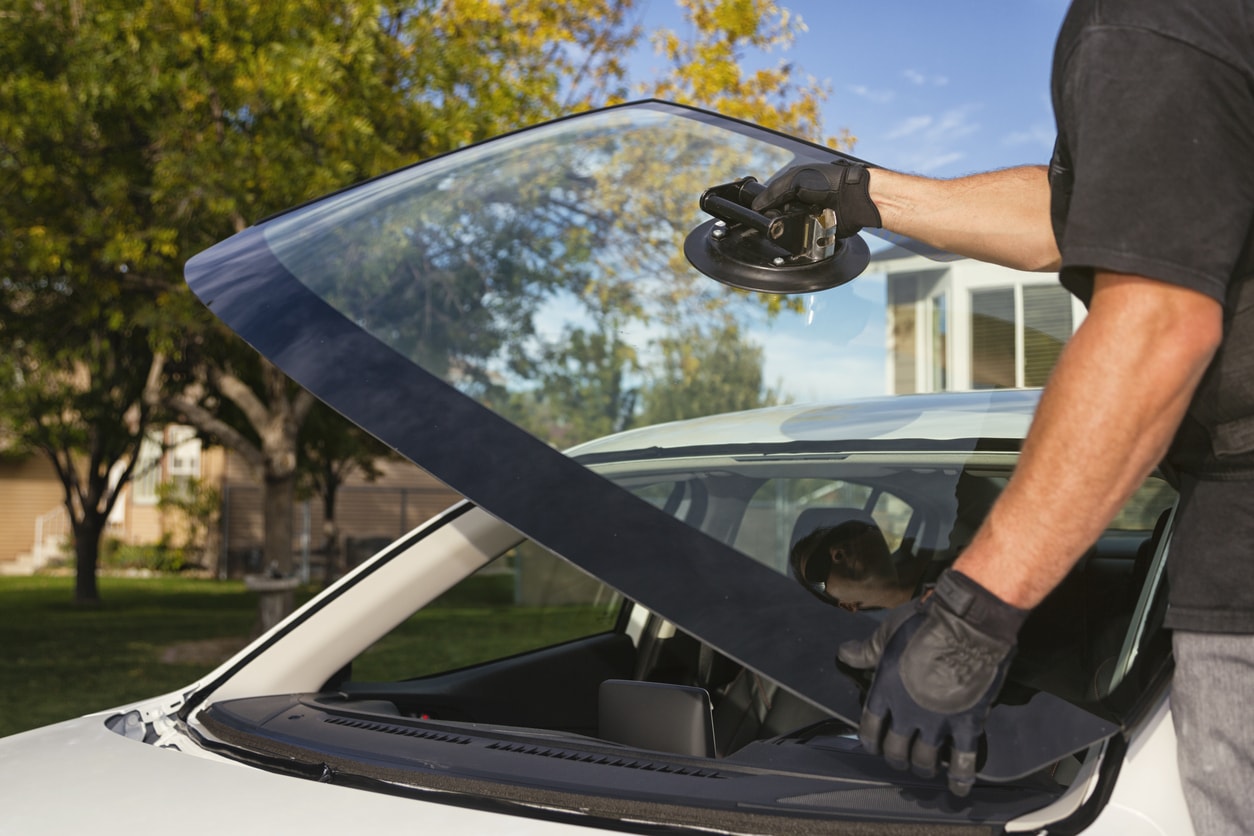
Once parts are on hand, structural repairs and body work begin. This may include frame straightening, panel replacement, bumper repair, or door replacements. Structural integrity is a top priority during this stage. Major collision repairs involving frame damage or extensive damage can take several days to a week or more.
Step 6: Paint, Refinishing, and Curing
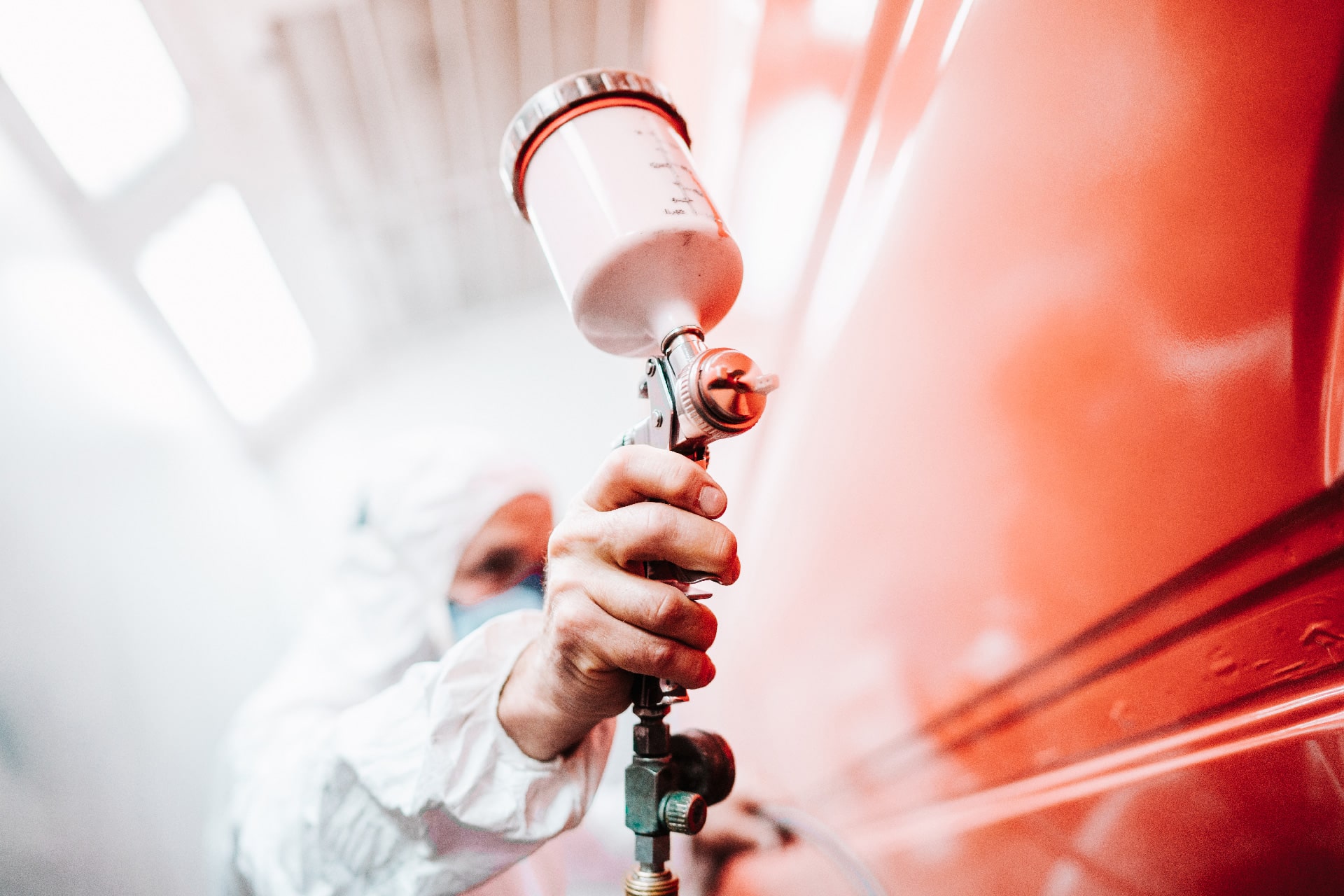
After body repairs are complete, the vehicle moves into paint and refinishing. Paint matching ensures the new finish blends seamlessly with the existing color. Proper curing time is critical and cannot be rushed. This stage typically takes a few days and plays a major role in the final appearance and durability of the repair.
Step 7: Scans, Calibrations, and Safety Verification
Modern collision repair requires pre and post repair scans. Safety systems, sensors, and cameras must be calibrated using specialized equipment. Airbag replacement or sensor recalibration adds time but is essential for restoring vehicle safety. These steps are typically completed within a few days.
Step 8: Final Quality Checks and Delivery
Before delivery, the vehicle undergoes final inspections to ensure quality workmanship. Technicians verify that all repairs meet manufacturer standards and that the vehicle is safe to drive. Once complete, the vehicle is detailed and prepared for pickup, putting you back on the road with confidence.
How Vehicle Type Impacts Repair Time
Newer Vehicles vs Older Vehicles
Newer vehicles often take longer to repair due to advanced technology and safety systems. Older vehicles may have fewer electronic components but can face parts availability challenges. Both factors influence repair time differently.
Luxury and European Vehicles
Luxury vehicles often require original equipment manufacturer parts and specific procedures. Limited parts availability and strict repair guidelines can extend timelines, especially for major repairs.
Electric and Hybrid Vehicles
Electric and hybrid vehicles involve additional safety protocols. Battery systems and high voltage components require certified technicians and careful handling, which adds time but ensures safety.
Drivable vs Non Drivable Vehicles: Why This Matters
Whether a vehicle is drivable affects how quickly repairs can begin. Non drivable vehicles require towing and immediate evaluation, while drivable vehicles may wait until parts arrive. The severity of the damage often determines this distinction and impacts the overall repair timeline.
Common Reasons Repairs Take Longer Than Expected
Hidden Damage
Hidden damage discovered during disassembly is one of the most common reasons for extended repair time.
Parts Availability
Replacement parts delays can slow progress, especially for specialized or manufacturer controlled components.
Insurance Approvals
Additional insurance approval steps and supplements can add days to the process.
Safety System Requirements
Calibrations and scans add necessary time to ensure safety.
Shop Workload
Shop workload during busy seasons can affect scheduling, though reputable body shops manage capacity carefully.
What Re-Lux Collision Does to Keep Repairs On Schedule
At Re-Lux Collision, we focus on thorough initial inspections, clear communication with the insurance company, and strong supplier relationships. Our certified technicians follow manufacturer repair procedures and prioritize complete repairs over shortcuts. By managing documentation, approvals, and parts ordering proactively, we work to reduce potential delays while maintaining quality.
Can You Speed Up the Repair Process?
What Customers Can Do
Vehicle owners can help by responding quickly to insurance approvals, providing necessary documentation, and choosing a qualified auto body shop early.
What You Should Not Rush
Structural repairs, paint curing, and safety calibrations should never be rushed. These steps protect the vehicle and ensure long term reliability.
Rental Cars and Repair Time: What to Expect
Rental coverage often reflects the entire insurance claims process, not just hands on repair time. Delays in approvals or parts delivery can extend rental use even if repairs are progressing efficiently. Understanding this helps set realistic expectations.
FAQs About Collision Repair Timelines
How long does a minor collision repair take?
Minor repairs such as small dents, surface scratches, or paintless dent removal may be typically completed in a few days, sometimes even within only a few days depending on parts and approvals.
How long do major repairs take?
Major repairs involving structural repairs, frame damage, or airbag replacement often take several weeks due to the extent of the damage and required safety procedures.
Why can’t an exact completion date be given?
The severity of the damage, hidden damage, and insurance approval steps make exact dates difficult early in the repair process.
Does insurance slow down car repair?
Insurance approval is a necessary step. Experienced repair shops work closely with the insurance provider to avoid unnecessary delays.
Will my vehicle be safe after repairs?
When repairs follow manufacturer standards and use correct parts, the vehicle is restored to pre accident condition.
Final Thoughts: Quality Repairs Take Time
So, how long does it take to fix a car after an accident? The honest answer is that the repair time depends on several key factors including damage severity, vehicle type, parts availability, and insurance approval. While minor repairs may take a few days, major collision repairs often require several weeks. The goal of a professional auto body repair shop is not speed alone, but safety, durability, and quality workmanship. At Re-Lux Collision, we focus on complete repairs that restore your vehicle properly and get you back on the road with confidence.