
How Much Does Auto Body Work Cost in 2025?
When your car is damaged, one of the first things you wonder is how much does auto body work cost. Whether it’s a small dent, bumper replacement, or a major collision repair, the total repair cost depends on many factors. Modern vehicles are built with advanced materials, complex electronics, and sensitive paint finishes, so getting an accurate professional estimate is more important than ever. At Re-Lux Collision, we understand that vehicle repairs can feel stressful, and we are here to help you understand auto body repair costs, what affects them, and how to make the best decision for your car.
Understanding the Average Cost of Auto Body Work
According to the most recent 2025 industry data, the national average for auto body repairs is around $4,700 per job. This figure includes both minor repairs and large-scale collision repair costs. However, every repair is unique. Labor rates, the vehicle make and vehicle type, the extent of the damage, and the materials required all play a part in the final price.
To give a rough idea, small dents and cosmetic damage might cost a few hundred dollars to fix, while structural damage that requires frame repairs can run several thousand. Luxury vehicles tend to have higher repair costs because of specialized parts, complex systems, and additional labor time. Auto body repair cost has increased slightly in recent years, mainly due to rising labor costs, paint materials, and advanced repair equipment.
What a Typical Auto Body Repair Includes
Most shops follow a detailed process for repairing a vehicle after an accident. This usually involves inspection and disassembly, repair or replacement of damaged components, refinishing, paint blending, and final calibration of any safety systems. Each step is vital to ensure your vehicle is repaired to factory standards. Re-Lux Collision uses OEM repair procedures and precision technology to restore your vehicle’s safety, performance, and appearance.
The Main Factors That Affect Auto Body Repair Costs
There are several factors that influence how much an auto body repair will cost. Understanding these will help you know what to expect when you get estimates from different repair shops.
Type and Severity of Damage
The most important factor is the extent and type of damage. A small dent or scratch usually falls under minor repairs and may only require minimal labor. On the other hand, structural damage from a heavy accident can require specialized frame repairs and extended labor hours. For example, a light bumper damage repair might cost $300, while replacing and repainting the bumper can exceed $1,500.
Labor Rates and Time
Labor rates are another major factor. In 2025, most shops charge between $120 and $160 per hour for collision work, depending on the region and certification level of the repair shop. Skilled technicians who are trained and certified to perform high-quality auto body repairs charge more, but their precision ensures your car is repaired correctly the first time. Labor costs reflect both the complexity of the repair and the experience of the technicians.
Parts and Materials
Parts selection can make a big difference in your repair cost. You may be offered OEM parts, aftermarket parts, or recycled parts. OEM parts ensure perfect fit and maintain resale value, while recycled parts and aftermarket options may reduce the cost slightly but could affect long-term durability. Paint materials and color matching are also key. A professional paint job with paint blending to achieve a flawless match can add hundreds of dollars to the estimate.
Vehicle Technology and ADAS Systems
Modern vehicles include advanced driver-assistance systems such as cameras, sensors, and radars. After a collision, these systems often require recalibration. The cost of ADAS calibrations typically ranges between $300 and $600. Not all repairs involve these systems, but when they do, they must be handled by a qualified shop to ensure the vehicle’s safety features work as intended.
Insurance and Coverage
Auto insurance can cover much of your repair cost depending on the type of policy you have. Collision insurance pays for damage caused by accidents, while comprehensive insurance may cover other incidents such as vandalism or weather-related damage. Your deductible and claim history can affect how much you pay out of pocket. Working with your insurance provider can help you determine the most cost-effective route. Re-Lux Collision assists customers with insurance claims to make the process easy and transparent.
Average Auto Body Repair Costs by Damage Type
Auto body repair costs vary widely depending on the damage type and vehicle model. Below are some 2025 average price ranges to give you a better idea of what to expect.
Bumper Repair and Replacement
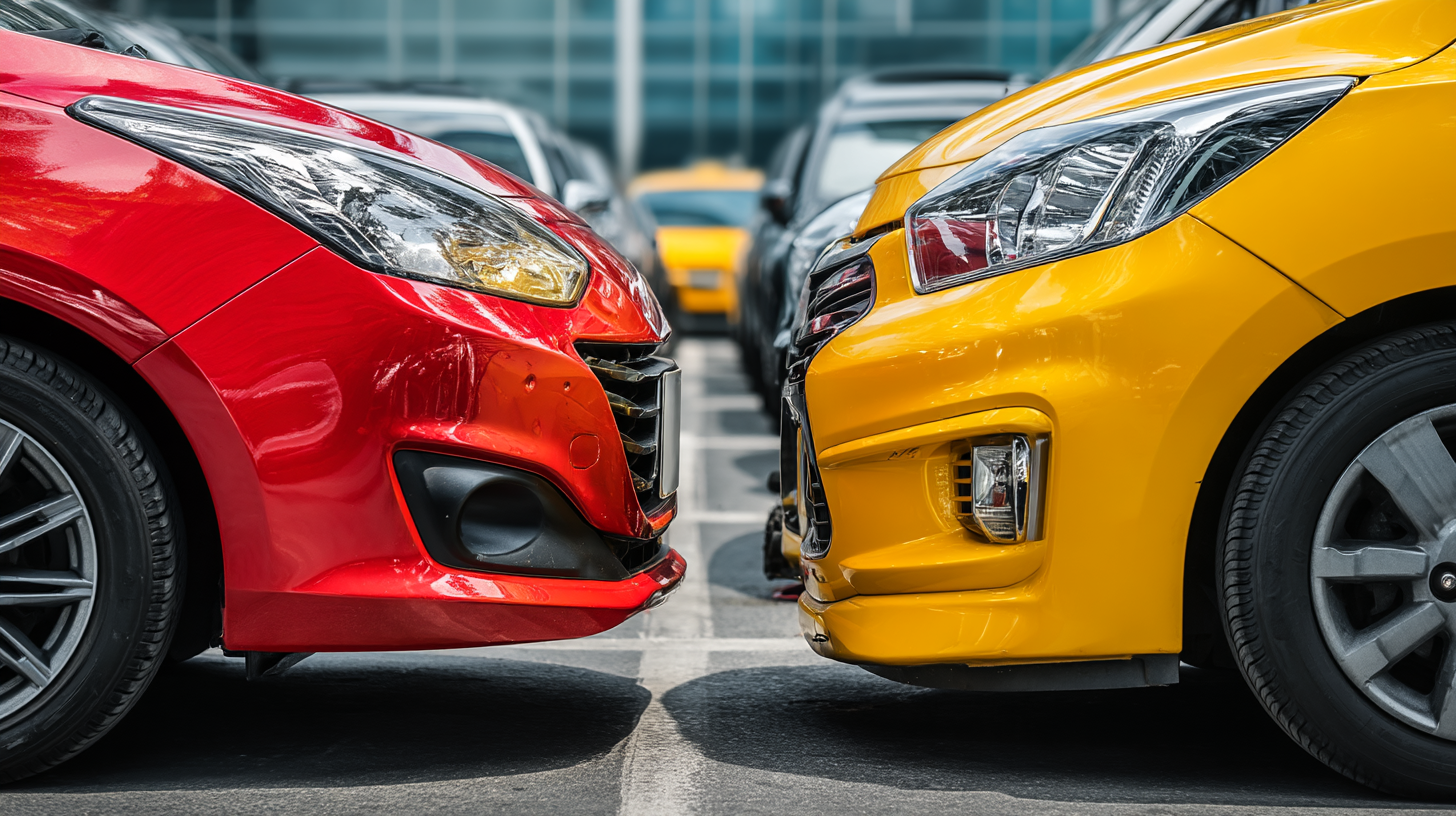
Minor bumper damage such as small scratches or scuffs may cost around $150 to $600 to fix. Complete bumper replacement with repainting, sensors, and installation can range from $700 to $2,500 or more. Because many modern bumpers contain ADAS sensors, calibration may add additional repair costs.
Paintless Dent Repair
For small dents where the paint is still intact, paintless dent repair (PDR) is an excellent option. It’s quick, affordable, and maintains the original factory finish. The cost usually ranges between $100 and $500 per dent depending on the size and location. PDR is perfect for fixing hail damage or door dings without repainting.
Paint and Refinishing
Repainting a single panel can cost $300 to $1,000 depending on the color, finish, and the amount of paint blending needed. A complete paint job for the entire car will cost significantly more, but it restores your car’s appearance and resale value. Quality paint materials and professional color-matching technology ensure a seamless result that lasts.
Frame and Structural Repairs
Frame repairs are among the most complex and expensive repairs in any collision. When the car’s structure is bent or twisted, special equipment is required to measure, pull, and realign the frame. Costs often range between $4,000 and $6,000 or more, depending on the extent of the damage. Re-Lux uses advanced frame measuring systems to ensure the vehicle is restored precisely to OEM specifications.
Diagnostic Scans and Calibrations
Every modern vehicle requires scanning and sometimes recalibration after repairs. These scans confirm that all safety and electronic systems are working correctly. Average costs for diagnostics and calibrations are between $300 and $600, depending on the vehicle type and the systems involved.
Why Repair Estimates Differ Between Shops
It is common for estimates from different repair shops to vary. Not all repairs are quoted the same way because some shops may use lower-quality parts, skip essential steps, or have different labor rates. When comparing estimates, make sure each repair shop includes the same procedures, materials, and warranties. Always review online reviews and ask about certifications before choosing a repair shop.
How to Get an Accurate Professional Estimate
To get the most accurate estimate for your vehicle repairs, visit a certified shop like Re-Lux Collision. Our team inspects your vehicle thoroughly, runs a digital diagnostic scan, and provides a transparent breakdown of parts, labor, and materials. Sometimes, damage hidden under the surface can increase the repair cost, which is why a hands-on inspection is essential.
Online quotes can offer a rough idea, but only an in-person evaluation will give you a true picture of what it will take to repair your car. Bringing your vehicle in for an assessment helps you avoid unexpected expenses and ensures you understand every line of your estimate.
Saving Money on Auto Body Repairs
While auto body work can be costly, there are smart ways to save money without compromising safety or quality.
Choose a Certified Repair Shop
Certified repair shops follow strict manufacturer standards and use OEM parts to ensure your vehicle is restored properly. Even if their shop rates are slightly higher, their precision prevents future issues and maintains your vehicle’s resale value. Choosing a reputable repair shop can actually save money in the long run.
Use Your Insurance Wisely
Understanding your auto insurance coverage is key. Filing a claim for major repairs can significantly reduce your out-of-pocket cost, but it’s not always worth claiming for minor damage. Review your policy to see what is covered and talk with your insurance provider to determine the best course of action.
Compare Multiple Quotes
It’s wise to collect multiple quotes from different repair shops. This helps you get a better idea of fair pricing. However, when comparing estimates, look beyond just the total price. Pay attention to parts quality, labor rates, warranties, and the level of customer service.
Avoid DIY Fixes for Complex Damage
While some DIY fixes might seem appealing for small scratches or cosmetic issues, modern vehicles often have hidden sensors and specialized materials that require professional tools. Attempting to repair complex damage yourself can lead to expensive repairs later.
Common Questions About Auto Body Repair Costs
Why do repair costs differ so much between shops?
Every shop sets its own labor rates and uses different repair procedures. Certified repair shops that follow OEM standards often charge slightly more but provide guaranteed quality.
Is it cheaper to pay out-of-pocket or file an insurance claim?
It depends on the total repair cost and your deductible. For small dents and minor repairs, paying out-of-pocket can sometimes be cheaper. For large collision repairs, insurance cover usually makes more sense.
Does paint color affect the cost of a repair?
Yes, paint color and finish influence the price. Metallics, pearls, and custom colors require additional paint blending and materials, which increase repair costs.
How long do vehicle repairs usually take?
Minor repairs might take one to three days, while frame repairs or heavy collision work can take one to two weeks, depending on parts availability and complexity.
Are OEM parts worth the higher cost?
OEM parts ensure perfect fit and preserve your car’s performance and resale value. Using specialized parts that match manufacturer standards helps maintain safety and reliability.
Can I drive with minor damage?
While you can sometimes drive with small dents or scratches, even minor damage can hide structural issues or sensor problems. It’s safest to have the car inspected by a certified technician.
Will filing a claim raise my insurance rates?
This depends on your insurance provider and claim history. Some insurance companies may increase premiums after multiple claims, while others may not. Discuss your coverage and deductible with your agent before deciding.
Key Takeaways
In 2025, the average auto body repair cost is around $4,700, though it can vary greatly depending on the extent of damage and the type of vehicle. Labor rates, materials, parts, and technology are major cost drivers. While expensive repairs are never welcome, working with a certified repair shop ensures your vehicle is repaired correctly and safely.
To recap:
- Auto body repairs include everything from small dents to full frame repairs.
- Not all repairs are the same, so choose a shop that follows OEM standards.
- Paint jobs, ADAS calibrations, and specialized parts add to overall repair costs.
- Using your collision insurance or comprehensive insurance can help cover large expenses.
- Getting multiple quotes from reputable repair shops gives you a better idea of fair pricing.
- Certified repairs protect your car’s resale value and guarantee long-term quality.
At Re-Lux Collision, we believe in honesty, precision, and care. Our certified technicians deliver quality auto body repairs using advanced equipment and top-grade materials. Whether you have minor damage or need major collision repair, we make the process straightforward and stress-free. If you’re wondering how much does auto body work cost for your specific situation, bring your vehicle in for a professional estimate today. We’ll inspect your car thoroughly, explain every step of the process, and help you save money while restoring your vehicle to pre-accident condition.