
A Complete 2025 Guide for Car Owners
Most people notice instantly how a fresh paint job transforms a vehicle’s appearance and a car’s appearance. Learning how to properly maintain car paint helps protect car paint, supports resale value, and keeps the entire car looking cleaner between washes. For car owners in real world driving and weather, the goal is simple, protect your car’s paint from environmental hazards like UV rays, dust, grime, oil, bird droppings, tree sap, and other contaminants without turning maintenance into hard work.
Understanding How Modern Car Paint Works
The Multi Layer System Behind Every Great Finish
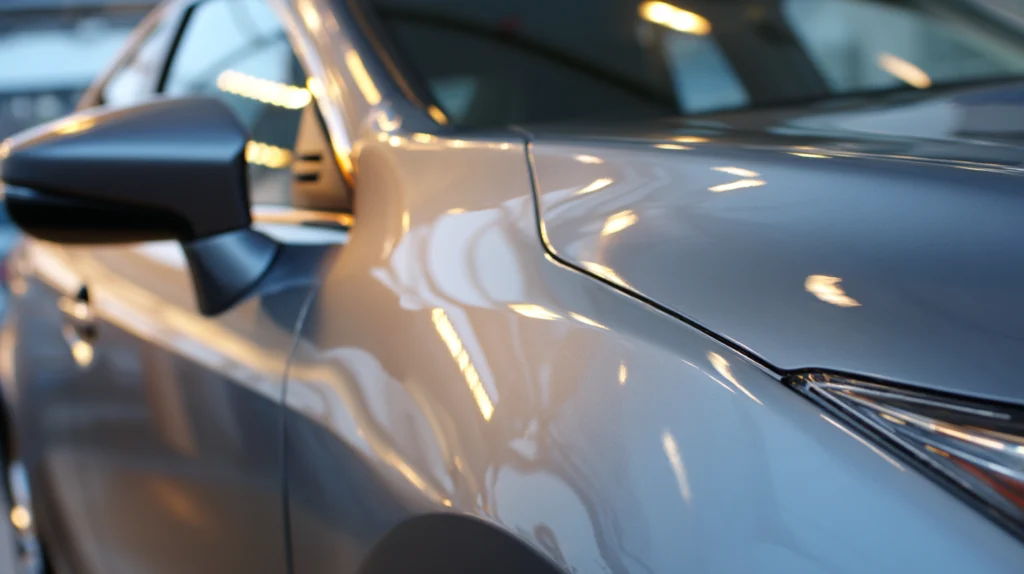
Modern automotive paint is built in layers. Under the visible color there is a primer, then a colored base coat, then a clear coat on top. When the coat system is intact, the paint surface stays smooth and the surface reflects rich shine.
Why the Clear Coat Matters Most
The clear coat is the transparent shield that protects the base coat from UV rays, water spots, dirt, and environmental contaminants. If this coat becomes thin or damaged, paint damage like fading, stains, and peeling shows up quickly and can ruin the finish.
The Real Reason Paint Fails
Most failing paint comes from long term exposure to direct sunlight, harsh car wash brushes, dirty tools, and spills that sit too long. When you protect vehicle’s paint with a gentle routine, you dramatically slow that damage.
What Damages Car Paint the Most?
Harsh Sun and UV Exposure
Constant sun exposure dries the coat and fades the color. To protect car paint from environmental damage, park in a garage or under a cover when possible, avoid parking all day in direct sunlight, and maintain a protective layer like wax or ceramic coating on the surface.
Bird Droppings, Bugs, and Tree Sap
Bird droppings, bug splatter, and tree sap are small but aggressive. Left on the paint surface, they can etch and ruin the finish. Rinse with clean water as soon as you see them, then wipe very gently with a soft wash mitt or soft cloths so you remove dirt without adding scratches.
Road Salt, Dust, and Pollen
Salt from winter roads, dust from dry weather, and pollen from nearby trees all cling to paint. Combined with moisture, they can trigger rust or leave swirl marks if wiped while dry. Regular washing keeps grime, debris, and other contaminants from building up.
Hard Water Spots and Acid Rain
When water dries on the vehicle instead of being wiped off, it can leave mineral water spots. Over time these spots harden on the surface. Washing in the shade, using clean water, and drying with microfiber towels helps prevent etching.
Poor Washing Habits
Quick but rough wash habits are one of the biggest causes of scratches. Household detergents, old brushes, and dirty sponges can scour the coat. Learning a safer bucket method with proper soap, two buckets, and a quality wash mitt is one of the most valuable tips you can apply.
How Often Should You Wash Your Car to Protect the Paint?
General Rule, Every 1–2 Weeks
For most people, washing every one or two weeks is ideal. That schedule keeps the vehicle clean enough that dirt and grime do not sit long enough to ruin the paint.
When You Should Wash More Often
If you park under trees, drive in construction zones, or see lots of dust and environmental contaminants on the vehicle, wash your car more often. In seasons with heavy pollen or tough weather, you may not want to avoid washing for very long at all.
Winter and Mountain Travel
After trips through snow and salt, use a car wash or a pressure washer with reasonable water pressure to rinse the lower panels and underbody. This helps protect metal from rust and keeps the coat healthy.
The Right Way to Wash Your Car Step by Step
Use pH Neutral Automotive Shampoo
Always choose car soap instead of household detergents. Automotive soap is blended to remove dirt and grime gently, so it does not strip wax or dry out the coat. Mix the right amount of soap with soapy water before you wash.
Two Bucket Method for Scratch Free Washing
The two bucket method gives you one bucket of soapy water and one bucket of clean water. Dip the wash mitt in soap to wash a small section, then rinse it in clean water to release dirt before going back to the soapy bucket. Using two buckets helps you remove dirt from the mitt instead of grinding it back into the paint surface.
Why You Should Never Let the Car Air Dry
Air drying often leaves water spots behind. After you rinse, use plush microfiber towels to dry the entire car. A careful drying process makes sure panels are completely dry and reduces streaks.
Safe Drying Techniques
Dry with light pressure using microfiber towels or other soft cloths. Avoid dirty rags or stiff materials that can add new scratches. Work from top to bottom so you are not dragging debris from lower, dirtier areas back over clean paint.
When to Avoid Automatic Car Washes
Automatic tunnels that use heavy brushes can create swirl marks and scratches, especially on dark paint. If you must use a car wash, a touchless option combined with a gentle hand dry is kinder to your vehicle’s paint.
Protective Layers, Wax, Sealant, Ceramic Coating and PPF
Wax vs Sealant
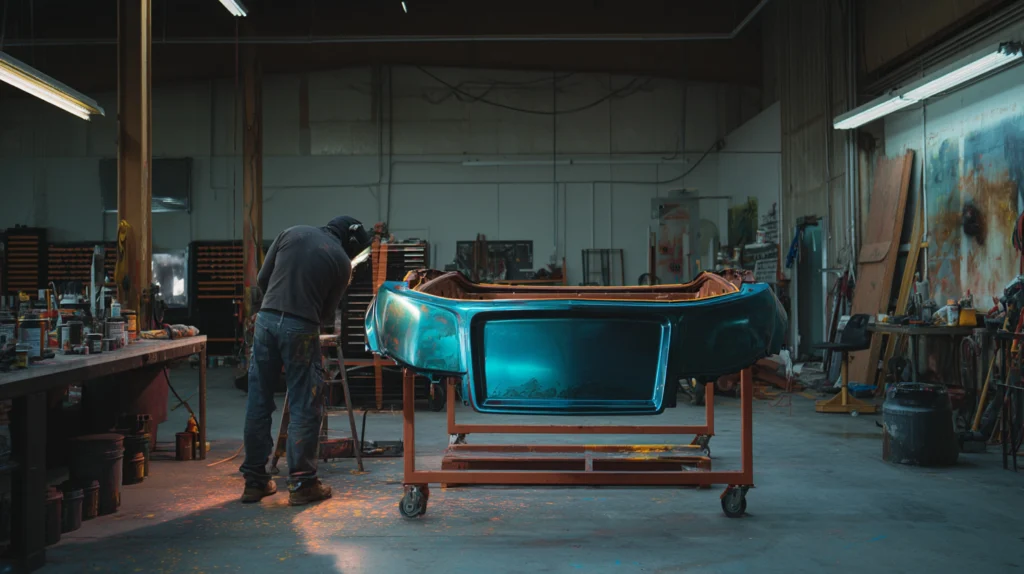
Wax and sealant sit on top of the clear coat and act as a sacrificial protective layer. Traditional wax and modern car wax products boost shine and help water bead, while synthetic sealants often last longer between applications.
Ceramic Coating, What It Protects and What It Does Not
A ceramic coating forms a harder, more durable layer over the clear coat. It resists grime and makes it easier to wash your car, but you still need regular washing, quick cleanup of bird droppings and other contaminants, and basic care if you want the paint to last.
Paint Protection Film PPF
Paint protection film covers the most exposed areas and absorbs chips from debris so the vehicle’s paint underneath stays clean. PPF still needs mild soap, good rinse habits, and gentle drying.
How Often to Maintain Each Protection Type
Applying wax every few weeks or months, depending on driving, keeps the surface slick. Sealants and ceramic products usually last longer, but they still need maintenance. When in doubt, follow the maker’s directions and do not wait until the paint feels rough.
Choosing the Right Protection
City commuters often do well with regular washing and wax. Higher end cars or special finishes may deserve both PPF and ceramic coating. Whatever you choose, the real secret is consistency rather than complicated products.
Seasonal and Climate Based Paint Care
Summer Heat and UV Defense
In hot months, park in a garage, carport, or shaded area when you can. UV rays are strongest then and can fade paint quickly. A fresh layer of wax before summer helps protect the surface and preserve shine.
Spring Pollen and Dust Control
Spring brings pollen, dust, and random weather. Light colored specks may look harmless, but wiping them dry can leave scratches. Instead, gently rinse and wash so you can remove dirt without dragging it across the coat.
Fall and Winter Moisture, Leaves, and Road Contaminants
Fallen leaves, mud, and road film trap moisture against the surface. Clean out pockets where debris collects, like around wipers and trim, so rust does not start quietly.
Garage vs Outdoor Parking
A vehicle stored in a garage sees less environmental damage and needs fewer deep corrections. If you must park outside, a quality cover, regular washing, and smart parking choices go a long way.
Special Situations, Freshly Repaired or Newly Painted Vehicles
When You Can Safely Wash a Fresh Refinish
After a new paint job, avoid washing for the first week or two. When you do wash, use gentle soap, low water pressure, and a soft wash mitt instead of harsh brushes.
Why You Must Avoid Wax, Sealant and Ceramic for 30–90 Days
Fresh paint continues to cure. If you seal it too early with wax or ceramic coating, you can trap solvents and cloud the finish. Wait for the cure window your shop recommends so you do not ruin a brand new coat.
How to Protect New Paint During the Cure Window
During the cure period, avoid parking under messy trees, rinse away light grime with clean water, and avoid aggressive scrubbing or a rough car wash.
Signs to Call Your Body Shop
If you see peeling, unusual haze, or scratches on a fresh repair, call your shop quickly. Early help is easier than trying to polish away serious paint damage later.
When DIY Paint Care Is Not Enough, Signs You Need Professional Help
Clear Coat Failure
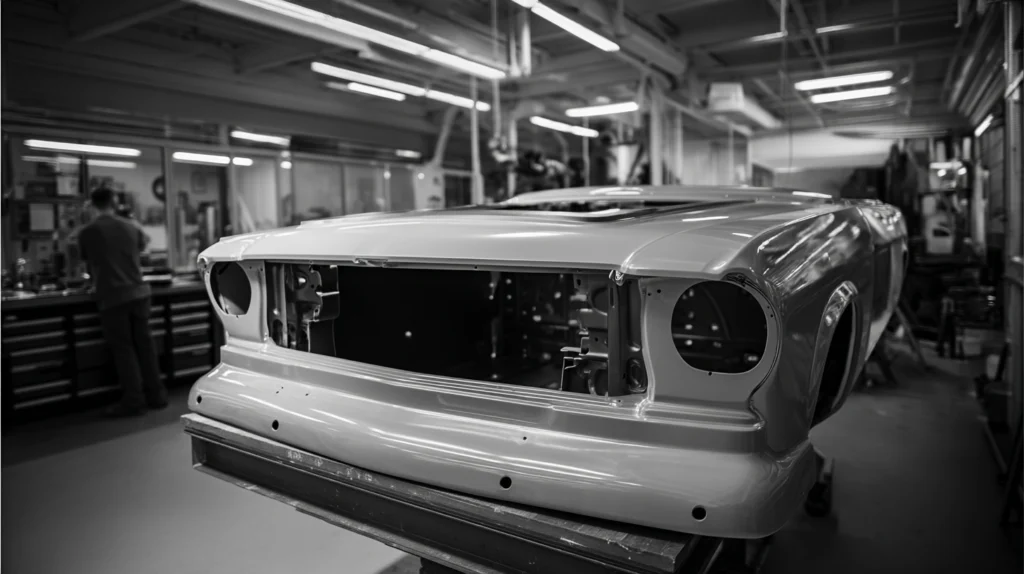
Chalky, cloudy areas or flaking clear coat mean the top layer has failed. At that point, only professional refinish work can fully restore the paint.
Deep Scratches or Basecoat Damage
Minor scratches that barely mark the surface can sometimes be buffed. Deep scratches that expose base coat or metal need professional repair so moisture does not cause rust.
Etching and Stains
Severe water spots, sap marks, and chemical etching that do not respond to gentle polish may require a technician with the right tools to correct safely.
Oxidation You Cannot Polish Out
If faded paint does not respond to careful polish, the coat may simply be too thin. Continuing to polish can ruin the panel, so a pro evaluation is the safest step.
Collision Damage
Whenever a panel is bent or cracked, the paint system is opened up. Proper body work and refinish at a trusted collision shop keep your car safe and keep the paint looking factory correct.
Your Simple Weekly and Monthly Paint Care Checklist
Weekly
Wash your car with proper soap, two buckets, and a clean wash mitt, then rinse and dry. Look for bird droppings, dust, or debris on the paint surface and deal with them quickly.
Monthly
Check for new scratches or water spots, refresh wax on high impact areas, and make sure the vehicle still feels smooth instead of rough.
Seasonal
Before each new season, give the entire car a little extra attention. Clean problem areas, update your protective layer, and adjust how often you wash based on current weather.
Annual
Once a year, consider a light professional polish and inspection. This can catch early rust, hidden environmental damage, or failing protection.
FAQs, Car Paint Maintenance 2025
How often should I wash my car to protect the paint?
Most people do well washing every one to two weeks, or more if the vehicle gets very dirty.
What is the safest way to remove bird droppings?
Soften the area with clean water, then gently lift it with a soft cloth or microfiber towel instead of scrubbing.
Does ceramic coating replace regular washing?
No, you still need regular washing to remove dirt and grime, even if a ceramic coating is on the car.
Are automatic car washes bad for my paint?
Brush style systems can create swirl marks and scratches. Touchless options plus a gentle hand dry are better.
What about matt paint or special finishes?
Matt paint and similar finishes should not be polished with standard products or sealed with glossy wax. Use products made for matte surfaces and follow the maker’s tips carefully.
Final Thoughts, Protecting Your Paint Protects Your Investment
Taking care of car’s paint does not need to be complicated. With smart wash habits, mild soap, clean water, and a simple protective plan, you can protect your vehicle’s paint, maintain shine, and keep your car looking newer through many weeks and seasons. At Re Lux Collision, we repair and refinish with careful attention to every coat so your vehicle leaves with a strong, even finish. If you are worried about paint damage, scratches, or the results of a recent collision, reach out for expert guidance and a free estimate.