
How to Remove Deep Paint Scratches on Cars
A deep car scratch can make any vehicle look older and poorly maintained. Many drivers notice paint scratches after parking in a crowded parking lot or after shopping carts roll into the side of the car. These scratches from car paint are common and often frustrating because they stand out against the car’s finish. The good news is that there are several ways to remove scratches and improve the appearance of the paint.
Understanding what causes a scratch and how deep it goes is the first step toward proper car scratch removal. Some light scratches sit only on the surface of the clear coat. Other paint scratches reach deeper layers of the paint and even expose primer or bare metal. The deeper the scratch goes, the more advanced the scratch repair process becomes.
Drivers often search for a quick fix or the best scratch remover when they see damage on their car. Some scratch remover products can help reduce surface scratches, but deeper scratches require more careful sanding, paint repair, and polishing. In some cases, visiting a professional body shop is the safest way to restore the car’s finish.
This guide answers the question: What Are the Most Effective Ways to Remove Deep Paint Scratches on Cars? It covers how to identify a scratch, what tools to use, and when a professional repair may be the best option to protect the vehicle and avoid bigger problems later.
Understanding Car Paint Layers (Why Scratch Depth Matters)
Before attempting scratch removal, it helps to understand how car paint is structured. Modern vehicles use several layers of paint and protective coatings designed to protect the surface and maintain the vehicle’s finish.
The Four Layers of Car Paint
Every car has a multi layer paint system that includes several protective coatings.
Metal Body Panel
The metal structure of the vehicle forms the base. This metal surface can rust if the paint layers are damaged and moisture reaches the metal.
Primer Layer
Primer sits on top of the metal and helps paint bond to the vehicle. Primer also protects the metal from rust and corrosion.
Base Coat
The base coat is the color coat that gives the vehicle its color. This coat is what drivers notice when they see the vehicle from a distance.
Clear Coat
The clear coat is a transparent coat applied over the paint to protect it from UV rays, debris, and light scratches. Clear coat also gives the car its glossy appearance and protects the surrounding paint.
The Three Types of Scratches
Not all scratches are the same. Identifying the type of scratch helps determine the right scratch repair method.
Clear Coat Scratches
Clear coat scratches affect only the top coat of the paint. These light surface scratches are the easiest to fix. A polishing compound or rubbing compound can often remove scratches like this.
Paint Layer Scratches
Paint scratches that reach the base coat are deeper and may require touch up paint to fill the damaged area and restore the color coat.
Deep Scratches
Deep scratches go through the paint and expose primer or bare metal. These scratches often require sanding, primer, paint, and buffing to properly repair the surface.
The Fingernail Test
One simple way to evaluate a scratch is the fingernail test. Gently drag your fingernail across the scratch. If the fingernail catches inside the groove, the scratch is likely deeper than the clear coat.
If the fingernail catches strongly and you see primer or metal, the scratch has penetrated multiple layers of paint and will require a more detailed repair process.
Can Deep Scratches Be Removed Completely
Many drivers hope a simple scratch remover will remove scratches from car paint instantly. In reality, only certain scratches can be removed completely.
When Light Scratches Can Be Removed
Light scratches and surface scratches often sit within the clear coat layer. These clear coat scratches can often be corrected with polishing compound and buffing.
Using a microfiber cloth or polishing pad with a compound can smooth the surface and remove scratches by leveling the clear coat around the scratch.
When Touch Up Paint Helps
If paint scratches reach the base coat but do not expose metal, touch up paint can help fill the scratch. Applying touch up paint in thin layers can restore the color coat and make the scratch less visible.
When Deeper Scratches Require Repair
Deeper scratches that expose primer or bare metal require more advanced scratch repair. At this stage, sanding, primer, and paint must be applied to restore the protective layers of the vehicle.
Without proper repair, exposed metal may eventually develop rust. Rust can spread under the paint and create bigger problems for the vehicle over time.
Step by Step DIY Method for Repairing Deep Paint Scratches
While some deeper scratches may require a body shop, certain paint scratches can be improved at home with the right tools and patience.
Step 1 |Wash the Vehicle Thoroughly
Begin by washing the scratched area with automotive soap and water. Dirt or debris on the surface can create more scratches during the repair process.
Dry the area with a clean microfiber towel or microfiber cloth.
Step 2 | Inspect the Scratch
Look closely at the scratched area. Determine whether the scratch reaches primer or bare metal. If the metal is visible, the repair may require primer and paint.
If the damage appears to be surface scratches or moderate paint scratches, DIY scratch removal may work.
Step 3 | Light Sanding
Light sanding can smooth rough edges around the scratch. Use fine sandpaper and wet sand the surface carefully.
Wet sand with moderate pressure and keep the paper damp to prevent damage to the surrounding paint. Sanding helps level the surface so the repair blends smoothly.
Step 4 | Apply Touch Up Paint
Once sanding is complete, apply touch up paint to the damaged area. Always apply the paint in thin layers. This prevents buildup and helps create a smooth finish.
Allow each layer of paint to dry before applying another coat. Touch up paint should fill the scratch gradually rather than being applied all at once.
Step 5 | Apply Clear Coat
After the paint dries, apply a clear coat to protect the repair. Clear coat restores shine and protects the new paint from UV rays and debris.
Step 6 | Polish and Buff the Area
Once the clear coat cures, use a polishing compound or rubbing compound with a polishing pad to smooth the repaired area.
Apply polish using circular motions and moderate pressure. Buffing helps blend the repair into the surrounding paint.
Step 7 | Final Protection
Finish the process by applying wax to the repaired area. Wax helps protect the paint and maintain the car’s finish.
Why DIY Scratch Repair Often Falls Short
Many drivers attempt scratch removal at home, but achieving a factory level finish is challenging.
Color Match Challenges
Modern vehicle paint can contain metallic particles or pearl finishes. Achieving an exact color match with touch up paint can be difficult.
Professional repair shops use computerized systems to create a perfect color match for the paint.
Surface Texture Differences
Factory paint finishes have a specific texture. DIY repairs may create a surface that looks uneven or overly smooth compared to surrounding paint.
Sanding Mistakes
Improper sanding can remove too much paint and create deeper damage. This often leads to a larger repair area.
Clear Coat Blending
Blending clear coat with surrounding paint requires skill and proper equipment. Without this step, repaired areas may remain visible.
How Professional Collision Shops Repair Deep Scratches
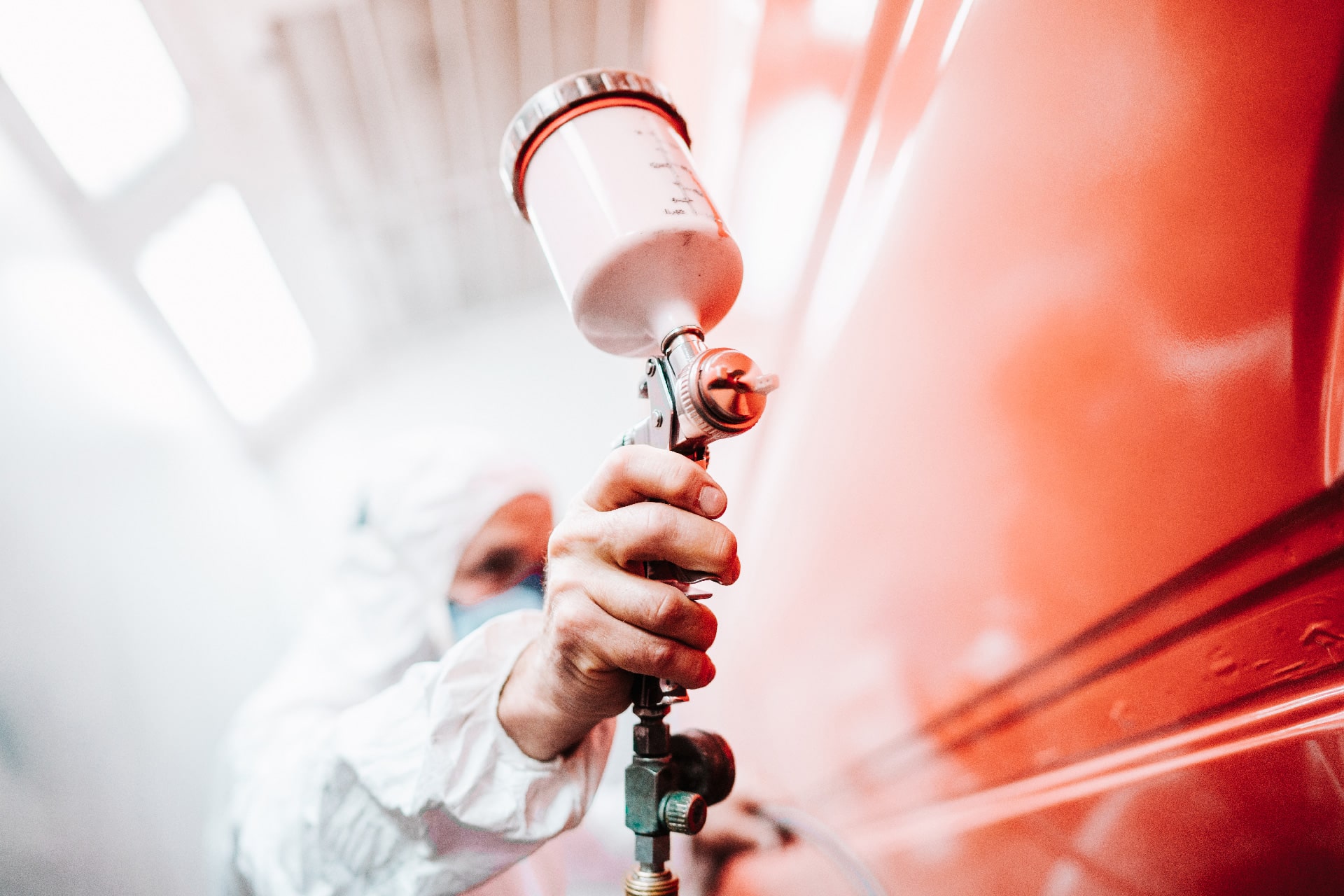
A professional body shop follows a detailed process to repair paint scratches and restore the car’s finish.
Inspection and Assessment
Technicians inspect the scratch to determine how deep it goes and what layers of paint are damaged.
Surface Preparation
The damaged surface is sanded and prepared for repair. Sanding removes damaged paint and smooths the surface.
Primer Application
If the scratch reaches metal, technicians apply primer to protect the metal and prevent rust.
Color Coat Application
A color coat matching the original paint is applied. Multiple coats ensure full coverage and proper color match.
Clear Coat Application
A clear coat is applied over the paint to protect the finish and restore shine.
Final Buffing and Polishing
After the paint cures, technicians polish the panel to blend the repair with surrounding paint.
Professional body shop technicians use advanced tools and paint systems to ensure the repair matches the original finish.
How Much Does Scratch Repair Cost
The cost of car scratch repair depends on the severity of the damage and the size of the scratched area.
Minor scratches and surface scratches may cost a few hundred dollars to repair. Moderate paint scratches requiring sanding and repainting may cost more.
Deep scratches that expose primer or bare metal may require repainting an entire panel. This type of repair can cost significantly more depending on the vehicle and paint type.
Although DIY methods may seem cheaper, poor repairs often lead to bigger problems and additional costs later.
When You Should Visit a Body Shop
Certain types of damage should always be handled by a professional body shop.
Exposed Metal
If bare metal is visible, immediate repair is necessary to prevent rust.
Large Scratches
Large scratches across multiple panels require professional repair tools.
Damage on Curved Panels
Body lines and curved panels require careful sanding and blending.
Paint Peeling
If the paint around the scratch is peeling or cracked, the area must be refinished.
A professional body shop can inspect the vehicle and recommend the best repair method.
Preventing Future Paint Scratches
While it is impossible to prevent every car scratch, a few habits can reduce the risk.
Parking farther away from crowded parking lot areas reduces the risk of damage from shopping carts or other vehicles.
Using proper washing techniques with a microfiber cloth helps prevent light scratches.
Applying wax regularly adds a protective layer over the paint and helps protect the clear coat.
Avoid parking under trees where branches may rub against the surface of the vehicle.
Why Drivers Trust Relux Collision for Paint Repairs
Relux Collision specializes in professional paint and scratch repair. Our team understands how important your vehicle’s appearance is.
Our technicians use advanced paint matching technology and professional refinishing techniques to restore the vehicle’s finish. Each repair is completed with attention to detail to ensure the surrounding paint blends seamlessly.
If your vehicle has deep scratches or paint damage, our team can inspect the damage and recommend the best solution.
Frequently Asked Questions
Can toothpaste remove scratches
Toothpaste is sometimes used as a home remedy for very light scratches because it acts as a mild abrasive. However toothpaste is not an effective scratch remover for deeper scratches or paint scratches.
Can nail polish fix car scratches
Some drivers attempt to fill a scratch with nail polish because it resembles touch up paint. Nail polish can temporarily cover a scratch but it rarely matches the vehicle color or provides proper protection. Nail polish may also create uneven surfaces.
Can rubbing compound remove scratches
Rubbing compound can help remove scratches that exist in the clear coat layer. However rubbing compound cannot repair deeper scratches that reach primer or metal.
Can buffing remove deep scratches
Buffing works best for clear coat scratches and light surface scratches. Deep scratches typically require sanding, primer, and repainting.
Will scratches cause rust
If a scratch exposes bare metal, rust can develop over time. Repairing paint damage quickly helps protect the metal and prevent corrosion.
Final Thoughts on Removing Deep Car Scratches
Car scratches are frustrating but they can often be repaired with the right tools and process. Identifying the depth of the scratch is the first step toward choosing the right repair method.
Light scratches and clear coat scratches may be improved with polish, compound, and buffing. Deeper scratches may require sanding, primer, paint, and clear coat to restore the protective layers of the vehicle.
When scratches reach primer or metal, professional repair is often the best way to restore the vehicle’s finish and protect the paint long term.
If your vehicle has noticeable paint scratches, the team at Relux Collision can help. Schedule your visit today and get a free estimate for professional scratch repair. Our experienced technicians will inspect the damage and recommend the best solution to restore your car’s finish and protect your investment.