
A Complete Driver’s Guide
What does bodywork mean on a car is a question many vehicle owners ask after noticing dents, scratches, or damage following accidents or natural disasters. At Re Lux Collision, we help drivers understand how auto body repair protects a vehicle’s exterior, structural integrity, resale value, and long term reliability. Although many cars experience minor damages over time, proper auto body work restores the original form and supports vehicle safety by ensuring the structure functions the way the manufacturer intended. This guide explains every part of the process so you know exactly what happens inside an auto body shop and why high quality results matter.
What Car Bodywork Actually Means
The Simple Definition
When people ask what does bodywork mean on a car, the answer is straightforward. Bodywork refers to the repairs done to the vehicle’s body, the panels, the frame, and other structural components that make up the vehicle’s exterior. Auto body work includes restoration after a collision, dent repair, paint restoration, and structural repairs that keep the body aligned and strong. Bodywork repairs help return the automobile as close as possible to its original shape while preserving the aesthetic appeal and overall quality.
What Components Count as Bodywork
The car’s bodywork includes doors, bumpers, fenders, quarter panels, the hood, the roof, glass components tied to impact damage, and damaged panels that require repair work or replacement. These areas protect the structure and support other structural components inside the vehicle. When any part of this system is compromised, the vehicle’s body loses strength which can lead to further issues and significant issues if not repaired quickly.
Bodywork vs Mechanical Repair
Many vehicle owners are unsure whether they need mechanical repairs or body work. Mechanical repairs address internal systems like brakes, engines, and suspension. Bodywork repairs focus on dents, scratches, damaged panels, structural damage, and anything affecting the exterior or structural integrity of the vehicle. An auto body repair shop uses specialized tools and trained technicians to restore the body, while a mechanic focuses on mechanical systems. Both matter for safety, but collision repair requires a body shop with the right equipment, a skilled body man, and the experience to handle extensive damage.
What Is Included in Auto Bodywork Repairs

Dent and Ding Repair
Dent repair is one of the most common needs after accidents or minor damages. Small dents and small scratches may only require paintless dent repair which gently massages the metal back into original form without affecting the paint. More severe dents, deep scratches, or a damaged area that exposes bare metal require body filler, sanding, applying protective coatings, and refinishing. These repairs prevent rust and protect the vehicle’s appearance from environmental damage.
Scratch, Scuff, and Paint Damage Restoration
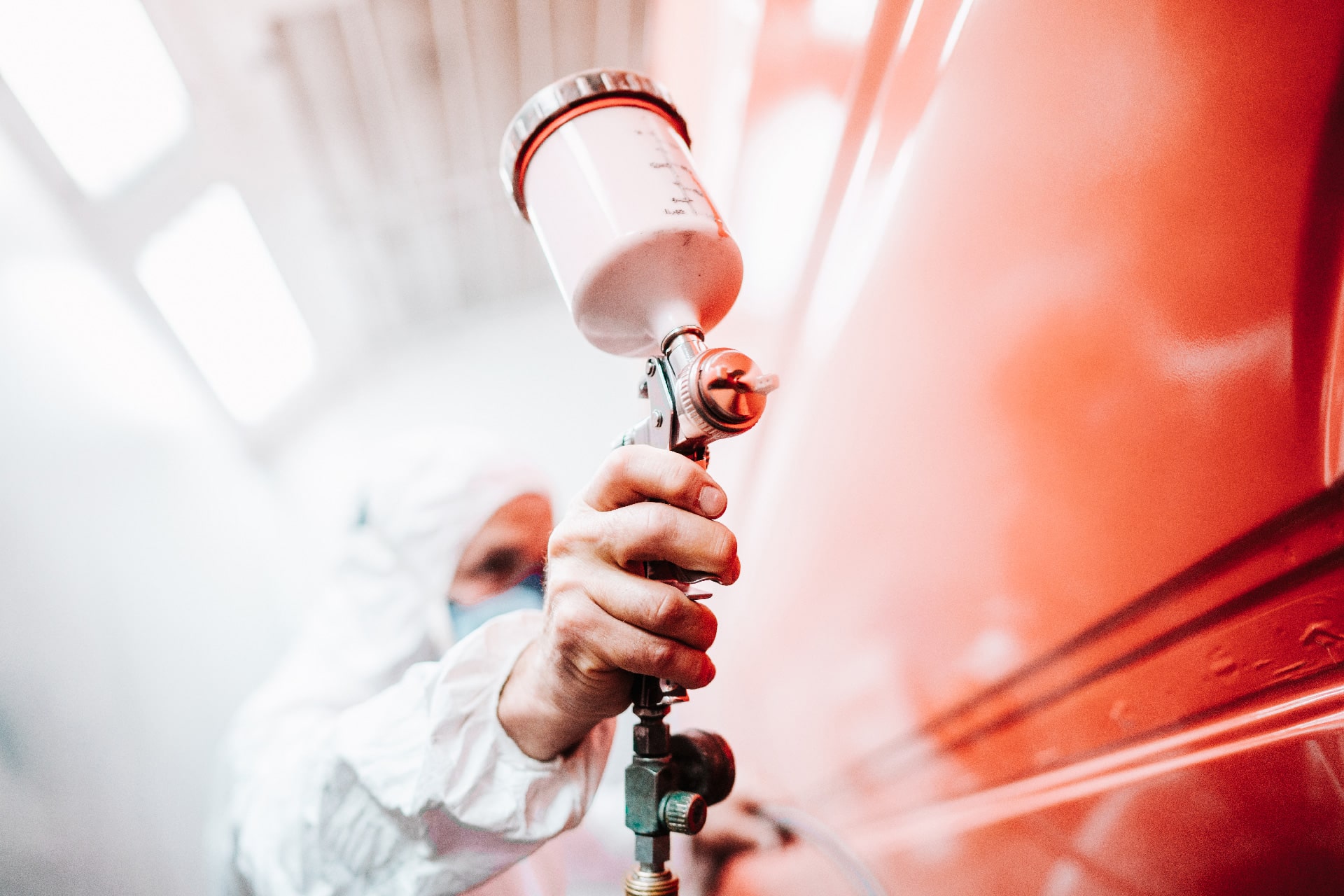
Paint scratches, scuffs, and surface markings affect many cars over time. Auto body repair involves sanding, smoothing, applying body filler if needed, priming, painting, and finishing with a clear coat. This restoration protects the vehicle’s exterior and improves aesthetic appeal. Skilled technicians apply several layers of paint and protective coatings to achieve a flawless finish while defending the vehicle against future wear.
Panel Repair and Replacement
Damaged panels must be repaired or replaced depending on severity. If the damaged area affects the structure or cannot be repaired safely, the repair shop installs new panels to restore the original shape and structural integrity. This type of bodywork requires precise alignment to maintain aerodynamic efficiency and ensure the vehicle meets safety standards.
Frame and Structural Bodywork
Collision damage often affects the frame or other structural components. When this happens, structural repairs are necessary to ensure vehicle safety. Straightening systems help return the frame to original form so the car drives correctly and protects passengers in future accidents. Without proper structural repairs, the vehicle may not absorb impact properly which can create significant issues during another collision.
Bumper Repair and Replacement
Bumpers protect the structure and reduce impact force during accidents. Auto body shops repair cracks, dents, paint scratches, and misalignment, and replace bumpers when extensive damage is present. This ensures the vehicle’s body and safety systems function correctly.
Glass Related Body Repairs
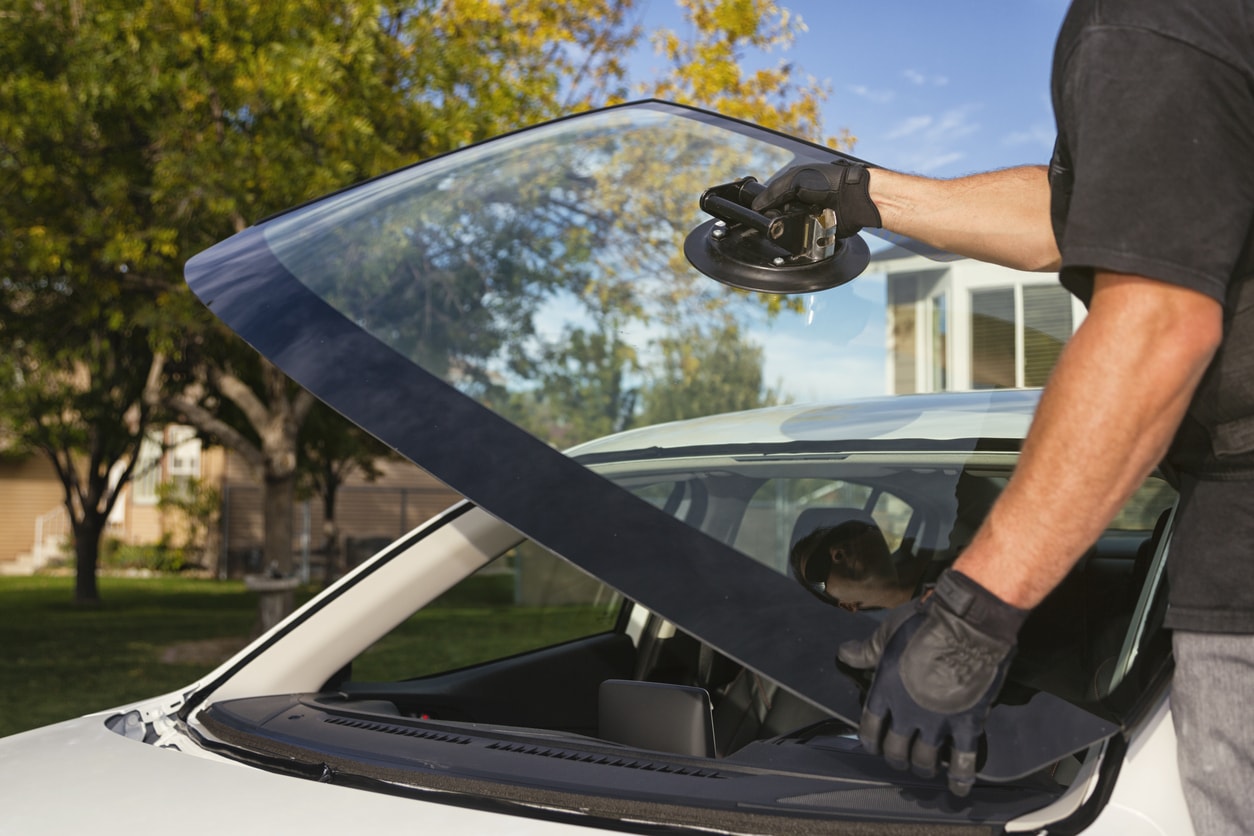
In some collision repair cases, body shops replace windshields or windows when the damaged area impacts structural integrity or the surrounding panels. Proper sealing and alignment prevent leaks and protect the interior from environmental damage.
Why Bodywork Matters More Than Most Drivers Realize
Protecting the Vehicle’s Structural Integrity
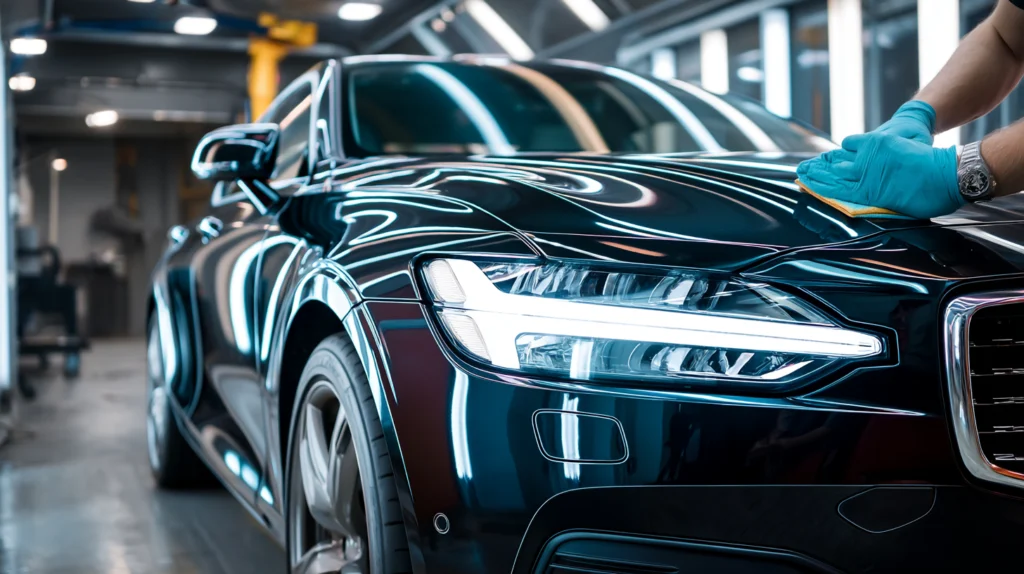
Bodywork repairs do more than restore vehicle appearance. When damage affects the structure, even minor dents or scratches can weaken strength over time. Returning structural components to proper alignment is essential for vehicle safety because the structure is designed to absorb impact energy during accidents.
Preventing Rust and Long Term Wear
Bare metal exposed by scratches, small dents, or chipped paint quickly develops rust. Rust spreads and can cause extensive damage requiring more extensive work. Auto body repair stops this early so the car stays strong and reliable.
Safety Considerations After a Collision
Many cars rely on sensors and crumple zones built into the vehicle’s body. If these areas are compromised, they must be restored by a qualified auto body repair shop to maintain safety standards. Collision repair ensures the structure and technology function correctly.
Resale Value and Insurance Factors
Auto body work preserves resale value by keeping the vehicle looking and functioning like new. Buyers avoid cars with visible dents, scratches, or structural damage. Insurance companies also expect vehicles to meet safe standards after repairs, making professional assessment important.
Types of Bodywork Damage From Minor to Major
Cosmetic Damage
Cosmetic damage includes small scratches, minor dents, and surface imperfections. These issues can still expose bare metal and should be repaired as soon as possible.
Moderate Damage
Moderate damage includes deeper dents, cracked bumpers, damaged panels, and scrapes that affect the underlying layers. This usually requires sanding, body filler, or replacement parts.
Severe or Structural Damage
Severe damage affects the frame and structural components. It requires structural repairs, extensive work, and precise alignment. Auto body shops use equipment such as frame machines to restore original form and ensure vehicle safety.
How Professionals Perform Auto Bodywork
Step 1 Damage Assessment and Estimate
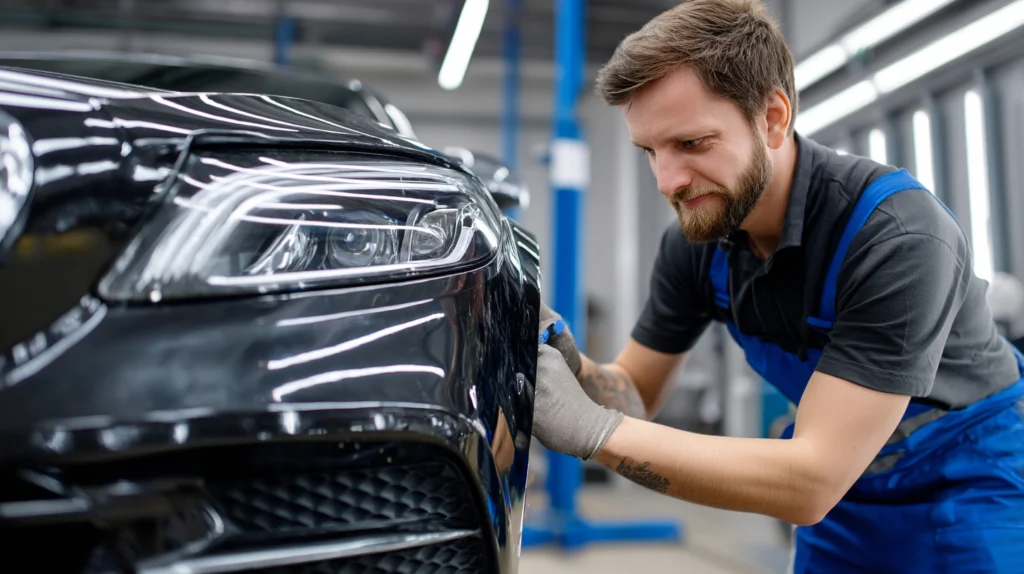
The repair process begins with a professional assessment of the damaged area. The repair shop examines visible and hidden issues to determine what bodywork repairs are necessary. This helps provide an accurate cost estimate for the vehicle owner.
Step 2 Disassembly and Parts Ordering
Technicians remove panels or trim to address issues below the surface. Parts are ordered based on repair needs and manufacturer guidelines.
Step 3 Structural or Panel Repair
If structural damage is found, frame machines and other specialized tools restore alignment. Damaged panels are repaired or replaced so the vehicle returns to original shape.
Step 4 Surface Preparation and Refinishing
Technicians sand the surface, apply body filler where needed, prepare primer, and add paint using several layers. A clear coat protects the finish and restores shine.
Step 5 Reassembly and Quality Control
After repairs, the car is reassembled and checked for alignment, safety, and appearance. Skilled technicians ensure high quality results before returning the vehicle.
Common Myths About Auto Bodywork
Bodywork Is Only Cosmetic
Bodywork is essential for structural integrity, not just appearance. Even minor dents can affect structure over time.
Small Damage Does Not Need Repair
Ignoring minor dents or scratches leads to rust and more extensive damage later.
Insurance Does Not Cover Bodywork
Most collision related repairs are covered depending on policy.
Any Shop Can Perform Auto Body Work
Auto body repair requires experience, specialized tools, and strict processes to ensure quality and safety.
When Should You Get Bodywork Done

Signs You Should Not Ignore
Look for misaligned panels, stuck doors, damaged panels, bare metal, paint scratches, unusual sounds, or sensor issues. These signs indicate the need for auto body work.
Why Timing Matters
Quick repairs prevent rust, protect structural components, and prevent further issues. Early action saves money and supports vehicle safety.
What Bodywork Usually Costs in 2025
Factors That Affect Pricing
The cost of repairs depends on the damaged area, severity, paint needs, structural damage, and parts availability.
Typical Ranges for Different Repairs
Cosmetic damage costs less, while structural repairs and more extensive work cost more because they involve additional labor and equipment.
Why High Quality Bodywork Matters at Re Lux Collision
Our Repair Philosophy
We focus on quality, precision, and long term safety. Every repair is done to restore the vehicle’s body as close as possible to original form.
Advanced Technology and Color Matching
We use advanced paint systems that create consistent color matching and a flawless finish.
Certified Technicians and Repair Standards
Our skilled technicians follow proven repair processes designed to protect your vehicle.
Transparent Estimates and Insurance Support
We guide you through the process from the first professional assessment to the final inspection.
Results You Can See and Trust
When your car looks and drives the way it should, you feel confident behind the wheel. Schedule a free estimate today and let our team restore your vehicle the right way.
Frequently Asked Questions
What does bodywork mean on a car?
Bodywork on a car refers to the repair and restoration of the vehicle’s exterior panels, frame, and other structural components. It includes fixing dents, scratches, damaged panels, and structural repairs that maintain the vehicle’s appearance and safety.
How is bodywork different from mechanical repairs?
Bodywork focuses on the vehicle’s exterior and structural integrity, such as dent repair, paint restoration, and frame alignment. Mechanical repairs address internal systems like the engine, brakes, and suspension. Both are important but require different expertise and tools.
When should I get bodywork done on my vehicle?
You should consider bodywork if you notice dents, scratches, misaligned panels, exposed bare metal, or after a collision. Prompt repairs prevent rust, maintain structural integrity, and ensure vehicle safety.
Does insurance cover auto bodywork repairs?
Most insurance policies cover collision-related bodywork repairs, depending on your coverage and deductible. It is important to consult your insurance provider and work with a reputable auto body repair shop that can assist with claims.
Conclusion
Understanding what does bodywork mean on a car is essential for every vehicle owner. Auto bodywork is not just about aesthetics; it plays a critical role in maintaining your vehicle’s structural integrity, safety, and resale value. Whether dealing with minor dents or significant collision damage, professional auto body repair ensures your vehicle remains reliable and safe on the road. By addressing damage promptly and choosing a skilled auto body repair shop equipped with specialized tools and certified technicians, you protect your investment and enjoy peace of mind. If your vehicle has suffered any exterior or structural damage, don’t delay—schedule a professional assessment today to keep your car in optimal condition.