
Overview of Collision Repair
After a car accident, understanding the collision repair process can make everything feel more manageable. At Re Lux Collision, our collision repair shop focuses on restoring your damaged vehicle to pre accident condition while protecting your vehicle’s safety and long term value. Collision repair depends on the extent of the damage and can include structural repairs, auto body repair, mechanical repairs, refinishing, and calibrations. Our goal is to guide every vehicle owner through this essential process with clarity and confidence.
What Is Collision Repair?
A Clear, Simple Definition
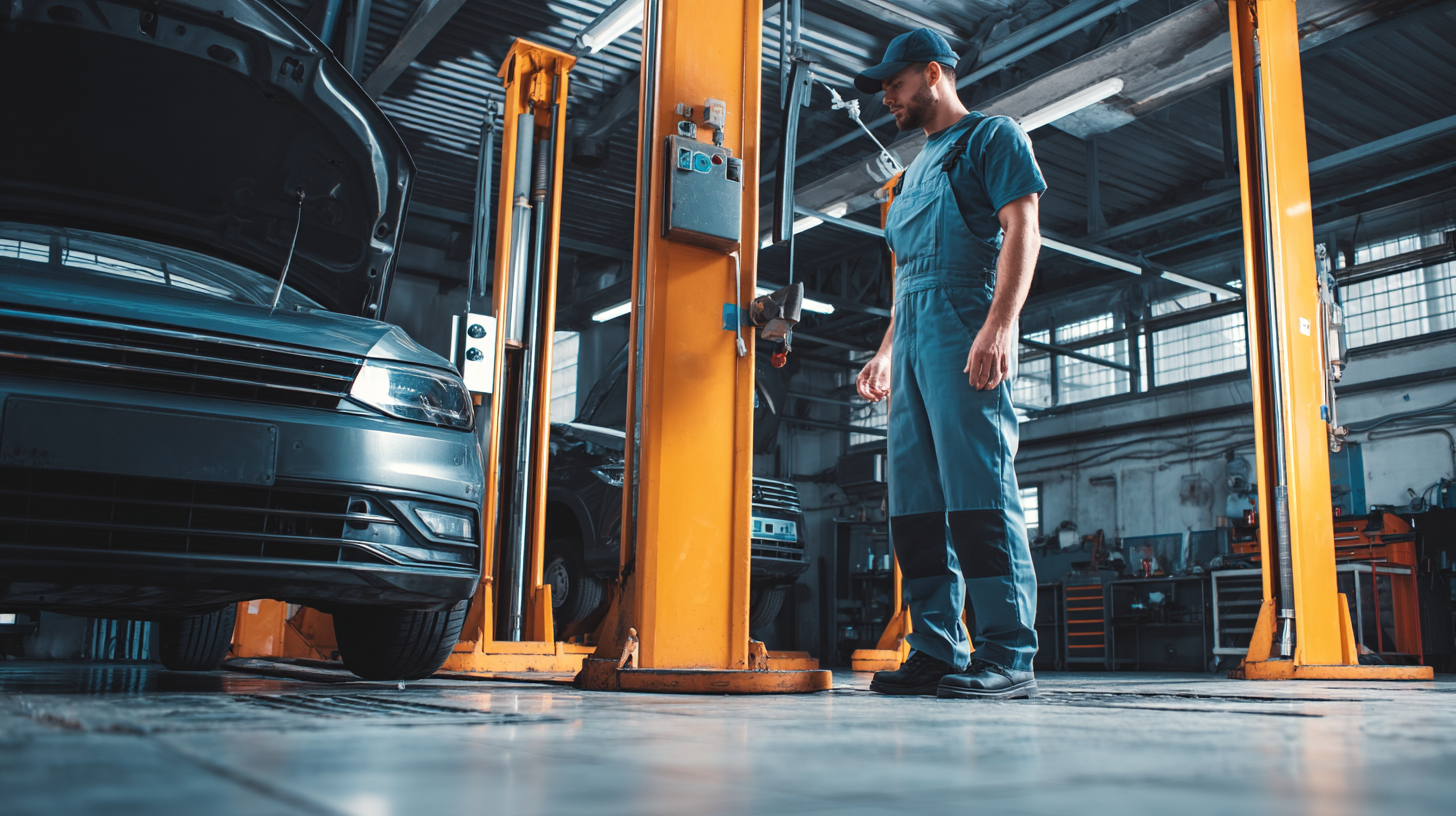
Collision repair is the professional restoration of a damaged vehicle after an impact. Auto collision repair addresses collision damage that affects the vehicle’s structure, body panels, paint, mechanical components, and safety features. When structural damage or cosmetic repairs are required, our skilled technicians follow a detailed repair process that restores structural integrity, vehicle’s appearance, and safe drivability. Proper auto body collision repair brings your vehicle as close as possible to pre collision condition while meeting safety standards and manufacturer’s specifications.
Collision Repair vs. Auto Body Repair
Auto body repair usually focuses on minor cosmetic issues such as minor scratches, minor dents, or a small paint job. Auto body repair shops or an auto body shop specializes in this lighter work. Collision repair involves deeper inspection, including thorough damage assessment and structural repairs when needed. Auto body collision repair also covers dent repair, dent removal, panel replacement, and refinishing, but it expands into areas like frame straightening, frame repair, and calibrations when the impact has caused more extensive repairs than a typical body shop would handle.
The Complete Collision Repair Process (Step by Step)
The collision repair process has several stages that work together to restore a damaged vehicle safely and accurately. Each step ensures the repair process moves smoothly from evaluation to final inspection.
Step 1 | Initial Damage Assessment and Estimate
We begin with a visual inspection of damaged panels and body panels, followed by electronic scans to identify hidden issues. This helps us create a comprehensive estimate that reflects the extent of the damage and outlines how the collision repair process will move forward.
Step 2 | Insurance Claim Assistance
Our advisors coordinate with your insurance company to verify coverage, explain insurance cover details, and share photos and estimate data. This reduces delays and keeps your repair process moving.
Step 3 | Vehicle Drop Off and Pre Repair Scanning
Modern vehicles rely on electronics and sensors, so we perform pre repair scans to detect collision damage not visible from the surface and to plan accurate repairs for modern vehicles.
Step 4 | Disassembly and Hidden Damage Discovery
After disassembly, a thorough inspection reveals hidden structural damage, damaged body panels, or mechanical components that need attention. This step often determines whether minor repairs or major repairs will be required.
Step 5 | Structural and Frame or Unibody Repair
If the impact affected the vehicle’s structure, we use hydraulic equipment and precision equipment for frame straightening and frame repair. Structural repairs address major structural issues and restore structural integrity according to manufacturer’s specifications and i car guidelines.
Step 6 | Body Work and Panel Repair or Replacement
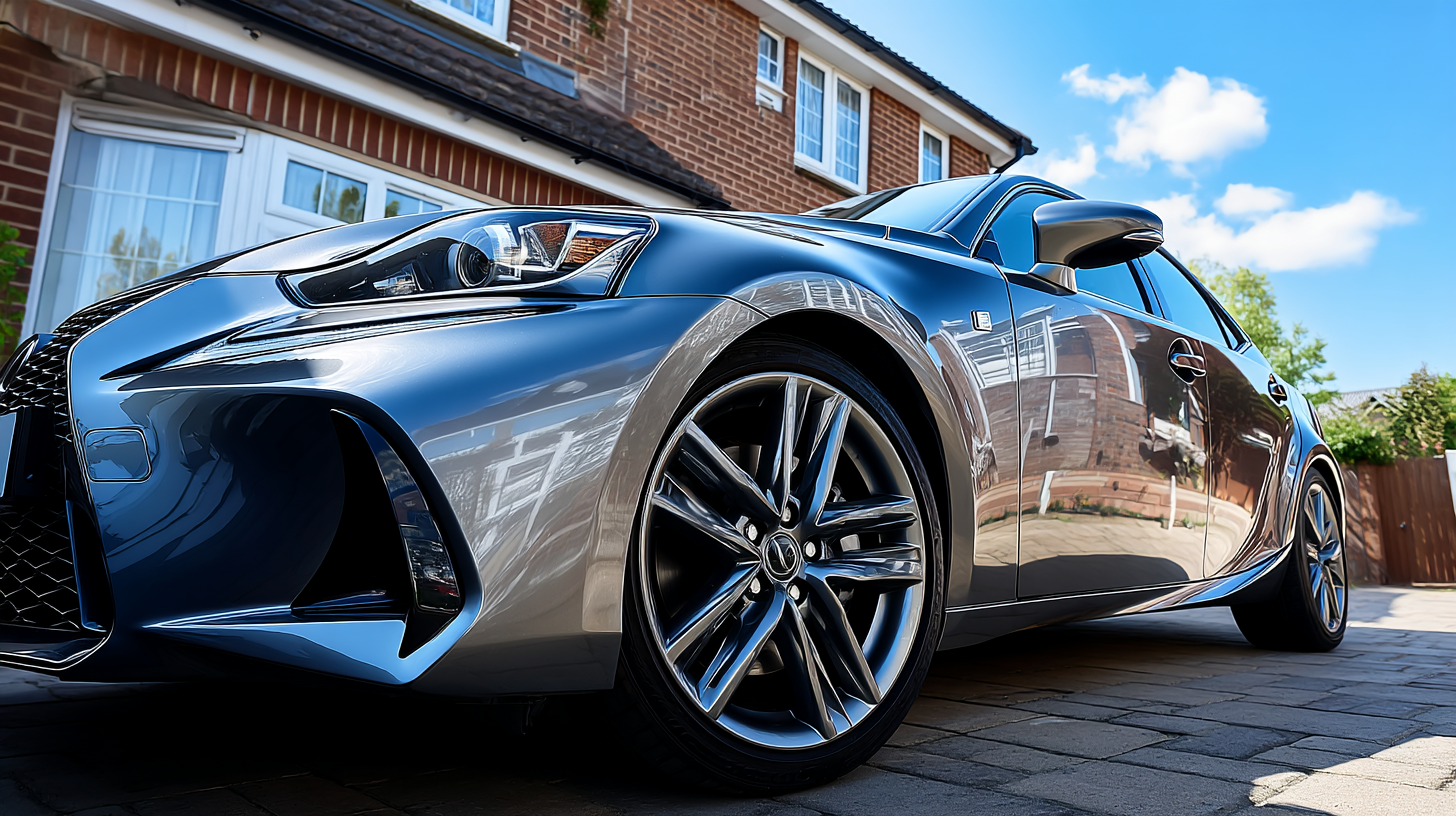
Our collision center handles dent repair, dent removal, paintless dent repair for certain areas, and panel replacement when metal cannot be saved. Skilled technicians repair the car’s body and vehicle’s body so cosmetic repairs blend naturally with the original finish.
Step 7 | Mechanical Repairs Related to the Collision
When the suspension system, steering, or other mechanical components are affected, mechanical repairs are included to ensure the vehicle is functioning properly. Signs like uneven tire wear or pulling while driving can indicate deeper issues.
Step 8 | Paint Preparation, Color Matching and Refinishing
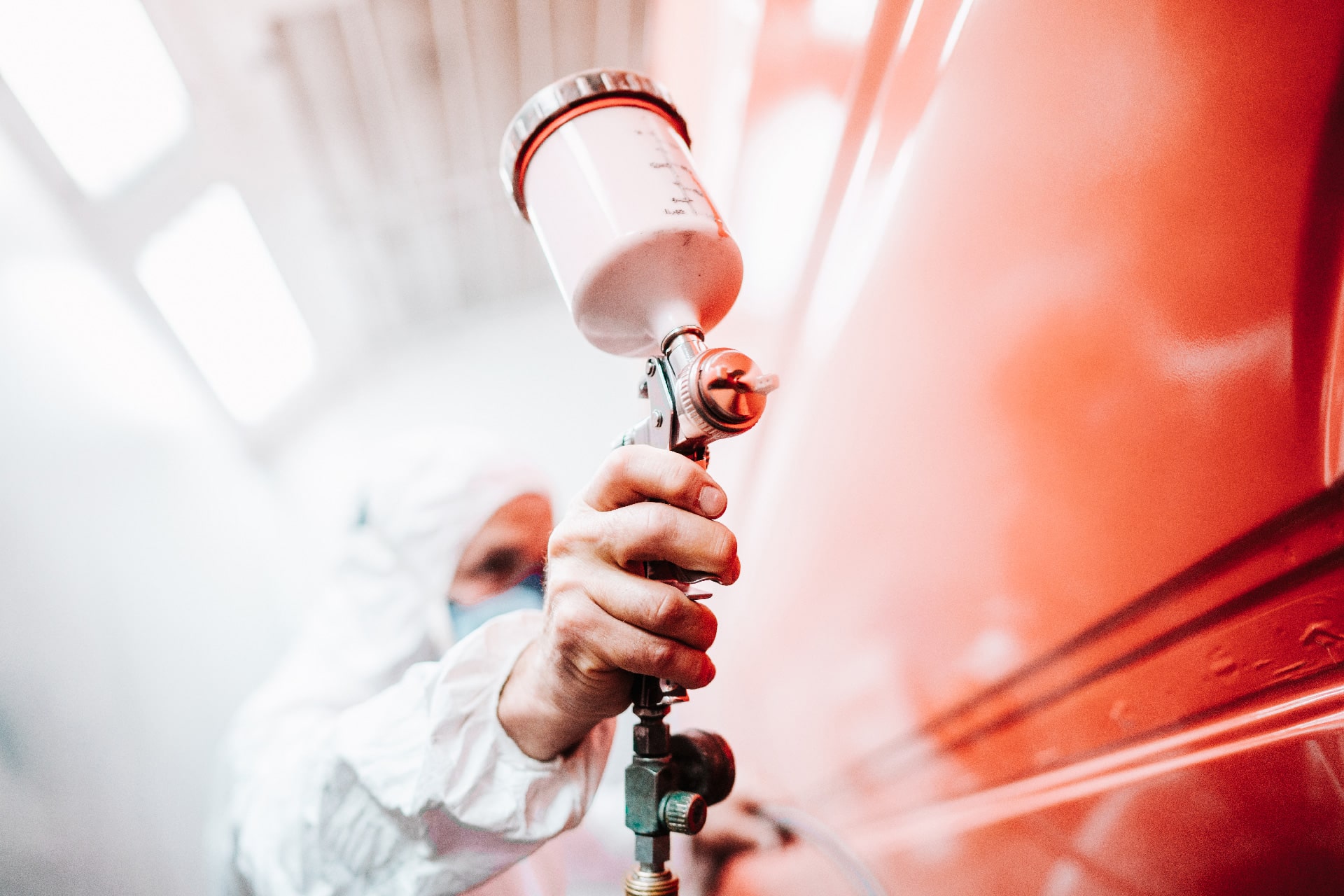
We prepare surfaces, apply color, and finish with clear coat to restore vehicle’s appearance. This refinishing work protects the auto body and returns the car to a smooth, consistent finish.
Step 9 | ADAS Diagnostics and Calibration
Safety features such as radar, cameras, and sensors must be recalibrated after certain repairs. Our specialized equipment ensures these systems operate correctly in line with safety standards.
Step 10 | Reassembly, Road Testing and Quality Control
After repairs, parts are reinstalled and a final inspection verifies that everything is aligned, sealed, and functioning properly. This supports the essential process of restoring both appearance and performance.
Step 11 | Final Detailing and Vehicle Delivery
We clean the damaged vehicle inside and out, confirm all work meets expectations, and complete the repair process with a clear explanation of the repairs performed.
What Types of Damage Does Collision Repair Include?
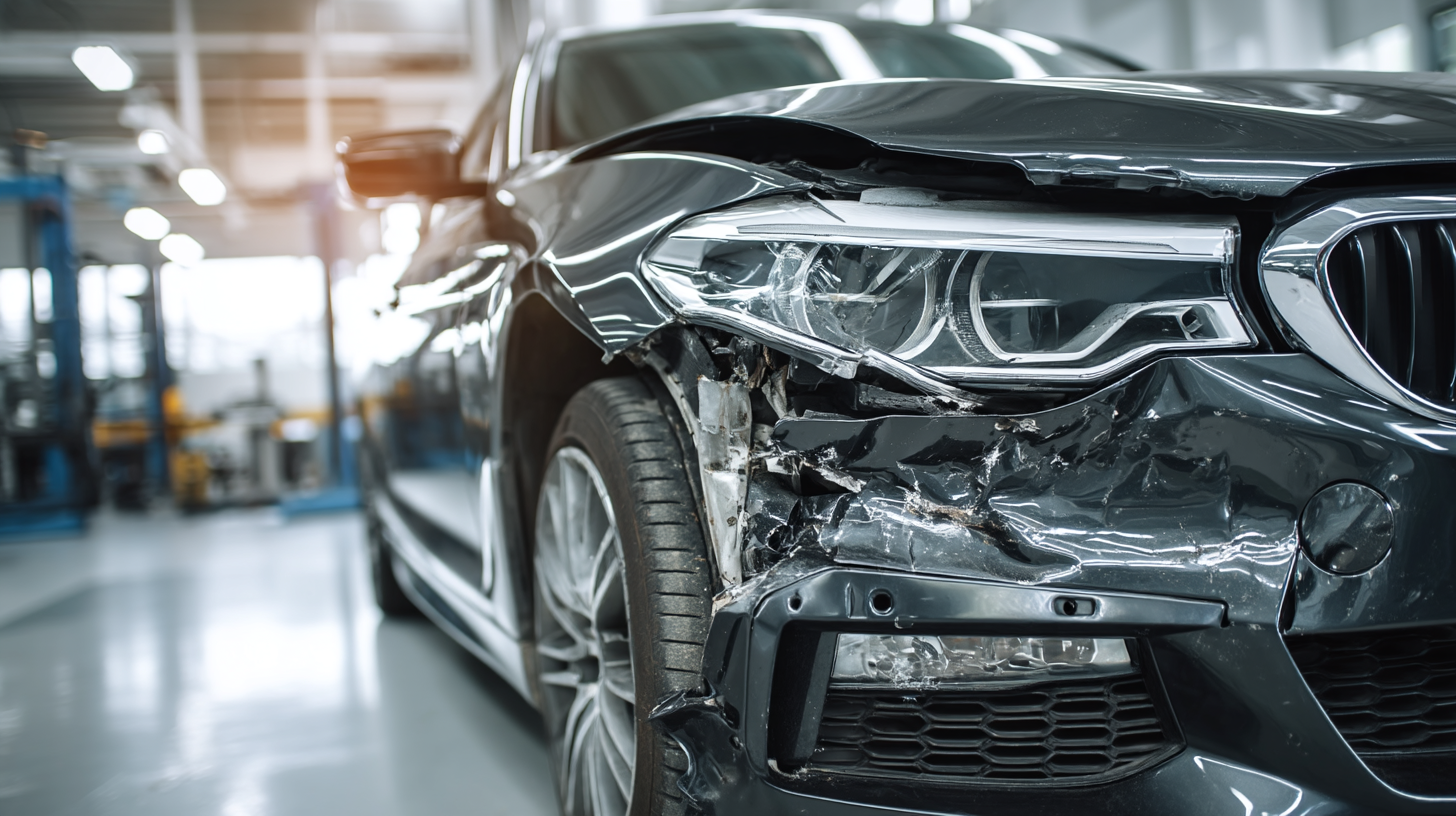
Structural vs. Non Structural Damage
Structural repairs address structural damage to the vehicle’s structure when deeper metal is affected. Non structural issues include cosmetic repairs to outer auto body panels or minor cosmetic issues that may still require attention.
Frame and Unibody Damage
When the frame or unibody shifts, frame repair and frame straightening are needed to restore proper support points. This ensures the vehicle handles correctly and meets safety standards.
Bumpers, Fenders and Exterior Panels
Impacts often damage body panels and exterior trim. Repairing or replacing damaged panels protects the car’s body and prevents more extensive repairs in the future.
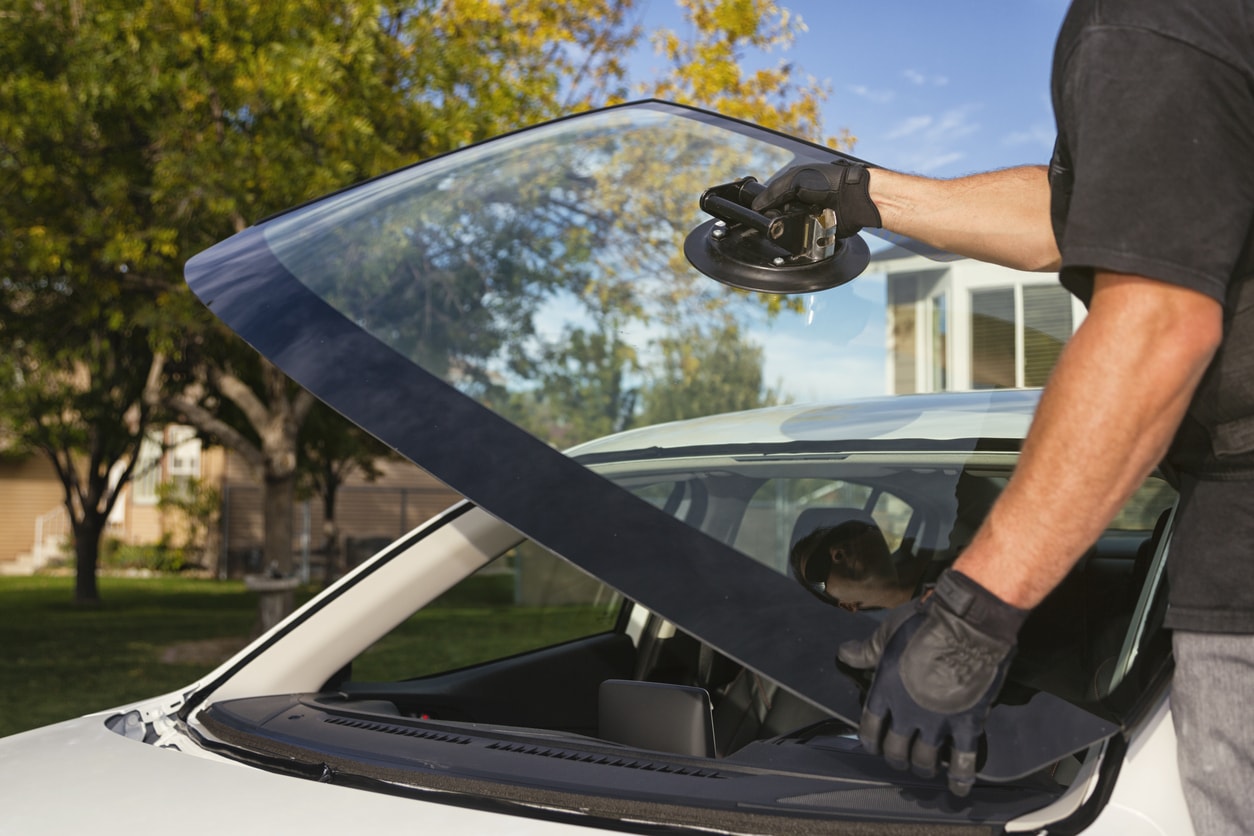
Glass and Lighting Systems
Lighting and glass components are safety features that must be restored after a collision to maintain visibility and vehicle’s safety.
Suspension, Steering and Alignment Issues
A damaged suspension system or steering angle can cause uneven tire wear or poor handling, making mechanical repairs necessary for safe driving.
Safety Systems, Airbags and Electronics
Collision repair includes diagnostics for airbags and electronic safety features to ensure everything is functioning properly after repairs.
How Long Does Collision Repair Take?
Factors That Affect Turnaround Time
Collision repair depends on the extent of the damage, parts availability, approvals from the insurance company, and whether specialized equipment is required.
Typical Repair Timelines
Minor repairs may take a few days, while more extensive repairs that involve structural work or calibrations take longer.
How Re Lux Keeps You Updated
Our collision center provides updates throughout the repair process so the vehicle owner understands each step and timeline.
What’s Included in a Collision Repair Estimate?
Labor Operations and Labor Hours
The estimate outlines the repair process including auto body repair, structural repairs, refinishing, and mechanical repairs.
Parts Selection
The insurance company may approve OEM parts or recycled components from repair shops or auto body repair shops depending on availability.
Paint, Materials and Supplies
Materials include primers, color coats, and clear coat needed to complete a high quality paint job.
Scans, Calibrations and Sublet Services
Modern vehicles require scanning and calibration to ensure all systems are functioning properly.
Supplements and Hidden Damage
A thorough damage assessment during disassembly may reveal more extensive repairs, leading to a revised estimate that reflects the true extent of the damage.
Why Proper Collision Repair Matters
Restoring OEM Safety Standards
Our auto body collision repair process restores the vehicle’s safety by repairing the vehicle’s structure and calibrating safety features.
Protecting Resale Value
Accurate auto body work, clean panel replacement, and a proper paint job protect future value and improve vehicle’s appearance.
Warranty Protection
Choosing the right collision repair shop ensures your auto body repair is backed by a guarantee you can trust.
What Makes Re Lux Collision Different
Certified Technicians and OEM Aligned Training
Our experienced technicians follow i car procedures and manufacturer’s specifications for safe and accurate auto body collision repair.
Advanced Tools and Technology
We invest in specialized equipment, hydraulic equipment, and precision equipment for reliable frame repair and structural repairs.
Seamless Insurance Coordination
We manage communication with your insurance company so your repair process stays efficient.
Quality Guarantee and Customer First Service
Our auto repair shop focuses on communication and craftsmanship so your damaged vehicle returns to pre accident condition.
How to Prepare for Your Collision Repair Appointment
What to Bring
Bring your claim number, insurance details, and any documents related to the car accident to help us begin quickly.
Rental Cars, Towing and Logistics
We coordinate towing and rentals to make the repair process smoother for every vehicle owner.
Your Right to Choose a Repair Shop
You always have the right to choose the right collision repair shop instead of relying only on insurer recommendations.
FAQs, What Does Collision Repair Include?
How is collision repair different from auto body repair?
Auto body repair handles cosmetic repairs and minor cosmetic issues while collision repair involves deeper structural repairs and more extensive repairs.
Does collision repair include mechanical work?
Yes, mechanical repairs are included when mechanical components are damaged and need to be functioning properly again.
Will my car look the same after a collision?
With skilled technicians and correct materials, collision repair includes refinishing that restores the car’s body and vehicle’s appearance.
What if more damage is found after repairs begin?
If we find major structural issues or hidden concerns, we update the comprehensive estimate so collision repair includes everything needed.
How do calibrations fit into the process?
Modern vehicles require calibration to restore safety features after structural repairs or panel replacement.
Does collision repair come with a warranty?
Yes, our collision center offers warranty protection on qualifying work.
Conclusion
In conclusion collision repair restores structural integrity, safety features, and the auto body after an accident. The key takeaways collision repair customers should remember are simple, choose a trusted collision center, ask questions about the repair process, and work with a team that follows manufacturer guidelines. With specialized equipment and experienced technicians, Re Lux Collision is ready to restore your damaged vehicle with care and precision.