
If you are driving one of today’s modern vehicles, your car is constantly helping you stay safe. Advanced driver assistance systems work quietly in the background, monitoring traffic, watching lane markings, and reacting faster than a human ever could. After collision repairs, however, those same safety systems can become unreliable if calibration is ignored. Understanding what happens if ADAS calibration is not done after repairs is critical for vehicle safety, long term performance, and peace of mind.
At Relux Collision, we treat ADAS calibration as a critical step in auto body repair, not an optional service. When calibration is skipped, safety features may activate at the wrong time, fail to detect obstacles, or provide false warnings. The vehicle may appear repaired, but the technology designed to protect you may no longer function correctly.
What Is ADAS Calibration? (And Why It’s Not Optional)
ADAS calibration is the process of restoring driver assistance systems ADAS to factory specifications after collision repairs. These systems rely on precise sensor alignment, accurate mounting points, and verified angles to operate safely. Even minor auto body work can change those measurements.
Advanced driver assistance systems include cameras, radar units, and ultrasonic sensors that constantly collect data. Proper calibration ensures these ADAS sensors interpret that data accurately and respond as intended. Without proper ADAS calibration, system accuracy is compromised and safety system performance can no longer be trusted.
What ADAS Systems Actually Control
ADAS systems manage many of the most common ADAS features drivers rely on every day. Automatic emergency braking and emergency braking functions help reduce frontal collisions. Adaptive cruise control maintains distance from the vehicle ahead. Blind spot monitoring and blind spot detection warn drivers of vehicles outside their line of sight. Lane departure warnings, lane keep, and lane keeping assist use cameras to follow lane lines and lane markings. These safety features systems rely on constant calibration to detect obstacles and respond appropriately.
Static vs. Dynamic ADAS Calibration
There are two primary types of calibration used during auto body repair. Static calibration is performed in a controlled shop environment using specialized equipment, targets, and precise measurements. Dynamic calibration requires driving the vehicle under specific conditions so the systems depend on real world data like lane markings and traffic flow. Many vehicles require both methods to meet OEM requirements. Skipping either step can affect safety system performance.
OEM Requirements vs. Guesswork Repairs
OEM procedures clearly outline calibration requirements after collision repairs. These required procedures are based on manufacturer specifications, not warning lights or how the car feels on a test drive. Warning lights do not always illuminate when ADAS systems are misaligned. OEM documentation makes it clear that calibration is an OEM required calibration whenever certain repairs are performed.
Why ADAS Calibration Is Required After Collision Repairs
ADAS calibration is required because even small changes to vehicle structure or components can affect sensor alignment. Collision repairs do not have to be severe to create calibration requirements.
Even Minor Repairs Can Affect Sensor Accuracy
Bumper repairs, windshield replacement, suspension work, wheel alignment, and cracked windshield replacement are common triggers. Structural repairs, suspension work, or changes to mounting points can alter the camera’s angle or cause a misaligned radar. These changes affect how ADAS components detect obstacles and track the vehicle ahead.
Sensor Alignment Is Measured in Millimeters
ADAS systems rely on precise sensor alignment measured in millimeters. A slight shift can change how automatic emergency braking or adaptive cruise control reacts. Delayed braking or emergency braking at the wrong time can occur if sensors are not properly recalibrated to factory specifications.
Why No Warning Lights Does Not Mean No Problem
One of the most dangerous misconceptions is assuming safety systems are fine if there are no warning lights. Many ADAS issues do not trigger warning lights. Systems may still function, but not function correctly. This is why calibration matters after auto body repair.
What Happens If ADAS Calibration Is Skipped?
Skipping ADAS calibration can create hidden risks that only appear in real driving situations.
Safety Systems May React Too Late or Not at All
When skipping calibration, automatic emergency braking and emergency braking may activate too late. Lane keep and lane keeping assist may drift toward lane lines. Adaptive cruise control may misjudge distance to the vehicle ahead. These failures increase the risk of accidents during everyday driving.
False Alerts and Unpredictable Behavior
Improper calibration can also trigger false warnings. Blind spot monitoring may alert when no vehicle is present or fail to warn when a vehicle is in the blind spot. Systems may brake unexpectedly or issue lane departure warnings at the wrong time. These issues cause drivers to lose trust in their safety features.
Increased Risk of Accidents After Repairs
Skipping ADAS calibration increases the likelihood of post repair incidents. When safety systems do not operate according to factory procedures, vehicle safety is compromised. Both safety and reliability suffer.
Liability Risks for Vehicle Owners and Repair Shops
Incomplete collision repairs can create liability concerns. Repair facilities must follow OEM procedures and calibration requirements. When skipping calibration, documentation gaps can complicate insurance claims and investigations after an accident.
Real World Examples of ADAS Calibration Failures
We regularly see vehicles repaired elsewhere that arrive with unresolved ADAS issues.
Post Repair Near Miss Scenarios
Highway driving often reveals problems. Delayed braking, unstable adaptive cruise control, and drifting lane keeping assist are common signs of improper ADAS recalibration.
Windshield Replacement Without Camera Calibration
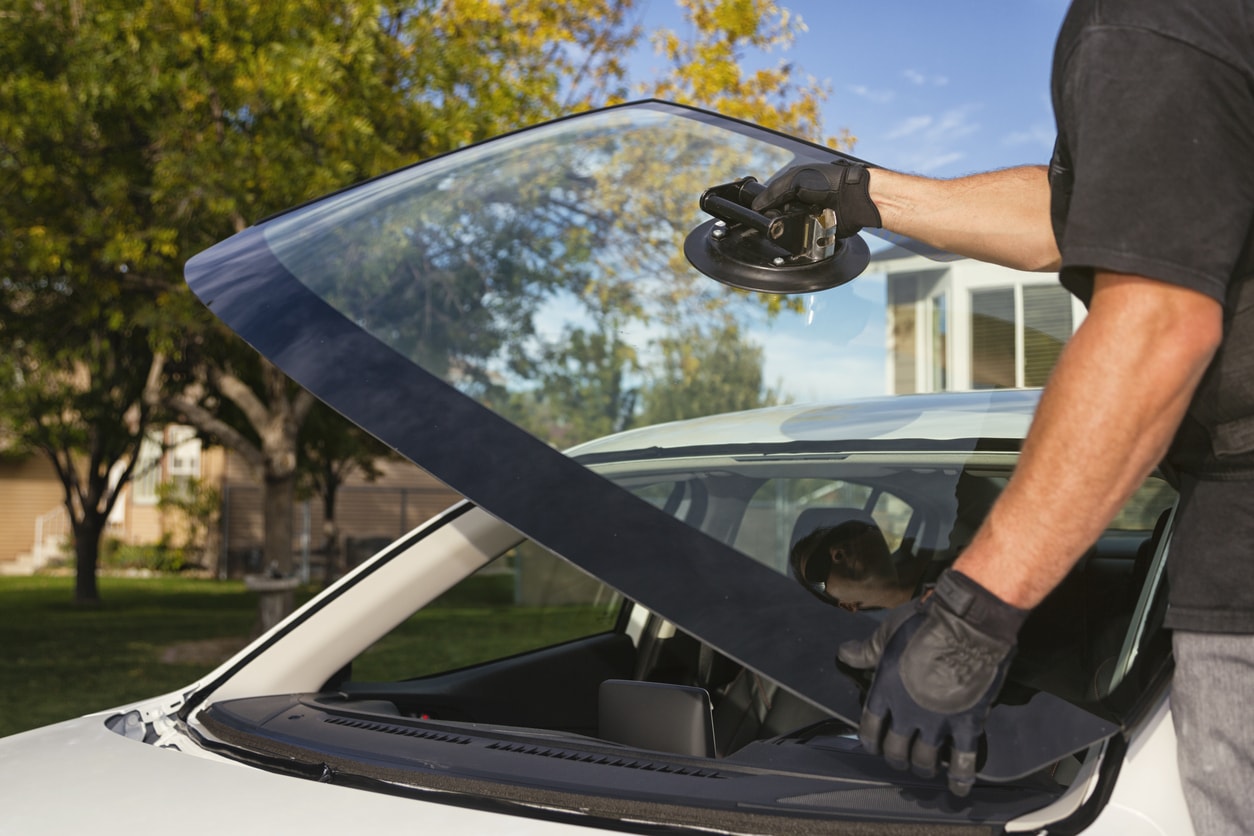
Windshield replacement is one of the most overlooked triggers. A cracked windshield replacement often requires camera recalibration. Without it, the camera’s angle changes, affecting lane departure warnings and emergency braking accuracy.
When Is ADAS Calibration Required After Repairs?
Calibration requirements are defined by OEM requirements and factory procedures.
Common Repair Triggers That Require Calibration
Common triggers include collision repairs involving bumpers, windshield replacement, suspension work, wheel alignment, structural repairs, sensor removal, or replacement of ADAS components. These required calibrations ensure systems rely on accurate data.
Pre Scan vs. Post Scan Requirements
Pre repair scans identify existing issues. Post repair scans confirm all systems function correctly after proper calibration. Both steps are critical during auto body repair.
Why Proper ADAS Calibration Requires Specialized Equipment
Not every auto body shop can perform proper ADAS calibration.
OEM Targets, Software, and Controlled Environments
Proper ADAS calibration requires specialized equipment, OEM targets, ADAS equipment, and controlled shop conditions. Lighting, level floors, and precise measurements are essential to meet manufacturer specifications.
Why Not All Body Shops Can Perform ADAS Calibration
Many body shops and repair facilities lack the space, training, or equipment required. Attempting calibration without the proper setup can compromise safety and system accuracy.
The Difference Between Calibration Capable and Calibration Certified
Certified repair facilities invest in trained technicians, ongoing education, and programs like I CAR Gold Class. These standards ensure proper ADAS calibration and adherence to OEM documentation.
How Skipping Calibration Can Cost More Long Term
Skipping calibration often leads to higher costs over time.
Repeat Repairs and Diagnostic Costs
Improper calibration can cause repeated visits, additional scans, and rework. Properly recalibrated systems prevent unnecessary repairs.
Insurance Claim Complications
Insurance providers expect OEM procedures to be followed. Skipping ADAS calibration can delay claims or reduce coverage.
Reduced Vehicle Safety and Resale Confidence
Vehicle safety concerns can affect resale value. Buyers expect safety features to operate correctly according to factory specifications.
How Relux Collision Handles ADAS the Right Way
At Relux Collision, calibration is built into every repair plan.
OEM Driven Repair Planning
We follow OEM procedures and manufacturer specifications for every auto body repair. Calibration requirements are identified early and documented.
In House Advanced Diagnostics and Calibration
Our facility uses specialized equipment and trained technicians to perform ADAS calibration accurately. We handle ADAS recalibration for cameras, radar units, and ultrasonic sensors.
Documentation, Transparency, and Peace of Mind
We provide clear records showing calibration completed and systems functioning correctly. This critical step protects both safety and confidence.
Frequently Asked Questions About ADAS Calibration
Can I drive my car without ADAS calibration?
You can drive, but skipping ADAS calibration increases risk. Safety systems may not respond correctly.
Will my insurance cover ADAS calibration?
In most cases, calibration is covered because it is an OEM required calibration after collision repairs.
How long does ADAS calibration take?
Timing varies based on the number of systems and required procedures.
Does calibration need to be done every time?
If repairs trigger calibration requirements, calibration must be performed.
Is calibration required after windshield replacement?
Yes, windshield replacement commonly requires camera recalibration.
How do I know if my vehicle has ADAS?
Most modern vehicles include common ADAS features. Our team can confirm during inspection.
Final Takeaway: Why ADAS Calibration Is a Critical Part of Safe Repairs
ADAS calibration is not optional. It is essential to restoring safety systems, maintaining vehicle safety, and ensuring systems function correctly after collision repairs. Skipping calibration compromises safety, increases liability, and undermines the purpose of advanced driver assistance systems. At Relux Collision, we treat proper ADAS calibration as a non negotiable part of quality auto body repair. If your vehicle has been in an accident, schedule ADAS calibration and trust a repair facility that follows factory procedures and prioritizes safety.