
Understanding What Collision Insurance Covers
Even the most careful driver can find themselves in a car crash or fender bender. When that happens, the first question is often, “What is collision insurance and how does it work?” Collision insurance is a type of auto insurance that helps pay for the costs of repairing or replacing your vehicle if it is damaged after hitting another vehicle or object. At Re-Lux Collision, we help drivers every day who rely on their collision coverage to get back on the road safely. Understanding how this protection works can make the process easier and help you make smart decisions about your coverage and deductible.
Collision insurance helps pay for repairs to your own vehicle when it is damaged in a crash. Whether you collide with another vehicle or a stationary object like a fence, tree, or pole, this coverage protects your car. Collision insurance typically covers damages caused by rolling over, hitting an animal, or even accidents that occur in a parking lot. It does not cover everything though. Damage from theft, fire, or hail is covered under comprehensive insurance, not collision.
When you file a claim, your insurer will evaluate the repair costs and determine if your car can be fixed or if it is a total loss. If the repairs exceed the actual cash value of the car, the insurance company will pay you that value, minus your collision deductible. This actual cash value is what your car is worth at the time of the accident, not the price you originally paid.
How Collision Coverage Works

Collision coverage helps pay for damage to your car after a covered accident. If your car is involved in a rear end collision or you slide into another vehicle or object, your policy covers the repair. The process usually includes filing a claim, paying your deductible, and allowing your repair shop to handle the approved work.
Your deductible plays a major role in how much you pay out of pocket. A higher deductible will lower your monthly premium, but you will pay more when you file a claim. A lower deductible has the opposite effect. Finding the right balance between monthly cost and financial comfort after an accident is key to protecting your finances.
Collision vs. Comprehensive Coverage
Many vehicle owners confuse collision and comprehensive coverage, but they protect against different risks. Collision insurance covers damage caused by hitting another vehicle or object, while comprehensive coverage protects you from events like theft, vandalism, fire, or hail. For example, if you hit a tree, that is covered by collision insurance. If a storm damages your car, that would be covered by comprehensive insurance.
Having both collision and comprehensive coverage is often called full coverage. Many drivers with newer or financed cars carry both, while older vehicles may only have liability insurance. Comprehensive insurance is especially useful for areas prone to natural disasters or theft, while collision coverage is essential for everyday driving risks.
When Collision Insurance Is Required
While collision insurance is not required by law, lenders or leasing companies usually require it until you finish paying off your car or lease. This is because it protects the lender’s investment in the vehicle. Once your car is fully paid off, you can decide whether to continue or drop collision coverage. Many drivers choose to keep it because it provides peace of mind after accidents.
If you are purchasing collision coverage for the first time, consider the value of your car and your personal risk tolerance. Drivers who cannot easily afford major repair costs often choose to buy collision coverage to avoid financial stress after a crash.
What Collision Insurance Typically Covers

Collision coverage pays for damages to your vehicle caused by an accident where you are at fault or another driver is responsible but cannot cover the costs. It includes collisions with another vehicle or object, rollovers, and damage caused by potholes. These events are all covered by collision insurance up to the actual cash value of the car.
If your vehicle is declared a total loss, the insurer will replace it or provide payment for its value, minus the deductible. For example, if your car’s value is $15,000 and your deductible is $1,000, you would receive $14,000 from the insurance company.
Choosing the Right Collision Deductible
Your collision deductible directly affects how much you pay after an accident. Drivers can choose a higher deductible to lower their premium, or a lower deductible to reduce out-of-pocket costs when filing a claim. A higher deductible works well for those who rarely file claims, while a lower deductible provides added security if you want minimal out-of-pocket costs during repairs.
Re-Lux Collision often advises customers to review their deductible at least once a year. Insurance rates can change, and adjusting your deductible can help balance cost and coverage. Having the right deductible ensures that your coverage truly works for your budget.
How the Claim and Repair Process Works
After a collision, the process begins with contacting your insurance company to report the accident. You will provide details about what happened, the location, and photos of the damage. The insurer then reviews your claim and determines how much they will pay. Once approved, your chosen repair shop begins the work.
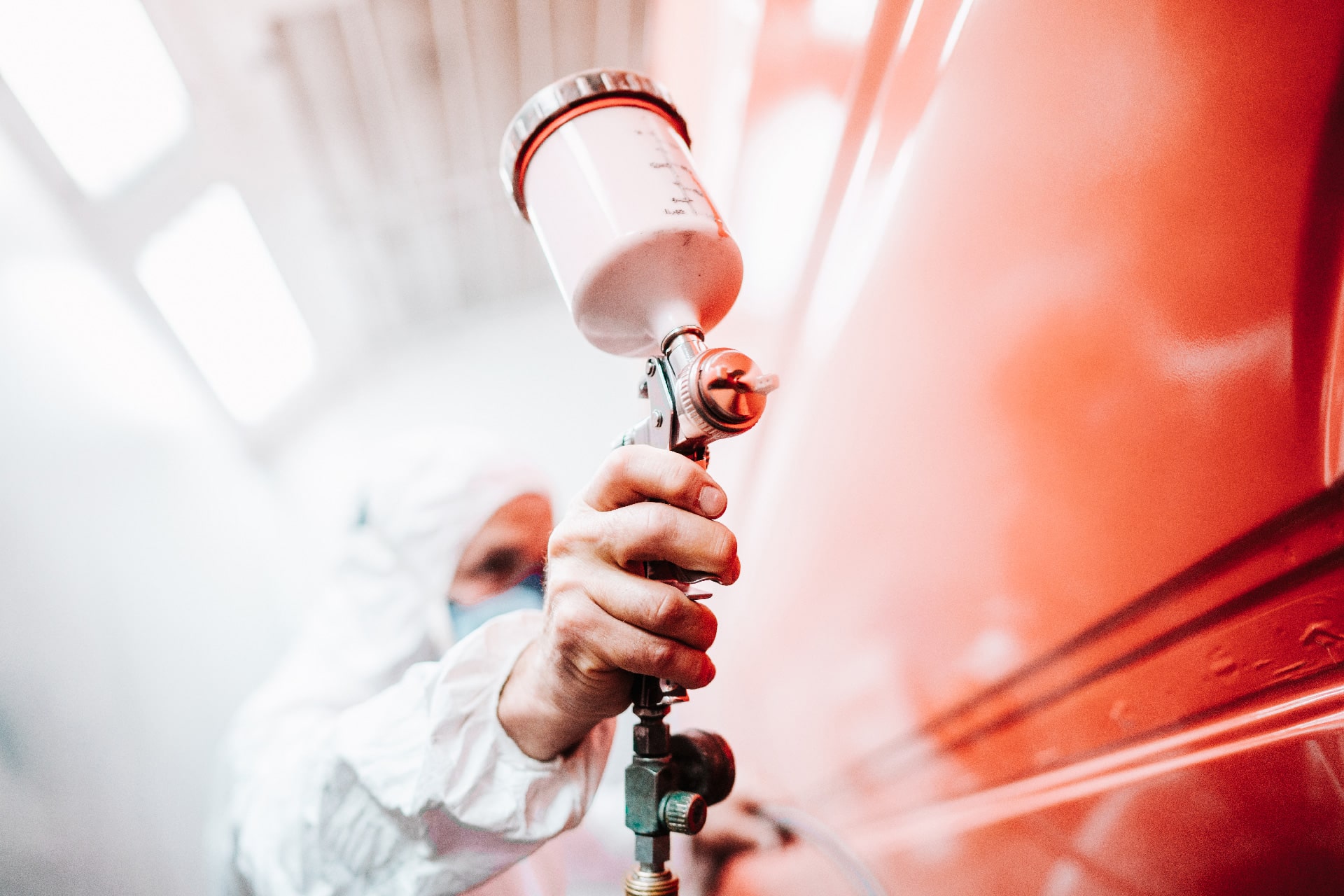
At Re-Lux Collision, our specialists prepare a detailed estimate for the insurer and handle communication throughout the repair. This helps speed up approvals and ensures all repairs meet manufacturer standards. From structural repair to paint matching, we restore every vehicle to its pre-accident condition.
Your Right to Choose a Repair Shop

Many drivers believe they must go to a shop recommended by their insurance company, but that is not true. You have the right to choose where your car is repaired. Insurance laws in many states protect drivers from being pressured into specific shops.
Choosing a certified collision center like Re-Lux Collision ensures your car is repaired correctly using OEM parts and precise equipment. We work directly with insurers but always advocate for what is best for the customer. Every repair we complete comes with a written lifetime warranty, so vehicle owners can drive away with confidence knowing their car is restored to factory safety and quality standards.
Should You Keep Collision Coverage on an Older Car
As vehicles age, the decision to keep or drop collision insurance becomes more personal. If the cost of the premium is more than 10 percent of the value of your car, it might not make financial sense to carry collision coverage. For example, paying $1,200 per year for coverage on an older car worth $6,000 may not be worthwhile. However, even with older vehicles, keeping coverage may protect you from unexpected repair costs if you cannot afford to replace your car after an accident.
If you choose to drop coverage, it is still important to have a trusted repair shop that can help with affordable, high-quality repairs out of pocket. Re-Lux Collision works with drivers of both newer and older vehicles to provide accurate estimates and transparent service regardless of insurance involvement.
Common Myths About Collision Insurance
Myth 1: Collision and comprehensive coverage are the same. They are not. Collision coverage helps pay for damage from hitting another vehicle or object, while comprehensive insurance covers events like theft, hail, or fire.
Myth 2: You must use the insurance company’s preferred shop. In reality, you can choose any certified repair facility you trust.
Myth 3: Collision insurance covers all kinds of damage. Collision coverage only covers damage caused by impact, not mechanical problems or normal wear and tear.
Myth 4: Filing a claim will never raise your premium. Some insurers may adjust your premium after a claim depending on fault and accident history.
How Re-Lux Collision Supports Drivers After Accidents

When a driver is involved in an accident, we know the process can feel stressful. Re-Lux Collision simplifies everything from the estimate to the final delivery of your repaired car. Our certified technicians use advanced tools and OEM repair procedures to ensure accuracy and safety. We also work directly with every major insurance company to coordinate payment and approvals.
Our focus is on restoring your car’s safety, performance, and value while keeping communication clear and honest. From paint matching to structural repair, we handle every detail so you can focus on what matters most, getting back on the road.
FAQs About Collision Insurance
What does collision insurance cover?
Collision insurance covers damages caused by a car crash or impact with another vehicle or object. It also covers pothole damage and rollovers.
Is collision insurance required by law?
It is not required by law, but your lender or leasing company may require it until your vehicle is fully paid off.
Can I choose where my car is repaired?
Yes, you can choose your own repair shop. Many drivers prefer Re-Lux Collision for certified quality and warranty-backed work.
Does collision insurance cover hit and run accidents?
Depending on your policy, hit and run damage may be covered by collision insurance or uninsured motorist property damage.
Will my premium increase after filing a collision claim?
It depends on your insurer, your driving history, and whether you were at fault.
Final Takeaway
Collision insurance is one of the most valuable parts of an auto insurance policy because it helps pay for repairs or replacement after an accident. It protects your investment in your own vehicle and ensures you are not left paying high repair costs out of pocket. Even though it is optional, purchasing collision coverage can make a major difference in your financial security after a crash.
Re-Lux Collision is proud to support drivers through every step of the repair and claims process. Our team combines certified expertise, precision craftsmanship, and customer-first service to make sure every car is restored to its pre-accident condition. If you have been involved in an accident or need an estimate for collision repair, contact our team today. We will help you navigate your coverage, deductible, and claim with confidence.