
A Complete Guide for Today’s Drivers
Painting a car takes far more than spraying color. If you have ever wondered what is required to paint a car or thought about tackling a paint job on your own car, this guide explains the essential steps, tools, and materials behind a professional paint job and what it takes to get a smooth final result on the entire vehicle.
What Does It Actually Take to Paint a Car?
Painting a Car Today Is Not What It Used to Be
Modern automotive paint systems use primer, basecoat, and clear coat layers matched to a specific color code. Many bumpers also hide sensors, so the car paint must be applied in controlled thickness. Even a single panel requires careful prep, spraying technique, and proper tools to avoid issues like orange peel or uneven color. Whether you use lacquer paint or modern waterborne systems, the right approach is key to a fresh paint job.
Full Repaint vs Panel Painting
Painting the whole car requires refinishing every panel, removing trim pieces, and applying primer coats, basecoat, and clear coat across the entire vehicle. Most repairs involve only a single panel with blending into adjacent areas so the final result matches the old paint. Spray paint can be used for small touch-ups, but a full professional paint job typically involves spray guns and controlled environments like a paint shop.
Is Painting a Car at Home Realistic?
Painting a car at home with spray cans or a budget paint gun sounds simple, but without a clean, dust‑controlled space, a strong air compressor, safety gear, and knowledge of spraying technique, results often fall short. A professional paint job avoids heavy paint fumes, poor adhesion, and mismatched panels, especially when sensors sit behind the paint. Visiting a paint shop ensures access to the right materials, including lacquer paint options and proper spray paint equipment.
The Core Requirements for a Proper Automotive Paint Job
1. A Clean, Controlled Workspace
A professional spray booth controls dust and overspray, keeps lighting consistent, and maintains temperature for proper flash time between each thin coat. This controlled environment is nearly impossible to replicate when painting a car at home.
2. Safety Gear and Compliance
Technicians use a face mask or respirator, safety glasses, gloves, and coveralls to protect against volatile organic compounds. Paint fumes, mineral spirits, and other chemicals require proper ventilation and disposal.
3. Specialized Tools and Equipment
A quality paint job needs spray guns, an air compressor, sand paper, a sanding block, masking tape, masking paper, painter’s tape, and proper mixing tools. Tack cloth or a tack rag removes dust before we apply paint. These proper tools ensure smooth coverage across the car.
4. High Quality Paint Systems and Materials
Body filler is used to repair dents before primer. Epoxy primer protects bare metal, spray primer builds smoothness, and basecoat is mixed using the color code. Clear coat or clear coat lacquer seals and protects the new paint. Mineral spirits assist with cleaning during prep work but never replace automotive solvents. Choosing between lacquer paint and modern paint systems depends on the desired finish and durability.
The Step By Step Process
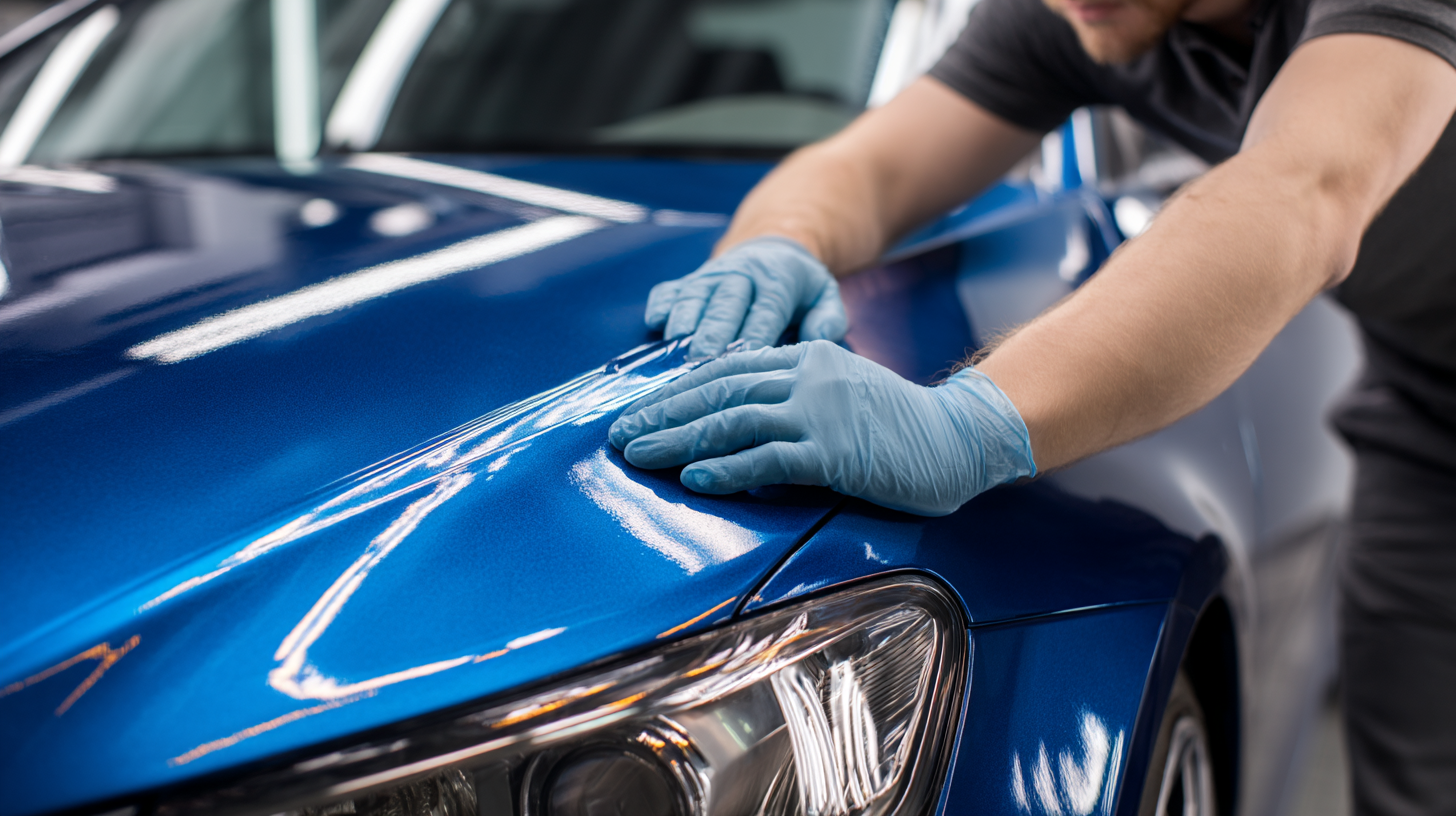
Step 1: Inspection and Planning
We evaluate rust spots, peeling clear coat, bare metal exposure, and whether the job involves a single panel or the whole car.
Step 2: Wash, Degrease and Disassemble
The car is cleaned of dust and bird droppings, then trim pieces and the trunk lid garnish are removed to expose edges for better coverage.
Step 3: Sanding and Filler Work
Sanding removes old paint, rust, and powdery residue. Body filler repairs dents, followed by block sanding with finer grit sand paper to shape the repair.
Step 4: Priming and Block Sanding
Epoxy primer may be applied over bare metal, followed by primer coats and guide coat for leveling. Block sanding ensures the panel is straight.
Step 5: Masking and Color Matching
Masking tape, masking paper, and plastic cover surrounding areas while basecoat is mixed by color code. Test sprays ensure accuracy before we apply paint.
Step 6: Basecoat Application
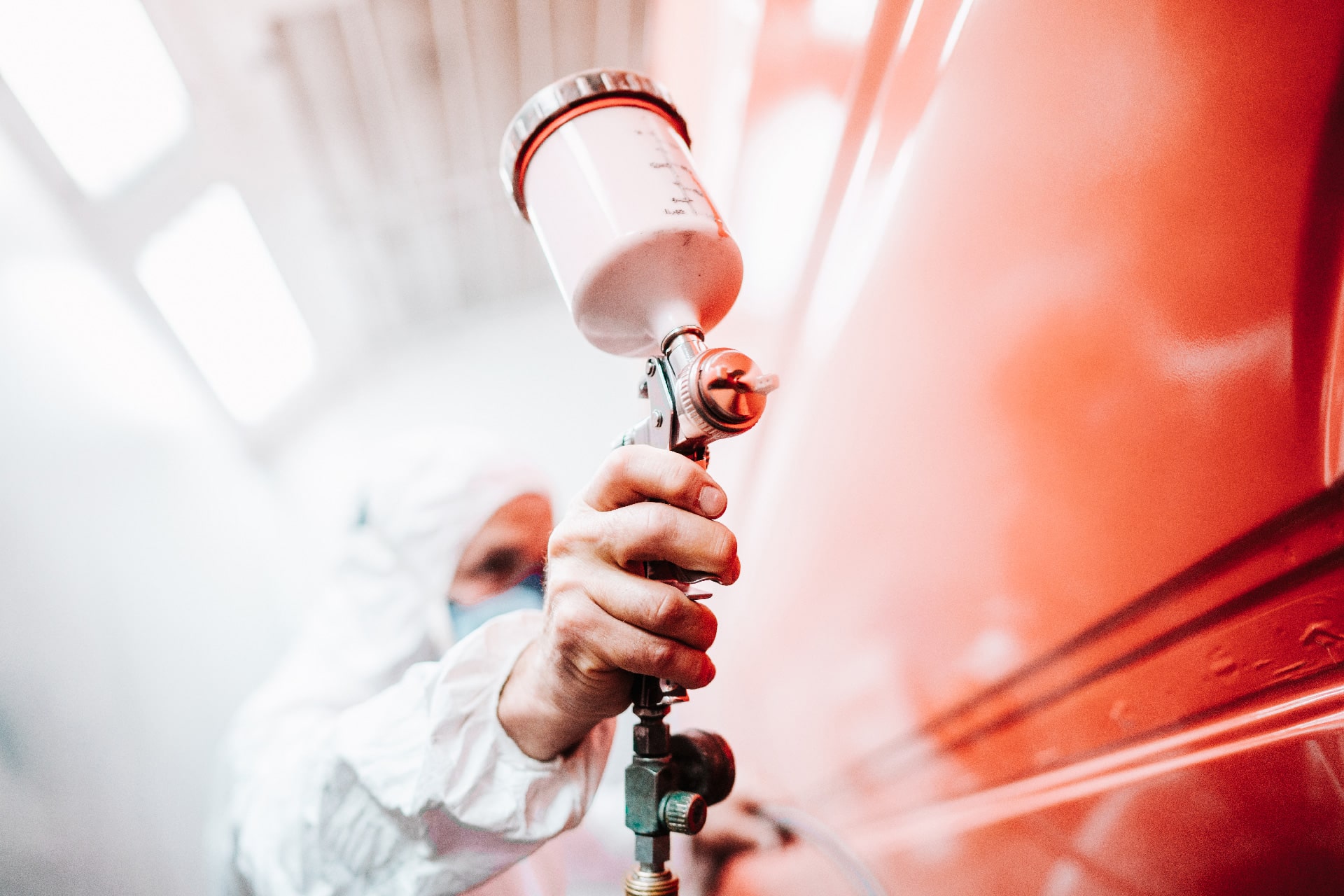
Using a spray gun and smooth side to side spraying technique, color is applied in thin coat passes until coverage is even.
Step 7: Clear Coat Application
Clear coat is applied using a dedicated paint gun to protect the color and create gloss without orange peel.
Step 8: Curing, Sanding and Polishing
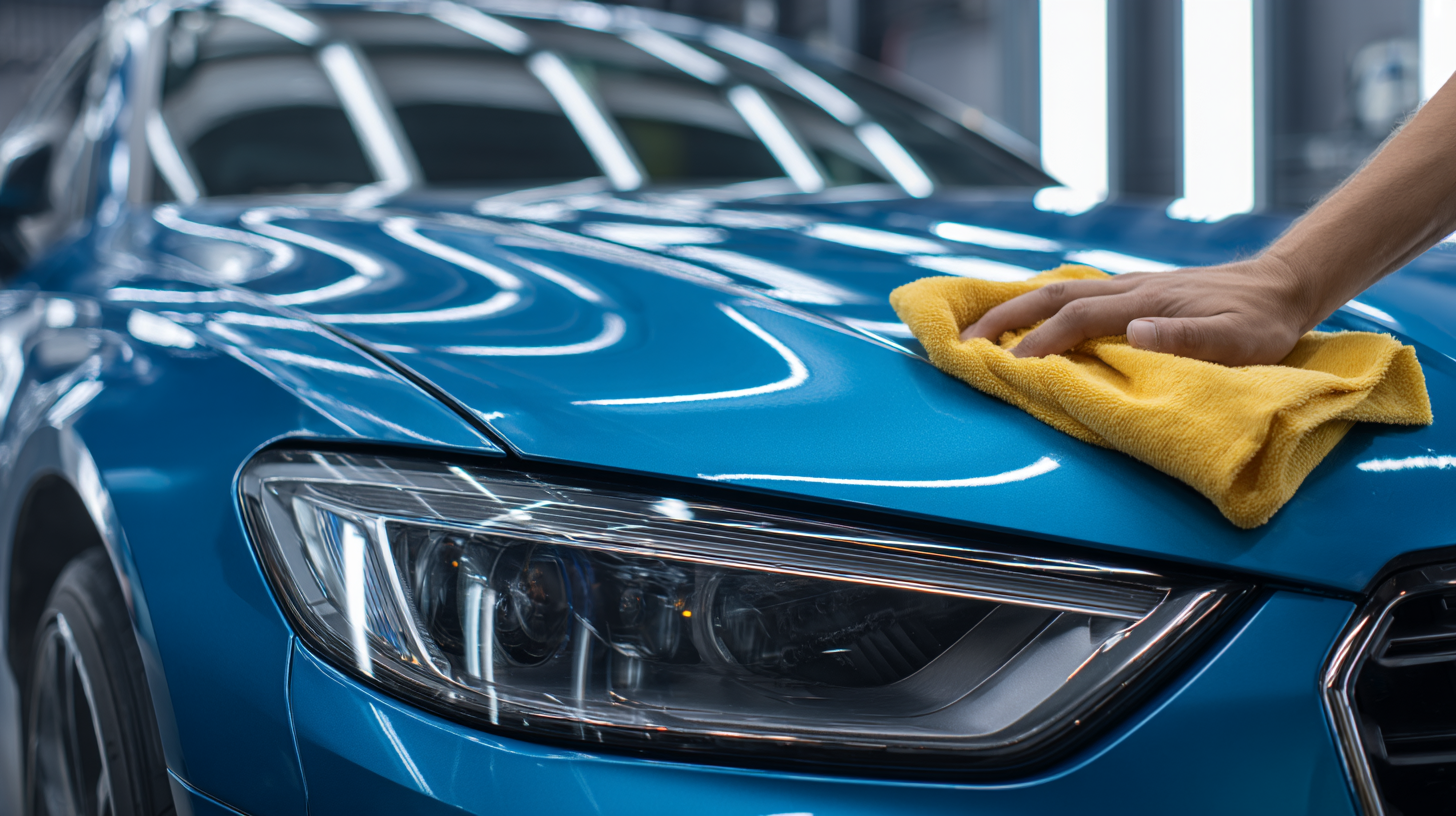
After curing, we wet sand small imperfections and complete a final polish for a smooth finish on the new paint job.
Step 9: Reassembly and Quality Check
Trim pieces are reinstalled, masking is removed, and we check for consistent color, proper coat thickness, and any needed touch ups.
Why Painting Is More Complex on Modern Vehicles
Sensor systems behind painted bumpers require the correct film build. OEM procedures limit repairs near these areas, especially over body filler or old paint, to ensure the car still operates safely.
DIY vs Professional Paint Work
Equipment and Learning Curve
DIY painting requires expensive proper tools, a strong air compressor, spray guns, sand paper, and safety gear. Without training, applying a smooth coat is difficult.
Risk of Mistakes
DIY work often leads to dry spray, uneven coverage, or poor blending into old paint. Fixing these issues usually costs more than a professional paint job.
When to Choose a Collision Shop
If the repair involves rust, major body work, the entire car, or anything near sensors, professional painting is the safest option.
How Re Lux Collision Handles Car Painting
Certified Technicians
Our trained painters understand spraying technique, primer work, color matching, and how to apply paint safely around sensitive areas.
Waterborne Paint Systems
We use low VOC automotive paint that reduces volatile organic compounds while creating a durable finish.
Seamless Blending and Color Matching
We follow the correct color code, perform spray tests, and blend into adjacent panels for a flawless final result.
Clear Communication
We explain each step, help with insurance when needed, and ensure the car looks right before delivery.
FAQs
How long does it take?
A paint job varies by the amount of prep work, primer coats, and clear coats required. A single panel is faster than refinishing the entire vehicle.
Can you paint over old paint?
Yes, if the old paint is sound. If not, we sand to bare metal in damaged areas.
What kind of paint is used?
Professional automotive paint systems designed specifically for collision repair, including options for lacquer paint and modern spray paint formulations.
How do I care for my new paint?
Avoid harsh chemicals while the paint cures. Keep dust off the surface and wash gently.
Final Thoughts
Painting a car requires prep work, sanding, primer, basecoat, and clear coat applied with precision. Whether repairing a single panel or repainting the whole car, a professional paint job ensures durability and a clean finish. Re Lux Collision is here to restore your vehicle with care and expertise.