
The Heart of Every Quality Repair — The Technician’s Role
When a vehicle is involved in an accident, the expertise of a collision repair technician becomes essential. At Relux Collision we understand that answering the question “what is the role of a collision repair technician” means showing how our team of certified professionals manage vehicle damage, coordinate repairs, and restore safety and appearance to your car. The role goes far beyond cosmetic fixes, it includes structural integrity, manufacturer specifications and customer service skills all working together.
From Damage Assessment to Final Inspection
One of the first tasks for collision repair technicians, who are specialized automotive body repairers, is damage assessment. They review damage reports, inspect the vehicle, determine damaged parts, identify structural damage or hidden damage and then plan work accordingly. According to the U.S. Bureau of Labor Statistics, automotive body and glass repairers “review damage reports, prepare cost estimates, and plan work” as core duties.
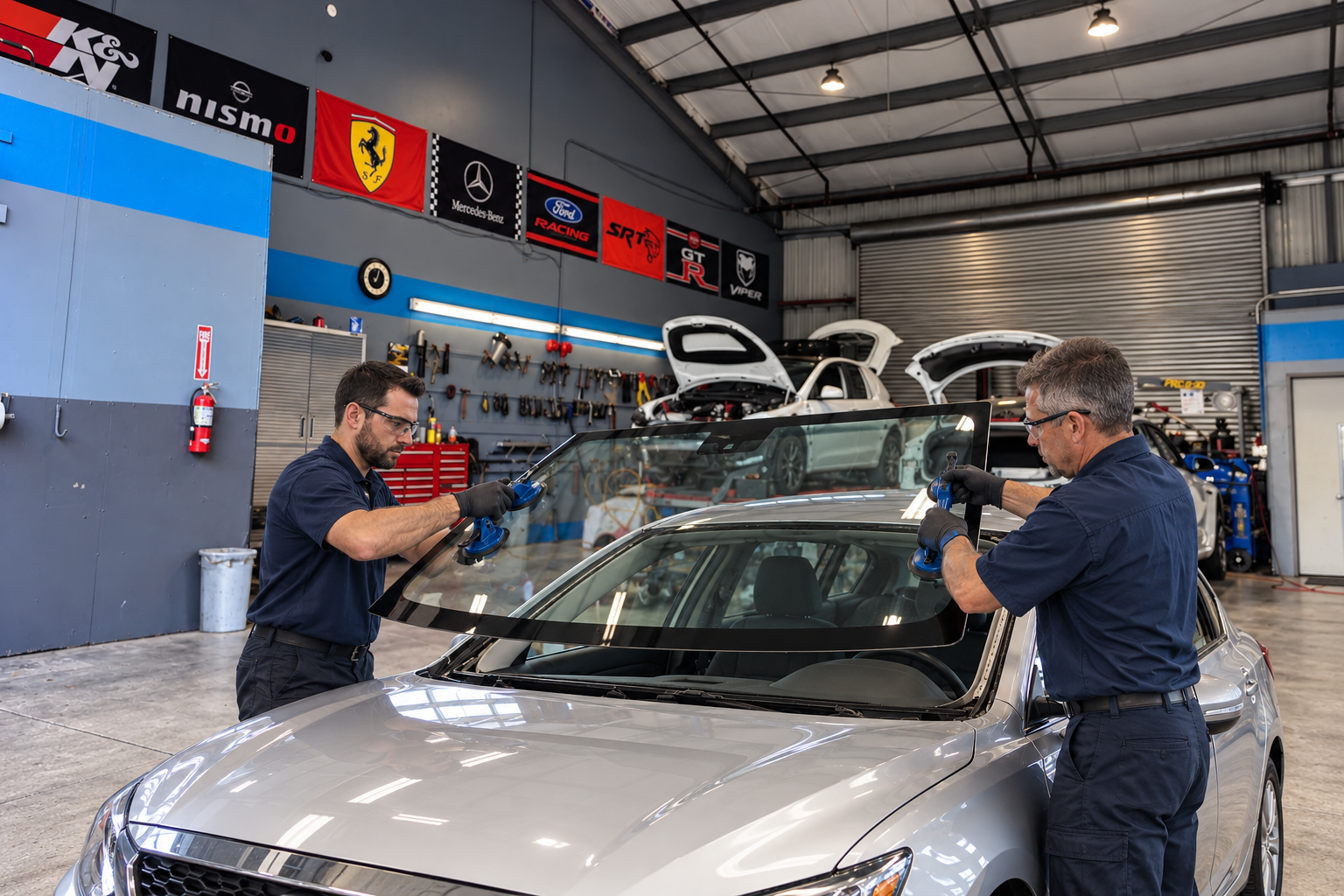
After the technician uses tools and equipment to remove damaged parts, realign car frames, and weld new pieces in place they conduct a final inspection to ensure that all repairs meet quality and safety standards. At Relux Collision we emphasise that the role of a collision repair technician is about restoring both what you see and what you don’t see.
Hands-On Expertise Meets Modern Technology
Collision repair technicians and auto body technicians must also be proficient with hand tools, welding equipment, measuring systems and other shop equipment. They repair vehicle bodies and car frames and work with new materials, complex repairs and advanced automotive technology. One reputable source states that auto body technician job descriptions include “realign car frames and repair structural damage”.
The role of the collision repair technician has evolved to include more than just panel replacement and paint. With a growing emphasis on automotive body systems, air conditioning, and electronic systems in modern vehicles the technician must understand how damage to vehicle systems can affect overall safety. That combination of hands-on training and equipment experience, along with strong problem solving skills, is central to what we do.
Why Precision Matters in Every Step

Structural Repairs and Frame Alignment
When a collision takes place, structural damage is often part of the equation. Collision repair technicians must carefully inspect for structural damage, realign car frames and restore structural integrity to manufacturer specifications. This ensures that repaired vehicles not only look good but remain safe to drive. The career path of the collision repair technician includes mastering auto body repair, chassis straightening and factory procedure compliance.
Accurate structural repair is just one facet of the role of a collision repair technician. By following manufacturer specifications and using proper equipment, technicians protect the vehicle’s safety systems, maintain value and deliver peace of mind to customers.
OEM Procedures and Quality Standards
The tasks of an auto body repair technician extend beyond visible repairs to include compliance with OEM procedures, industry certifications and documented quality control. Technicians must be trained, certified and up to date on repair methods so that any repair meets the standards set by the manufacturer. The job duties of automotive body and glass repairers include repair and refinish at structural levels so that vehicles are restored to original condition.
For the vehicle owner this matters because it means that when your car is repaired by a trained technician, it’s not just about looking fixed, it’s about being fixed properly. At Relux Collision we build our service around that promise.
Beyond the Surface — Refinishing and Paint Perfection

The Art and Science of Paint Matching
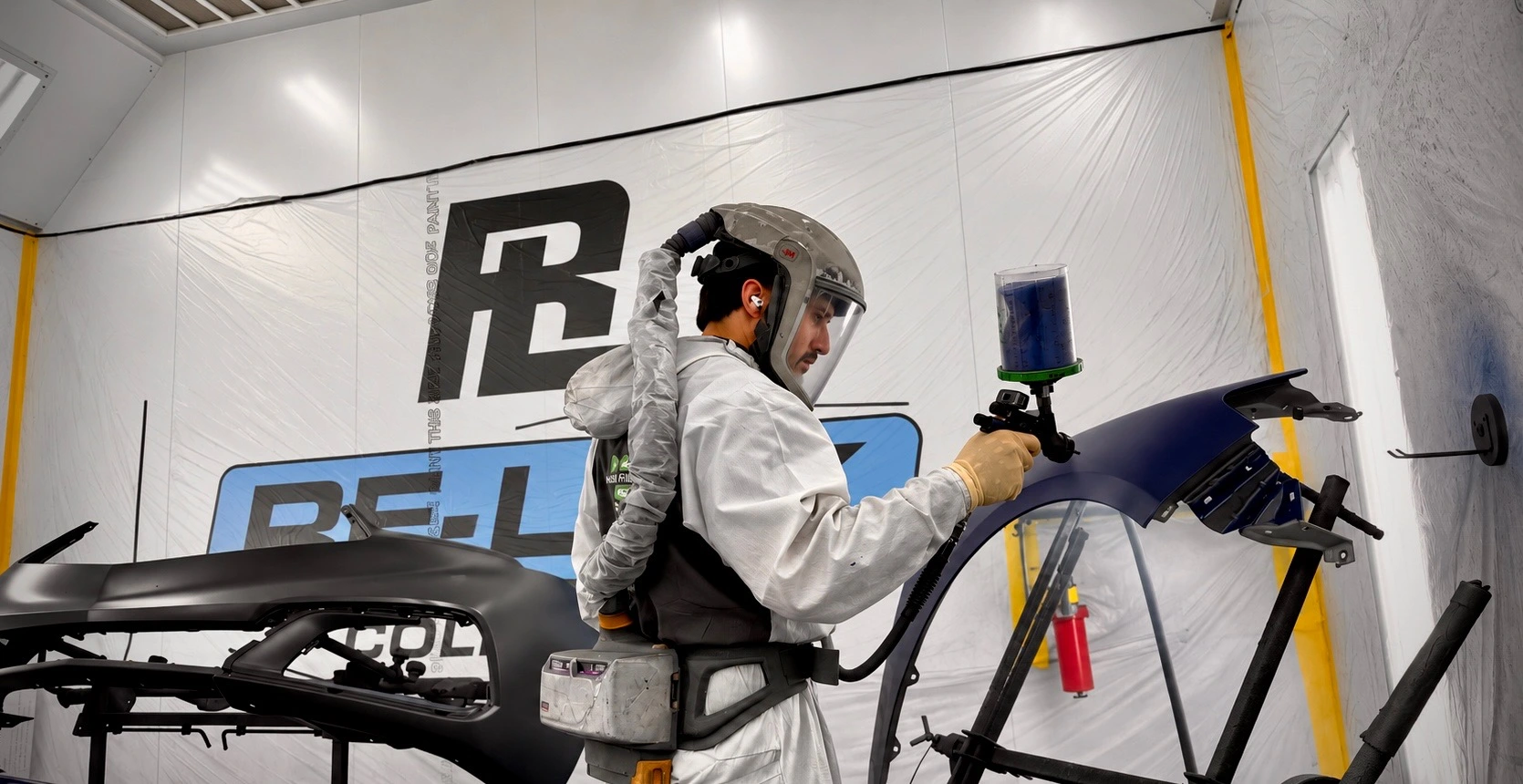
Another key dimension of collision repair involves cosmetic and visual restoration. Auto body technicians must assess vehicle damage, replace or repair damaged panels, prepare surfaces and apply a finish that matches original paint. The role of a collision repair technician in these tasks means they blend artistry with science: matching color, blending adjacent panels, and using high-quality paint and processes. They use tools, hand tools, paint booths and refinishing equipment to make the repair invisible to the eye.
In the customer’s mind the repair is only complete when their vehicle looks like nothing ever happened, and technicians deliver that finish while also guaranteeing structural and mechanical soundness.
Quality Control and Final Detailing
Once the repair and refinishing steps are complete, collision repair technicians perform final inspections, system checks and detailing tasks. They ensure that all repairs are complete, vehicle systems like air conditioning and interior systems function properly, panels fit, paint is blended and customer service skills are applied when presenting the vehicle. This phase underscores the role of the collision repair technician as someone who not only fixes damaged vehicles but ensures that the repair process meets expectations in terms of safety, appearance and communication.
At Relux Collision every technician is trained to deliver detail and quality in both the visible and invisible facets of the repair.
ADAS and Calibration — The New Frontier of Collision Repair

How Advanced Safety Systems Changed the Job
Modern vehicles feature advanced driver assistance systems and sophisticated electronics. These systems link to collision repair technicians’ responsibilities because damage to one component can affect many systems. Whether it’s car frames, sensors, air conditioning systems, cameras or radar systems collision repair technician roles now include understanding how these systems interact and how vehicle damage may have disrupted them.
That is why training programs now emphasise automotive technology, calibration, structural integrity and manufacturer specifications as essential. Auto body technicians specializing in collision repair must anticipate and address these evolving challenges.
The Technician’s Role in Vehicle Recalibration
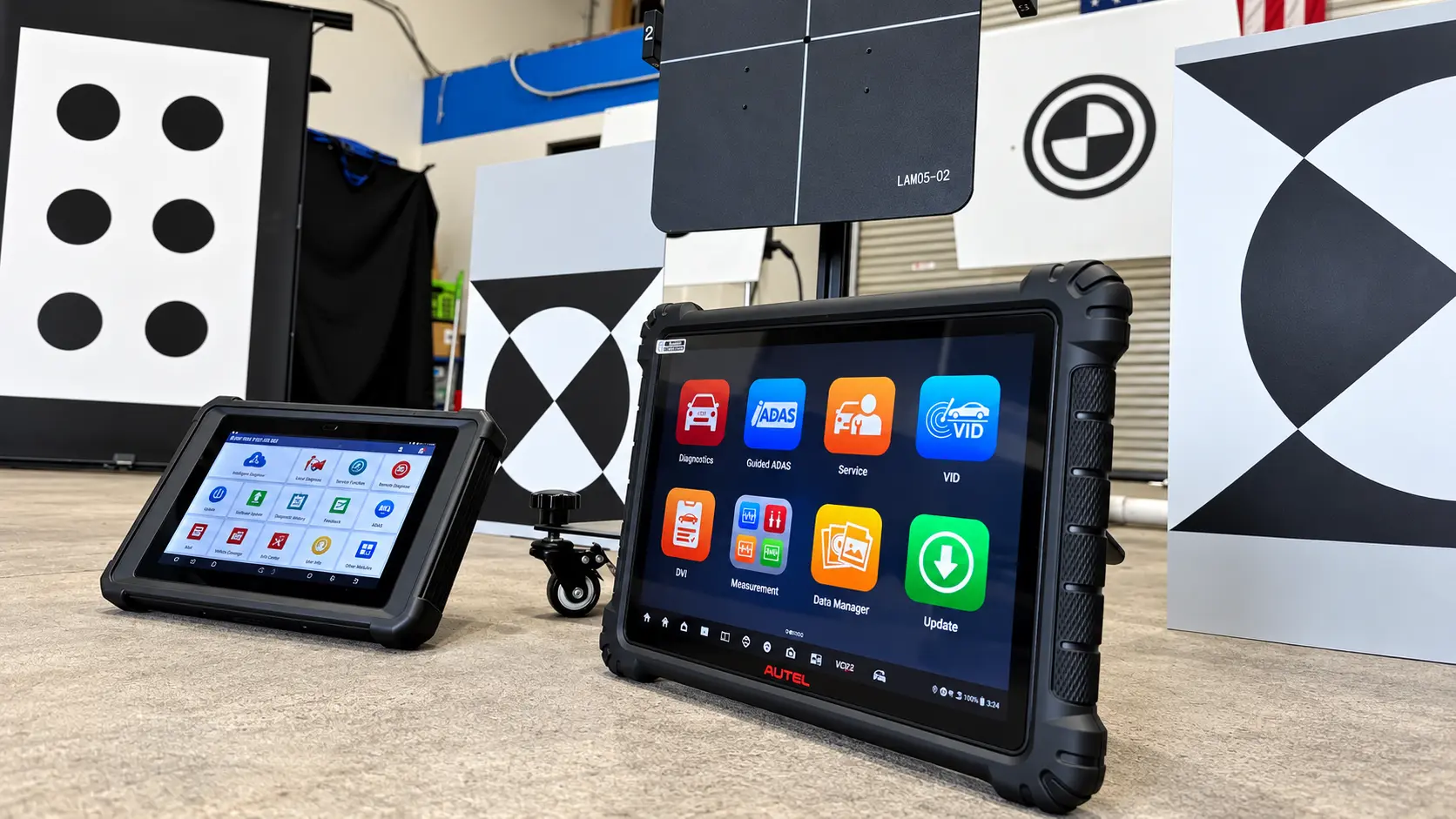
Beyond welding and painting, the collision repair technician may need to perform pre- and post-repair scans, recalibrate sensors, confirm system operations and document that the vehicle is safe to return to the road. In other words the role of a collision repair technician increasingly includes diagnostics, system tests and coordination of industry certifications related to advanced vehicle systems. For vehicle owners that means you’re receiving comprehensive service that doesn’t just “fix the dent” but restores the entire vehicle ecosystem. At Relux Collision we support that full scope of repair.
Training, Certification, and Industry Standards
What It Takes to Become a Collision Repair Technician
If you’re asking “what is the role of a collision repair technician” it helps to understand the training and background behind the role. Many technicians start with an automotive body repair training program, hands-on training and on the job training under experienced mentors. For example, trade schools deliver training programs that combine classroom theory and practical experience in collision repair training, refinishing and welding. According to the Bureau of Labor Statistics most employers prefer body and glass repairers who have completed a training program in automotive body repair.
This training path sets the foundation for a career where you repair damaged vehicles, realign car frames and work on structural damage safely and effectively.
Why Continuous Education Matters
Because vehicle technology continues to evolve, technicians must advance their skills, earn industry certifications and stay current on automotive technology, repair methods, materials and systems. The job outlook for automotive body and glass repairers shows growth in employment and a continuing need to repair and restore vehicles safely. Although the overall job growth may be modest, the demand remains due to the volume of accidents and the need for skilled technicians.
At Relux Collision we make sure our team engages in hands-on training, certification and ongoing professional development so you receive the best service possible.
How Technicians Work with Insurance Companies

Communication and Documentation
Another significant part of the role of a collision repair technician consists of documentation, communication and coordination. Technicians review damage reports, inspect vehicle systems, assemble repair plans, estimate labor and material needs, determine cost, and plan repair work accordingly. These job duties are critical in supporting the insurance claim process, in providing record-keeping and in guaranteeing that repair vehicles are restored to manufacturer specifications.
Given the complexity of modern vehicles and repair requirements this documentation allows for transparency and accountability.
How Relux Collision Makes the Process Easier
At Relux Collision our team of technicians and staff handle the repair process from start to finish. We believe that the role of a collision repair technician is enhanced when supported by a shop environment that offers customer service skills, efficient workflow and communication. We help you navigate the insurance process, manage cost concerns, schedule repairs and return your vehicle to you with confidence. The combination of skilled technicians and smooth customer experience defines the Relux Collision difference.
Why Skilled Technicians Make All the Difference
Protecting Vehicle Safety and Value
When you trust your repair to a trained auto body technician or collision repair technician you’re safeguarding safety, structural integrity and resale value. Repairing structural damage, realigning car frames, following manufacturer specifications and using correct materials all contribute to preserving vehicle value and ensuring the vehicle drives as intended. The role of the collision repair technician includes all of these tasks, from the first damage assessment to the final inspection.
The Relux Collision Difference
What sets us apart is our emphasis on precision, craftsmanship and customer care. Our technicians combine the best of hands-on training, skilled craftsmanship, modern equipment, deep understanding of automotive technology and strong customer service skills. When you ask “what is the role of a collision repair technician” remember that at Relux Collision it means going the extra mile to deliver repairs with integrity, transparency and quality. If your vehicle needs repair after an accident call our team, schedule your free estimate today and let our technicians restore your vehicle with care you can trust.
FAQs About Collision Repair Technicians
What qualifications should a collision repair technician have?
A collision repair technician should have completed collision repair training, earned industry certifications, have hands-on training experience and be familiar with manufacturer specifications and modern automotive technology.
How long does it take to train as a collision repair technician?
Most technicians begin with an automotive technology or auto body program that lasts from six months to two years combined with on-the-job training. As noted by the Bureau of Labor Statistics many body repairers complete a training program before full-independent work.
Do all repairs require calibration of systems?
Not all, but many do. With modern vehicles featuring advanced systems the role of a collision repair technician often includes performing damage assessment and calibration of vehicle systems in addition to structural and cosmetic repair.
What makes Relux Collision’s technicians different?
Our technicians are backed by continual training, industry certifications, deep experience in repairing vehicles and a commitment to customer service. The role of the collision repair technician in our shop encompasses both technical skill and a dedication to you, the customer.
How do I know my vehicle is repaired safely?
You should ensure the repair shop uses certified technicians, references manufacturer specifications, follows documented repair plans, uses proper equipment and provides final inspection. The role of the collision repair technician is crucial in making sure that every repair meets those standards.
Final Thoughts
Understanding what is the role of a collision repair technician helps you appreciate the full scope of work behind vehicle repairs after accidents. The technician is not just a repair person they are a skilled expert in structural repair, paint and finish, system diagnostics, and customer communication. At Relux Collision our collision repair technicians take pride in restoring your vehicle to its pre-accident condition with precision, care and transparency. If your vehicle has been in an accident trust our team, schedule your free estimate today and let our experts bring you back on the road with confidence.