
What Should You Expect at Each Stage of Collision Repair Planning?
If you have recently experienced a car accident, you may be wondering what happens next. Many vehicle owners expect their car to go straight into repairs, but the reality is that professional collision repairs begin with careful planning and evaluation. Understanding what should you expect at each stage of collision repair planning helps you know how the entire repair process works and why each step matters for safety and quality. The modern collision repair process involves more than fixing dents or repainting panels. Vehicles now contain complex electronics, sensors, and safety features that require precise repair procedures and careful inspections. A professional repair shop must evaluate both cosmetic and structural issues to ensure the vehicle returns to safe driving condition. At Relux Collision, our team focuses on a transparent and efficient repair process that restores vehicles to pre accident condition whenever possible. From the initial assessment to final inspection, every step of the auto body repair process is designed to protect the vehicle’s structural integrity and ensure high quality repairs. This guide will walk through each stage of the collision repair process so vehicle owners know exactly what to expect from start to finish.
Why Collision Repair Planning Matters More Than Ever
The collision repair industry has changed significantly in recent years. Modern vehicles include advanced technology and safety systems that require a detailed approach to vehicle repairs. A careful repair plan helps ensure the entire repair process is completed safely and correctly. Today’s vehicles are built with reinforced structures, advanced materials, and integrated electronics. Because of this complexity, auto body repair must follow specific repair procedures and manufacturer guidelines. Even a minor impact can affect hidden areas inside the auto body or behind the vehicle’s exterior panels. Without a thorough inspection and damage assessment, important problems could go unnoticed. Collision repairs now often involve structural repairs, mechanical repairs, and cosmetic repairs all within the same repair process. Each part of the vehicle must be inspected to make sure critical systems still function properly. Planning also helps ensure the repair plan aligns with manufacturer safety standards and provides consistent quality throughout the repair work.
Advanced Vehicle Technology Has Changed Repairs
Many modern vehicles include advanced driver assistance systems that support lane keeping, collision avoidance, and adaptive cruise control. These vehicle systems rely on cameras, radar sensors, and electronic modules located throughout the auto body. Even a small impact can shift these systems out of alignment. During the collision repair process, technicians must inspect these critical systems and recalibrate them if necessary. This often requires specialized equipment and trained technicians who understand how these systems operate.
Hidden Damage Is More Common Than Drivers Expect
After a car accident, visible damage such as dents or scratches may appear minor. However, hidden damage behind panels or inside the vehicle structure is common. Internal components such as brackets, supports, and wiring may be affected even when the vehicle’s exterior damage seems small. Identifying hidden damage early allows the repair shop to create a comprehensive repair plan and avoid unexpected delays later.
Proper Planning Protects Safety and Repair Quality
Proper planning ensures the repair procedures follow manufacturer guidelines and safety standards. This protects the vehicle’s structural integrity and ensures that all structural and mechanical repairs are completed correctly. A professional auto body repair process prioritizes safety first, making sure the vehicle is restored as closely as possible to its pre accident condition.
Stage 1 | Filing the Insurance Claim
The first step in most collision repairs is filing a claim with your insurance company. After a car accident, drivers usually contact their insurance provider to report the damage and begin the claims process. The insurance company gathers information about the accident, the vehicles involved, and the visible damage. Photos and documentation help begin the damage assessment and determine the next steps. This stage also establishes customer expectations about the repair timeline and coverage details.
What Information Insurance Companies Need
When filing a claim, the insurance company typically requests accident details, photos of the vehicle’s exterior damage, and information about the vehicles involved. In some cases a police report may also be required. This information allows the insurance provider to start evaluating the necessary repairs and determine coverage.
What Happens After a Claim Is Filed
After the claim is opened, the insurance company assigns a claim number and may arrange for an initial damage assessment. This may happen through photo documentation or an in person inspection. Once this step is complete, vehicle owners can choose a repair shop to begin the collision repair process.
Your Right to Choose Your Repair Shop
Many drivers believe they must use the repair shop recommended by their insurance provider. In reality, vehicle owners have the right to choose the auto body shop they trust. Choosing a reputable repair shop with certified technicians helps ensure high quality repairs and clear communication throughout the process.
Stage 2 | The Initial Damage Estimate
Once the vehicle arrives at the repair shop, technicians perform an initial assessment to determine the scope of damage. This initial damage assessment is an important part of the collision repair process because it creates the first repair plan. The initial assessment includes examining the vehicle’s exterior, documenting visible damage, and estimating the necessary repairs required to restore the vehicle. This stage helps establish repair times and gives customers a general idea of the expected repair timeline.
What an Estimate Includes
A repair estimate typically lists parts, labor, materials, and repair procedures needed to complete the auto body repair. It may also include paint refinishing, bumper repair, panel alignment, and other body repairs depending on the damage.
Why the First Estimate Is Often Not the Final Cost
The first estimate is based primarily on visible damage. Because many parts of the vehicle are hidden behind panels, additional damage may be discovered during the disassembly process. When hidden damage is found, the repair shop updates the repair plan and submits a supplement for approval.
What Customers Should Review in an Estimate
Vehicle owners should review the estimate carefully. Look for information about parts, labor, and whether original equipment manufacturer parts are recommended. Understanding the repair procedures included in the estimate helps customers feel confident about the repair process.
Stage 3 | Repair Planning and Blueprinting
After the initial assessment, technicians begin developing a comprehensive repair plan. This stage of the collision repair process is often called blueprinting. During blueprinting, the repair shop performs a detailed inspection and thorough damage assessment to identify every repair needed. The goal is to create a repair plan that outlines all structural repairs, body repairs, and mechanical repairs before work begins.
What Blueprinting Means in Collision Repair
Blueprinting involves reviewing repair procedures, measuring structural components, and checking vehicle systems to ensure no issues are overlooked. The repair plan aligns with manufacturer guidelines and safety standards so the vehicle can be restored properly.
Diagnostic Scans and Vehicle System Checks
Technicians perform diagnostic scans to evaluate the vehicle systems and identify potential issues. These scans help determine whether sensors, cameras, or other advanced driver assistance systems require calibration.
Why This Step Prevents Delays Later
Creating a comprehensive repair plan allows technicians to order parts and prepare specialized equipment before starting repairs. This helps create an efficient repair process and prevents unnecessary delays during the repair timeline.
Stage 4 | Disassembly and Hidden Damage Discovery
During the next phase, technicians begin the disassembly process to access areas that cannot be inspected from the outside. This allows for a comprehensive inspection of internal components and structural elements. The disassembly process may reveal structural damage, damaged brackets, or issues affecting mechanical components. Discovering hidden damage at this stage allows technicians to adjust the repair plan and perform the necessary repairs.
Why Some Damage Isn’t Visible Initially
Modern vehicles are designed with multiple protective layers. Internal supports, reinforcements, and mechanical systems may absorb impact forces during a collision. These internal components may not show signs of damage until panels are removed.
What Is a Supplement in Collision Repair
When hidden damage is discovered, the repair shop prepares a revised repair plan and submits the additional repair work to the insurance company for approval. This updated estimate is known as a supplement.
How Shops Communicate These Updates
Professional auto body shops prioritize clear communication with customers. When changes occur, the repair shop explains the new repair procedures, expected repair times, and any updates to the repair timeline.
Stage 5 | Insurance Approval and Repair Authorization
Before certain repairs can continue, the insurance company may review the updated repair plan. This ensures that all necessary repairs are approved and covered under the policy. Insurance approvals can affect repair times, especially if adjusters need additional documentation or inspections. A skilled auto repair shop works closely with the insurance provider to help move the process forward and minimize delays.
Stage 6 | Parts Ordering and Repair Scheduling
Once approvals are complete, the repair shop begins scheduling repairs and ordering parts. Parts may come from the original equipment manufacturer, aftermarket suppliers, or recycled sources depending on availability and insurance guidelines. Parts availability can affect repair times. Some components may arrive quickly while others may take longer to ship. Scheduling repairs also ensures the correct technicians and specialized equipment are available to perform the repair work efficiently.
Stage 7 | Structural and Body Repairs Begin
After parts arrive, technicians begin the primary phase of collision repairs. This stage includes structural repairs, mechanical repairs, and body repairs depending on the damage. Structural repairs may involve restoring the vehicle’s frame or correcting alignment issues to protect the vehicle’s structural integrity. Mechanical repairs may address damaged suspension components or other mechanical systems affected during the accident.
Frame and Structural Repairs
If the vehicle’s frame was affected, technicians use specialized equipment to measure and restore the vehicle’s frame to factory specifications. Maintaining the vehicle’s structural integrity is critical for safety and performance.
Panel Repairs and Replacement
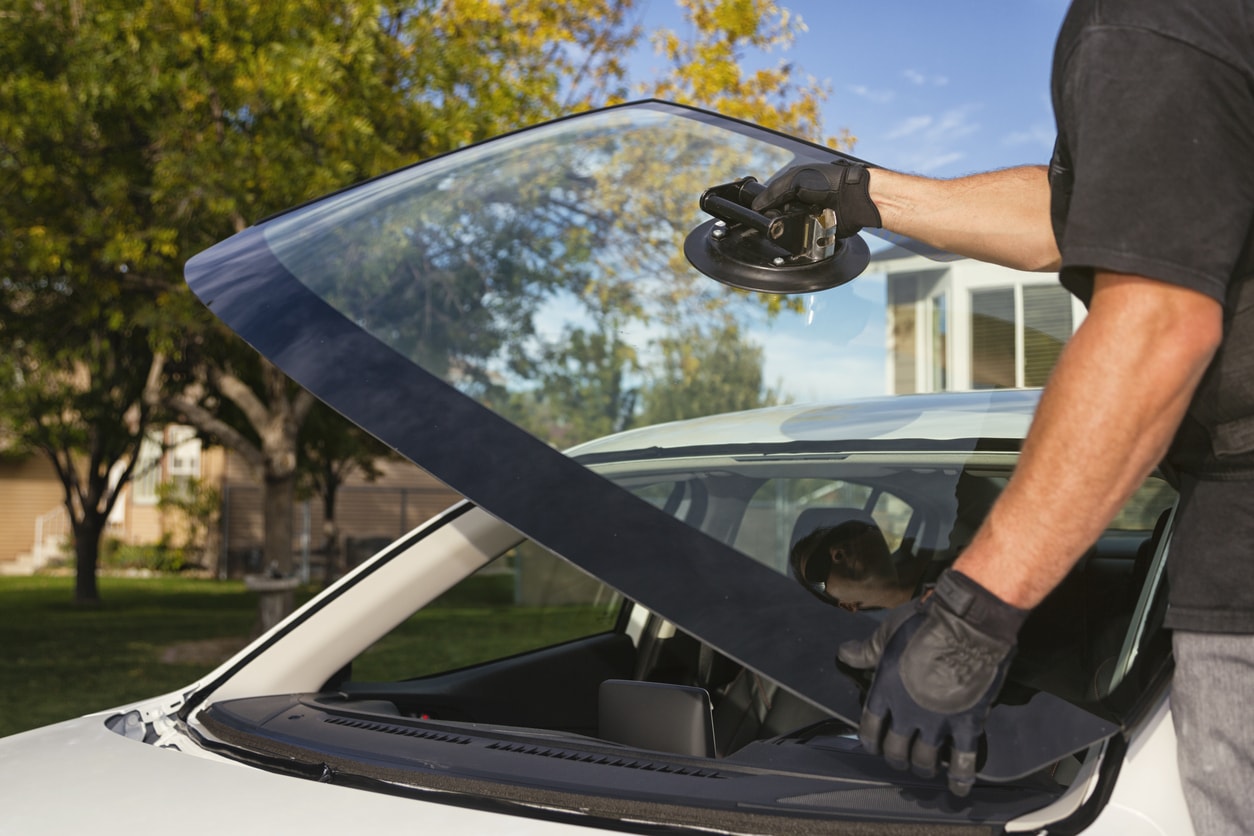
Technicians repair or replace damaged panels including bumpers, doors, and fenders. Bumper repair and panel alignment ensure the vehicle’s exterior looks correct and functions properly.
Precision Measurement and Alignment
Precision measurement systems verify that all structural repairs meet factory specifications. Proper alignment ensures the vehicle handles correctly and that body panels fit properly.
Stage 8 | Paint, Refinishing, and Reassembly
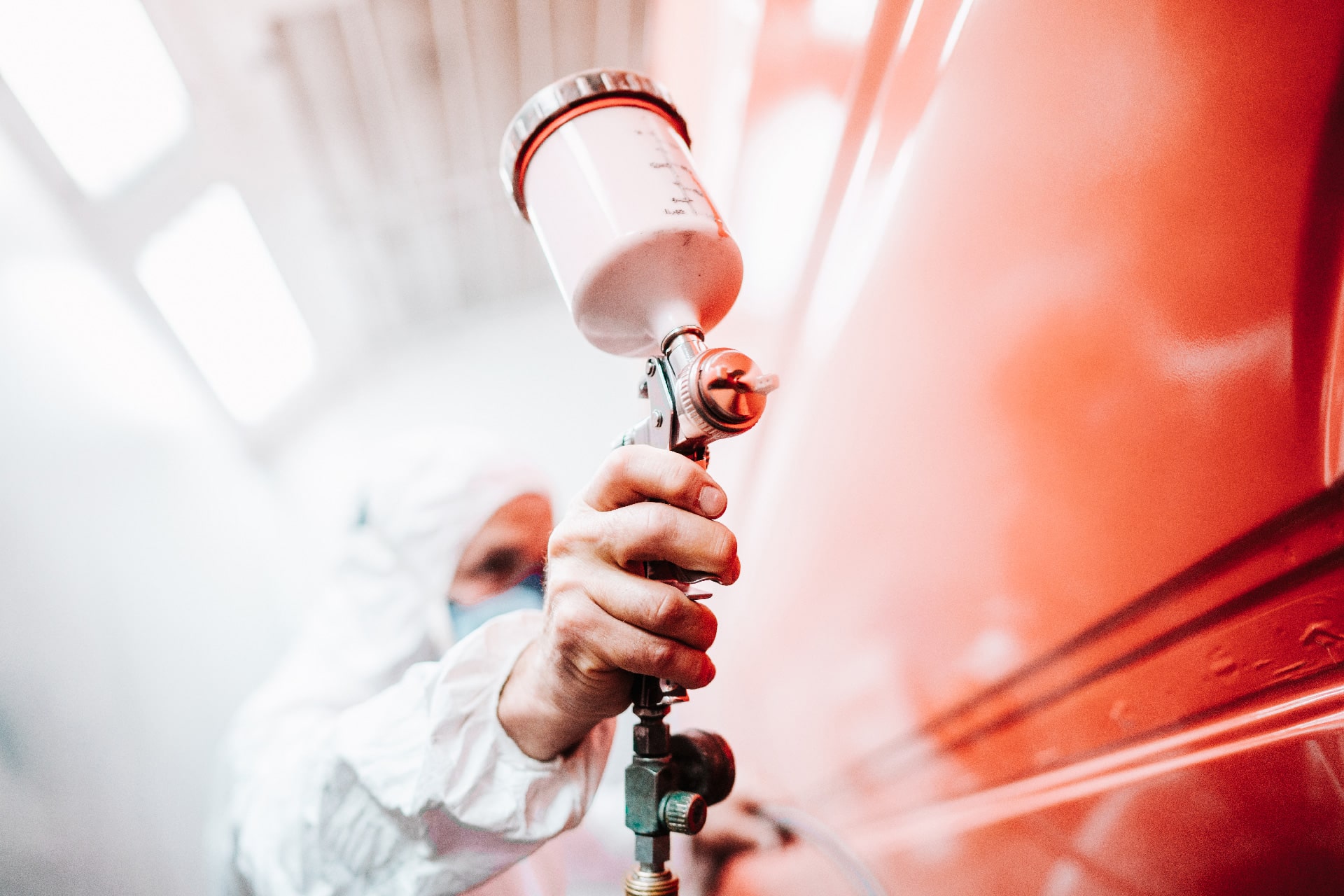
Once structural repairs and body repairs are complete, the vehicle moves to the refinishing stage. Technicians carefully restore the vehicle’s exterior appearance. This stage includes cosmetic repairs, repainting panels, and restoring the finish. Paintless dent repair may also be used for minor dents when the paint surface remains intact. This repair technique helps remove minor dents without requiring repainting.
Professional Color Matching
Paint specialists match the vehicle’s original color using advanced paint systems. Blending techniques help ensure the repaired areas match the surrounding panels.
Refinishing and Clear Coat Protection
After color application, clear coat layers are added to protect the paint and restore the vehicle’s appearance. The finish is then polished to achieve a smooth, factory quality result.
Reassembly of Panels and Components
Technicians reinstall trim pieces, sensors, and internal components removed during repairs. This ensures all vehicle systems function properly.
Stage 9 | Safety System Calibration and Final Scans
Modern vehicles require additional checks after collision repairs. Technicians calibrate advanced driver assistance systems to ensure cameras and sensors operate correctly. Diagnostic scans verify that vehicle systems and critical systems are working properly after repairs. These checks help confirm the vehicle meets safety standards before delivery.
Stage 10 | Final Inspection and Vehicle Delivery
Before returning the vehicle, the repair shop performs a final inspection and multiple quality control checks. Technicians review all repair work to confirm the repairs meet quality standards and manufacturer guidelines. Quality control inspections verify that repairs were completed correctly and that all panels align properly. The vehicle also receives thorough cleaning and detailing before delivery. This ensures the customer receives a fully restored vehicle ready for the road.
How Long Does Collision Repair Planning Usually Take
Repair planning and damage assessment may take anywhere from a few hours to several days depending on the complexity of the vehicle and the severity of damage. Repair times may vary based on parts availability, insurance approvals, and the scope of repairs required. Proper planning often reduces delays later in the repair process.
How to Choose the Right Collision Repair Shop
Selecting the right body shop is important for safety and quality. Look for auto body shops that employ certified technicians and use modern repair techniques. Experienced technicians use specialized equipment and advanced repair procedures to complete repairs safely and efficiently. Clear communication and consistent quality throughout the repair process help ensure customer satisfaction.
Frequently Asked Questions About Collision Repair Planning
How long does the collision repair process take
Repair times vary depending on the severity of the damage and the number of necessary repairs required. Minor collision repairs may take only a few days while major collision repairs may require more time.
Will my car return to pre accident condition
With proper repair procedures and skilled technicians, most vehicles can be restored very close to pre accident condition.
Can small dents be repaired without repainting
Yes. Paintless dent repair is often used to remove minor dents without repainting the vehicle’s exterior.
What happens after repairs are completed
After repairs are finished, technicians perform final inspection and quality control checks to ensure the vehicle meets safety standards and performs correctly.
Final Thoughts on the Collision Repair Process
Understanding what should you expect at each stage of collision repair planning helps vehicle owners feel more confident throughout the repair process. A professional repair shop follows a structured collision repair process that includes careful inspections, accurate repair planning, and precise repair work. From the initial assessment to the final inspection, every stage is designed to restore vehicle integrity, ensure safety standards are met, and return the vehicle to the road with consistent quality. At Relux Collision, our certified technicians focus on quality repairs, clear communication, and customer satisfaction. If your vehicle has been involved in a car accident and needs professional auto body repair, contact our team today to schedule your inspection and begin the repair process.