
What Signs Indicate a Bumper Needs Replacement Rather Than Repair?
Bumper damage can happen quickly. A small parking lot tap, a low speed collision, or contact with a curb can leave visible dents, scratches, cracks, or dings on the bumper. At first glance the damage might seem cosmetic, but modern vehicles rely on the bumper for far more than appearance. The bumper helps protect key parts of the car, supports sensors for driver assistance systems, and plays an important role in safety during collisions. Understanding what signs indicate a bumper needs replacement rather than repair can help drivers make the safest decision for their vehicle and avoid more problems in the long run. At a professional collision center like Relux Collision, technicians evaluate bumper damage carefully to determine whether a repair or a replacement is the safest option.
Understanding What Your Vehicle’s Bumper Actually Does
The bumper on a modern vehicle is designed to absorb energy during a collision and protect important structural components. It is not just a decorative panel. A bumper system typically includes a painted bumper cover, an absorber, a reinforcement bar, mounting brackets, and integrated sensors. Each component works together to protect the vehicle and its passengers.
The Main Components of a Modern Bumper
Most vehicles today have several layers built into the bumper. The outer bumper cover holds the paint and clear coat that match the rest of the vehicle. Beneath that cover are energy absorbing components that reduce impact forces during a collision. A reinforcement bar made from metal adds strength to the structure. Many bumpers also contain sensors for parking assistance and collision alerts. These components are essential for modern safety systems and must remain precisely aligned.
Why Modern Bumpers Are More Complex Than Older Vehicles
Older vehicles had simpler bumper systems, but today’s cars rely on advanced technology. Parking sensors, radar systems, and cameras often sit behind the bumper. If the bumper becomes warped, cracked, or repaired incorrectly, those sensors may not function properly. A damaged bumper can affect safety systems and compromise the structural integrity of the bumper system. That is why professional inspection at a collision center is crucial after any bumper damage occurs.
When a Bumper Can Usually Be Repaired
Not every damaged bumper needs replacement. Many types of bumper damage can be restored through a professional bumper repair. Skilled technicians can repair minor cosmetic issues and restore the bumper to its original condition when the damage is limited.
Minor Scratches or Paint Scuffs
Surface scratches are one of the most common types of bumper damage. These scratches may only affect the paint and clear coat layer. In many cases a simple repair and repainting can restore the appearance of the bumper. Automotive paint technology allows technicians to match the paint color so the repair blends with the rest of the vehicle.
Minor Dents Without Structural Damage
Minor dents or small dings are often repairable when the bumper material has not been cracked or punctured. Plastic bumpers have some flexibility, which allows technicians to reshape the surface and restore the original shape. Minor dents do not always require bumper replacement if the bumper’s structural integrity remains intact.
No Sensor or Mounting Damage
If the bumper still fits securely and sensors continue to function correctly, the damage may be repairable. In these situations a simple repair and repainting may restore the bumper without needing a full replacement. A careful inspection ensures there are no broken mounting hooks, damaged splash guard pieces, or loose valance panel components.
7 Signs Your Bumper Likely Needs Replacement Instead of Repair
Some forms of bumper damage are too serious to fix with a repair. In these cases a bumper replacement is the safest option for the vehicle and its passengers.
1 |Cracks or Splits in the Bumper Cover
Cracks are one of the clearest indicators that a bumper should be replaced. A cracked bumper often loses structural integrity, which can compromise the bumper during future collisions. Minor cracks may sometimes be repairable, but significant cracks usually require a new bumper to ensure proper protection.
2 | Deep Holes or Missing Sections
When a collision creates holes or removes material from the bumper, restoring the entire bumper becomes extremely difficult. Filling holes rarely restores the strength of the bumper material. If holes are present the safest option is often bumper replacement.
3 | Broken Mounting Tabs or Hooks
Mounting hooks and brackets hold the bumper securely to the vehicle. If these parts become broken during a collision, the bumper may shift or fall out of alignment. Broken hooks often mean the entire bumper cannot be securely attached, which may require replacement rather than repair.
4 | Damage Near Sensors
Modern vehicles include sensors for parking assist, blind spot alerts, and collision detection. Damage near these sensors can affect how the sensors read objects around the vehicle. Even small dents or cracks near sensor areas can compromise the system. In these cases replacing the bumper helps protect safety systems.
5 | Warping or Distortion
A bumper that has lost its original shape may not absorb impact correctly. Warping can occur when a bumper is severely damaged during a collision. If the bumper cannot be restored to its original shape, replacement becomes necessary to maintain safety.
6 | Underlying Damage Behind the Bumper
Sometimes bumper damage hides deeper problems. The absorber, reinforcement bar, or other internal components may have suffered structural damage. When underlying damage occurs the bumper system may need complete replacement to restore proper protection.
7 | Previous Repairs and Repeated Damage
If a bumper has been repaired multiple times it may weaken over time. Previous filler materials and repainting can compromise the bumper’s durability. In these cases a full replacement may provide better quality and prevent more problems later.
Why Replacing a Damaged Bumper Is Sometimes the Safer Choice
Drivers sometimes hesitate to replace a bumper because they want to save money. However a new bumper may be the safest option in many situations.
Protecting Vehicle Safety Systems
Sensors placed behind the bumper rely on accurate positioning to detect obstacles. If the bumper material becomes distorted or repaired incorrectly it can affect how sensors function. Installing a new bumper helps ensure these systems continue to protect the driver and passengers.
Maintaining Crash Protection
The bumper is designed to absorb impact energy and protect the vehicle structure during collisions. When the bumper becomes severely damaged it may not perform as intended. Replacement restores the structural integrity of the bumper system and helps protect the vehicle during future collisions.
Preventing Future Repairs
A temporary repair might fix the appearance of a bumper but still lead to more problems later. Cracks may spread, paint may peel, or dents may return. A complete replacement often prevents repeated repair costs and saves money in the long run.
How Collision Professionals Decide Between Repair and Replacement
Technicians at a collision center evaluate several factors before recommending bumper repair or replacement.
Visual and Structural Inspection
The first step is a detailed inspection of the bumper and surrounding components. Technicians look for cracks, dents, holes, broken mounting points, and structural damage. They also check the splash guard and valance panel to ensure everything is securely attached.
Diagnostic Sensor Checks
Because many vehicles include sensors in the bumper, technicians test these systems carefully. If the sensors show errors or alignment issues the bumper may need replacement to restore proper function.
Manufacturer Repair Guidelines
Automakers provide detailed procedures that guide technicians when deciding whether to repair or replace a bumper. These guidelines help ensure the repair meets safety standards and restores the vehicle to its original condition.
What Happens During a Bumper Replacement
Bumper replacement involves several steps to ensure the vehicle looks and performs properly after repair.
Step 1 | Damage Assessment
Technicians perform a full inspection to determine the extent of the damage and identify any hidden structural damage.
Step 2 | Removal of the Damaged Bumper
The damaged bumper is carefully removed so technicians can inspect internal components and sensors. This step helps identify underlying damage that may have occurred during the collision.
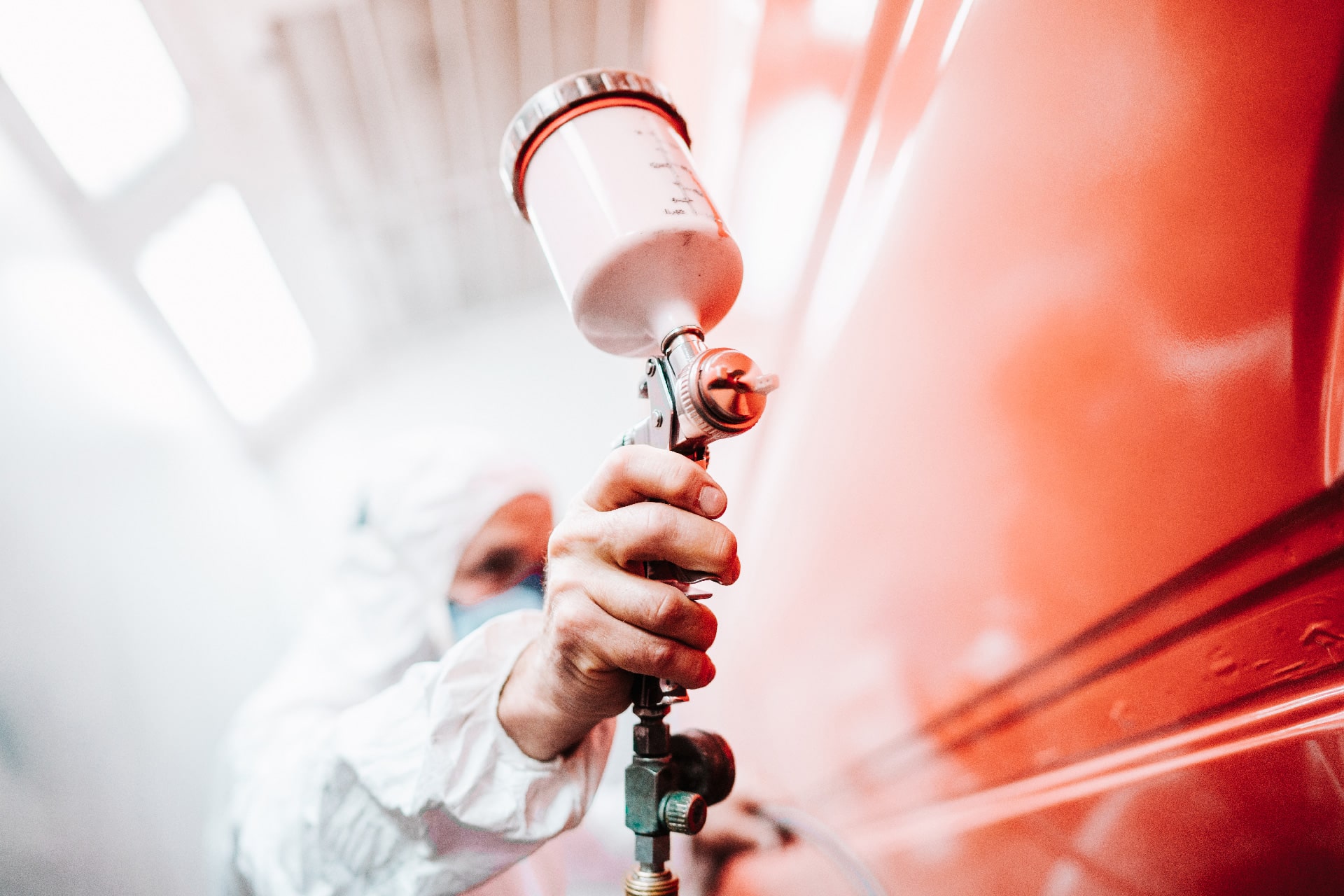
Step 3 | Precision Paint Matching
A new bumper must match the rest of the vehicle. Technicians use advanced automotive paint systems to match the color, clear coat, and finish. The goal is to ensure the repainting blends seamlessly with the rest of the car.
Step 4 | Installation and Sensor Calibration
Once the new bumper is painted and ready, technicians perform the installation and reconnect sensors. Calibration ensures the sensors function correctly and continue to protect the driver.
Does Insurance Cover Bumper Replacement?
Many drivers wonder about the cost of bumper replacement after a collision. Insurance coverage depends on the policy and the circumstances of the accident.
Collision Coverage vs Liability
Collision coverage typically helps cover damage to your own vehicle after an accident. Liability coverage usually pays for damage to another driver’s vehicle.
When Replacement Is Approved by Insurance
Insurance companies often approve replacement when the bumper has structural damage, large dents, or significant cracks that cannot be repaired safely.
Working With a Collision Center That Handles Claims
An experienced collision center can help communicate with insurance providers during the repair process. This assistance can help drivers save time and reduce stress while their vehicle is repaired.
How to Prevent Future Bumper Damage
While some collisions cannot be avoided, drivers can take steps to protect their bumper and reduce damage.
Parking Awareness
Parking farther away from crowded areas can reduce the risk of dents, scratches, and dings caused by other vehicles.
Safe Following Distance
Maintaining a safe distance behind other vehicles helps reduce the risk of front end collisions that may damage the bumper and headlights.
Using Parking Sensors and Cameras
Many modern vehicles include sensors and cameras that help drivers avoid obstacles. Using these features can help prevent minor dents and scratches.
Why Drivers Trust Relux Collision for Bumper Repairs and Replacements
Drivers trust Relux Collision because the team focuses on quality repairs and customer safety. As a professional collision center, Relux Collision performs thorough inspections and follows manufacturer guidelines for every repair. Technicians carefully evaluate whether a bumper repair or a full replacement is necessary to restore safety and performance. From precision paint matching to expert installation, the shop works to restore every vehicle to its original condition.
Frequently Asked Questions About Bumper Repair and Replacement
Can a cracked bumper be repaired instead of replaced
A cracked bumper can sometimes be repaired if the cracks are small and the structure is still intact. However significant cracks often require replacement to maintain structural integrity.
How much damage is too much for bumper repair
Damage involving large dents, holes, broken hooks, or sensor interference usually requires bumper replacement rather than repair.
Will bumper damage affect sensors
Yes. Sensors located behind the bumper may be affected by dents, cracks, or structural damage. Proper repair or replacement ensures the sensors continue working correctly.
How long does bumper replacement take
Most bumper replacement jobs take a few days depending on parts availability, paint curing time, and sensor calibration requirements.
Is it safe to drive with a damaged bumper
Driving with a severely damaged bumper can compromise safety because the bumper may not protect the vehicle properly during a collision.
Will insurance pay for bumper replacement
Many insurance policies cover bumper replacement after a collision, especially when the damage affects structural integrity or safety systems.
Final Thoughts
Understanding what signs indicate a bumper needs replacement rather than repair can help drivers make informed decisions after an accident. Minor dents and scratches can often be repaired, but large dents, holes, cracks, broken mounts, or sensor damage may require replacing the entire bumper. A professional inspection at a trusted collision center ensures the repair restores safety, appearance, and performance. If you notice bumper damage after a collision, visiting a qualified shop quickly can prevent more problems and help restore your vehicle with the safest solution available.