
Essential Steps to Take Following a Car Accident
Knowing what to do after a car accident can make all the difference for your safety, your vehicle, and your insurance claim. Even the most cautious drivers can find themselves in an accident, and the steps you take right afterward can affect how quickly and fairly everything gets resolved. At Relux Collision, we help Sacramento drivers every day through the entire claim process, from the accident scene to the final repair. This guide walks you through each step so you can stay calm, protect yourself, and get your car back to pre-accident condition with confidence.
Step 1 – Stay Calm and Check for Injuries
The most important thing you can do after a car accident is stay calm. Take a moment to assess your well being and the condition of your passengers and any other parties involved. If anyone is injured, call 911 immediately. Even a small auto accident can cause unseen injuries that may need medical attention. When you call the police, give clear details about the accident scene, including the number of vehicles involved, injuries, and traffic hazards. Keep your hazard lights on to alert other drivers, and if it’s safe, move your car to a secure area like the shoulder or a nearby parking lot. This simple act can prevent further damage and secondary collisions.
Step 2 – Move to a Safe Place and Protect the Scene

After an auto accident, protecting yourself and others from additional danger is critical. Turn on your hazard lights so other vehicles can see you, and if possible, move to a safe place off the road. California law encourages drivers to move their vehicles out of traffic if they are drivable and no one is seriously hurt, to keep everyone safe and prevent more accidents. Make sure all passengers are away from moving vehicles and avoid standing too close to the roadway.
Step 3 – Call the Police and Get a Report
If injuries, fatalities, or property damage of $1,000 or more occur, you are required by law to call the police. Police officers will come to the scene, assess the situation, and file an official police report. Cooperate with officers, providing your driver’s license, vehicle registration, and insurance information. Ask for the officer’s name and badge number so you can reference it later. Having an official report is essential for your insurance company and can help determine fault if there’s a dispute later. Even for a minor fender bender, requesting a report is a smart move since insurers often ask for it during the claims process.
Step 4 – Exchange Information with the Other Driver
Once everyone is safe and you’ve contacted the police, you’ll need to exchange information with the other driver. Share your name, address, phone number, driver’s license number, insurance company and policy number, and vehicle details. Make sure to record the other driver’s license plate numbers, company and policy number, and driver’s license numbers accurately. The same goes for any witnesses—ask for their names and contact details. Keep the conversation calm and polite, and do not admit fault or speculate about what happened. The insurance company and, if needed, police officers will determine that based on the evidence and report.
Step 5 – Document the Accident Scene
Take pictures of the entire accident scene, including all vehicles involved, close-up shots of the vehicle damage, and the surrounding area. Capture road signs, traffic lights, license plates, and any skid marks that could help explain how the accident occurred. Make notes about the weather, lighting, and traffic conditions. This documentation will be useful when you file a claim with your insurance company. Accurate photos also help a competent appraiser evaluate repair costs and determine whether your car is a total loss or repairable. Keeping a detailed record protects you and supports your insurance claim.
Step 6 – Handle Towing Carefully and Avoid Scams

If your car can’t be driven, you may need to call a tow truck. California has strict rules about consent and non-consent towing. Always verify the tow truck’s company name, badge number, and credentials before allowing them to take your vehicle. Make sure the tow driver tells you exactly where your vehicle will be taken. Remember, you have the right to choose your repair shop, not the towing company or your insurer. Have your car towed directly to Relux Collision, where our certified technicians can assess the vehicle damage and begin the repair process. Avoid signing paperwork you don’t understand or agreeing to after market parts without explanation.
Step 7 – Notify Your Insurance Company Promptly
Once you are safe, contact your insurance company or your insurance agent right away. Report the accident and provide all relevant details, including the police report number, photos, and information you gathered from the other driver. Most insurers expect you to file a claim immediately or within a few days. Quick communication helps protect your coverage and speeds up the claim process. If you are unsure what to say, simply provide the facts without admitting fault. Relux Collision works directly with your insurer to ensure accurate estimates, approved repair costs, and clear communication through the entire claims process.
Step 8 – Understand the Claim Process and Your Rights
The claim process can be confusing, especially when dealing with multiple vehicles involved or unclear fault. Your insurer or insurance agent will assign an adjuster to inspect your vehicle and assess the repair costs. This may include evaluating whether your car’s actual cash value is less than the repair cost, which can result in a total loss determination. If you disagree with the appraisal, most policies include an appraisal provision that allows you and your insurer to hire a competent appraiser to determine fair value. You also have the right to request OEM parts instead of after market parts for certain repairs. Understanding your policy’s collision coverage and limits helps you make informed decisions.
Step 9 – Choose Your Repair Shop Wisely
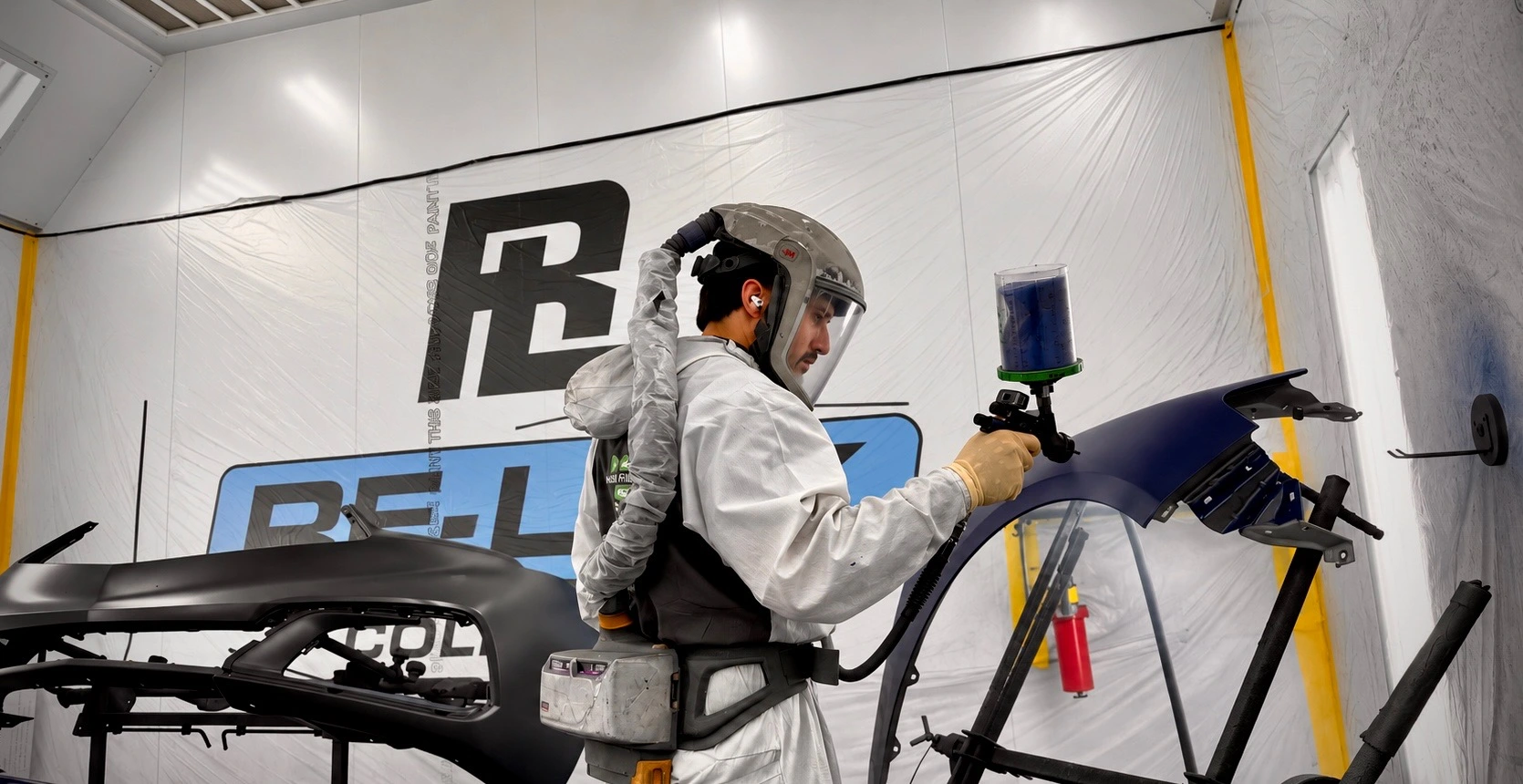
In California, the law guarantees your right to select your own repair shop. Your insurance company cannot require you to use a specific facility. Choose a shop that offers certified technicians, transparent estimates, and a written warranty on all repairs. At Relux Collision, we combine advanced equipment, skilled craftsmanship, and OEM-approved repair methods to restore your car safely and precisely. We provide digital photo estimates, handle communication with your insurer, and guarantee our repairs for as long as you own the vehicle. Whether you’re dealing with bodywork, paint refinishing, or structural repairs, our team ensures your vehicle returns to you looking and performing like new.
Step 10 – File a Claim and Track Progress
Filing an insurance claim is more than just paperwork. It’s about protecting your financial interests and ensuring fair compensation for your losses. When you file a claim, your insurer will ask for details such as your driver’s license number, policy number, police report, and photos. Keep copies of everything you submit. If your policy includes coverage for rental cars or lost wages, make sure to mention it. Relux Collision can provide your insurer with detailed repair estimates and photos of vehicle damage to support your claim. We work with all major insurers and understand how to navigate the claim process efficiently so you can focus on what matters—your recovery and safety.
Step 11 – Get a Post-Accident Health Check

Even if you think you’re fine after a car accident, get checked by a medical professional. Some injuries, like whiplash or concussions, may not show symptoms right away. Keeping medical documentation is essential, especially if you later experience pain or need to claim medical expenses or lost wages. Prioritize your well being and follow up with your doctor if any discomfort develops after the accident.
Step 12 – Review the Insurance Settlement
When your insurance company completes their investigation, they’ll offer a settlement based on repair costs or the car’s actual cash value. Review it carefully. If your car is deemed a total loss, you’ll typically receive the actual cash value minus your deductible. If repairs are authorized, confirm that your chosen repair shop is handling the work and that no unauthorized after market parts are being used unless you approve. If you disagree with the amount offered, invoke your policy’s appraisal provision and request a competent appraiser to re-evaluate the vehicle.
Step 13 – Understand Repair Costs and Quality
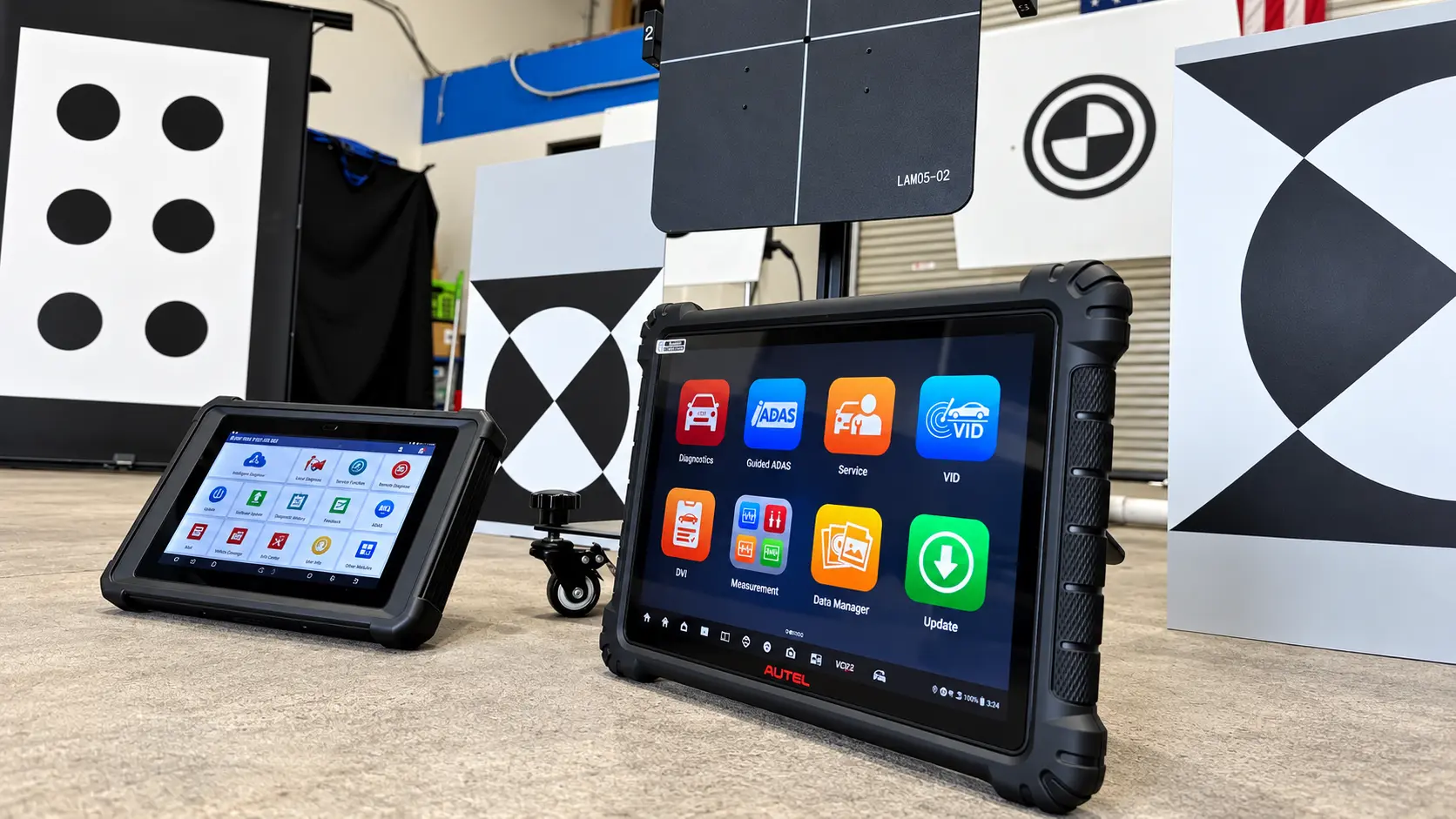
Repair costs depend on the extent of vehicle damage and parts availability. A reputable repair shop should provide a clear, itemized estimate and explain each step. At Relux Collision, our team uses precise diagnostic equipment to identify hidden damage and prevent further damage once repairs begin. We follow manufacturer specifications and use high-quality materials for every job. We also coordinate with your insurer to ensure the coverage and payment process goes smoothly. Quality repairs not only restore appearance but also protect your safety systems and the vehicle’s structural integrity.
Step 14 – Pick Up Your Vehicle and Inspect Repairs
When your car is ready, inspect it carefully before signing off. Review the repair invoice, confirm that all listed work is complete, and ensure everything functions properly. Test doors, lights, and electronics. If something seems off, mention it immediately. Relux Collision guarantees every repair and will make sure you’re completely satisfied before you leave.
Step 15 – Learn and Prepare for the Future
Accidents are stressful, but every experience is a chance to be better prepared. Keep an emergency kit, first-aid supplies, and reflective triangles in your car. Always carry your driver’s license, insurance card, and vehicle registration. Store your insurance agent’s contact information in your phone and glove box. These simple habits help you respond confidently if another accident happens.
What NOT to Do After a Car Accident

- Don’t leave the scene of the accident, even if it seems minor.
- Don’t admit fault or guess who caused the collision.
- Don’t sign towing or repair paperwork without reading it.
- Don’t delay contacting your insurance company or filing your claim.
- Don’t ignore pain or skip medical evaluations.
Understanding California Accident Laws
California law requires drivers to report accidents with injuries, fatalities, or property damage exceeding $1,000. Police officers must file an official report within ten days of the incident. The Move Over law requires drivers to change lanes or slow down when passing emergency or tow vehicles with flashing lights. The Insurance Code protects your right to choose your own repair shop and prohibits insurers from requiring specific facilities. Knowing these rules helps you make smart decisions during the claim process.
Why Choose Relux Collision After an Accident
Relux Collision is more than a repair shop—it’s a trusted partner for drivers in Sacramento. We combine cutting-edge repair technology, certified technicians, and exceptional customer service to deliver safe, accurate, and lasting repairs. From frame alignment to factory paint matching, we handle every detail with precision. Our team works directly with your insurance company to simplify paperwork, clarify repair costs, and ensure fair coverage. We even help coordinate towing and rental cars so you can focus on getting back on the road. Every repair we perform is backed by our lifetime warranty and commitment to your satisfaction.
FAQs – What Drivers Ask Most After a Car Accident
Do I have to call the police for every accident?
Not for every accident, but you should call the police if anyone is injured or if property damage exceeds $1,000. A police report is vital for insurance and legal purposes.
How soon should I contact my insurance company?
Always contact your insurance company or agent immediately after the accident, ideally within 24 hours. Quick reporting ensures your claim process starts without delays.
Can my insurance company tell me where to get repairs?
No, you have the legal right to choose any repair shop you trust. Insurers may recommend shops, but the choice is yours.
How long do car repairs take?
Minor repairs may take a few days, while more complex repairs can take one to two weeks. At Relux Collision, we’ll provide a detailed repair timeline before work begins.
What happens if my car is a total loss?
If your repair costs exceed your vehicle’s actual cash value, your insurer may declare it a total loss. You’ll receive compensation based on the actual cash value minus your deductible.
What if I disagree with my insurance company’s estimate?
Use the appraisal provision in your policy to hire a competent appraiser who can reassess your vehicle’s value or repair estimate.
Final Thoughts
Knowing what to do after a car accident helps you stay safe, protect your rights, and handle the insurance claim process with confidence. From gathering information at the accident scene to working with your insurance agent, every step matters. Relux Collision is here to support you through each part of the journey. Our team takes pride in restoring cars with precision, helping drivers navigate insurance with ease, and ensuring that every repair meets the highest safety standards. If you’ve been in an accident, contact Relux Collision today for your free estimate and let our experts return your vehicle to its pre-accident condition with quality, care, and professionalism.