
What Types of Automotive Paint Finishes Exist and How to Maintain Them?
When drivers start researching vehicle care, one of the most common questions is what types of automotive paint finishes exist and how to maintain them. The answer matters more than most car owners realize. The paint on a vehicle is responsible for much more than color. It protects the body panels, preserves resale value, and defines the vehicle’s appearance. A high quality finish also helps a car maintain its aesthetic appeal for years.
In the automotive world, there are several automotive paint types used by car manufacturers. Each paint type has different visual characteristics and different care requirements. Some paint finishes create a glossy finish and a noticeable shine, while others produce a satin finish or even a non reflective appearance. Understanding these paint finishes helps car owners protect their investment and keep their vehicle looking its best.
At Relux Collision, we work with auto paint and refinishing every day. Our technicians repair and restore paint jobs on modern vehicles as well as classic cars. From metallic finishes to pearlescent finishes and matte finishes, each type of car paint requires specific repair methods and maintenance tips. This guide explains the most common types of car paint, how they affect a vehicle’s exterior, and how proper maintenance protects the car’s appearance and resale value.
Understanding Modern Automotive Paint Systems
The Layers of Automotive Paint
Every modern paint job used in the automotive industry follows a layered structure designed to provide durability and visual depth. Automotive paint systems typically include multiple layers that work together to create the final appearance of the vehicle’s paint.
The first layer is primer. Primer prepares the vehicle’s surface and helps the color adhere properly. Above the primer sits the color coat, sometimes called the base layer. The color coat determines the car’s color and is where different paint finishes originate.
The final layer is the clear coat. This transparent layer protects the color coat and gives most vehicles a glossy finish. The clear coat also protects the vehicle’s paint from environmental factors such as moisture, road debris, and uv rays. Many modern paint systems rely heavily on the clear coat to create a high gloss finish and long term durability.
When paint dries during the refinishing process, these multiple layers bond together to create a protective shell over the vehicle’s exterior. This layered system is what allows auto paint to achieve a vibrant appearance while protecting the vehicle from environmental elements.
Why Paint Finish Matters for Maintenance
The paint type used on a vehicle affects both its appearance and how it must be maintained. Some paint finishes contain reflective materials such as metallic flakes or ceramic crystals. These particles reflect light and produce a shimmering effect that adds depth to the car’s color.
Other paint finishes rely on texture instead of reflection. Matte finishes and satin finish coatings scatter light instead of reflecting it, which creates a non reflective appearance. Because of this difference, the maintenance process for each paint type is different.
For example, solid finishes and glossy finish coatings can often be polished to remove minor scratches or swirl marks. Matte paint and satin finish coatings cannot be polished because doing so can create uneven shine. Knowing the right paint type helps ensure proper maintenance and prevents accidental damage.
Why Professional Paint Matching Matters
Matching automotive paint requires precision and expertise. Metallic paints, pearlescent paints, and other specialty automotive paint finishes contain tiny metal flakes or ceramic crystals that change how the paint reflects light. The direction and distribution of these particles must be replicated exactly during a repair.
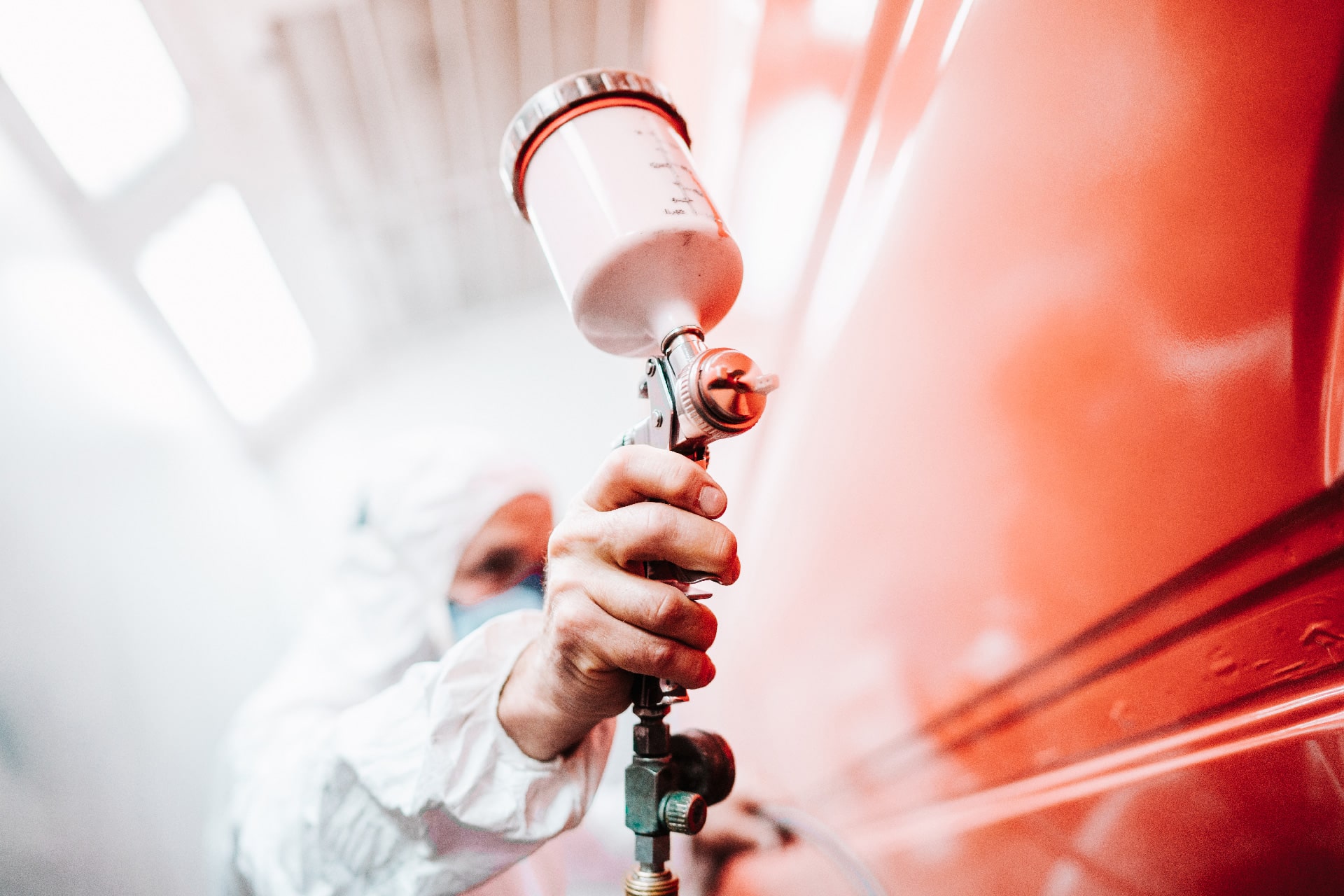
Professional technicians also consider environmental factors, spray technique, and drying conditions to achieve a high quality finish. Without proper equipment and experience, a paint job can appear mismatched or uneven. For this reason, professional refinishing is essential when repairing complex automotive paint finishes.
The Most Common Types of Automotive Paint Finishes
The automotive industry uses several different types of car paint to achieve specific visual effects and durability levels. Each paint type provides a unique final appearance and requires slightly different care techniques.
Solid Paint (Non Metallic Finish)
Solid paint is one of the most traditional paint finishes used on vehicles. Solid paint finishes use a single color pigment without reflective materials. This produces a clean and uniform look across the vehicle’s exterior.
Solid finishes are commonly used on white, black, and primary colors. Because there are no metallic flakes or ceramic crystals involved, solid paint is often easier to match during repairs.
Many car manufacturers still use solid paint finishes for certain models because they provide a consistent glossy finish and strong durability.
Maintenance Tips for Solid Paint
Maintenance tips for solid paint focus on protecting the clear coat and preventing damage from environmental elements. Regular washing removes dirt and debris before it can scratch the vehicle’s paint.
Car owners should avoid harsh chemicals that may damage the clear coat. Gentle cleaning methods and protective products help maintain the high shine and vibrant appearance of the paint job.
Applying a ceramic coating can add chemical resistance and extra protection against uv rays. This helps solid paint maintain its glossy finish while protecting resale value.
Metallic Paint
Metallic paints are among the most popular automotive paint finishes used today. This paint type includes metal particles suspended in the color coat. These metal particles create the shimmering effect that gives metallic finishes their distinctive appearance. When light hits the surface, the metallic flakes reflect light in multiple directions. This produces a vibrant appearance and noticeable shine that enhances the car’s color.
Maintenance Tips for Metallic Paint
Metallic finishes require careful maintenance to preserve their clarity and high shine. Washing the vehicle regularly prevents dirt from accumulating on the clear coat.
Using microfiber wash tools helps prevent swirl marks and minor scratches that can dull the glossy finish. Car owners should also protect metallic paints with sealants or ceramic coating products.
Maintaining the clear coat is essential for preserving the final appearance of metallic finishes and protecting the vehicle’s paint from environmental elements.
Repair Considerations
Repairing metallic paints requires specialized techniques. Because metallic finishes rely on tiny metal flakes to create their reflective look, technicians must apply the paint evenly so the particles align correctly. Professional paint technicians often blend the repaired panel into surrounding panels to maintain a consistent glossy finish and color depth.
Pearl and Pearlescent Paint
Pearlescent paints, sometimes called pearl paint, offer one of the most visually striking paint finishes in the automotive world. These paints use ceramic crystals or mica particles that produce a soft glow rather than the sparkle seen in metallic paints.
Pearlescent finishes change slightly depending on lighting and viewing angle. This shifting effect gives vehicles a premium look and high shine that many car enthusiasts appreciate.
Maintenance Tips for Pearl Paint
Pearl paint requires consistent maintenance to maintain its high gloss finish. Regular washing removes contaminants that could damage the clear coat or reduce the vibrant appearance of the paint.
Avoid harsh chemicals that could degrade the protective layer of the paint job. Protective coatings can help shield the vehicle’s paint from uv rays and environmental factors. Proper maintenance helps pearlescent paints maintain their shimmering effect and protects the car’s appearance for years.
Repair Considerations
Repairing pearlescent finishes can be challenging because the layered pigments must be replicated precisely. Technicians often apply multiple layers of color coat and clear coat to recreate the depth of the original finish. Without proper blending and color matching, differences in the final appearance can be noticeable.
Tri Coat and Multi Stage Paint
Some vehicles feature more complex paint finishes known as tri coat or multi stage systems. These automotive paint finishes involve multiple layers of color. A base layer provides the primary color, followed by a translucent layer that enhances depth, and finally a clear coat. This layered approach produces a vibrant appearance and deep glossy finish that stands out in the automotive world. Tri coat paint jobs are often used for bright whites, reds, and specialty colors.
Maintenance Tips for Tri Coat Paint
Maintaining tri coat paint involves protecting the clear coat and preventing contamination. Dirt and environmental elements can reduce the clarity of the finish if they remain on the surface for long periods. Routine washing and protective coatings help maintain the high shine and aesthetic appeal of these paint finishes. Because tri coat paint jobs rely on multiple layers, repairing them often requires skilled technicians and careful color matching.
Matte Paint
Matte paint has become increasingly popular among car enthusiasts and performance vehicle owners. Unlike traditional glossy finish coatings, matte paint produces a non reflective appearance. This look is achieved by altering the texture of the clear coat so light scatters instead of reflecting. Matte finishes provide a unique aesthetic that highlights a vehicle’s design lines and personal style.
Maintenance Tips for Matte Paint
Matte paint requires specialized cleaning methods. Standard waxes and polishing compounds designed for glossy finish coatings can create unwanted shine. Car owners should use specialized cleaning products designed for matte paint. These products protect the finish without altering its non reflective appearance. Proper maintenance also involves removing contaminants quickly and avoiding automated car washes that may scratch the paint.
Satin and Low Gloss Paint
Satin finish coatings sit between matte finishes and glossy finish paint. A satin finish has a subtle sheen but does not produce the high shine of a traditional gloss finish.
These paint finishes are increasingly popular for custom paint jobs and luxury vehicles because they offer a distinctive visual style.
Maintenance Tips for Satin Finish Paint
Satin finish paint should be cleaned gently using soft microfiber materials. Car owners should avoid harsh chemicals and use specialized cleaning products designed for satin finish surfaces.
Maintaining the clear coat is essential for preserving the final appearance of satin finish paint jobs.
How to Properly Maintain Your Car’s Paint Finish
Proper maintenance protects the vehicle’s paint and helps preserve the car’s appearance and resale value. Maintaining a paint job involves more than occasional washing. It requires consistent care and attention to environmental elements.
Wash Your Vehicle Regularly
Regular washing removes dirt, road salt, and debris that can damage the vehicle’s paint. Washing also prevents contaminants from becoming embedded in the clear coat.
A clean vehicle maintains its glossy finish and vibrant appearance.
Remove Contaminants Quickly
Substances like bird droppings, bug residue, and tree sap can damage the clear coat if left on the vehicle’s surface. Removing these contaminants quickly helps prevent stains and minor scratches.
Quick cleaning protects the car’s color and prevents long term damage to the paint job.
Use the Right Wash Tools
Soft microfiber wash mitts and drying towels help reduce swirl marks and light scratches. The two bucket wash method is often recommended because it separates clean water from dirty water.
This process reduces the risk of grinding dirt into the vehicle’s paint.
Protect Your Paint
Protective coatings add an extra barrier between the vehicle’s paint and environmental factors. Ceramic coating products improve chemical resistance and make washing easier.
Some car owners also use paint protection film to protect vulnerable areas from chips and debris. These solutions help maintain the high gloss finish of a vehicle while protecting the clear coat.
Common Mistakes That Damage Automotive Paint
Even well maintained vehicles can suffer damage if the wrong cleaning methods are used.
Using Harsh Chemicals
Household cleaners or strong solvents can damage the clear coat and strip protective layers from the paint job. Always use automotive specific cleaning products to avoid damaging the vehicle’s paint.
Automatic Brush Car Washes
Some automated car washes use stiff brushes that can create swirl marks or minor scratches in the clear coat. Hand washing is often the safest option for preserving a high quality finish.
Ignoring Contaminants
Leaving debris such as bird droppings or tree sap on the vehicle allows acids to damage the clear coat. Prompt cleaning protects the vehicle’s exterior and preserves its glossy finish.
Using Wax on Matte Paint
Wax products designed for glossy finish coatings can create shiny spots on matte paint. These spots may permanently alter the intended non reflective appearance of matte finishes.
Improper Drying Techniques
Drying a vehicle with rough towels or wiping dirt across the paint can create light scratches. Clean microfiber towels help protect the vehicle’s paint during drying.
When Professional Paint Care or Repair Is Needed
Over time, environmental factors and daily driving can damage even well maintained paint jobs. Minor scratches, fading, and clear coat damage are common issues.
Professional technicians can restore a paint job by repairing the damaged area and applying new paint layers. Proper refinishing ensures the new paint blends seamlessly with the rest of the vehicle.
Signs Your Paint Needs Professional Attention
Common signs of paint damage include peeling clear coat, fading color, or deep scratches that expose the color coat beneath. Addressing these issues early helps protect the vehicle’s paint and maintain resale value.
Why Professional Paint Matching Matters
Professional refinishing requires advanced color matching technology and experienced technicians. Achieving the right paint type and correct color coat ensures the repaired area matches the rest of the vehicle’s paint.
Protecting Your Vehicle’s Finish After Collision Repairs
After a repair, new paint must fully cure before it receives protective coatings. Allowing the paint to dry and harden properly helps ensure durability and long term performance.
Proper maintenance after refinishing includes gentle washing and avoiding abrasive products until the paint job has fully cured.
Frequently Asked Questions (FAQs)
What types of automotive paint finishes exist and how do they differ?
The main types of automotive paint finishes include solid paint, metallic paint, pearlescent paint, matte paint, and satin finishes. Solid paint offers a uniform color without reflective particles, while metallic and pearlescent paints contain metal flakes or ceramic crystals that create shimmering and iridescent effects. Matte paint provides a non-reflective, textured look, and satin finishes offer a subtle sheen between matte and glossy.
How should I maintain different automotive paint finishes?
Maintenance varies by paint type. Solid and metallic finishes benefit from regular washing, waxing, and protective coatings like ceramic coatings. Matte and satin finishes require specialized cleaning products to avoid unwanted shine and irreversible damage. Always use soft microfiber tools and avoid harsh chemicals or automatic brush car washes to prevent scratches.
Are water-based paints better for the environment?
Yes, water-based paints are eco-friendly alternatives to traditional solvent-based paints. They use water as a carrier instead of harsh solvents, reducing volatile organic compounds (VOCs) emissions and harmful environmental impact. Water-based paints provide high-quality finishes while promoting a safer working environment for technicians.
Can I repair scratches on matte paint finishes myself?
Matte finishes are sensitive and cannot be polished or buffed without creating shiny spots. Minor scratches on matte paint should be addressed promptly with specialized products designed for matte finishes, but deep damage typically requires professional repair to maintain the non-reflective appearance.
What is the role of the clear coat in automotive paint finishes?
The clear coat is the transparent top layer applied over the color coat. It protects the paint from environmental factors like UV rays, moisture, and road debris while providing gloss and depth to the finish. Proper maintenance of the clear coat is essential to preserve the vehicle’s paint durability and vibrant appearance.
Final Thoughts on Automotive Paint Finishes
Understanding automotive paint finishes helps car owners protect their vehicles and maintain a high quality finish. Each paint type offers a different combination of durability, aesthetic appeal, and maintenance requirements. From solid paint and metallic finishes to pearlescent finishes and matte finishes, the right paint can enhance a vehicle’s appearance and reflect a driver’s personal style.
With proper maintenance, the right cleaning products, and professional repairs when needed, automotive paint can maintain its vibrant appearance for many years. If your vehicle’s paint has been damaged or you want expert help restoring your paint job, the team at Relux Collision is here to help. Our technicians specialize in auto paint repair, precision color matching, and professional refinishing to restore your vehicle’s exterior and protect its value. Get your free estimate today and let our team bring your vehicle back to its best condition.