
What Vehicles Most Often Require ADAS Calibration?
Modern vehicles are equipped with sophisticated safety systems designed to help drivers avoid potential accidents. Many of these technologies rely on advanced driver assistance systems, commonly known as driver assistance systems ADAS. These systems depend on precise alignment of sensors and cameras in order to function correctly.
As automotive technology continues to evolve, ADAS calibration has become a routine part of collision repair and vehicle service. Even small repairs can affect the positioning of ADAS sensors, which means recalibration is often necessary before the vehicle operates safely again.
In this guide, we explain what vehicles most often require ADAS calibration, how the calibration process works, and why proper calibration is essential for vehicle safety.
What Is ADAS Calibration and Why Does It Matter?
Understanding Advanced Driver Assistance Systems
Advanced driver assistance systems help drivers detect obstacles, prevent collisions, and assist with driving tasks. These safety systems combine ADAS cameras, radar sensors, ultrasonic sensors, and other sensors that work together to monitor the road and surrounding vehicles.
Modern ADAS systems include features such as automatic emergency braking, forward collision warning, lane departure warning, blind spot monitoring, adaptive cruise control, and highway driving assist. These driver assistance features help reduce collision risk by detecting objects and responding to potential hazards.
Many modern vehicles now include multiple sensors that support these sophisticated systems. ADAS cameras are often mounted near the windshield or inside the vehicle near the rearview mirror. Radar sensors are commonly located behind the grille or front bumper. Some vehicles also use lidar sensors and ultrasonic sensors to enhance collision avoidance and parking assistance.
Because these driver assistance systems ADAS rely on precise sensor positioning, they must be properly calibrated to function correctly.
Why Calibration Is Required After Repairs
ADAS calibration ensures that the vehicle’s safety systems operate according to manufacturer specifications. These systems rely on precise calibration so that sensors can accurately detect obstacles and lane markings.
Even a minor misalignment can cause system malfunctions. A minor misalignment or even a minor fender bender can significantly impact sensor positioning and system performance.
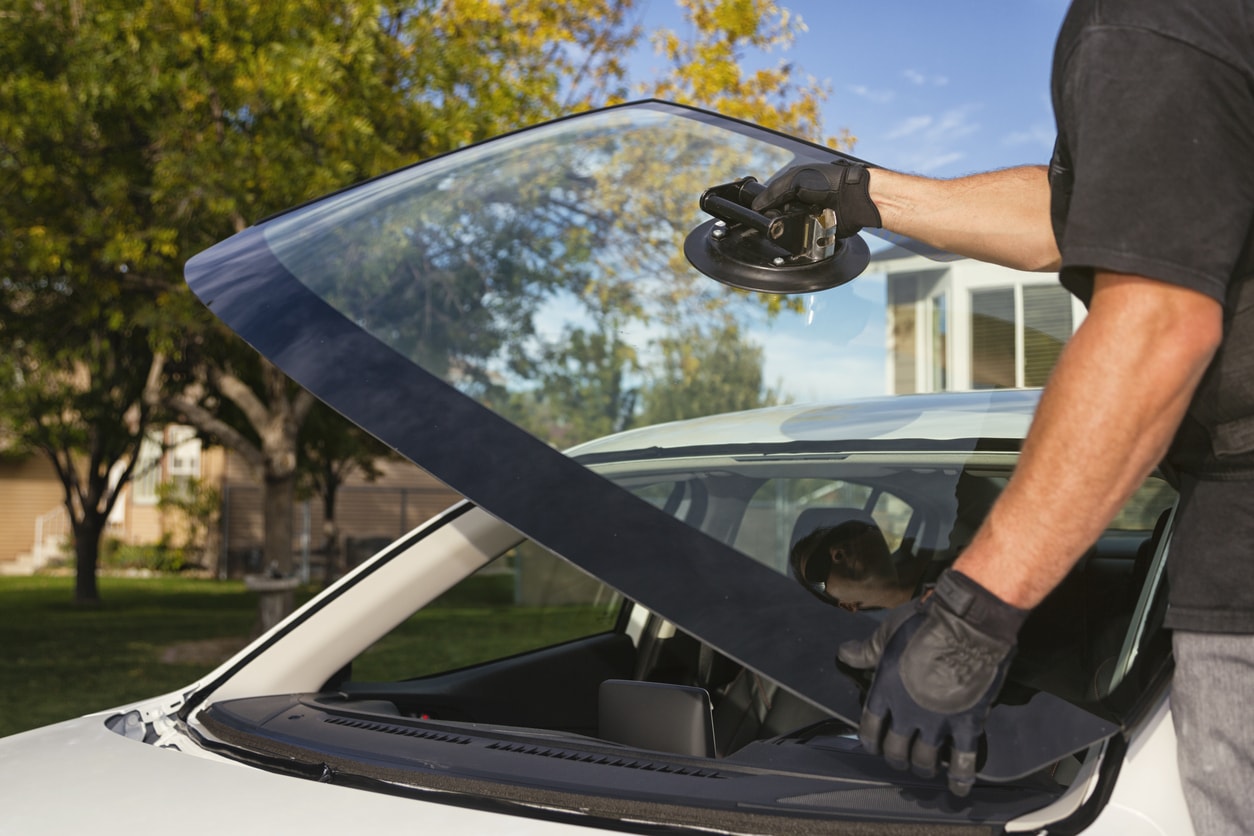
Repairs that often require calibration include windshield replacement, wheel alignment, body panels replacement, and other collision repair procedures. During windshield replacement, technicians must carefully reinstall the glass because ADAS cameras and forward facing cameras are often mounted directly behind the windshield.
If calibration requirements are ignored, malfunctioning systems may produce warning lights, false alarms, or fail to detect obstacles properly. These safety concerns can compromise vehicle safety and reduce the effectiveness of collision avoidance systems.
Because of these risks, ADAS calibration required procedures are now part of most collision repair processes.
Static vs Dynamic ADAS Calibration
There are two primary methods used in the calibration process.
- Static calibration is performed inside a controlled environment using special equipment and manufacturer targets. During static calibration, the vehicle remains stationary while technicians adjust sensor alignment.
- Dynamic calibration is completed by driving the vehicle under specific conditions. During dynamic calibration, the vehicle collects data while driving so the systems can recalibrate themselves based on lane markings and surrounding traffic.
Many vehicles require both static calibration and dynamic calibration procedures to ensure proper calibration and optimal system performance.
What Vehicles Most Often Require ADAS Calibration?
Understanding what vehicles most often require ADAS calibration helps drivers recognize when service may be needed. Today most ADAS equipped vehicles can require calibration after repairs, but certain categories of vehicles are more likely to need it due to their widespread use and extensive ADAS features.
Compact and Midsize SUVs
Compact and midsize SUVs are among the vehicles that most often require ADAS calibration. These vehicles are extremely popular and frequently include advanced driver assistance systems as standard equipment.
SUVs commonly include ADAS cameras, camera sensors, radar sensors, and other sensors that support safety features like automatic emergency braking, lane departure warning, forward collision warning, and blind spot monitoring.
Because these vehicles are widely used as daily transportation, they often undergo windshield replacement and collision repair more frequently. Repairs involving body panels or front bumper components can shift sensor positioning and require calibration.
Even small adjustments to body panels or structural components can require calibration to restore accurate detecting objects and collision avoidance capability.
Pickup Trucks
Pickup trucks represent another major category where ADAS recalibration is often required. Modern trucks now include extensive ADAS technology and sophisticated systems designed to assist drivers.
Features such as adaptive cruise control, highway driving assist, automatic emergency braking, and lane departure warning rely heavily on sensors and camera sensors located in the front of the vehicle.
Front bumper repairs, wheel alignment, or suspension adjustments can affect sensor angles. Because of this, many trucks require calibration after even routine collision repair procedures.
The calibration process ensures that adaptive cruise control function and collision avoidance systems operate properly after repairs.
Family Sedans
Family sedans also commonly require ADAS recalibration due to their extensive safety features. These vehicles often include ADAS cameras positioned behind the windshield along with radar sensors mounted in the grille.
Windshield replacement is one of the most common reasons these vehicles require calibration. When windshield replacement is performed, the camera sensors attached to the glass must be recalibrated to ensure the system continues detecting objects accurately.
Sedans often require calibration after wheel alignment, collision repair, or front body panels replacement. These repairs can alter sensor positioning, which may significantly impact system performance if not addressed with precise calibration.
Electric and Premium Vehicles
Electric vehicles and luxury models frequently include the highest number of ADAS components and sensors. These vehicles often feature multiple ADAS cameras, lidar sensors, radar units, and ultrasonic sensors.
Because of this increased complexity, ADAS recalibration procedures may be more detailed. Even minor misalignment can disrupt sophisticated systems that rely on detecting objects in multiple directions.
These vehicles may require calibration after windshield replacement, suspension adjustments, or minor fender benders. With so many sensors working together, proper calibration ensures the entire system continues to operate safely.
The Most Common Repairs That Trigger ADAS Calibration
Many drivers assume calibration is only needed after major accidents. In reality, several routine repairs can require calibration procedures.
Windshield Replacement
Windshield replacement is the most common service that requires ADAS recalibration. Forward facing cameras and other ADAS cameras are frequently mounted directly to the windshield.
When windshield replacement is performed, the cameras must be reinstalled with precise calibration. Without proper calibration, the systems may struggle detecting objects or interpreting lane markings.
Windshield replacement also affects other sensors connected to driver assistance systems ADAS. Because of this, calibration is required after nearly every windshield replacement on ADAS equipped vehicles.
Front Bumper Repairs
Radar sensors located behind the front bumper play a critical role in collision avoidance and adaptive cruise control function.
During collision repair, the bumper or surrounding body panels may be removed or replaced. Even a small shift in sensor positioning can require calibration to ensure these systems function correctly.
Wheel Alignment or Suspension Work
Wheel alignment adjustments can alter the orientation of sensors and camera sensors. Because many systems rely on precise measurements, a wheel alignment can trigger calibration requirements.
Proper calibration ensures that safety systems continue detecting objects accurately after suspension repairs or alignment procedures.
Side Mirror Replacement
Blind spot monitoring relies on sensors mounted in the mirrors or rear body panels. When mirrors are replaced or adjusted, these sensors may require calibration.
Proper sensor positioning allows blind spot monitoring to detect other vehicles safely during lane changes.
Structural or Frame Repairs
Structural repairs from collision repair procedures can alter vehicle geometry slightly. Even small structural adjustments can significantly impact the positioning of sensors and ADAS cameras.
To ensure the entire system continues operating correctly, ADAS recalibration is required after many structural repairs.
Signs Your Vehicle May Need ADAS Calibration
Drivers may notice several warning signs that indicate calibration is needed.
Dashboard Warning Lights
Dashboard warning lights or warning lights related to ADAS systems may appear when sensors detect a problem. These dashboard warning lights often indicate that sensors are misaligned or calibration is required.
Safety Features Not Working Properly
Drivers may notice system malfunctions when certain features stop responding. Lane departure warning may fail to activate, or adaptive cruise control function may behave unpredictably.
These system malfunctions can indicate that sensors are no longer properly calibrated.
Repairs Were Recently Performed
If a vehicle recently had windshield replacement, wheel alignment, or collision repair completed, calibration may be required to restore system accuracy.
Ignoring calibration requirements can lead to malfunctioning systems or reduced vehicle safety.
Why Proper ADAS Calibration Should Only Be Done by Qualified Shops
ADAS calibration requires specialized knowledge and the right tools. Because of the complexity of these systems, only trained technicians should perform the calibration process.
Specialized Equipment Is Required
Proper calibration requires special equipment and calibration targets that match manufacturer specifications. These tools help technicians align sensors accurately in a controlled environment.
Without the right tools and special equipment, calibration cannot be performed correctly.
Manufacturer Procedures Must Be Followed
Each specific vehicle requires a unique calibration procedure. Technicians must follow manufacturer specifications to ensure accurate calibration.
Following these procedures ensures the vehicle operates safely and that driver assistance features function correctly.
Improper Calibration Can Affect Safety
Improper calibration can create safety concerns and reduce the effectiveness of collision avoidance systems.
Sensors that are not properly calibrated may fail to detect obstacles, trigger false alarms, or affect airbag deployment decisions in certain scenarios.
Because these safety systems play a critical role in preventing accidents, precise calibration is essential.
How Relux Collision Handles ADAS Calibration
Modern collision repair requires advanced tools and highly trained technicians. At Relux Collision, our team follows strict procedures to ensure every calibration meets industry standards.
Advanced Calibration Equipment
Our facility uses advanced automotive technology and specialized diagnostic equipment designed for ADAS calibration. These tools allow technicians to perform precise calibration of ADAS cameras, sensors, and other sensors.
Using the right tools ensures accurate calibration and reliable system performance.
Certified Technicians
Our technicians understand how driver assistance systems ADAS operate and how to properly perform the calibration process for each specific vehicle.
Training and experience ensure that calibration procedures meet manufacturer standards.
Precision Testing and Verification
Every vehicle undergoes system testing before and after repairs. During the calibration process, technicians verify that sensors are properly calibrated and functioning correctly.
In many cases, technicians complete a test drive to confirm that ADAS systems respond properly in real driving conditions.
Insurance Assistance and Documentation
Many insurance companies recognize the importance of ADAS calibration during collision repair. Insurance cover ADAS calibration when the procedure is necessary to restore vehicle safety systems.
Our team works with your insurance provider and documents every calibration to ensure proper repair records.
How to Know If Your Vehicle Has ADAS
Many drivers are unaware that their vehicle includes ADAS technology.
Common Features to Look For
Vehicles equipped with ADAS features often include lane departure warning, automatic emergency braking, blind spot monitoring, and adaptive cruise control.
These safety features rely on sensors, camera sensors, and ADAS cameras located around the vehicle.
Check Your Owner’s Manual
Your owner’s manual lists all driver assistance features installed on your specific vehicle. It may also explain calibration requirements and maintenance procedures.
Ask Your Repair Shop
A qualified service provider can inspect your vehicle and determine whether ADAS calibration is required after repairs.
The Future of ADAS in Vehicles
As automotive technology advances, ADAS technology will continue to evolve. New vehicles now include more sensors, more cameras, and increasingly sophisticated systems.
Safety Technology Is Becoming Standard
Many manufacturers now include automatic emergency braking, forward collision warning, and lane departure warning as standard safety features.
These systems help drivers detect obstacles and reduce the likelihood of potential accidents.
More Sensors in New Vehicles
Future vehicles will rely on multiple sensors working together. ADAS cameras, radar sensors, lidar sensors, and ultrasonic sensors will continue improving collision avoidance capabilities.
Calibration Will Become Even More Common
As vehicles incorporate more ADAS systems, calibration will become a standard part of vehicle maintenance and collision repair.
Ensuring sensors are properly calibrated will remain essential for maintaining vehicle safety.
Frequently Asked Questions About ADAS Calibration
What vehicles most often require ADAS calibration?
Vehicles that most often require ADAS calibration include newer SUVs, pickup trucks, sedans, and electric vehicles equipped with advanced driver assistance systems and multiple sensors.
Does windshield replacement require ADAS calibration?
Yes. Windshield replacement commonly requires ADAS recalibration because ADAS cameras and camera sensors are often mounted directly behind the windshield.
How long does ADAS calibration take?
The calibration process can take anywhere from one hour to several hours depending on the number of sensors and systems involved.
Is ADAS calibration covered by insurance?
In many cases, insurance cover ADAS calibration when it is required as part of a collision repair procedure.
Can you drive a car that needs calibration?
A vehicle may still drive, but malfunctioning systems may produce warning lights or reduced safety performance until calibration is completed.
Do all modern cars have ADAS systems?
Most modern vehicles now include at least some driver assistance systems, though the number of sensors and safety features varies by manufacturer and model.
Schedule Your ADAS Calibration at Relux Collision
Advanced driver assistance systems are designed to improve vehicle safety and reduce accidents. However, these systems rely on precise calibration and accurate sensor positioning.
After windshield replacement, wheel alignment, or collision repair, your vehicle may require calibration to ensure safety systems function correctly.
At Relux Collision, our team uses advanced equipment, the right tools, and manufacturer procedures to perform accurate ADAS calibration for modern vehicles.
If your vehicle recently had repairs or you are seeing warning lights related to driver assistance systems, contact Relux Collision today to schedule an inspection and ensure your safety systems are operating exactly as they should.