
A Complete Guide for Drivers
When most drivers think about vehicle safety, they usually picture airbags, seatbelts, or braking systems. Few people think about glass. However, auto glass plays a crucial role in protecting drivers and passengers every time a car is on the road. The windshield, side windows, and rear windows are all engineered as safety glass designed to reduce injuries and support the vehicle’s structural integrity during collisions.
Drivers often ask which type of auto glass is safest. The answer involves understanding laminated glass, tempered glass, and how each material contributes to auto glass safety. Automakers carefully design these glass types to work with modern vehicles and the vehicle’s safety systems. When installed correctly, the right glass helps protect passengers, support the roof, and reduce serious injuries during accidents.
This guide explains the difference between laminated and tempered glass, how automotive glass is manufactured, and why proper repair or windshield replacement is important for maintaining vehicle safety.
Why Auto Glass Safety Matters More Than Most Drivers Realize
Auto glass safety is an important part of vehicle safety. The glass in a car is not simply regular glass like what you might find in household items or shower doors. Automotive glass is engineered safety glass that is specifically designed to endure impacts and reduce injuries when glass breaks.
In modern vehicles, the windshield and windows contribute to the vehicle’s structural integrity. When a collision occurs, the windshield helps provide structural support to the roof. Without this support, the roof may collapse more easily during a rollover accident.
The windshield also helps maintain the passenger compartment during a crash. When the glass stays in place, it helps protect vehicle occupants from being ejected. This is one reason laminated windshields are used in nearly every car today. Laminated safety glass is designed to stay intact when the glass breaks, helping protect passengers from dangerous shards.
Glass safety also affects how airbags deploy. In many vehicles, the passenger airbag deploys against the windshield before inflating toward the passenger compartment. If the windshield is not properly installed or the glass bonded incorrectly, the airbag may not function as intended.
Because of this, windshield repair and windshield replacement should always be handled by professionals who understand the safety features built into modern windshields. Proper installation ensures the glass works correctly with the vehicle’s safety systems.
The Two Main Types of Auto Glass Used in Vehicles
Most vehicles use two primary types of safety glass. These glass types are laminated glass and tempered glass. Each material is engineered differently and serves a specific function in the vehicle.
Both laminated and tempered glass are designed to improve auto glass safety, but they behave differently when glass breaks. Understanding the difference helps drivers see why automakers rely on both materials.
Laminated Auto Glass
Laminated auto glass is constructed using two glass layers bonded together with a plastic layer. This plastic interlayer, often made from polyvinyl butyral, holds the two layers together even if the glass cracks.
Because laminated glass contains two layers with a plastic interlayer, it behaves very differently from untreated glass. When laminated glass breaks, the fragments stick to the plastic layer instead of scattering into dangerous shards. This design helps protect vehicle occupants from sharp shards and reduces the risk of serious injuries.
Laminated auto glass also provides several laminated glass features that benefit drivers and passengers. These include noise reduction, uv protection, and improved structural support for the vehicle. The ability of laminated glass to stay intact after impact makes laminated windshields an important safety feature in modern vehicles.
Tempered Auto Glass
Tempered auto glass is manufactured using a process that heats the glass to extremely high temperatures before cooling it quickly through rapid cooling. This heat treated process changes the internal structure of the glass and makes it much stronger than regular glass of the same thickness.
Tempered glass is known for how it behaves when glass breaks. When sufficient force is applied, tempered glass shatters into many small blunt pieces instead of sharp shards. These blunt pieces help reduce serious injuries compared to untreated glass.
Because tempered glass breaks in a predictable pattern, it is widely used in side and rear windows. Tempered auto glass also allows emergency responders to break the window quickly if access to the passenger compartment is required.
Why Automakers Use Both Types
Automakers rely on laminated and tempered glass together because each material offers different safety advantages. Laminated glass helps protect passengers by staying intact during impacts. Tempered glass helps reduce injuries when the glass breaks and provides an easier exit in emergencies.
Using laminated and tempered glass strategically allows engineers to balance vehicle safety, passenger comfort, and manufacturing costs. Most cars include laminated windshields combined with tempered glass in side and rear windows.
Laminated Glass: The Safest Option for Windshields
When drivers ask which type of auto glass is safest, laminated glass is generally considered the safest option for the windshield. Laminated windshields provide multiple layers of protection that help protect vehicle occupants during collisions.
How Laminated Glass Works During an Impact
Laminated glass is built using two glass layers with a plastic interlayer between them. When the glass breaks, the plastic layer holds the fragments together and helps the windshield stay intact. This design helps protect passengers and prevents occupants from being thrown through the windshield.
Because laminated glass stays intact after impact, laminated windshields help maintain the passenger compartment and protect passengers from road debris entering the vehicle.
Key Safety Benefits
Laminated glass offers several safety benefits that improve auto glass safety. First, laminated glass helps prevent ejection during accidents by staying intact even after impact. Second, laminated glass reduces the risk of sharp shards causing serious injuries inside the passenger compartment.
Laminated safety glass also contributes to the vehicle’s structural integrity. During rollover accidents, the windshield helps support the roof and maintain the vehicle structure.
Additional Advantages
Beyond safety, laminated auto glass improves passenger comfort. The plastic interlayer helps block outside noise, providing effective noise reduction inside the vehicle. Laminated glass also blocks uv rays, providing uv protection that helps protect passengers and interior materials from sun damage.
These laminated glass features make laminated windshields valuable not only for safety but also for comfort in modern vehicles.
Where Laminated Glass Is Used in Vehicles
Laminated glass is most commonly used in windshields. Modern windshields rely on laminated glass to provide structural support and protect passengers during impacts.
Some manufacturers are beginning to use laminated glass in side windows as well. Laminated side windows can improve auto glass safety by reducing the risk of ejection during rollover accidents and by helping protect against break ins.
Tempered Glass: Why It’s Still Used in Side and Rear Windows
Although laminated glass offers many advantages, tempered glass continues to play an important role in automotive safety. Tempered glass is especially common in side and rear windows because of how it behaves when glass breaks.
How Tempered Glass Is Manufactured
Tempered glass is produced through a heat treated process that involves heating the glass and then cooling it through rapid cooling. This process creates internal stress patterns that strengthen the glass.
As a result, tempered glass can endure impacts and daily use better than untreated glass. It is several times stronger than regular glass of the same thickness.
Why Tempered Glass Breaks Into Small Pieces
The biggest difference between laminated and tempered glass is what happens when the glass breaks. Tempered glass shatters into many small blunt pieces. Because tempered glass shatters rather than forming sharp shards, the risk of serious injuries is reduced.
This is why tempered auto glass is commonly used in side windows and rear windows. When tempered glass breaks it shatters quickly, leaving the window opening clear.
Benefits of Tempered Auto Glass
Tempered auto glass provides several benefits that support auto glass safety. It is strong during everyday driving conditions and can endure impacts from debris or minor accidents.
Another advantage is emergency access. Because tempered glass breaks it shatters into small pieces, emergency responders can quickly break the window if necessary. This characteristic is also why tempered glass is commonly used in other applications such as shower doors.
Limitations Compared to Laminated Glass
While tempered glass offers benefits, it does not provide the same retention as laminated glass. When tempered glass shatters, the entire window opening is exposed. This means tempered glass cannot provide the same level of occupant protection as laminated glass during rollover accidents.
Laminated vs Tempered Glass: Which One Is Actually Safer?
Comparing laminated vs tempered glass helps answer the question many drivers ask, which type of auto glass is safest. Both laminated and tempered glass are designed to improve safety, but they serve different purposes.
Safety Comparison
Laminated glass is designed to stay intact after impact. Because laminated glass remains bonded together, it helps protect passengers from ejection and keeps debris out of the passenger compartment.
Tempered glass, on the other hand, is designed to break safely. When tempered glass breaks it shatters into blunt pieces that reduce injuries from sharp shards.
Best Glass for Windshields
For the windshield, laminated glass is clearly the safest option. Laminated windshields provide structural support, protect vehicle occupants, and help maintain the vehicle structure during collisions.
Best Glass for Side Windows
Side windows traditionally use tempered glass. Tempered auto glass allows emergency exit and reduces injuries when the glass breaks. However, some manufacturers now use laminated side windows to improve glass safety.
The Real Answer
The safest design uses tempered and laminated glass together. Laminated glass protects passengers by staying intact, while tempered glass reduces injuries by breaking into blunt pieces. Using laminated and tempered materials together allows automakers to balance safety features, structural integrity, and passenger comfort.
What Happens When Auto Glass Is Replaced Incorrectly?
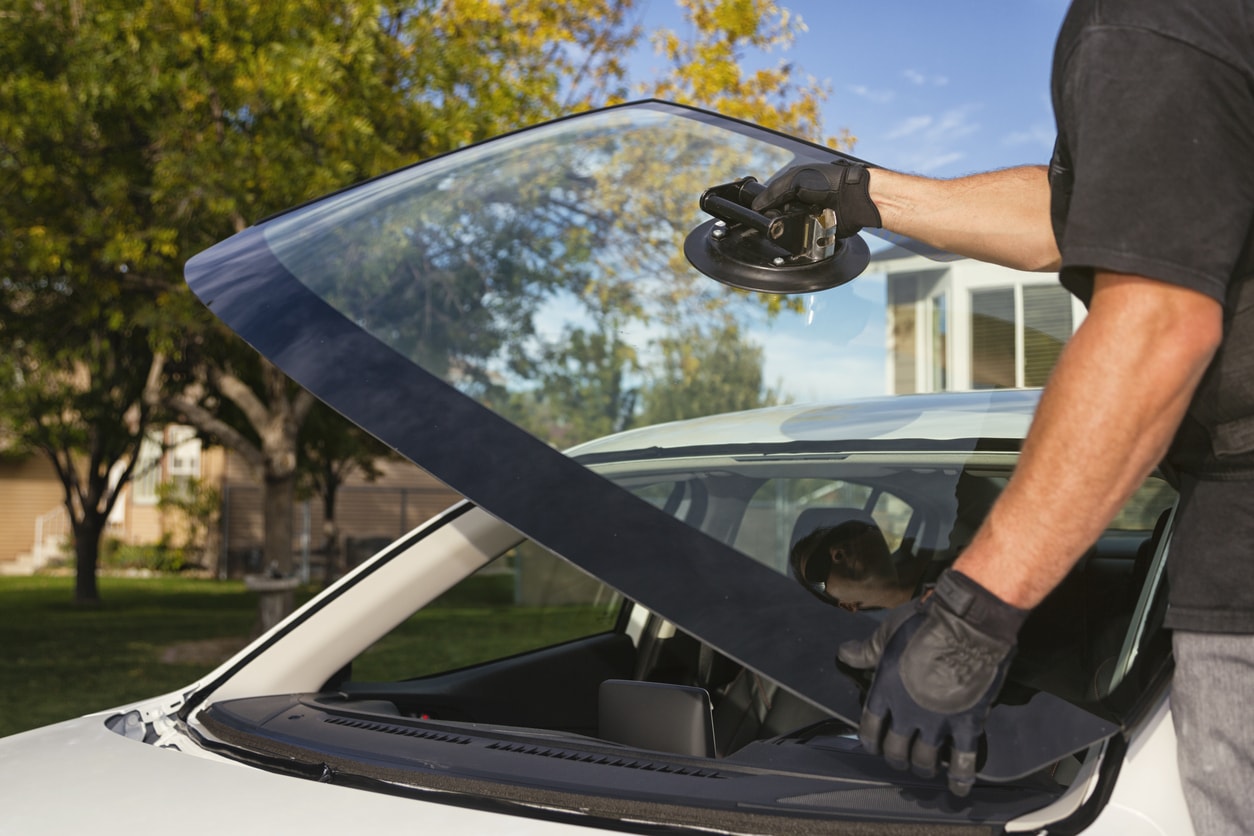
Even the best safety glass will not protect passengers if it is installed incorrectly. Auto glass repair and windshield replacement must be performed carefully to ensure proper vehicle safety.
Poor Installation Can Compromise Safety
The windshield is attached using specialized adhesives that keep the glass bonded to the frame. If the glass bonded improperly, the windshield may separate from the vehicle during a crash. This could reduce structural support for the roof.
Airbag Deployment Risks
Many airbags rely on the windshield during deployment. If the windshield is not properly installed, the airbag may push the glass outward instead of inflating toward passengers.
Calibration Issues With Driver Assistance Systems
Modern windshields often include cameras and sensors used by the vehicle’s safety systems. After windshield replacement, these systems may require recalibration to ensure the safety features function correctly.
Signs Your Auto Glass Needs Professional Attention
Drivers should monitor their vehicle’s glass for signs of damage. Early repair can prevent larger problems and maintain glass safety.
Chips Larger Than a Quarter
Small chips may be repairable, but larger chips often require windshield repair or full replacement.
Cracks Longer Than a Few Inches
Long cracks weaken structural integrity and can spread quickly due to temperature changes.
Damage in the Driver’s Line of Sight
Damage in the driver’s line of sight can reduce visibility and affect safe driving conditions.
Multiple Chips or Structural Damage
If the windshield has multiple chips or cracks, replacing the glass may be the safest solution.
How Professional Auto Glass Replacement Protects Your Safety
Professional auto glass repair ensures your vehicle maintains proper safety performance.
OEM Quality Materials
Using the right glass ensures the windshield and windows meet automotive safety standards.
Precision Installation Techniques
Experienced technicians follow procedures that ensure the glass bonded correctly to the vehicle frame.
Proper Adhesive Cure Times
Allowing adhesives to cure properly ensures the windshield remains secure during driving.
Safety System Calibration
Modern vehicles rely on sensors and cameras mounted to the windshield. After windshield replacement, calibration ensures these safety features operate properly.
Frequently Asked Questions About Auto Glass Safety
Is laminated glass stronger than tempered glass?
Laminated glass is designed to stay intact after breaking, while tempered glass is designed to shatter safely. Laminated glass provides better occupant retention, while tempered glass reduces injuries from sharp shards.
Why don’t all cars use laminated side windows?
Cost, design considerations, and emergency exit needs influence whether manufacturers choose laminated or tempered glass for side windows.
Can a cracked windshield still protect me in a crash?
A cracked windshield loses structural integrity and may not provide the same level of safety during a collision.
Is it safe to drive with a chipped windshield?
Minor chips may be repairable, but they can spread quickly. Professional inspection helps determine whether repair or replacement is necessary.
Does insurance cover windshield replacement?
Many insurance policies include coverage for auto glass repair or windshield replacement depending on the policy details.
Final Thoughts: The Safest Auto Glass Is Properly Installed Auto Glass
Understanding laminated and tempered glass helps drivers appreciate the role glass safety plays in vehicle safety. Laminated glass provides superior protection for windshields because it stays intact after impact. Tempered glass offers safer breakage patterns and is commonly used in side and rear windows.
The combination of laminated and tempered safety glass allows automakers to design vehicles that protect passengers while allowing emergency access when necessary.
If your vehicle’s glass is damaged, professional repair or windshield replacement is essential. Proper installation ensures the glass supports the vehicle’s structural integrity and works correctly with modern safety features. Addressing damage quickly helps protect you, your passengers, and your vehicle every time you drive.