
Why Is ADAS Calibration Necessary After Windshield Replacement?
Modern vehicles are built with advanced safety technology that depends on precision. Many drivers are surprised to learn that the windshield is not just a piece of auto glass protecting them from wind and debris. The windshield is also a mounting point for forward-facing cameras and sensors that support advanced driver assistance systems (ADAS). These technologies help monitor the vehicle’s surroundings and assist the driver with tasks that improve awareness and reduce accident risks.
When replacing a windshield, even small shifts in positioning can affect how these cameras and sensors read the road. That is why ADAS calibration and windshield calibration are often necessary after windshield replacement. These procedures help restore proper alignment so the vehicle’s safety systems can function correctly. Without calibration, important safety features may not work properly or may deliver inaccurate warnings.
This is why drivers often ask, why is ADAS calibration necessary after windshield replacement? The answer is simple: The windshield directly supports the cameras and sensors used by driver assistance systems ADAS. If the windshield is replaced and the cameras are no longer perfectly aligned, the vehicle’s safety systems may not respond the way the vehicle manufacturer designed them to.
At Relux Collision, we treat windshield replacement and windshield recalibration as part of the same safety repair. Our team performs precise auto glass repair and professional windshield calibration so the entire system works as intended. When done correctly, ADAS recalibration helps enhance vehicle safety and ensures the vehicle is safe for everyday driving.
What Is ADAS and How Does It Work?
ADAS technology refers to advanced driver assistance systems that support drivers by monitoring the road and the vehicle’s surroundings. These systems rely on cameras, sensors, and onboard computers that work together to interpret the environment around the vehicle. Many vehicles equipped with these technologies use forward-facing cameras mounted near the top of the windshield behind the rearview mirror.
Advanced driver assistance systems help detect hazards and respond faster than a human driver might react alone. For example, forward collision warning systems monitor traffic ahead and alert the driver if the vehicle approaches another car too quickly. Automatic emergency braking may apply the brakes if the system detects an imminent impact. Adaptive cruise control automatically adjusts speed to maintain a safe distance from vehicles ahead.
Other ADAS features include lane departure warnings, lane keeping assist, blind spot monitoring, pedestrian detection, and collision avoidance technology. These advanced safety features are designed to enhance driver awareness and support the driver in avoiding accidents.
Because ADAS systems rely on cameras and sensors mounted directly to the vehicle’s windshield, the camera’s position must remain precisely aligned. Even a slight shift during windshield replacement can impact the proper functioning of the system. This is why calibration and windshield calibration are required for many modern vehicles after auto glass repair.
Understanding Advanced Driver Assistance Systems
Driver assistance systems ADAS use a combination of cameras, sensors, and software algorithms to understand the vehicle’s surroundings. The cameras mounted behind the windshield capture real-time visual information. Sensors track movement and distance to nearby objects.
The system processes this data to detect lane markings, vehicles ahead, pedestrians, and other road hazards. This allows the vehicle to support safety features such as automatic emergency braking, forward collision warning, and lane keeping assist.
Because these ADAS components rely on precise visual input, the cameras must remain perfectly aligned. When replacing a windshield, the mounting point for the cameras changes slightly. Even a minor shift can cause the system to misinterpret road conditions. This is why ADAS recalibration and windshield recalibration are necessary after windshield replacement.
Common ADAS Features That Use Windshield Cameras
Many advanced safety features depend on cameras mounted to the vehicle’s windshield. Some of the most common ADAS features include lane departure warnings and lane keeping assist. These systems monitor road markings and help guide the vehicle back into the lane if it begins drifting.
Forward collision warning systems alert drivers when approaching another vehicle too quickly. Automatic emergency braking can activate the brakes automatically to reduce the severity of a crash or prevent one altogether. Adaptive cruise control works alongside cruise control to maintain a safe distance by automatically adjusting the vehicle’s speed.
Other ADAS technology includes blind spot monitoring, pedestrian detection, and collision avoidance systems that help identify potential hazards before they become accidents. All of these safety systems depend on accurate camera positioning and proper calibration to function reliably.
Why Many ADAS Cameras Are Mounted on the Windshield
The vehicle’s windshield offers an ideal position for forward-facing cameras. From this location, the cameras have a wide view of the road and can monitor lane markings, vehicles ahead, and other objects in the vehicle’s surroundings.
Because the cameras are attached directly to the windshield, replacing a windshield can affect their orientation. Aftermarket windshields or small changes in installation can shift the viewing angle slightly. This is why windshield calibration and ADAS recalibration are often necessary after windshield replacement to restore proper functioning.
Why Windshield Replacement Affects ADAS Systems
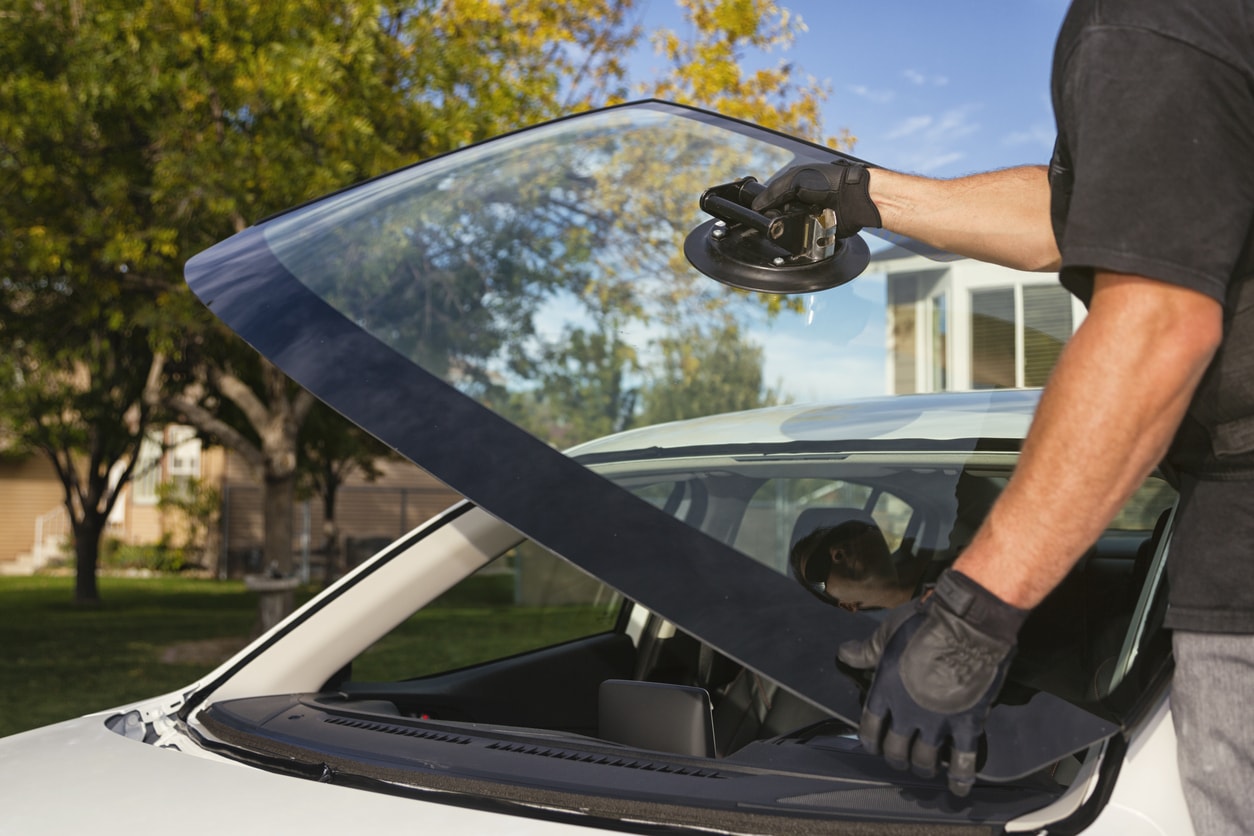
Many drivers assume windshield replacement only involves removing damaged auto glass and installing new glass. In reality, the windshield replacement process is more complex for vehicles equipped with ADAS technology.
The windshield acts as the mounting base for forward-facing cameras and sensors. When replacing a windshield, the bracket holding the cameras may shift slightly or the glass thickness may vary. Even minimal changes can affect how the cameras interpret lane markings and vehicle distance.
ADAS systems rely on extremely precise measurements. If the cameras are not perfectly aligned after the windshield is replaced, the system may provide inaccurate data to the vehicle’s computer. This is why ADAS calibration and windshield recalibration are necessary after windshield replacement to ensure the safety systems function correctly.
The Windshield Is Part of the Camera Alignment
The cameras used by advanced driver assistance systems are designed to work at exact angles and heights relative to the road. The vehicle manufacturer sets manufacturer specifications that determine how the cameras should be positioned on the vehicle’s windshield.
When replacing a windshield, even careful installation can slightly alter the camera’s position. Calibration ensures the cameras return to their original reference point so the system can interpret road conditions accurately.
Even Small Changes Can Impact Accuracy
ADAS cameras are highly sensitive. Small differences in how the windshield sits in the frame can influence how the cameras detect lane markings and obstacles. Even adhesive curing during the windshield replacement process can change the camera angle slightly.
If the cameras become overly sensitive or misaligned, safety systems may deliver inaccurate alerts. This is why proper calibration and windshield recalibration help restore system accuracy.
Why OEM Procedures Require Calibration
Different manufacturers provide detailed repair guidelines that require ADAS calibration after windshield replacement. These procedures ensure the cameras, sensors, and ADAS components are aligned according to manufacturer specifications.
Following these guidelines ensures the entire system works properly and supports the vehicle’s safety features as designed.
What Happens If ADAS Is Not Calibrated After Windshield Replacement?
Skipping ADAS calibration may not immediately affect how the vehicle drives, but it can affect the reliability of driver assistance systems. Without proper calibration, the system may misinterpret what the cameras see on the road.
This can affect multiple safety systems including lane departure warnings, lane keeping assist, forward collision warning, and automatic emergency braking.
Lane Assistance Systems May Misinterpret Road Markings
Features like lane departure warnings and lane keeping assist rely on cameras that track lane markings. If the cameras are misaligned after windshield replacement, the system may detect lanes incorrectly.
Collision Warning Systems May Trigger Too Late or Too Early
Forward collision warning systems rely on accurate camera input to detect vehicles ahead. If the cameras are not properly aligned, the system may trigger alerts too early or too late.
Driver Assistance Features May Shut Off
In some cases, the vehicle may detect that ADAS components are misaligned. This can trigger dashboard warnings, error messages, or warning lights that disable driver assistance systems until calibration is performed.
Potential Safety Risks for Drivers and Passengers
Without proper calibration, advanced safety features may not respond as expected. Ensuring ADAS recalibration after windshield replacement helps restore the vehicle’s safety systems and keeps the vehicle safe.
Types of ADAS Calibration After Windshield Replacement
ADAS calibration procedures vary depending on the vehicle manufacturer and system design. Most vehicles require either static calibration, dynamic calibration, or a combination of both.
Static Calibration
Static calibration is performed in a controlled environment using specialized equipment. Technicians position the vehicle precisely and use specific targets to align the cameras and sensors.
The process requires careful measurements and placement of specific targets at precise distances from the vehicle. Static calibration helps restore accurate positioning for the cameras and sensors.
Dynamic Calibration
Dynamic calibration requires driving the vehicle under specific conditions. During this process, the system gathers road data and recalibrates while the vehicle is in motion.
Dynamic calibration requires driving at certain speeds on roads with clearly visible lane markings. This process involves driving while the vehicle’s cameras gather information to reset alignment.
Vehicles That Require Both Methods
Some modern vehicles require both static calibration and dynamic calibration to complete ADAS recalibration. The exact process depends on the manufacturer and the design of the ADAS technology.
Signs Your Vehicle May Need ADAS Calibration
There are several situations where ADAS recalibration may be required.
Windshield Was Recently Replaced
If your windshield was recently replaced, the vehicle may require windshield calibration to ensure the cameras and sensors remain aligned.
ADAS Warning Lights Appeared
Dashboard warnings, warning lights, or error messages may indicate that the ADAS systems require calibration.
Driver Assistance Features Are Disabled
If safety features like lane assist, adaptive cruise control, or forward collision warning stop working, ADAS calibration may be required.
You Were Recently in a Collision
Collision repairs, sensor replacement, or wheel alignment adjustments may affect the positioning of ADAS components. In these cases, calibration ensures the safety systems function correctly.
How ADAS Calibration Is Performed by Professionals
Professional windshield calibration involves several steps to ensure accurate results.
Step 1 | Pre-Scan Diagnostics
Technicians begin with a diagnostic scan to check for dashboard warnings, error messages, and system faults.
Step 2 | Proper Glass Installation
Before calibration begins, the windshield replacement process must be completed properly. Replacing a windshield requires careful installation to ensure the cameras remain centered.
Step 3 | Camera And Sensor Calibration
Using specialized equipment and calibration tools, technicians align the cameras and sensors according to manufacturer guidelines.
Step 4 | Post-Scan Verification
After calibration, another diagnostic scan confirms the system works properly and that no warning lights remain.
Step 5 | Road Testing And System Validation
In some cases, dynamic calibration involves driving the vehicle to confirm that all ADAS systems function correctly.
Why Professional Calibration Matters
ADAS calibration requires precision and training. Certified technicians use specialized equipment and follow manufacturer procedures to ensure the cameras and sensors are properly aligned.
Professional windshield calibration ensures ADAS systems rely on accurate data from cameras and sensors. Without proper calibration, the vehicle’s safety systems may not respond correctly.
Vehicles Most Likely to Require ADAS Calibration
ADAS technology has become standard in many modern vehicles. Cars, trucks, SUVs, and even commercial vehicles often include advanced safety features supported by cameras and sensors.
Vehicles equipped with forward collision warning, adaptive cruise control, automatic emergency braking, blind spot monitoring, and lane departure warnings almost always require windshield calibration after windshield replacement.
How Long Does ADAS Calibration Take?
ADAS calibration time varies depending on the vehicle and system complexity. Static calibration may take about one hour in a controlled environment, while dynamic calibration requires additional driving time.
When performed correctly, the calibration process ensures the vehicle’s safety systems function as intended.
Does Insurance Cover ADAS Calibration?
Insurance coverage often includes ADAS calibration when it is necessary after windshield replacement. Many repair facilities work with insurance providers to verify coverage and help customers navigate insurance steering issues during the repair process.
Why Drivers Trust Relux Collision for ADAS Calibration
At Relux Collision, we understand the importance of precise ADAS recalibration. Our certified technicians use specialized equipment to perform professional windshield calibration and restore advanced safety features.
We provide complete auto glass repair, windshield replacement, and ADAS recalibration services designed to restore the vehicle’s safety systems. Our team focuses on accuracy, quality service, and proper calibration to ensure your vehicle is safe and ready for the road.
Frequently Asked Questions About ADAS Calibration
Is ADAS calibration required after every windshield replacement?
Many vehicles equipped with ADAS technology require calibration necessary after windshield replacement. Manufacturer guidelines determine when calibration is required.
Can I drive my car without ADAS calibration?
You may still drive the vehicle, but safety features such as forward collision warning, lane keeping assist, and adaptive cruise control may not work properly.
How do I know if my vehicle has ADAS?
If your vehicle includes advanced safety features like lane departure warnings, automatic emergency braking, blind spot monitoring, and cruise control with adaptive functions, it likely uses ADAS technology.
Is ADAS calibration included with windshield replacement?
Some repair facilities include windshield recalibration as part of the service while others offer separate ADAS recalibration services.
Can a windshield be replaced without recalibrating the camera?
Technically, replacing a windshield can be completed without recalibration, but doing so may prevent driver assistance systems from functioning correctly.
How much does ADAS calibration cost?
Costs vary depending on the vehicle and system complexity. Insurance coverage may help pay for calibration when it is required after windshield replacement.
Final Thoughts: Protecting Your Vehicle Safety Systems
ADAS technology continues to play a critical role in modern vehicle safety. These systems rely on cameras and sensors mounted to the vehicle’s windshield to monitor road conditions and help drivers avoid collisions.
When replacing a windshield, ADAS calibration and windshield recalibration restore the correct camera alignment so the entire system works properly.
If your windshield has been damaged or your vehicle needs ADAS recalibration services, the team at Relux Collision is here to help. Our experienced technicians perform professional windshield calibration and auto glass repair designed to protect your vehicle’s safety systems and enhance vehicle safety for every drive.
Contact Relux Collision today to schedule service and get a free estimate for windshield replacement and ADAS calibration.