
What Every Vehicle Owner Should Know
One of the most common concerns drivers have after discovering a dent is simple but important, will dent repair affect my paint job. Your car’s paint protects more than appearance. It protects the metal underneath, supports long term durability, and plays a major role in resale value. The answer is not one size fits all. Dent repair affects paint differently depending on the type of dent, the repair method used, and the expertise of the body shop performing the repair. Understanding how dent repair works helps you make a fully informed decision and avoid unnecessary repainting or future problems.
Why Paint Protection Matters More Than Ever
Modern vehicles rely on advanced coatings and precise application standards. Your car’s paint is engineered to flex with the metal, resist corrosion, and maintain a consistent finish for years. Preserving a car’s original paint job whenever possible is always preferred. Once paint is disturbed, additional coats may be required, which introduces risk of color mismatch or reduced durability. Even a perfect paint job relies on proper preparation and application. Protecting factory paint reduces long term cost and helps keep your vehicle closer to its original shape and condition.
Understanding Dent Repair Methods And How They Interact With Paint
Paintless Dent Repair PDR
Paintless dent repair is an effective method used to remove dents without altering the car’s paint. Paintless dent repair PDR works by carefully manipulating the metal from behind the panel using specialized tools. The goal is to restore the damaged panel to its original shape without sanding, filling, or repainting. This approach preserves the car’s original paint job and avoids applying additional coats. Paintless dent removal is commonly used for minor dents, door dings, hail damage, shallow dents, and small dents caused by parking lot accidents.
Paintless dent repair work depends heavily on paint condition. When the paint is intact and flexible, PDR works extremely well and results are often virtually invisible. Experienced technicians may also use a specialized heating tool to maintain paint flexibility during the pdr process. This controlled heat reduces the chance of cracking while the metal is carefully massaged back into place.
Traditional Dent Repair With Repainting
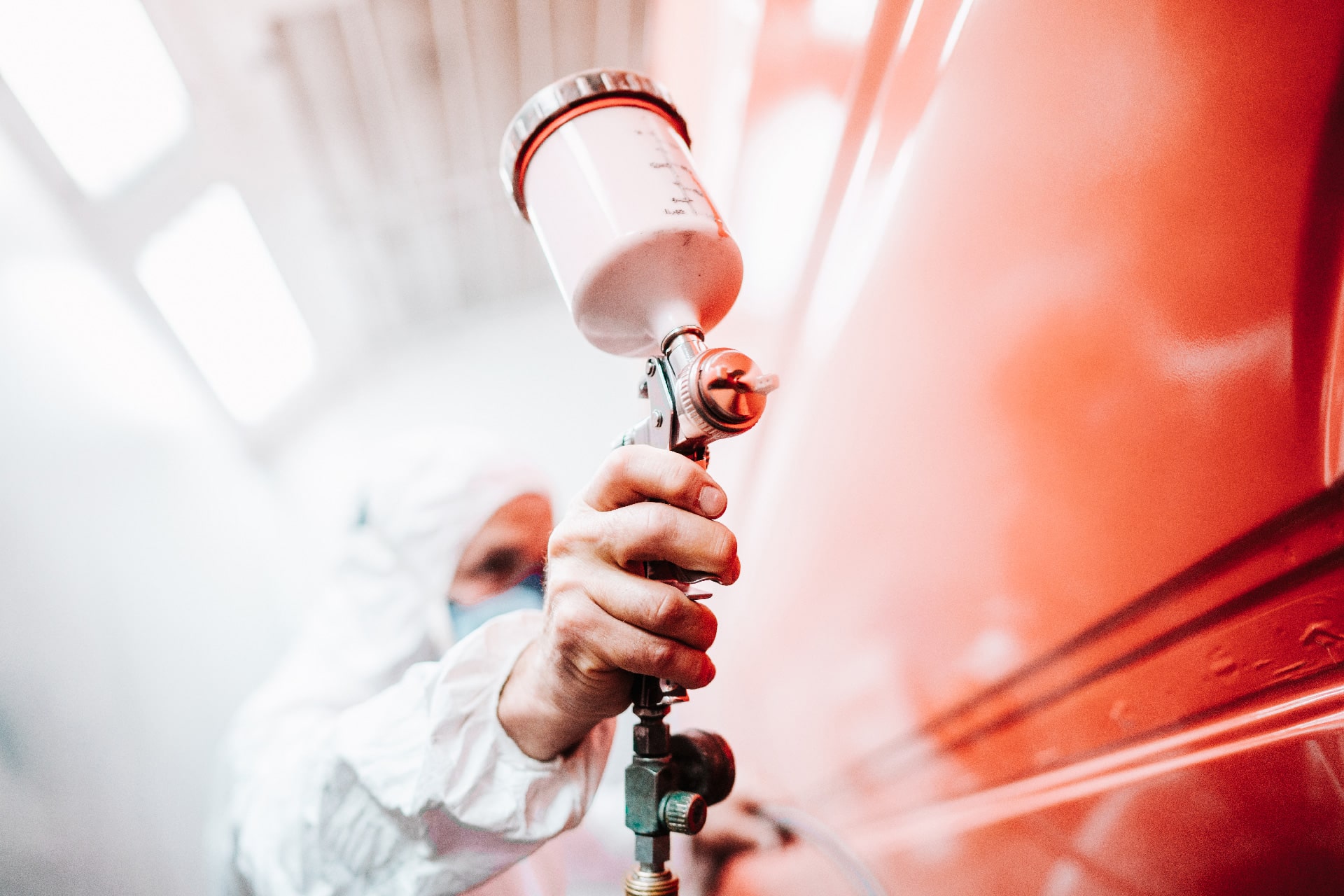
Traditional repair methods are used when paint damage is present or the dent is too severe. This repair process includes sanding, filling, reshaping the metal, priming, and repainting the panel. Repainting may involve one coat or apply additional coats depending on the damaged area. The goal is to achieve a perfect color match and blend the surrounding area so the repair is not noticeable.
Repainting is not inherently bad. When done correctly, repainting can restore a vehicle to a complete and durable finish. High quality refinishing often uses products like PPG paint, supplied by the largest finishing supplier in the automotive industry. Proper repainting requires expertise, step by step preparation, and attention to detail.
When Dent Repair Will Not Affect Your Paint
Dent repair will not affect paint when paintless dent repair is appropriate. This includes dents where the car’s paint is not cracked, chipped, or scratched. Shallow dents, small dents, and minor dents often qualify for PDR. Door dings on car doors, hail damage on roof panels, and dents from minor collisions are common examples.
When factory paint is intact, the metal can often be reshaped without stress to the coating. PDR works best when there is no structural damage to the vehicle’s structure and the panel has not been previously repainted. In these cases, dent repair affects nothing beyond restoring the panel to its original shape.
When Dent Repair Can Affect Paint And Why
Existing Paint Damage
If the dent area has chipped paint, scratches, or a crack in the clearcoat, dent repair affects paint more directly. Moving the metal beneath compromised paint can cause further splitting or peeling. In these situations, repainting is usually required to protect the metal and prevent corrosion.
Previously Repainted Panels
Aftermarket paint does not always behave like factory paint. Panels that have already undergone repainting may have additional coats or inconsistent thickness. This makes the paint less flexible and more likely to crack during PDR. A reputable body shop will identify this risk during inspection and recommend the right fix instead of forcing paintless dent repair.
Sharp Creases And Body Lines
Body lines add strength to panels but also increase tension. Larger dents or sharp creases along body lines place stress on both paint and metal. Even if paint looks intact, dent repair affects these areas differently. Traditional repair methods may be the safer choice to ensure long term durability.
Glue Pulling Risks
Some paintless dent repair work uses adhesive pulling when access behind the panel is limited. This technique can be effective but requires caution. Weak paint adhesion or previous repair work increases the risk of lifting paint during removal. Skilled technicians evaluate paint condition carefully before using glue pulling.
The Overlooked Factor What Happens Behind The Panel
Dent repair is not just cosmetic. Behind the panel, protective coatings guard against moisture and rust. During vehicle repair, these coatings may be disturbed. Quality repair work includes restoring protection to prevent corrosion. Ignoring this step can lead to bigger problems long after the dent is fixed. This is a detail that separates professional body shops from quick fixes.
How Professional Shops Decide The Right Repair Method
Choosing the correct repair method starts with inspection. Technicians examine dent depth, size, metal stretch, paint condition, and access points. They consider the car’s manufacturing information combined with panel material and design. Aluminum panels require different techniques than steel. The pdr process is only recommended when it meets strict criteria.
Forcing paintless dent repair to save cost can create future issues. The right repair protects both the paint job and the vehicle’s structure. Professional shops explain options clearly so customers are fully informed.
Does Insurance Dent Repair Affect Paint
Insurance does not change how repairs should be performed. Whether insurance is involved or not, the goal is proper vehicle repair. Insurance may approve paintless dent repair for hail damage or minor dents because it preserves original paint and reduces cost. However, repainting is approved when necessary. The method chosen should always be based on damage, not convenience.
Will Dent Repair Affect My Vehicle Value
Preserving original paint plays a significant role in maintaining vehicle value. A car with factory paint or a well documented original paint job typically retains higher resale value. Dent repair affects value positively when it restores appearance without unnecessary repainting. Poor repairs, visible sanding marks, or mismatched paint can reduce value. The right repair keeps the car looking original and well maintained.
How To Protect Your Paint When Getting Dent Repair
Always choose a body shop that performs a detailed inspection. Ask whether paintless dent repair is an option and why. Be honest about previous repair work. Look for experienced technicians, certifications, and a warranty. Avoid mobile bumper repair service or quick fixes that do not assess the full damage. Proper repair work prevents a big inconvenience later.
Why Relux Collision Takes A Paint First Approach
At Relux Collision, our approach is simple. Protect the car, protect the paint, and choose the right fix every time. Our technicians evaluate dents carefully and recommend paintless dent repair when it is the effective method. When repainting is needed, we follow a precise paint repair process using premium materials like PPG paint to ensure durability and a perfect color match. We never rush repairs or cut corners. Our goal is worry free results that last.
Frequently Asked Questions
Can Paintless Dent Repair Damage Factory Paint
When paint is intact and the dent qualifies, paintless dent repair does not damage factory paint. It preserves it.
Is Paintless Dent Repair Safe On Aluminum Panels
Yes, when performed by experienced technicians using specialized tools and proper technique.
What If My Car Was Repainted Before
Previously repainted panels carry higher risk during PDR. Inspection determines the safest repair.
Does Hail Damage Repair Affect Paint
Most hail damage can be repaired using paintless dent repair, preserving original paint.
How Can I Tell If My Dent Needs Repainting
If paint is chipped, cracked, or scratched, repainting is often required.
Will Clearcoat Crack During Dent Repair
Clearcoat cracking is rare when paint condition is good and proper methods are used.
Is Repainting Always Noticeable
Not when done correctly. Professional repainting can be virtually invisible.
Does Dent Repair Affect Warranties
Proper repairs do not void warranties and often support long term vehicle integrity.
Final Takeaway The Right Dent Repair Protects Your Paint Not Risks It
So, will dent repair affect my paint job. The answer depends on the dent, the paint, and the repair method. Paintless dent repair preserves original paint when conditions are right. Traditional repair methods restore protection when paint damage exists. The common misconception is that all dent repair leads to repainting. In reality, the right body shop focuses on protecting your car’s paint, structure, and value. If your car has dents from door dings, hail damage, bumper damage, or minor collisions, the best next step is a professional inspection. Choosing the right repair ensures your car looks right, lasts longer, and stays closer to its original condition.