
Seeing a scratch on your car can instantly grab your attention, whether it happened in a parking lot, from road debris, or during everyday driving. Knowing what to do if car paint is scratched can save you time, money, and frustration. Some car scratches are minor and easy to fix, while others can lead to further damage if they are ignored. This complete guide explains how to identify paint scratches, decide the right fix, and protect your vehicle long term, all while helping you understand when professional repair is the smarter choice.
First Things First: Don’t Panic and Don’t Ignore It
Car paint scratches are extremely common. Most drivers will deal with a scratch at some point, even when they take great care of their vehicle. The key is acting calmly and intentionally. Ignoring a scratch can allow dirt, debris, moisture, and UV rays to attack the damaged area. Over time, that exposure can turn a small issue into severe damage. Even little scratches can grow if water reaches the primer or metal underneath. Taking action early helps protect your car paint and keeps repair costs under control.
Understand the Type of Scratch You’re Dealing With
Modern Car Paint Has Three Layers
Every modern vehicle uses three layers of paint. The top layer is the clear coat, which provides shine and protection. Under that is the base coat or color coat, which gives the car its paint color. Beneath that is the primer, which bonds the paint to the metal or plastic surface. Deep scratches may reach the bare metal or plastic bumper, while minor scratches may only affect the clear coat scratch layer. Knowing which layer is damaged makes a big difference in how you fix it.
How to Tell How Deep the Scratch Is
Start by looking closely at the affected area in good lighting. If the scratch disappears when the surface is wet, it is often a clear coat scratch. If you see the paint color missing or a dull gray area, the base coat or primer may be exposed. If you see shiny metal or rust starting, that is bare metal and needs immediate attention. Running your fingernail gently across the scratch helps too. If your nail does not stick, the scratch is usually shallow. Jagged edges, rough texture, or visible metal indicate deep scratches that should not wait.
What to Do Immediately After You Notice a Scratch
Clean the Area Properly
Before any scratch repair, wash the damaged area thoroughly. Use clean water, car wash soap, and a soft cloth or microfiber cloth. This removes dirt, dust, and debris that can interfere with the repair. Never rub a dirty surface, since rubbing grit into paint scratches can cause further damage. Rinse well and dry completely.
Dry and Inspect the Surface
After washing, wipe the area dry with a microfiber cloth. Inspect the surface from different angles and lighting. This helps you see the true depth of the scratch and the condition of the surrounding existing paint. Accurate inspection helps you choose the right tools and avoid unnecessary sanding or polishing.
What to Do If the Scratch Is Only in the Clear Coat
Can You Fix It Yourself?
Clear coat scratches are the most common and the easiest to remove scratches from. These scratches usually respond well to polishing and rubbing compound. Many auto parts stores sell scratch repair products designed specifically for clear coat damage. With the right tools, a polishing pad, and patience, you can often make the scratch disappear or become far less noticeable.
Step-by-Step Clear Coat Scratch Repair
- Mask tape around the affected area to protect good paint.
- Apply a small amount of rubbing compound to a polishing pad or soft cloth.
- Using circular motions, rub the compound into the scratch with light pressure. This process levels the clear coat surface.
- Use elbow grease, but avoid aggressive pressure.
- Wipe clean and inspect.
- Follow with car polish to restore shine, then apply wax to protect the coat.
Common DIY Mistakes to Avoid
- Over polishing can thin the clear coat and damage the surface.
- Using dirty cloths or skipping washing steps can scratch the paint further.
- Wet sand techniques should only be used carefully and sparingly, since sanding removes material.
- Always start with the least aggressive fix.
What to Do If the Scratch Goes Through the Paint
Why Deeper Scratches Are More Than Cosmetic
When paint scratches go through the clear coat and into the base coat, your vehicle loses its protective barrier. Water, dirt, and debris can reach the primer and metal. This can cause peeling, bubbling, and corrosion. Deep scratches also make the car look poorly maintained, which affects value.
Temporary Protection Options
Touch up paint is often used as a short term solution. You can find paint matched products at auto parts stores using your vehicle’s paint code. Apply touch up paint carefully to fill the damaged area and cover exposed layers. Some drivers also use clear nail polish to seal tiny scratches as a temporary fix. While not perfect, sealing the scratch helps protect against further damage.
When DIY Touch Up Falls Short
Touch up paint rarely blends perfectly without experience. Differences in paint color, texture, and gloss are common. If the scratch is large, on a highly visible panel, or includes jagged edges, professional repair produces better results.
What to Do If the Scratch Exposes Primer or Bare Metal
Why This Is Time Sensitive
Primer and bare metal exposure should be treated quickly. Metal underneath paint can begin to rust once moisture reaches it. Rust spreads under surrounding paint and can affect the entire panel. Plastic panels and bumpers do not rust, but exposed primer can still lead to peeling and poor adhesion.
Why Professional Repair Is Strongly Recommended
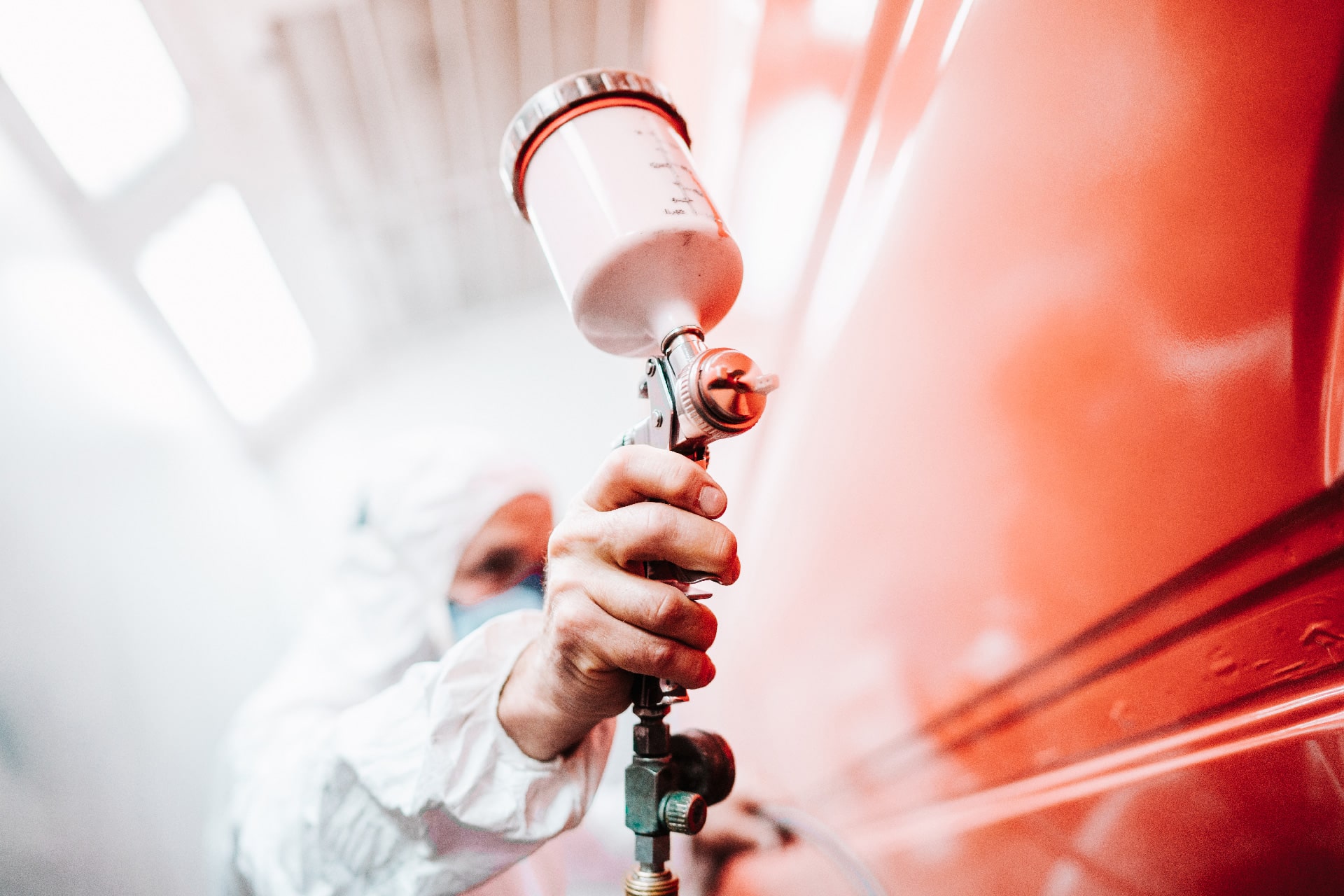
A body shop or auto body shop has the right tools, paint systems, and experience to repair deep scratches correctly. Professional scratch repair includes sanding, sealing, refinishing, and blending the repair into the existing paint. This process protects the surface and restores appearance. In worst case scenarios, the entire panel may need repainting to ensure durability.
Should You Repair Scratched Car Paint Before Selling or Returning a Lease?
Impact on Resale Value
Car paint scratches make a vehicle look neglected, even when mechanical condition is excellent. Buyers often assume paint damage means other issues. Repairing scratches before selling can increase perceived value and help you get more money.
Lease Turn In Penalties
Lease inspections often flag paint scratches, especially deep scratches or damage on a plastic bumper. Repairing the damage ahead of time at a trusted body shop often costs less than lease penalties.
How Much Does It Cost to Fix Scratched Car Paint?
Factors That Affect Cost
Repair cost depends on scratch depth, size of the damaged area, and location. A clear coat scratch correction costs far less than repairing deep scratches that expose metal. Paint type, vehicle size, and whether the repair affects the entire panel or entire car also influence price.
Why Cheapest Isn’t Always Best
Low cost fixes may hide the scratch temporarily but fail under UV rays and weather. Peeling, fading, and mismatched paint color lead to rework and wasted money. A proper repair protects the surface long term.
How a Professional Body Shop Fixes Paint Scratches the Right Way
Inspection and Damage Assessment
A professional begins by inspecting the scratch and surrounding surface. This determines whether the damage is cosmetic or structural and whether it affects metal, plastic, or primer.
Surface Preparation
Preparation includes sanding the damaged area to smooth edges and remove loose paint. Proper sanding ensures new paint sticks correctly. Masking tape is used to cover nearby areas and protect good paint.
Paint Matching and Refinishing
Professionals match paint color precisely and apply base coat, color coat, and clear coat in controlled conditions. This ensures consistent texture and gloss across the surface.
Quality Control and Final Finish
The final steps include polishing, waxing, and inspection. The goal is a smooth surface where the repair blends seamlessly with the rest of the vehicle.
How to Prevent Car Paint Scratches in the Future
Everyday Habits That Protect Your Paint
Wash your car regularly to remove dirt and debris that can scratch the surface. Use a soft cloth or microfiber cloth and avoid automatic washes with harsh brushes. Be mindful of tight parking lot spaces and keep distance from other vehicles.
Protective Options
Wax adds a protective layer that helps minor scratches and paint transfer wash away more easily. Paint protection film and ceramic coatings offer stronger protection for high impact areas like bumpers and hoods.
Frequently Asked Questions About Scratched Car Paint
Can scratches be buffed out?
Minor scratches and clear coat scratches can often be buffed out using rubbing compound and polish. Deep scratches usually cannot.
Will a scratch cause rust?
If the scratch exposes metal, rust can form if you wait too long to repair it.
Is touch up paint worth it?
Touch up paint is useful for sealing small damaged areas and preventing further damage, but it may not match perfectly.
How long can I wait before fixing a scratch?
Clear coat damage can wait longer, but deep scratches that reach primer or metal should be fixed quickly.
Should insurance cover paint scratches?
Coverage depends on your policy and how the damage occurred. A professional estimate helps determine the best path forward.
When in Doubt, Get a Professional Opinion
Every scratch is different, and choosing the wrong fix can cause more harm than good. If you are unsure about the depth of the scratch, the condition of the metal underneath, or the best repair method, a professional evaluation is the safest option. A skilled auto body shop can assess the damage, explain your options, and help protect your vehicle from further damage. Taking the right steps early keeps your car looking good and preserves its value for years to come.