

When Can a Bumper Not Be Repaired? A Guide for Vehicle Owners
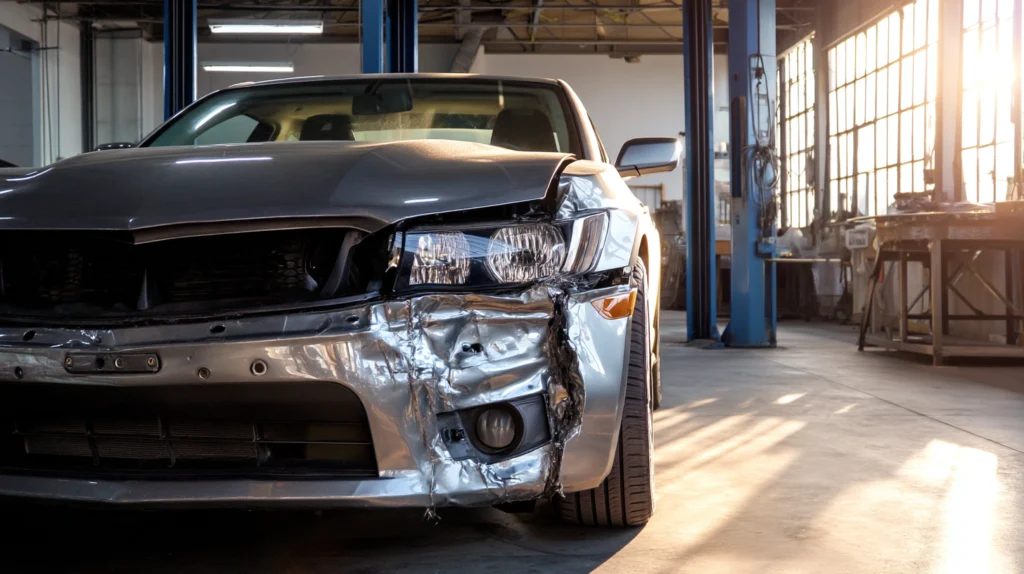
This guide explains exactly when bumper repair is no longer the right option, what types of bumper damage typically require bumper replacement, and why working with a certified collision center matters.
What to Look for After Collision Repair: A Complete Post-Repair Checklist for Vehicle Owners
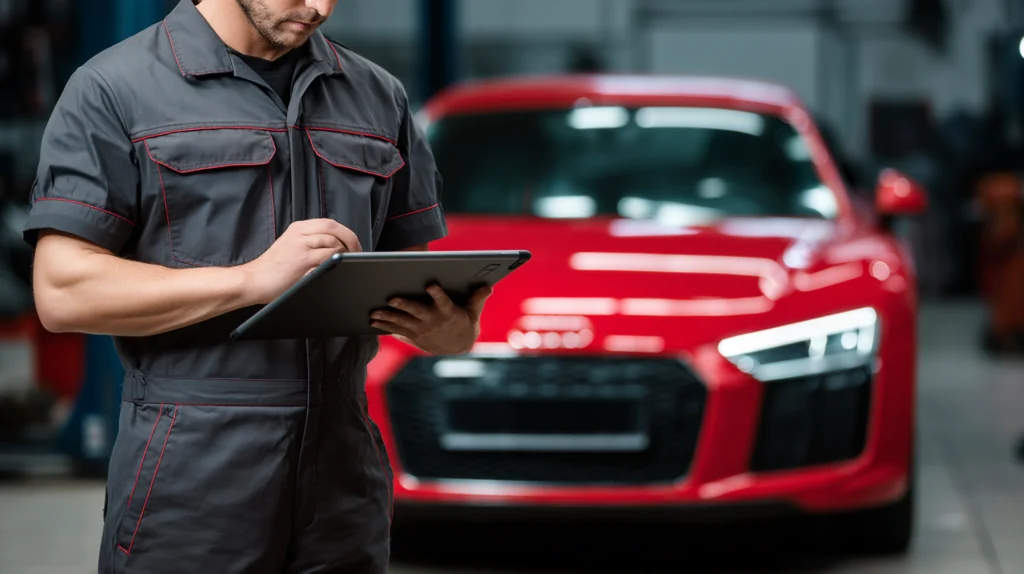
A car repaired without proper verification can compromise safety, resale value, and long-term reliability. This guide walks vehicle owners through every step of what to check after auto collision repair so you can drive away with confidence.
What to Do If Car Paint Is Scratched (Step-by-Step Guide)
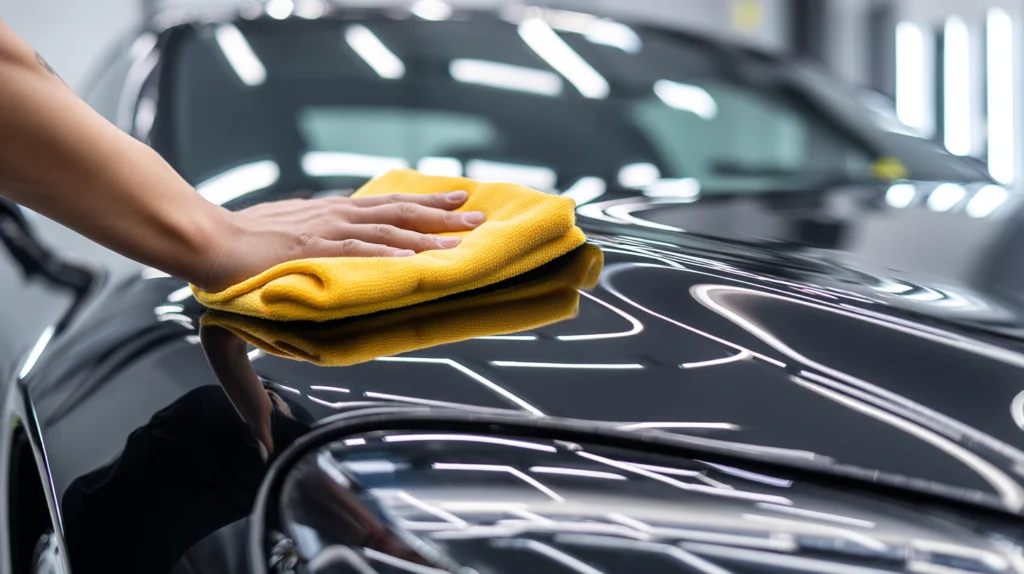
This complete guide explains how to identify paint scratches, decide the right fix, and protect your vehicle long term, all while helping you understand when professional repair is the smarter choice.
What Is the Typical Accident Repair Process? A Step-by-Step Guide for Vehicle Owners
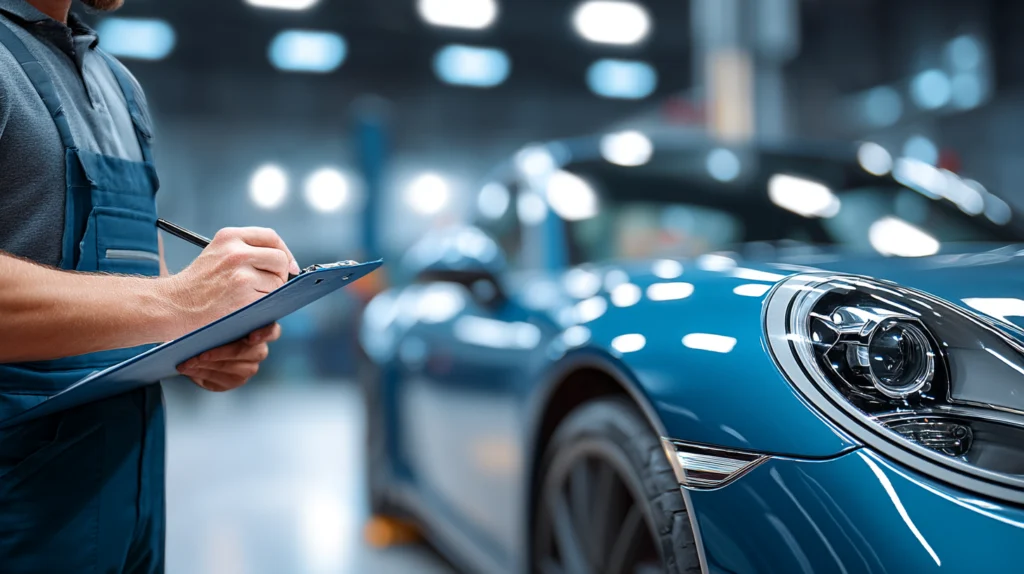
This guide explains the typical process from start to finish so you know what to expect at a professional auto body shop.
What Is Required to Paint a Car?
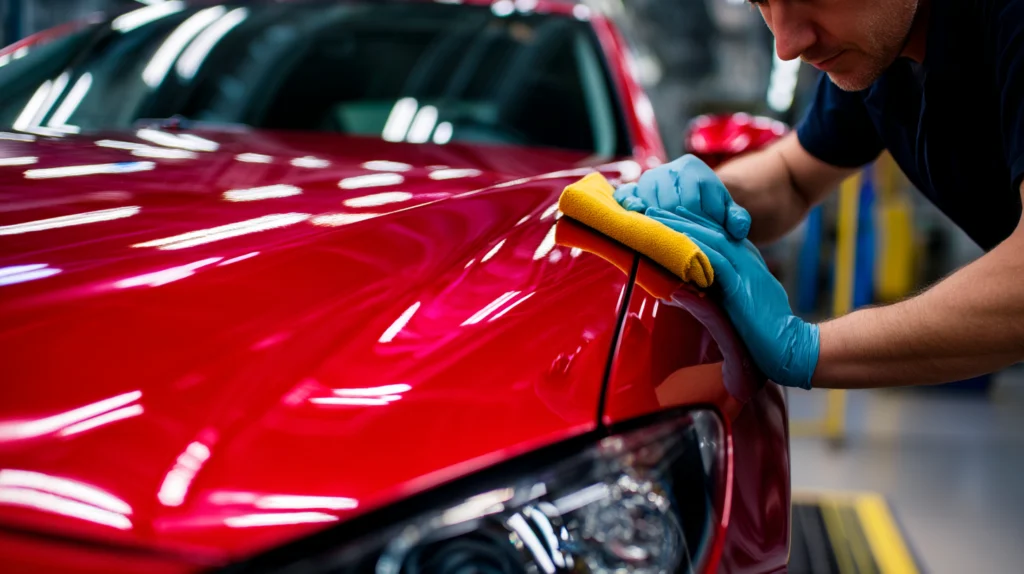
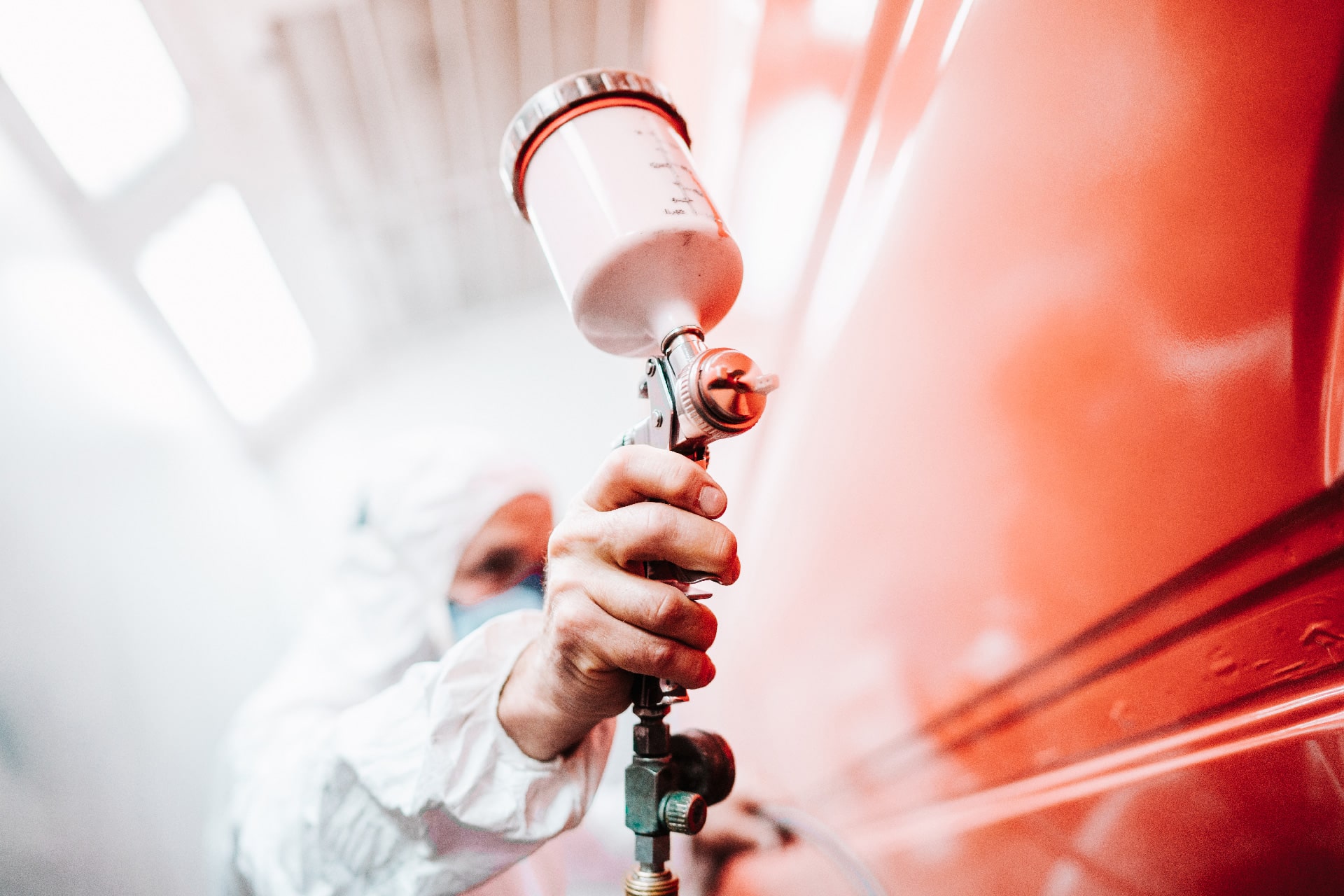
Modern automotive paint systems use primer, basecoat, and clear coat layers matched to a specific color code. Many bumpers also hide sensors, so the car paint must be applied in controlled thickness. Even a single panel requires careful prep, spraying technique, and proper tools to avoid issues like orange peel or uneven color. Whether you use lacquer paint or modern waterborne systems, the right approach is key to a fresh paint job.
What Is a Diagnostic Scan on a Car?
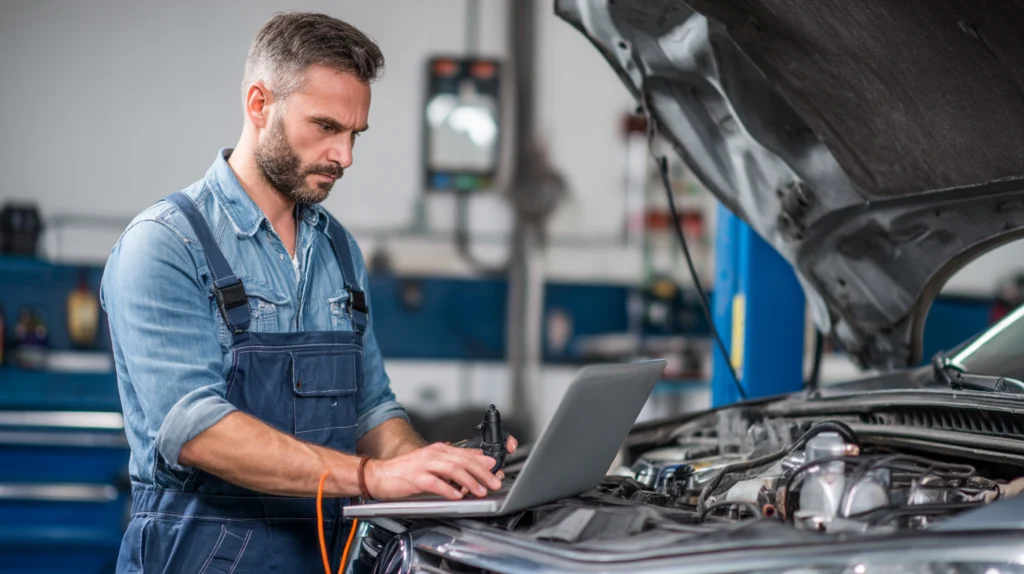
A diagnostic scan, or diagnostic test, connects a scan tool to the OBD II port or diagnostic link connector.
What Does Collision Repair Include?
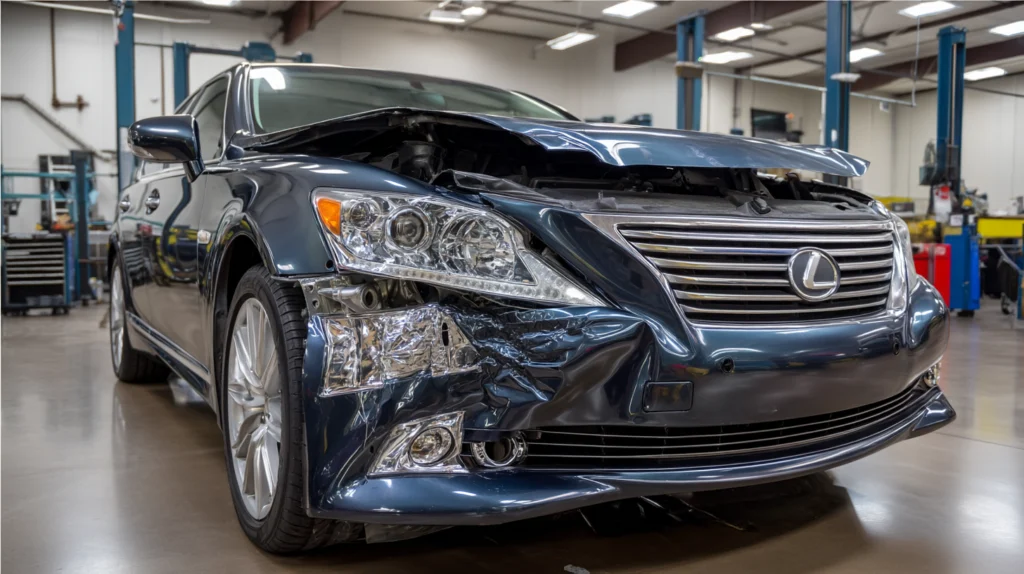
Our goal is to guide every vehicle owner through this essential process with clarity and confidence.
How to Properly Maintain Car Paint
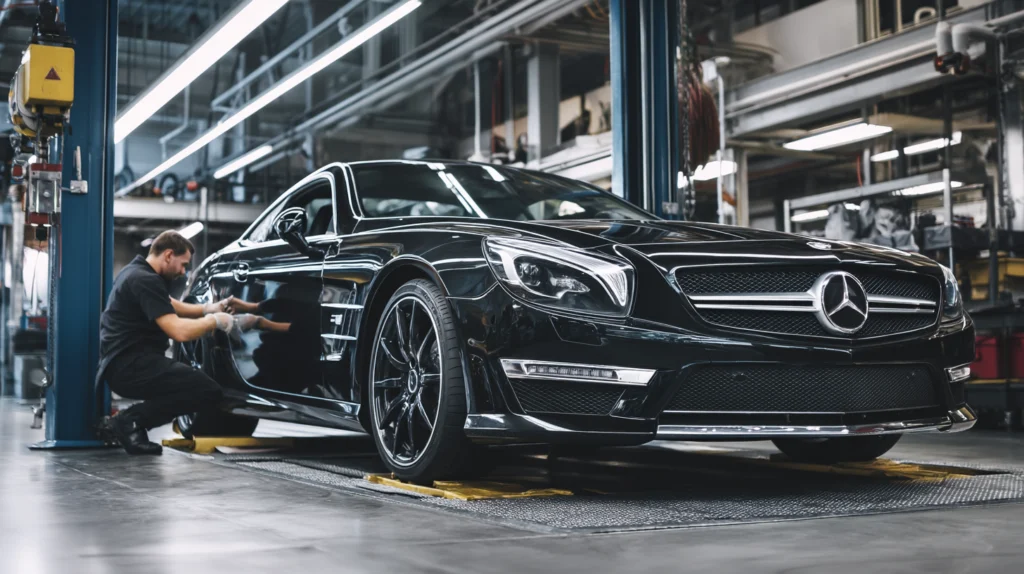
For car owners in real world driving and weather, the goal is simple, protect your car’s paint from environmental hazards like UV rays, dust, grime, oil, bird droppings, tree sap, and other contaminants without turning maintenance into hard work.
What Does Bodywork Mean on a Car?
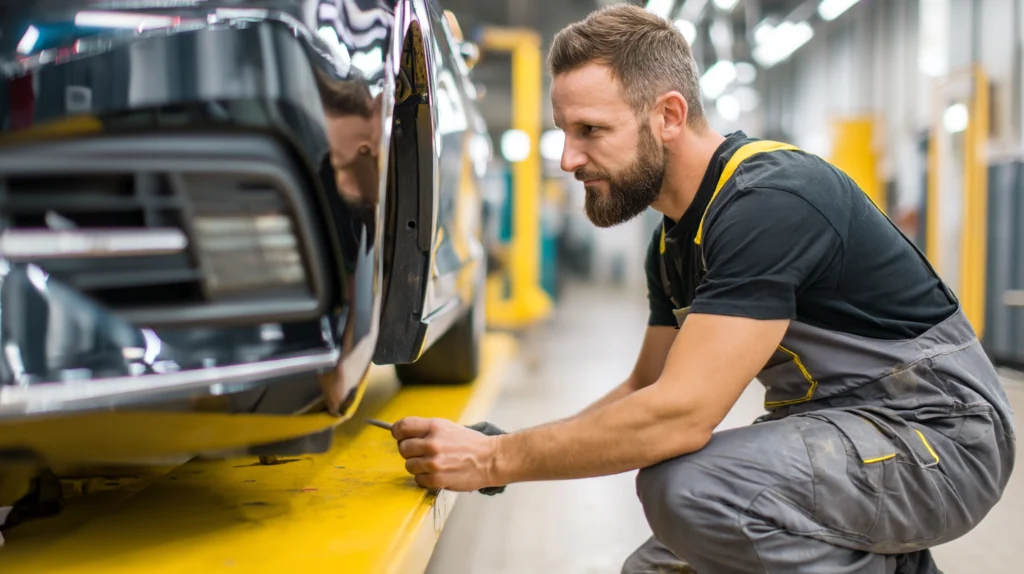
When people ask what does bodywork mean on a car, the answer is straightforward. Bodywork refers to the repairs done to the vehicle’s body, the panels, the frame, and other structural components that make up the vehicle’s exterior. Auto body work includes restoration after a collision, dent repair, paint restoration, and structural repairs that keep the body aligned and strong. Bodywork repairs help return the automobile as close as possible to its original shape while preserving the aesthetic appeal and overall quality.
How Much Does It Cost to Repair Bodywork on a Car in 2025? A Complete Breakdown
If you want a rough idea of typical vehicle repairs, most auto body repairs fall between $500 and $6,000 plus. That range reflects a wide range of damage types, from cosmetic damage like light scratches and small dents to extensive damage involving a car’s frame, bumper damage, or structural damage that requires specialized equipment. Collision repair costs can climb higher when sensors, wiring, and calibration steps are required.
What is an Auto Body Shop? A Complete Guide for Drivers
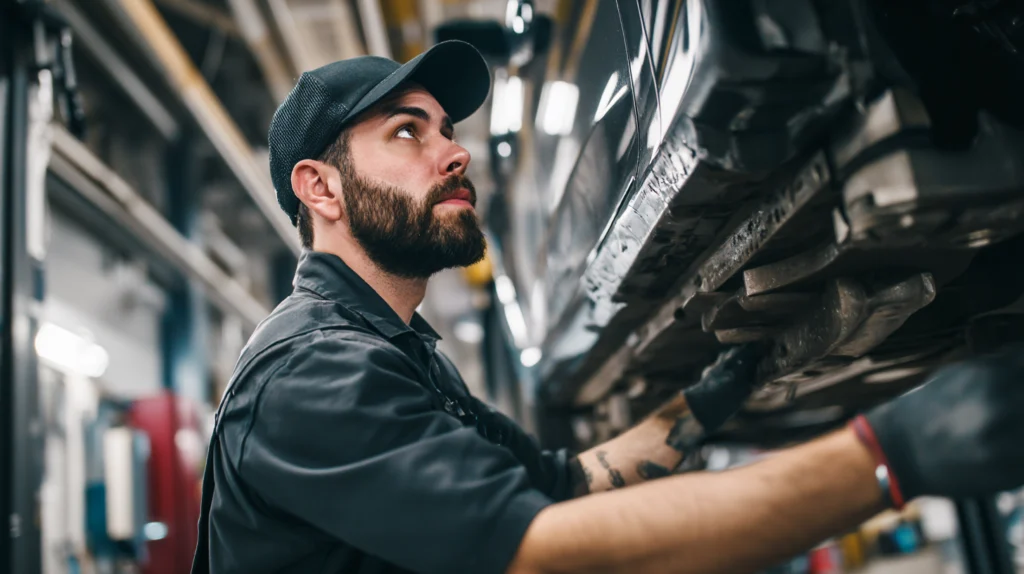
A normal auto repair shop focuses on repairs for the internal systems that keep a car running. An auto mechanic shop handles engine repairs, mechanical repair work, transmission issues, electrical systems, brake pads, oil changes, steering problems, routine maintenance, and many services that are involved mechanically. Mechanics work on the mechanical parts that allow a vehicle to operate during normal driving conditions. When something
How Much Do Body Shops Usually Charge?
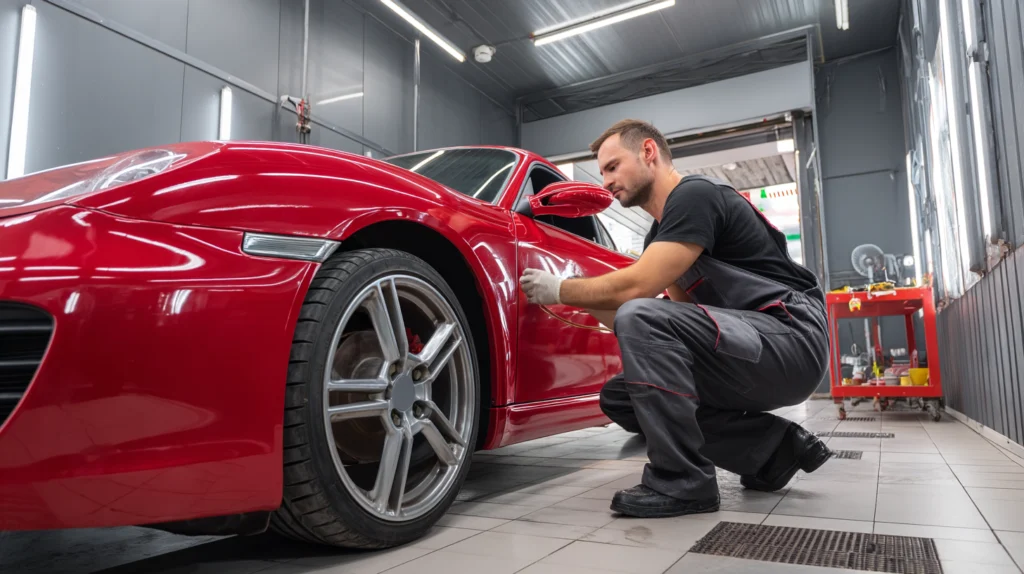
This guide covers auto body repair costs in detail, explains collision repair costs, and shows what affects pricing in an auto body repair shop so you can make smart, confident decisions without sacrificing quality.