

Collision repair involves more than fixing dents and scratches. Professional shops inspect for hidden damage, restore structural strength, carefully match paint, recalibrate safety systems, and perform final quality checks before delivery. Understanding each repair stage helps reduce stress and gives drivers confidence that their vehicle is safe, reliable, and road-ready again.
Key Takeaways
- Hidden damage often appears after vehicle disassembly.
- Paint matching and sensor calibration affect long-term safety.
- A transparent repair process helps reduce customer anxiety.
A car accident can shake people up more than they expect. Even a small impact creates stress fast. One minute the vehicle looks fine; the next, there are dents, warning lights, insurance calls, and questions nobody feels ready to answer. Many drivers worry about the same thing during collision repair. How long will it take, and will the car ever feel the same again?
The truth is, the collision repair process becomes much less stressful once drivers understand what happens behind the scenes. Most damage goes far beyond what the eye catches at first glance. A cracked bumper might hide bent brackets. A door that still opens could still have structural movement underneath. That is why professional vehicle restoration follows a step-by-step process rather than rushing straight into repairs.
The Initial Estimate
The first stage starts with a detailed inspection. Technicians document visible damage, take photos, and prepare information for insurance companies. This part matters more than many people think. If details get missed early, the repair timeline can stretch later.
During the estimate, shops often look for:
- Cracked panels
- Paint damage
- Suspension concerns
- Sensor issues
- Frame movement
- Glass damage
Sometimes the vehicle appears repairable from the outside, yet internal components tell a different story. That uncertainty makes many drivers nervous, perhaps because modern cars hide so much beneath plastic covers and panels.
A careful estimate creates a roadmap. Without it, repairs quickly become chaotic.
Vehicle Disassembly
Here is where things get real.
After approval, technicians begin removing damaged parts to inspect hidden areas underneath. This stage often reveals unseen damage from the accident. Bent supports, broken clips, crushed mounting points, and damaged wiring appear once panels come off.
People sometimes feel frustrated when the repair plan changes after a teardown. It can feel unexpected. Still, this step protects the vehicle owner in the long run.
A proper disassembly allows technicians to:
| Inspection Area | What Technicians Check |
| Structural components | Hidden bends or cracks |
| Wiring systems | Loose or damaged connections |
| Safety systems | Airbag and sensor conditions |
| Mechanical parts | Suspension or alignment concerns |
| Mounting points | Stability and fitment accuracy |
Skipping this stage creates shortcuts. Shortcuts often lead to rattles, alignment problems, or uneven body gaps later.
Structural and Body Repairs
Once hidden damage becomes clear, structural repairs begin. This phase restores the vehicle’s strength and shape. Skilled technicians use specialized measuring systems and frame equipment to bring damaged areas back within factory specifications.
That phrase matters because modern vehicles depend heavily on structural accuracy. A small shift in frame geometry can affect handling, airbag timing, and sensor performance.
Some repairs involve:
- Frame straightening
- Panel replacement
- Welding procedures
- Dent correction
- Reinforcement repairs
This is also where panel alignment becomes important. Uneven gaps around doors, hoods, or trunks usually signal poor repair work. Drivers notice those flaws immediately, even if they cannot explain why the car feels “off.”
In many cases, technicians also inspect the crumple zones during this stage. These engineered sections absorb impact energy during future accidents. If they are repaired incorrectly, the vehicle may not respond properly during another collision.
The Paint Lab
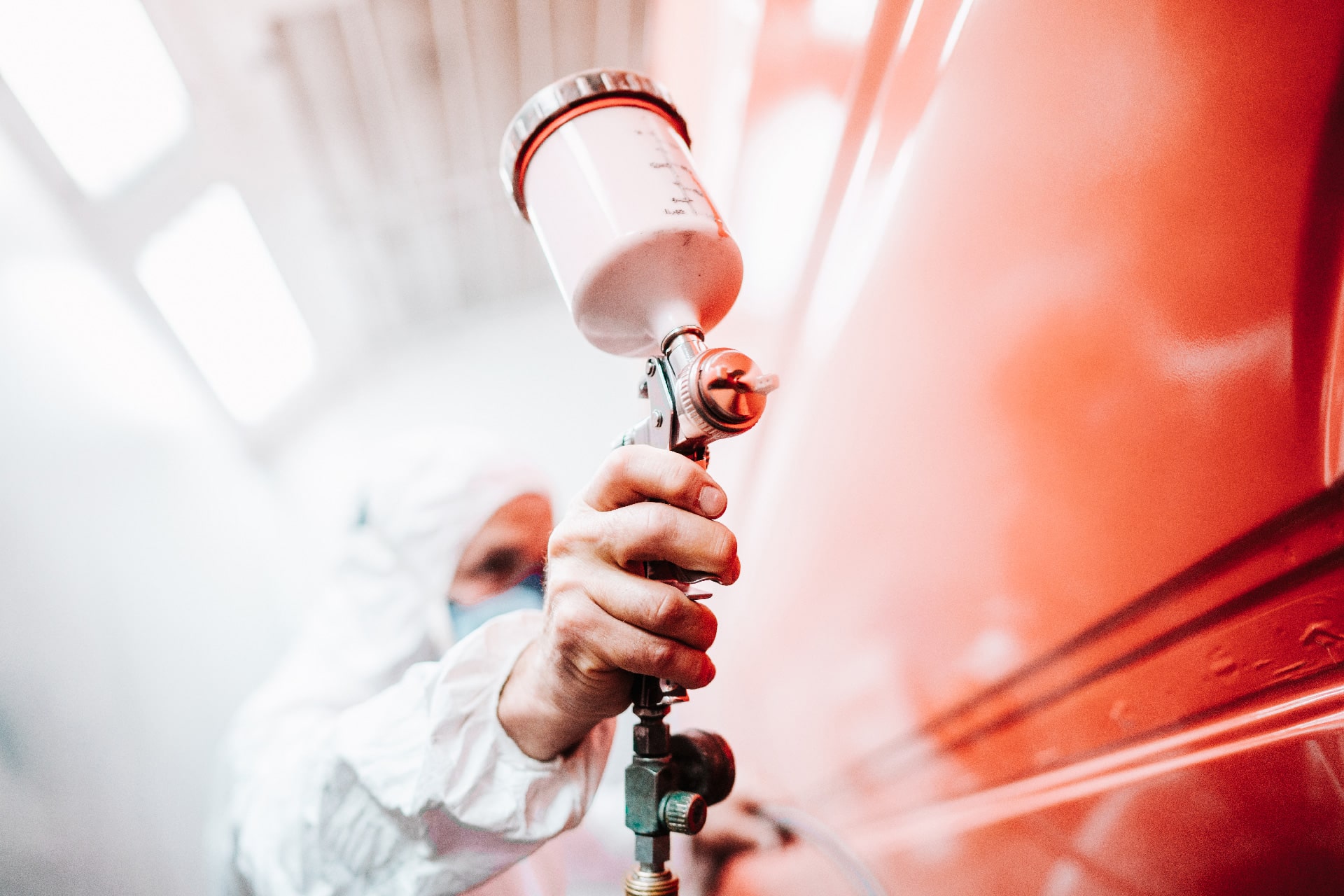
Paintwork involves far more than spraying color onto a panel. Matching modern factory paint takes patience, testing, and a trained eye. Lighting conditions alone can completely change how a color appears.
Even identical paint codes can vary slightly because of fading, sun exposure, or age. That is why shops use spectrophotometer systems to scan the vehicle’s finish before mixing paint formulas.
The refinishing process usually includes:
- Surface preparation
- Primer application
- Color matching
- Blending adjacent panels
- Clear coat application
- Controlled curing
Blending matters because fresh paint beside older paint often looks uneven without transition work. A rushed paint job becomes obvious under sunlight. Drivers usually notice mismatched tones near doors and fenders first.
This stage also affects long-term durability. Poor preparation can lead to peeling, bubbling, or fading months later. Nobody wants that surprise after repairs already felt stressful enough.
Reassembly and Calibration
After the paint has fully cured, technicians begin carefully reassembling the vehicle. Trim pieces, lights, moldings, sensors, and mechanical parts return to their original positions.
This phase requires patience. Modern vehicles now contain advanced electronics almost everywhere. Parking sensors, blind-spot monitors, lane-assist systems, and forward-collision warnings all depend on proper calibration.
Many people do not realize that a bumper replacement can affect camera positioning or radar alignment. Even slight placement changes may trigger warning lights or inaccurate readings.
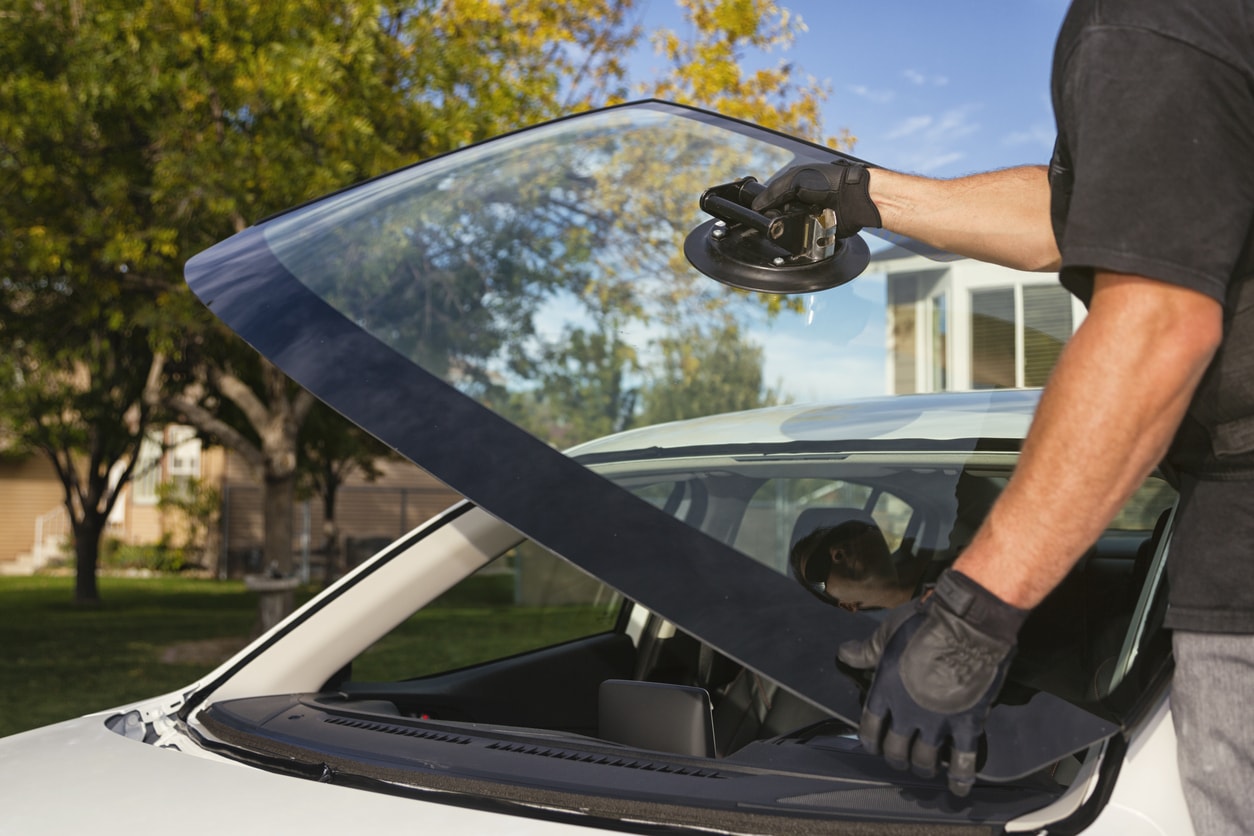
Shops often perform ADAS calibration procedures after repairs involving:
- Windshields
- Bumpers
- Suspension components
- Steering systems
- Cameras or radar sensors
This step helps restore vehicle safety systems to proper operating condition.
Final Detail and Quality Control
Before delivery, the vehicle goes through final inspections and detailing. Technicians check paint finish, panel fitment, warning lights, alignment, and road performance.
Some shops also perform post-repair diagnostic scanning to confirm no hidden electronic faults remain active. That final review can reveal issues drivers would never notice immediately.
Quality control usually includes:
- Road testing
- Panel alignment checks
- Paint finish inspection
- Sensor verification
- Interior cleaning
- Exterior detailing
A proper final inspection gives drivers peace of mind before getting back behind the wheel. After all, most people already carry enough anxiety after an accident. The last thing anyone wants is uncertainty during the drive home.
Conclusion
A transparent repair process helps reduce fear during an already stressful situation. When drivers understand what happens during collision repair, the experience feels far less overwhelming. At Relux Collision, we believe every customer deserves honest communication, careful workmanship, and repairs that restore both safety and confidence. Our team takes pride in guiding drivers through every step of the repair process and delivering high-quality vehicle restoration they can trust long after repairs are complete.
Featured Image Source: https://img.freepik.com/premium-photo/auto-repair-technician-fixes-yellow-car-s-damaged-front-after-collision-garage-workshop_937679-66376.jpg?semt=ais_hybrid&w=740&q=80