
Do Bumper Sensors Require Recalibration After Even Small Repairs?
Do bumper sensors require recalibration after even small repairs is one of the most important questions vehicle owners should be asking today. Modern vehicles are no longer simple mechanical machines. They are complex systems filled with technology designed to protect drivers, passengers, and everyone else on the road. Many of those safety systems are built directly into the front bumper and rear bumper. Even minor repairs can affect sensor alignment, sensor accuracy, and how these systems function correctly. Understanding why calibration matters helps protect vehicle safety, reduces repeat repairs, and ensures repairs meet manufacturer specifications.
What Are Bumper Sensors and What Do They Control?
Types of Sensors Commonly Located in Bumpers
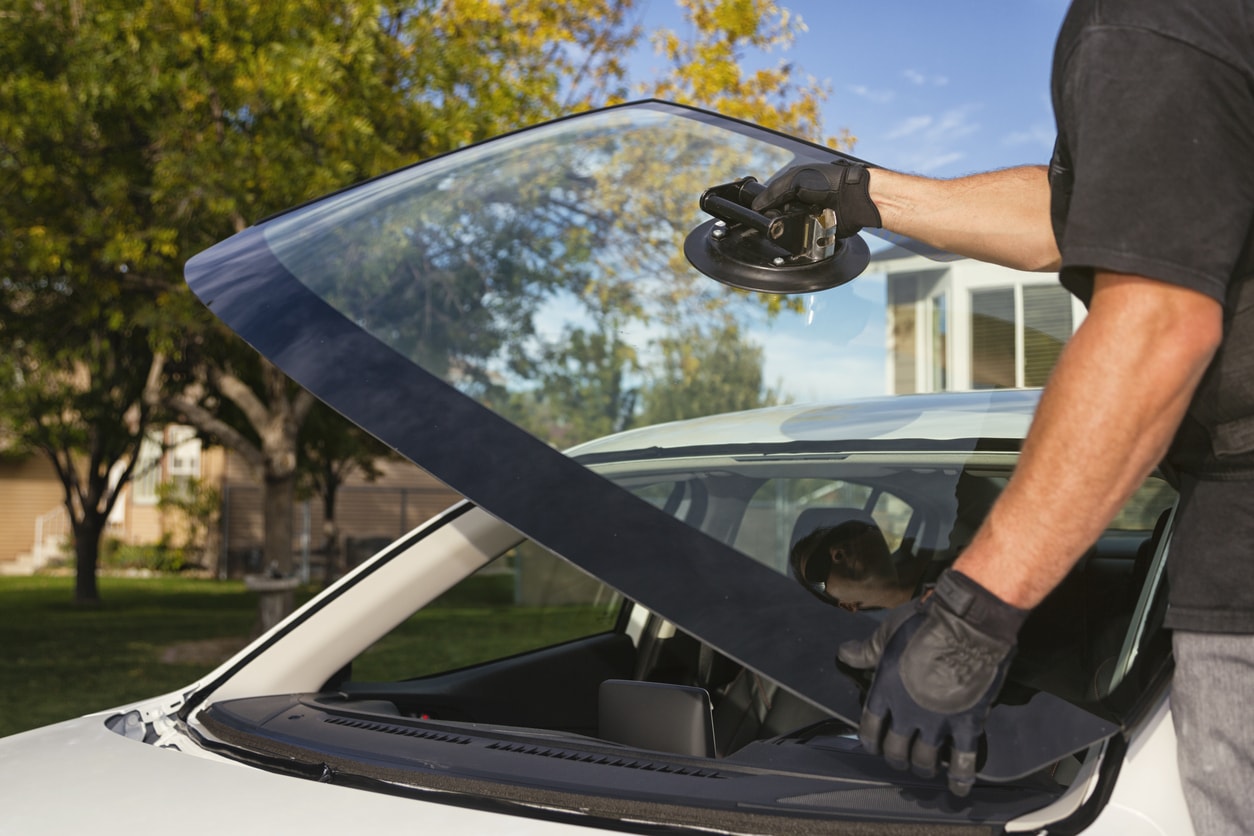
Bumpers in modern vehicles house several types of sensors that work together as part of advanced driver assistance systems. These include ultrasonic sensors used for parking assistance, radar sensor technology used for forward detection, and radar units that support blind spot monitoring and rear cross traffic alert features. Many vehicles equipped with these systems also rely on cameras mounted behind the front bumper or windshield replacement areas, which means bumper repair and glass work can both affect calibration requirements.
Safety Systems That Depend on Proper Sensor Alignment
These sensors support critical safety features such as adaptive cruise control, automatic emergency braking, emergency braking alerts, lane departure warnings, lane keeping assist, lane keeping assistance, forward collision warning, and object detection. These safety systems rely on precise alignment and correct sensor angles to detect obstacles, read lane markings, track the vehicle ahead, and monitor adjacent lanes. When alignment changes, both safety and performance can be compromised.
Why Sensor Recalibration Is So Sensitive
How Precise Modern Sensors Really Are
ADAS systems are engineered to extremely tight tolerances. Even a few millimeters of movement can alter the camera’s angle, radar sensor position, or ultrasonic sensors output. Systems rely on precise calibration so they can interpret distances, speeds, and angles accurately. Precise alignment is not optional, it is built into manufacturer requirements and calibration requirements for vehicles equipped with these technologies.
What Happens When a Sensor Is Even Slightly Off
When sensors are misaligned, the vehicle may still drive normally, but safety systems may deliver incorrect warnings, false alerts, or delayed responses. Incorrect warnings or false warnings can confuse drivers, while missed alerts can compromise safety. These issues do not always trigger dashboard lights, which is why proper calibration and post repair scans are essential after collision repair.
Do Small Bumper Repairs Really Affect Sensors?
Common Minor Repairs That Can Still Cause Issues
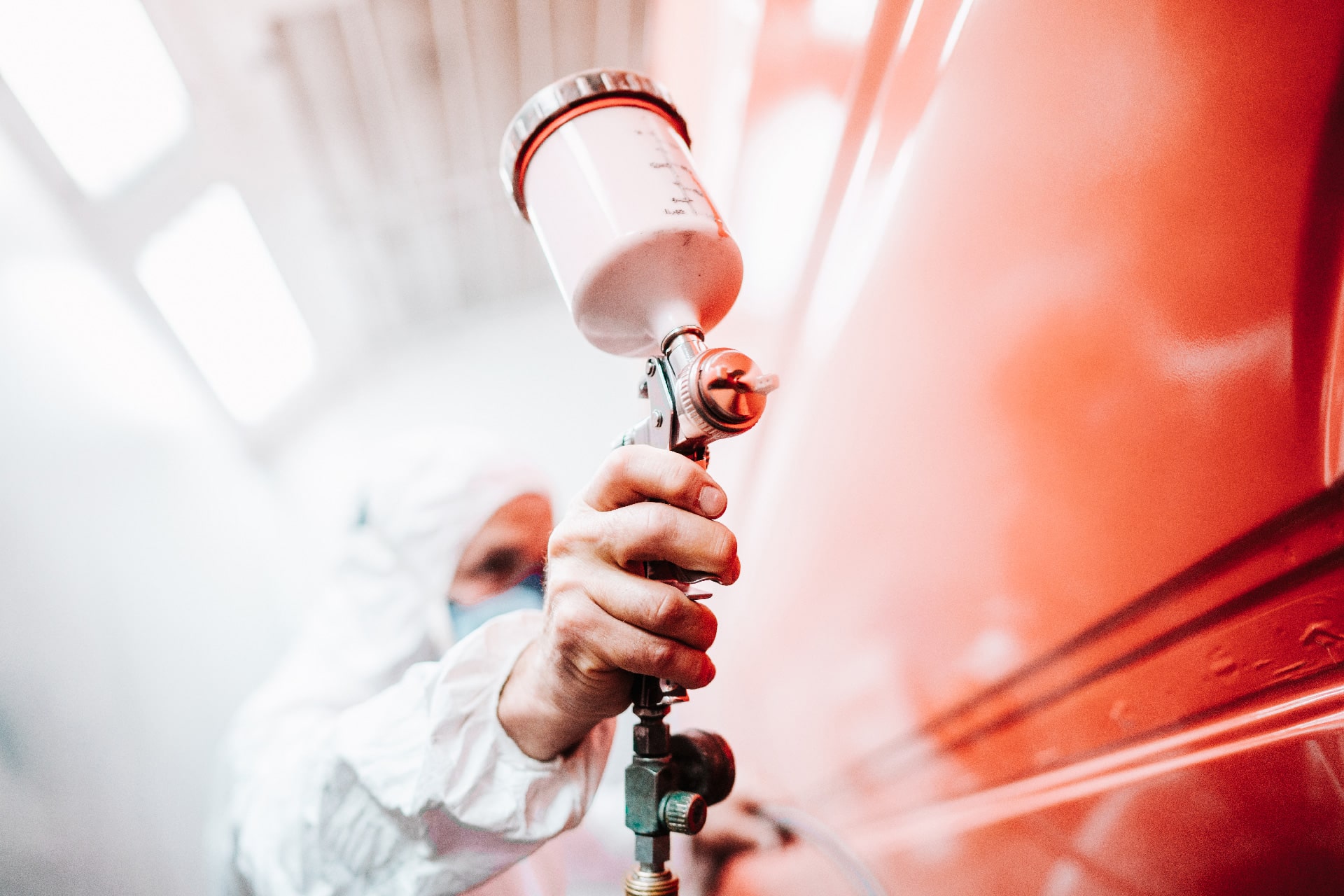
Minor repairs often include bumper repair, plastic reshaping, refinishing, removing and reinstalling sensors, or accessing internal components. Even minor repairs or even a small impact can affect sensor alignment. Structural repairs to bumper reinforcements, front bumper supports, or mounting brackets also play a role. Any time a bumper cover is removed or repositioned, calibration should be evaluated.
Why Visual Damage Is Not the Same as Sensor Accuracy
A bumper may look perfect after collision repair, but sensor accuracy cannot be judged visually. Sensors sit behind painted surfaces and depend on precise calibration to function correctly. Even minor repairs can affect how sensors read the environment, which is why calibration is based on measurements and data, not appearance.
When Is Recalibration Required After Bumper Repairs?
Situations That Almost Always Require Recalibration
ADAS recalibration is typically required when sensors are removed, replaced, or adjusted. Bumper replacement, structural repairs, front bumper impacts, and damage involving radar units all trigger calibration requirements. Windshield replacement can also require calibration because cameras and radar systems work together. Manufacturer specifications clearly outline when calibration must be performed.
Cases Where Testing May Still Be Required
Some bumper repair situations may only require testing, but that decision should be made after post repair scans and system verification. Vehicles equipped with advanced driver assistance systems often need accurate calibration checks even when damage appears cosmetic. Skipping this step increases potential liability.
Parking Sensors vs. ADAS Sensors, What’s the Difference?
Ultrasonic Parking Sensors
Ultrasonic sensors are primarily used for parking assistance and object detection at low speeds. These sensors detect obstacles close to the vehicle and help during parking. While some ultrasonic sensors may only need testing, repositioning them can still require calibration to ensure sensor angles and distances are correct.
Radar and ADAS Sensors
Radar sensor systems and radar units used in ADAS systems are far more sensitive. These systems support adaptive cruise control, automatic emergency braking, forward collision warning, blind spot detection, rear cross traffic alert, and lane keeping assistance. Advanced driver assistance systems depend on accurate calibration because even slight misalignment affects how systems rely on data to make decisions.
What Happens If Recalibration Is Skipped?
Safety Risks for Drivers and Passengers
Skipping calibration can compromise safety by delaying emergency braking, failing to detect obstacles, or providing false alerts. Vehicle safety depends on these systems working together properly. Both safety and driver confidence are impacted when systems do not perform as designed.
Long-Term System Performance Issues
Without accurate calibration, ADAS components may degrade in performance over time. Incorrect data leads to repeat repairs, system errors, and reduced reliability. Systems that cannot function correctly may eventually disable themselves or provide inconsistent warnings.
Insurance and Liability Concerns
Insurance claims increasingly require documentation showing that proper procedures and OEM procedures were followed. Failure to perform calibration after collision repair can lead to potential liability for repair shops and body shops if a safety feature fails post repair.
How Professional Calibration Is Performed
Diagnostic Scans and OEM Procedures
Calibration begins with post repair scans to identify fault codes and confirm system readiness. OEM procedures specify exact steps for calibration based on manufacturer requirements. These procedures ensure systems meet manufacturer specifications before the vehicle is returned to the customer.
Static vs Dynamic Calibration
Some vehicles require static calibration, which is performed in controlled environments using targets and precise measurements. Others require dynamic calibration, which involves driving the vehicle under specific conditions so systems can learn real world inputs. Many vehicles require both methods to achieve accurate calibration.
Why Calibration Requires Specialized Equipment
Calibration cannot be performed without specialized equipment and specialized tools. Proper tools include targets, scan tools, alignment systems, and controlled environments. Attempting calibration without the proper tools increases the risk of incorrect results and compromised safety.
Why Recalibration Should Always Be Done by a Certified Repair Shop
OEM Repair Standards and Compliance
Collision shops and body shops that follow OEM procedures understand calibration requirements and manufacturer specifications. These standards exist to protect vehicle safety and ensure repairs are completed correctly.
The Risks of Skipping or Improper Calibration
Repair shops that lack trained technicians or proper tools may skip calibration or perform it incorrectly. Attempting calibration without experience increases the chance of inaccurate results and unsafe vehicles.
How Relux Collision Ensures Sensor Accuracy
At Relux Collision, trained technicians perform calibration using specialized equipment and follow proper procedures for every repair facility process. We focus on accurate calibration, precise calibration, and proper calibration so ADAS systems function correctly after collision repair.
How Insurance Companies Handle Sensor Recalibration
Is Calibration Typically Covered?
Insurance claims often cover calibration when it is required to meet manufacturer requirements. Documentation, post repair scans, and proof that systems meet manufacturer specifications are key.
How a Professional Shop Advocates for Proper Repairs
A professional repair facility works directly with insurers to explain calibration requirements and ensure repairs protect vehicle safety. This reduces potential liability and ensures customers receive complete repairs.
Signs Your Bumper Sensors May Need Recalibration
Warning Lights and System Alerts
Warning lights related to driver assistance systems ADAS indicate the need for calibration or inspection.
Inconsistent or False Warnings
False alerts, false warnings, and incorrect warnings often point to sensor alignment issues or inaccurate calibration.
ADAS Features Not Working as Expected
If adaptive cruise control, lane keeping assist, blind spot monitoring, or parking assistance does not perform as expected, recalibration may be required.
FAQs About Bumper Sensor Recalibration
Do bumper sensors always need recalibration after repairs?
Not always, but many bumper repair situations require calibration, especially when sensors or mounting points are disturbed.
Can a car drive fine even if sensors are misaligned?
Yes, which is why calibration is so important. Systems may not fail visibly but can still compromise safety.
How long does sensor recalibration take?
Calibration time varies, but most processes are completed the same day depending on calibration requirements.
Is recalibration required after repainting a bumper?
Often yes, especially if sensors were removed or repositioned during bumper repair.
Can recalibration be skipped if there’s no warning light?
No. Lack of alerts does not guarantee sensor accuracy or proper calibration.
Final Thoughts: Why Sensor Accuracy Is Non-Negotiable
Advanced driver assistance systems are essential to vehicle safety in modern vehicles. Even minor repairs can affect sensor alignment and system performance. Calibration ensures safety features function correctly, meet manufacturer specifications, and protect drivers on every trip.
Schedule a Professional Bumper Sensor Inspection Today
If your vehicle has been involved in a collision repair or recently had bumper repair, our team is ready to help. Relux Collision uses proper tools, trained technicians, and OEM procedures to perform calibration correctly. Contact our repair facility today to protect your vehicle safety and ensure your systems are calibrated the right way.