
After an accident or even a minor repair, many drivers ask the same question: do cameras and radar sensors both need calibration after repairs? The answer is not always simple, but it is critical for your safety. In modern vehicles, advanced driver assistance systems rely on precise data from multiple components, and even a small shift can impact how these systems respond on the road. At Relux Collision, we focus on accuracy at every step of the repair process. That includes complete ADAS calibration to ensure your vehicle safety systems work exactly as intended before you get back behind the wheel.
What Are ADAS Cameras and Radar Sensors?
Advanced driver assistance systems are built around a network of sensors that monitor your surroundings and help prevent accidents. These driver assistance systems (ADAS) include cameras, radar sensor units, and ultrasonic sensors working together.
What Do Cameras Do in Your Vehicle?
Forward-facing cameras mounted near the rearview mirror play a major role in modern safety features. These forward-facing systems track lane lines, recognize lane markings, and support lane departure warnings and lane keeping assist. They also support traffic sign recognition and help detect obstacles ahead. Because these forward-facing camera systems rely on visual data, even slight changes in sensor positioning can affect how they function correctly.
What Do Radar Sensors Do?
A radar sensor is typically located behind the front bumper or within the grille. These radar units measure distance and speed between your vehicle and other vehicles on the road. They support adaptive cruise control, automatic emergency braking, blind spot monitoring, rear cross traffic alert, and emergency braking functions. Rear radar sensors are often placed near the rear bumper to assist with blind spot detection and cross traffic awareness.
Why These Systems Must Work Together
Modern vehicles rely on sensor fusion, meaning cameras, radar sensor units, and ultrasonic sensors all work together. Many ADAS sensors depend on each other to provide accurate data. If one system is off, it can affect system performance across the entire vehicle’s systems. This is why proper calibration is essential to restore both safety and vehicle performance after repairs.
Do Cameras and Radar Sensors Both Need Calibration After Repairs?
The Short Answer
Sometimes both systems require calibration, and sometimes only one does. The need for ADAS calibration depends on the type of repair, the affected ADAS component, and manufacturer specifications.
When Both Typically Need Calibration
After a collision occurs, especially in front-end damage or structural repairs, both camera and radar sensor systems often require calibration. Repairs that involve the windshield area and bumper repair can affect sensor alignment and require both systems to be recalibrated. Airbag deployment and structural repairs can also shift sensor angles and impact sensor positioning, making calibration requirements more extensive.
When Only One May Need Calibration
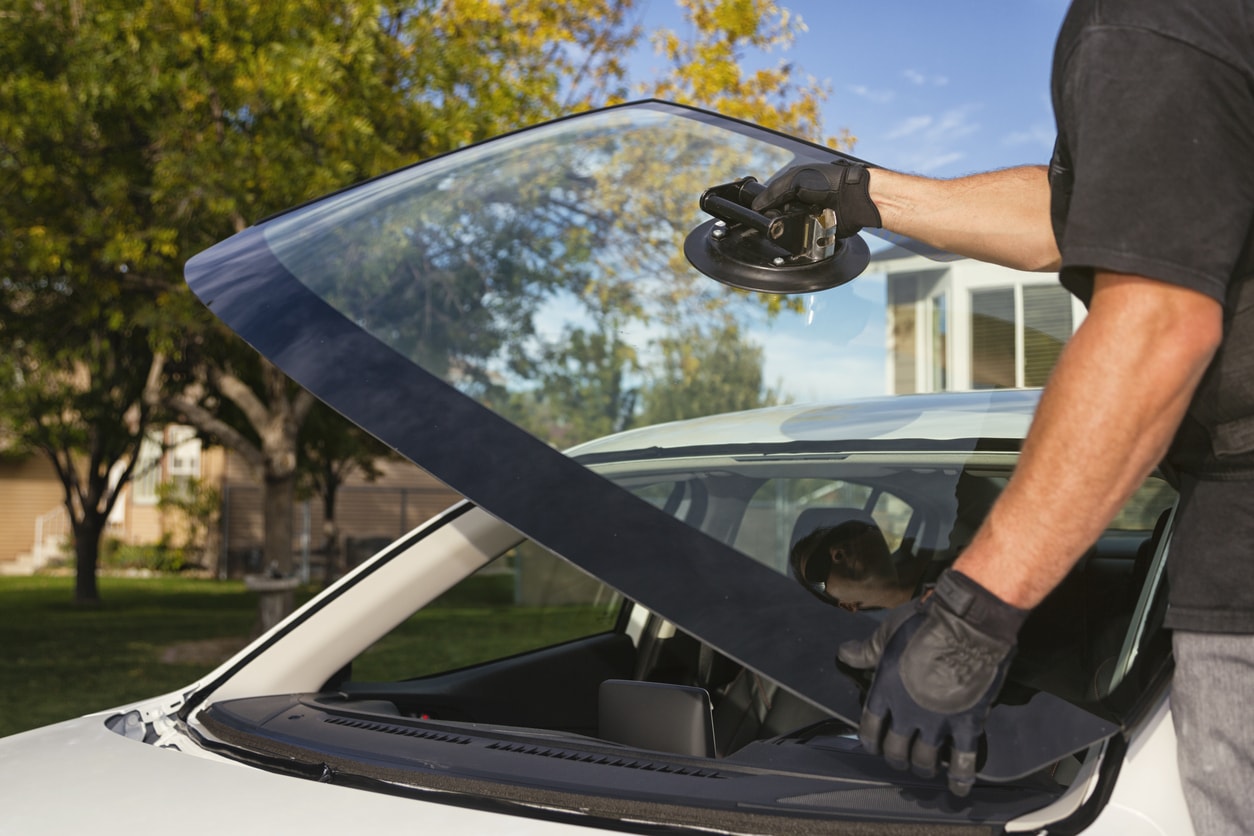
Some repairs only affect one system. Windshield replacement often impacts forward-facing cameras and requires calibration, while bumper repair or bumper replacement typically affects radar units. Side damage may impact rear radar sensors used for blind spot detection and blind spot monitoring.
Why You Can’t Guess: OEM Procedures Matter
Every vehicle has unique calibration requirements based on manufacturer specifications. Proper calibration requires following exact procedures, not guesswork. At Relux Collision, we follow OEM guidelines to ensure every ADAS calibration is completed correctly.
What Repairs Trigger ADAS Calibration?

Windshield Replacement
Windshield replacement is one of the most common reasons ADAS systems require calibration. Forward-facing cameras depend on precise positioning, and even small variations in glass installation can affect sensor alignment.
Bumper and Front End Repairs
Bumper repair and bumper replacement directly impact radar units. Since radar units are mounted behind the bumper, even minor adjustments can affect sensor angles and require calibration.
Suspension and Alignment Work
Suspension repairs and wheel alignment can affect sensor alignment and the way sensors interpret road conditions. A change in ride height or alignment can require dynamic calibration.
Structural or Frame Repairs
Structural repairs can shift mounting points and affect sensor positioning. These repairs often require calibration because they impact precise distances and angles needed for system accuracy.
Sensor Removal or Replacement
If any ADAS sensors are removed or replaced, calibration is required to restore proper function.
Diagnostic Trouble Codes
If a scan tool detects system faults, calibration may be required after repairs to restore properly functioning ADAS systems.
What Happens If Calibration Is Skipped?
Safety Risks
Skipping calibration can lead to serious safety failures. Systems like automatic emergency braking and emergency braking may not respond correctly, increasing risk during critical moments.
Real-World Driving Consequences
Improper calibration can cause false alerts or false warnings. Your vehicle may react when it should not, or fail to react when needed.
Liability and Insurance Concerns
Skipping calibration can create liability concerns after collision repair. Insurance companies expect proper calibration as part of the repair process.
Warning Lights Aren’t the Whole Story
Not all issues trigger dashboard alerts. Improper calibration can exist without visible warnings, which is why post-repair calibration is essential.
How ADAS Calibration Works
Static Calibration
Static calibration is performed in a controlled environment using specialized targets. This calibration process requires precise positioning and measurements based on manufacturer specifications.
Dynamic Calibration
Dynamic calibration is completed while driving the vehicle at highway speeds. This allows the system to relearn real-world conditions and adjust sensor alignment.
Why Precision Matters
ADAS calibration requires precise calibration down to millimeters. Even small changes in sensor angles can affect proper function. Proper calibration ensures advanced safety systems work as intended.
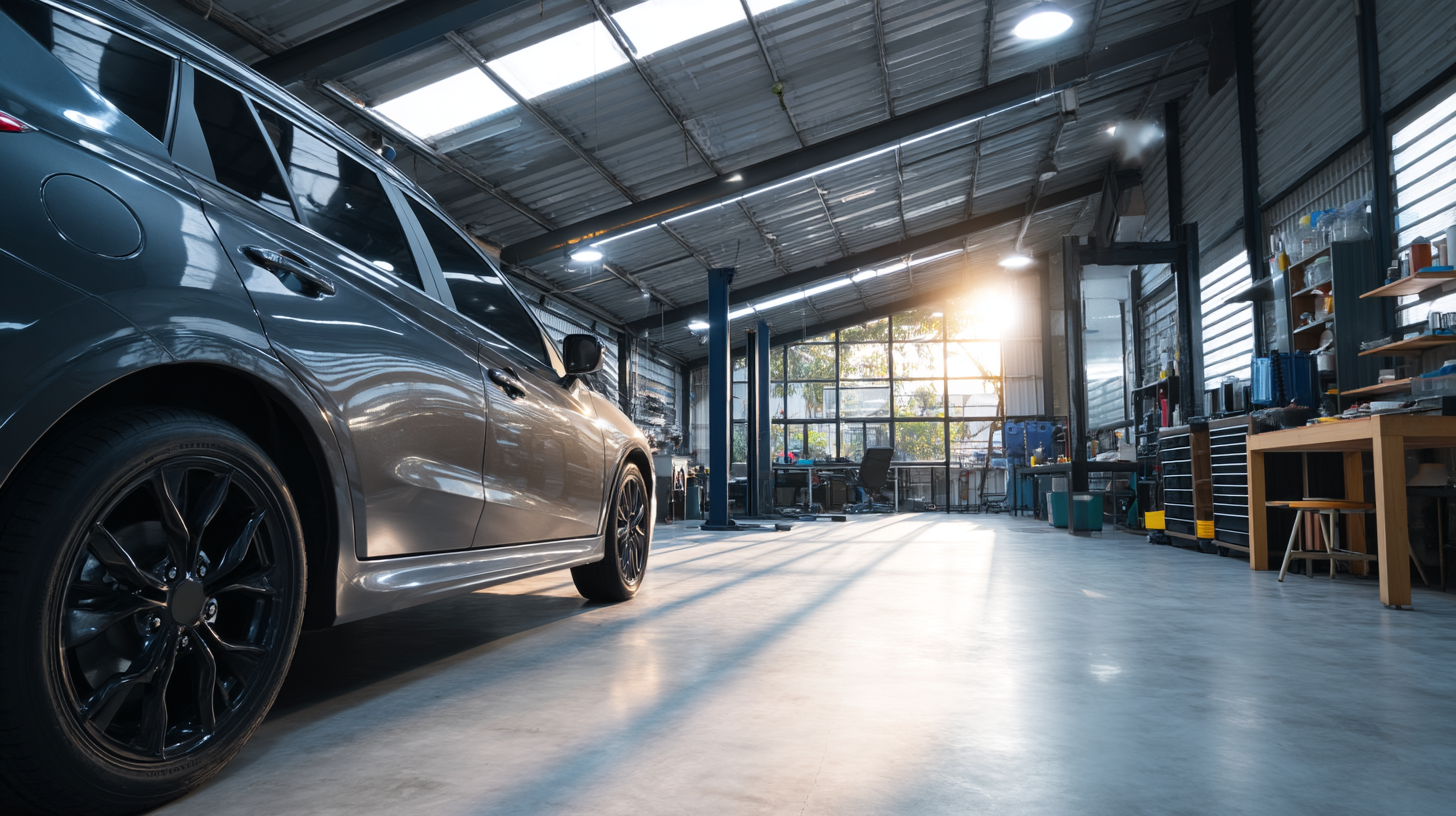
Why Proper Calibration Requires a Professional Shop
OEM Guidelines Are Non-Negotiable
Calibration requirements are set by manufacturers. These procedures must be followed exactly to ensure vehicle safety.
Specialized Equipment and Software
Calibration requires advanced tools, including a scan tool and calibration targets. Not all repair facilities have the equipment needed for proper calibration.
Certified Technicians and Experience
Experience matters when working with ADAS systems. Proper training ensures calibration is completed accurately.
Documentation and Verification
Every calibration process should be documented. This ensures that all safety systems meet manufacturer specifications before the vehicle is returned.
How Relux Collision Handles ADAS Calibration
Full Vehicle Assessment After Repairs
We evaluate all ADAS sensors after collision repair to determine calibration requirements.
OEM Compliant Calibration Process
Our team follows manufacturer specifications for every ADAS calibration to ensure accuracy.
Advanced Tools and Technology
We use specialized equipment designed for precise calibration of radar units, cameras, and ultrasonic sensors.
Insurance Coordination
We work with insurance providers to ensure calibration is included in the repair process when required.
Commitment to Safety and Quality
At Relux Collision, vehicle safety is always the priority. Every calibration is completed to ensure your safety features and advanced driver assistance systems function correctly.
Get your free estimate today or schedule ADAS calibration with our team.
Signs Your Vehicle May Need Calibration
- After any collision or repair
- Warning lights or system alerts
- Windshield or bumper replacement
- Changes in driving behavior such as issues with adaptive cruise control, lane keeping assist, or automatic braking
FAQs About Camera and Radar Calibration
Do all vehicles require calibration after repairs?
Not all vehicles require calibration, but most modern vehicles with advanced safety systems do.
How long does calibration take?
The calibration process varies depending on the vehicle and number of systems involved.
Is calibration covered by insurance?
In many cases, calibration is covered when tied to collision repair.
Can I drive without calibration?
Driving without proper calibration is not recommended, as it can impact driver safety.
How much does calibration cost?
Costs vary based on calibration requirements and the number of ADAS sensors involved.
Does windshield replacement always require calibration?
Most vehicles with forward-facing cameras require calibration after windshield replacement.
What happens if a shop skips calibration?
Skipping calibration can lead to improper system performance, false alerts, and increased risk.
Final Thoughts: Calibration Is Essential
Cameras and radar sensors do not always both require calibration after every repair, but many times they do. The only safe approach is to follow manufacturer specifications and complete all required ADAS calibration. At Relux Collision, we make sure every system is restored with precise calibration, ensuring your vehicle safety systems operate exactly as designed.
If your vehicle has been in an accident or needs repairs, trust a team that prioritizes proper calibration and safety. Call our team today or schedule your visit to ensure your vehicle is repaired the right way.