
After an accident, many vehicle owners expect repairs to begin immediately. In reality, the most important step happens first—before any tools touch the vehicle. The answer to the question of how do collision centers create a repair blueprint before work begins lies in a detailed, step-by-step blueprinting process designed to restore safety, accuracy, and efficiency.
At our body shop, we focus on building a complete repair plan that guides the entire repair process from start to finish. This approach ensures quality repairs, fewer delays, and results that bring your vehicle back to pre-accident condition. If you are looking for a collision repair center that prioritizes precision and transparency, get your free estimate today.
What Is a Collision Repair Blueprint?

A collision repair blueprint is a comprehensive repair plan created before repairs begin. Unlike a basic repair estimate, a collision repair blueprint outlines every step needed to restore the vehicle, including parts, labor, repair procedures, and safety requirements.
In today’s collision repair industry, this level of planning is essential because modern vehicles are more complex than ever. Collision repair blueprinting allows auto body shops to identify hidden damage, plan structural repairs, and prepare for mechanical repairs before technicians begin. This creates more accurate estimates and reduces delays caused by missed damage.
Without a proper repair plan, the entire repair process can become unpredictable, leading to longer timelines and inconsistent results.
Why Blueprinting Matters More in the Collision Repair Industry
The collision repair world has changed significantly. Modern vehicles include advanced driver assistance systems, radar sensors, and sensitive mechanical systems that require precise handling. These safety features must be inspected and recalibrated using factory specifications.
Collision repair planning now involves more than just fixing damaged panels; it requires understanding the vehicle structure, electronic systems, and manufacturer guidelines. This is why collision repair blueprinting has become a standard in high-quality auto body shops.
What Happens Without Proper Blueprinting
When a body shop skips the blueprinting process, hidden damage often goes unnoticed. This leads to supplements, delays, and additional communication with insurance companies. It can also impact the vehicle’s structural integrity and safety features.
Proper collision repair planning eliminates guesswork and ensures necessary repairs are identified early.
Step-by-Step: How Collision Centers Build a Repair Blueprint
Step 1: Initial Assessment and Visual Inspection
The process begins with an initial assessment. Repair technicians perform a visual inspection to evaluate visible damage and identify affected body panels. This initial assessment includes photo documentation and a detailed damage assessment to support communication with insurance companies.
During this stage, technicians carefully review the vehicle’s frame, body panels, and overall condition. This step is critical for creating accurate estimates and understanding the scope of auto collision repair.
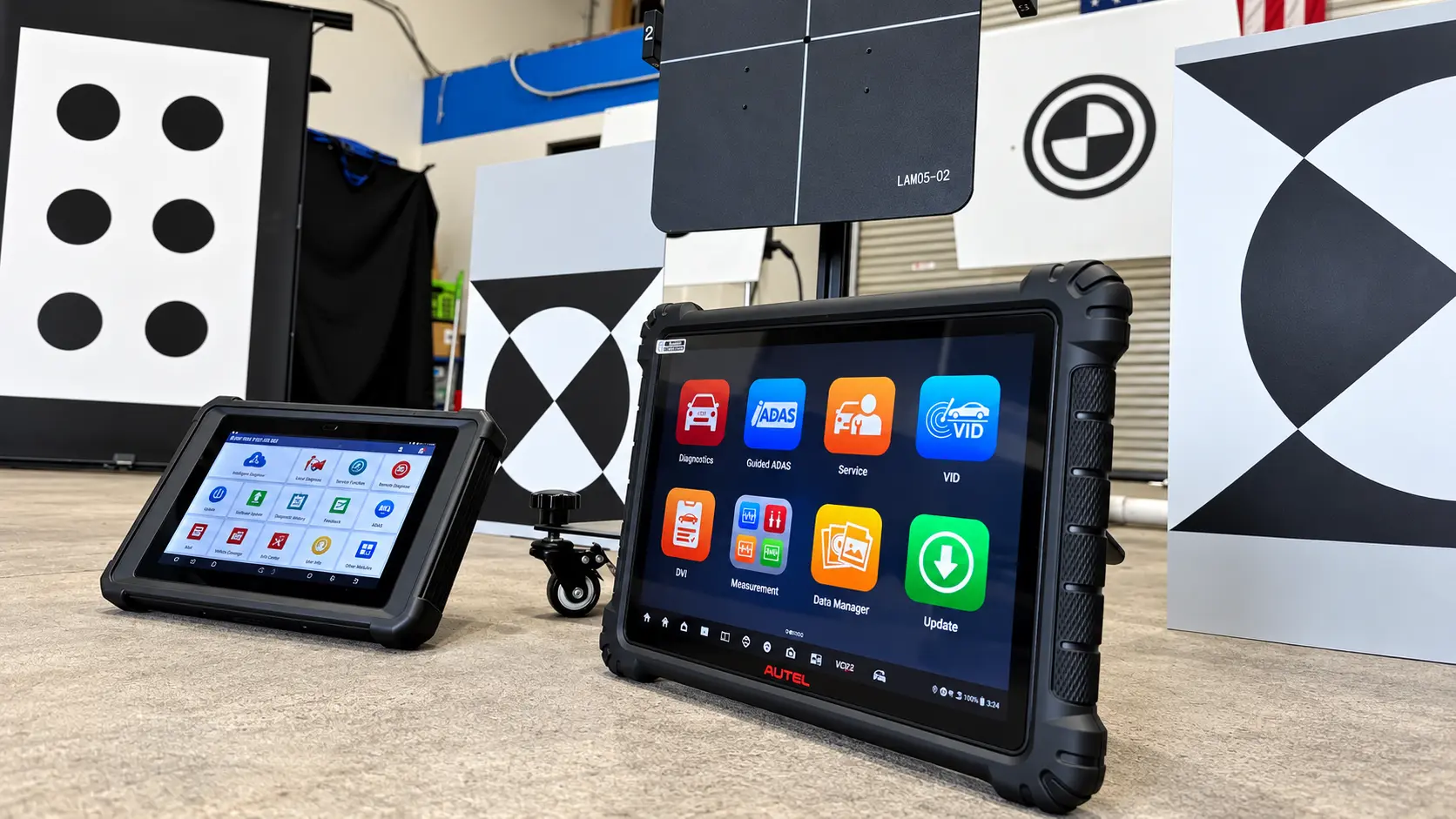
Step 2: Pre-Repair Diagnostic Scan
Before repairs begin, trained technicians perform a diagnostic scan to detect diagnostic trouble codes. These codes can reveal issues within mechanical systems and internal components that are not visible during a visual inspection.
Advanced driver assistance systems, including adaptive cruise control and radar sensors, often require attention after a collision. Identifying these issues early ensures the repair plan includes all necessary repairs. This step also supports insurance companies by providing documentation for more accurate estimates.
Step 3: Controlled Disassembly and Detailed Inspection
Once the initial assessment is complete, technicians begin controlled disassembly. This step exposes hidden damage within the vehicle structure and internal components.
Removing damaged panels allows for a detailed inspection of structural damage, mechanical components, and potential structural and mechanical damage. Hidden damage is common in most collision repairs, especially when impact forces transfer through the vehicle’s frame.
Skilled technicians use specialized equipment and computerized measuring systems to evaluate the vehicle’s frame and ensure structural integrity. This step is essential for building a comprehensive repair plan.
Step 4: OEM Research and Specific Repair Procedures

After disassembly, repair technicians research specific repair procedures provided by vehicle manufacturers. These repair procedures outline how to restore the vehicle according to factory specifications.
This includes guidance for structural repairs, mechanical repairs, welding points, and material requirements. Following manufacturer repair procedures ensures the vehicle’s structural integrity is maintained and safety features function correctly.
Certified technicians rely on this information to perform both body repair and mechanical repairs with precision.
Step 5: Parts Identification and Planning
Once the damage is fully understood, the team identifies all necessary parts. This includes body panels, internal components, and mechanical systems.
Proper planning ensures all parts are available before technicians begin repairs. This reduces delays and keeps the collision repair process efficient.
Whether the repair involves cosmetic repairs, paintless dent repair for minor dents, or full structural repairs, having the right parts is critical for quality repairs.
Step 6: Labor Mapping and Repair Sequencing
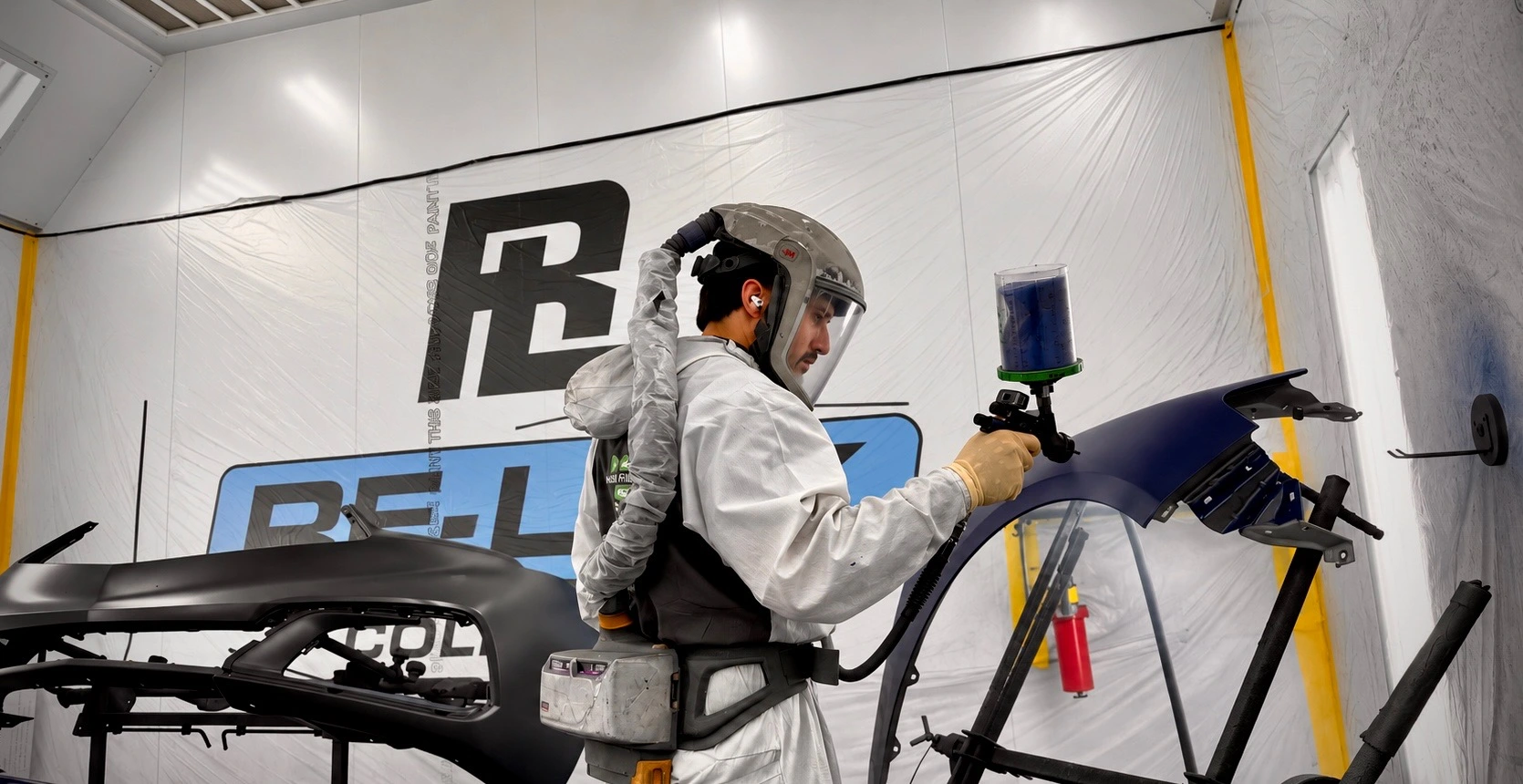
Collision repair planning includes organizing the order of repairs. Structural repairs are completed first to restore the vehicle structure, followed by body repair and paint refinishing. Mechanical repairs are then addressed before final assembly.
This structured approach ensures consistency throughout the entire repair process. Auto body shops that follow a clear repair plan deliver better results and maintain efficiency.
Step 7: ADAS Calibration Planning
Modern vehicles often require calibration of advanced driver assistance systems after repairs. These systems rely on radar sensors and cameras to function properly.
The repair blueprint includes calibration steps for systems like adaptive cruise control and other safety features. Without proper calibration, the vehicle may not perform as intended.
This step ensures the vehicle is restored to pre-accident condition and meets safety standards.
Step 8: Blueprint Finalization and Insurance Coordination
Once all steps are documented, the repair blueprint is finalized. This complete repair plan is shared with insurance companies to streamline approvals.
A well-documented repair plan reduces supplements and helps maintain clear communication. Insurance companies rely on detailed documentation to approve necessary repairs and ensure accurate estimates.
How Blueprinting Improves Repair Quality
Fewer Surprises During Repairs
A detailed repair plan identifies hidden damage early, reducing unexpected issues during the repair process. This leads to more accurate estimates and smoother repairs.
Faster Turnaround Times
By planning every step in advance, auto body shops can avoid delays caused by missing parts or incomplete information. This improves efficiency across the entire repair process.
Better Communication With Vehicle Owners
Vehicle owners benefit from clear communication about necessary repairs, timelines, and expectations. A comprehensive repair plan provides transparency from start to finish.
Safer, OEM-Compliant Repairs
Following factory specifications and repair procedures ensures the vehicle maintains structural integrity and safety features. This is critical for restoring the vehicle to pre-accident condition.
Why Choosing a Body Shop That Uses Blueprinting Matters

Not all collision repair shops follow a detailed blueprinting process. Choosing a body shop that prioritizes collision repair blueprinting can significantly impact the outcome of your repair.
High-quality auto body shops invest in specialized equipment, certified technicians, and structured repair processes.
Signs of a High-Quality Collision Repair Center
Look for a repair facility that performs a detailed inspection, uses computerized measuring systems, and follows manufacturer repair procedures. Certified technicians and strong quality control processes are key indicators of a professional body shop.
These collision repair shops focus on delivering quality repairs and maintaining customer trust.
Relux Collision’s Approach to Collision Repair Blueprinting
At Relux Collision, our blueprinting process is designed to deliver precision and consistency. From the initial assessment to final vehicle delivery, every step is carefully planned and executed.
Our skilled technicians use specialized tools and advanced technology to create a comprehensive repair plan tailored to each vehicle. We focus on restoring structural integrity, addressing hidden damage, and ensuring all mechanical systems function properly.
What Vehicle Owners Can Expect
Vehicle owners can expect a smooth and transparent experience. Our team provides accurate estimates, clear communication, and a commitment to quality control at every stage.
We perform thorough cleaning before repairs and ensure all interior trim and components are properly handled. Once repairs are complete, technicians carefully reinstall all parts and verify that the vehicle meets factory specifications.
Frequently Asked Questions About the Blueprinting Process
How long does the blueprinting process take?
The blueprinting process can take several hours to a full day depending on the extent of visible damage and hidden damage.
Does blueprinting affect the repair estimate?
Yes, it helps create more accurate estimates by identifying all necessary repairs before work begins.
Do insurance companies cover collision repair planning?
Most insurance companies support collision repair planning because it improves accuracy and reduces delays.
Can minor dents require blueprinting?
Yes, even minor dents can impact internal components or safety features, making a detailed inspection important.
What happens after the repair plan is complete?
Once the repair plan is approved, technicians begin the repair process following the outlined steps.
Final Thoughts: Why the Repair Blueprint Matters
A successful collision repair starts with a strong plan. The blueprinting process ensures every detail is addressed before repairs begin, from structural repairs to mechanical repairs and paint refinishing.
In today’s collision repair industry, this level of planning is essential for restoring modern vehicles safely and accurately. At our body shop, we believe a complete repair plan leads to better results, faster timelines, and greater peace of mind.
If your vehicle needs auto body repair, trust a team that prioritizes precision from the very beginning. Get your free estimate today, call our team, or schedule your visit and experience a better approach to collision repair.