
When drivers ask us how do technicians choose between OEM and aftermarket auto glass, the answer is never just about price. It is about safety, performance, and making sure your vehicle is restored correctly after damage. Today’s auto glass plays a critical role in how your car functions, especially with modern safety features built directly into the windshield. At Relux Collision, we guide customers through this decision every day. Whether your windshield replacement is due to a large crack or full collision damage, choosing between OEM and aftermarket glass requires a careful, informed decision based on your vehicle, your budget, and your long-term expectations.
What Is OEM vs. Aftermarket Auto Glass?

What Is OEM Auto Glass?
OEM auto glass stands for original equipment manufacturer glass. This means the glass is made to the exact specifications of your vehicle’s original windshield. In many cases, it is produced by the same manufacturer or supplier that created the original glass installed at the factory. OEM glass is designed to match your vehicle perfectly, including thickness, tint, curvature, and mounting points. It often carries the vehicle manufacturer logo, which indicates it meets OEM standards set by car manufacturers and auto manufacturers.
This level of precision ensures a perfect fit and helps maintain structural integrity. For many newer vehicles, using OEM parts is the most reliable way to restore the vehicle’s safety systems and performance.
What Is Aftermarket Auto Glass?
Aftermarket auto glass is produced by third-party manufacturers instead of the original manufacturer. These companies create glass that meets federal safety standards but may not follow the exact specifications of the original windshield. Aftermarket glass is widely available and often more affordable, which makes it a common choice for drivers working within a tight budget.
However, differences in manufacturing processes, thickness, tint, or curvature can affect how the glass fits and performs. Not all aftermarket options are the same. Some OEE windshields, also known as original equipment equivalent glass, are designed to closely match OEM quality and can be virtually identical in some cases.
Key Differences at a Glance
The main difference between OEM and aftermarket auto glass comes down to precision and consistency. OEM glass is manufactured to exact specifications and backed by strict quality control and quality assurance processes. Aftermarket glass meets safety requirements but can vary depending on the supplier, brands, and manufacturing standards.
For drivers, the right choice depends on your vehicle, your expectations, and how important factors like resale value, warranty, and performance are to you.
Why the Choice Matters More in Modern Vehicles
The Role of ADAS (Advanced Driver Assistance Systems)
Modern vehicles rely heavily on technology built into the windshield. Cameras and sensors support features like lane departure warning, collision alerts, and adaptive cruise control. These systems depend on precise alignment and optical clarity.
When auto glass is replaced, even small differences can impact how these features perform. This is why technicians carefully evaluate OEM and aftermarket glass options before making a recommendation.
Calibration Is No Longer Optional
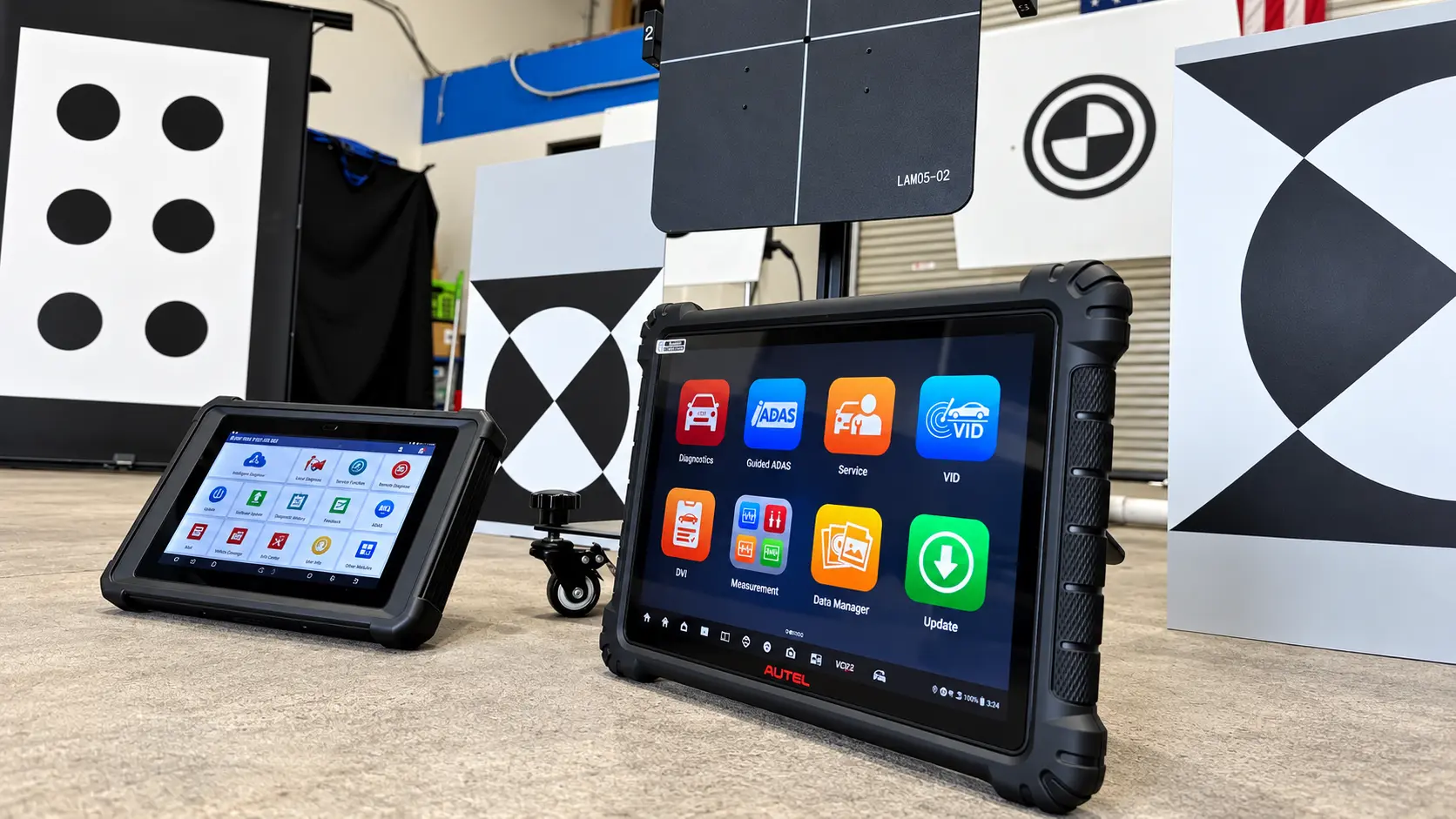
After a windshield replacement, calibration ensures that all systems function correctly. If the glass does not meet the same level of precision as the original windshield, calibration may fail or produce inaccurate results.
This is one of the biggest reasons why OEM windshield options are often preferred for newer vehicles.
Real-World Risk of Choosing the Wrong Glass
Choosing the wrong glass can affect safety and performance. Misaligned sensors, reduced visibility, or improper sealing can lead to long-term issues. In some cases, customers return after a windshield replaced elsewhere because of defects or calibration failures. This highlights the importance of making an informed choice from the start.
The Step-by-Step Process Technicians Use to Decide

1 | Checking OEM Repair Procedures
Technicians begin by reviewing guidelines from the vehicle manufacturer. These procedures outline whether OEM auto glass is required for proper repairs. Some car manufacturers specify OEM glass for certain models or features.
2 | Evaluating ADAS and Technology Requirements
Next, technicians assess the vehicle’s features. Advanced systems require a precise fit and clear optical path. If the vehicle includes these systems, an OEM windshield is often the right choice.
3 | Assessing Fit and Manufacturing Precision
Fit is critical during windshield replacement. OEM glass offers a perfect fit, while aftermarket windshields may vary slightly in thickness or curvature. These differences can affect installation and long-term durability.
4 | Determining Calibration Reliability
Technicians must ensure calibration will succeed. If aftermarket auto glass introduces uncertainty, OEM glass becomes the safer option to maintain performance and safety.
5 | Reviewing Safety Standards Compliance
All auto glass must meet safety standards, but OEM glass goes further by matching original specifications. This helps protect the vehicle’s structural integrity during accidents.
6 | Considering Insurance and Customer Preferences
Insurance companies often influence part selection. Some policies favor aftermarket auto options due to cost savings. However, technicians work with customers to explain the difference and help them make an informed decision based on safety, budget, and personal preferences.
When Technicians Recommend OEM Auto Glass
- Vehicles With Advanced Safety Systems: Vehicles equipped with modern safety features benefit most from OEM glass. The precision ensures systems function properly.
- Vehicles Requiring Precise Optical Clarity: If your car includes display systems or specialized tint, OEM auto glass ensures clarity and consistency.
- Manufacturer-Specific Requirements: Some auto manufacturers and car manufacturers require OEM glass for certain repairs. Following these guidelines helps maintain warranty coverage and resale value.
- When Calibration Must Be Guaranteed: If calibration accuracy is critical, OEM glass provides the most reliable outcome and reduces the risk of repeat repairs.
When Aftermarket Auto Glass May Be a Viable Option
- Older Vehicles Without ADAS: Older vehicles without advanced systems can often use aftermarket glass without compromising performance.
- Budget-Conscious Repairs: For drivers managing a tight budget, aftermarket options provide cost savings while still meeting safety standards.
- High-Quality Aftermarket Options: Some aftermarket auto glass products, including OEE windshields, are produced by the same companies that supply OEM parts. These options can deliver similar quality when installed correctly.
Common Misconceptions About OEM vs Aftermarket Glass
- Aftermarket Glass Is Always Unsafe: This is not accurate. Aftermarket glass must meet safety requirements. The difference lies in consistency and precision.
- OEM Is Always Required: Not every vehicle requires OEM glass. The right choice depends on your vehicle’s design and features.
- Insurance Always Covers OEM: Insurance coverage varies. Some policies cover OEM glass, while others default to aftermarket auto glass unless requested.
- All Glass Is the Same: Modern vehicles have changed this. Differences in glass, thickness, and specifications can affect performance and safety.
What Matters More Than OEM vs Aftermarket
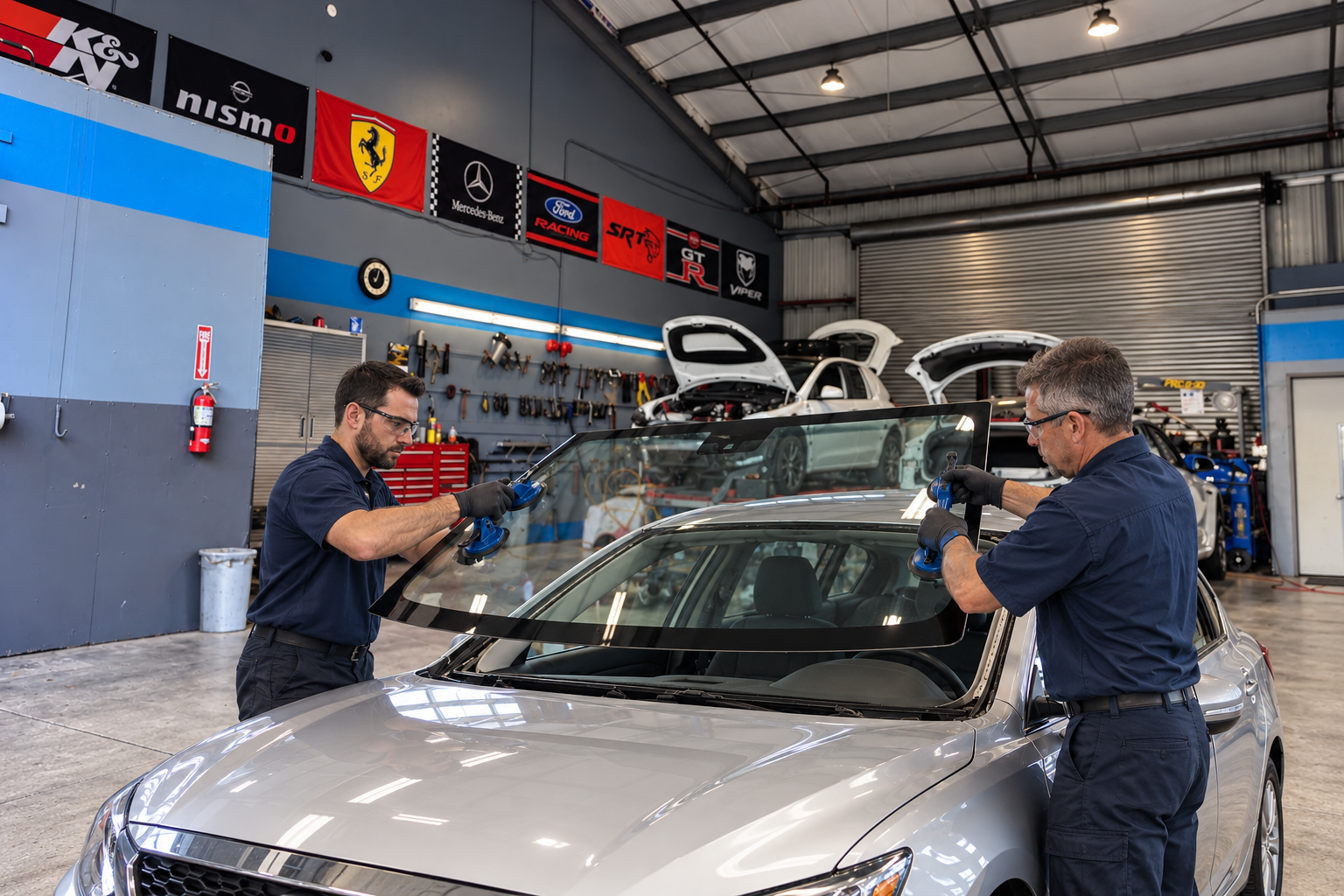
- Proper Installation Techniques: Even the best glass will fail if installed incorrectly. Proper adhesives and curing times are essential.
- Certified Technicians and Equipment: Experienced technicians ensure quality repairs and proper fit.
- Accurate ADAS Calibration: Calibration ensures your vehicle’s systems function correctly after replacement.
- Quality Control and Final Inspection: Final inspections help identify defects and ensure everything meets quality standards before the vehicle is returned to the customer.
How Relux Collision Approaches Auto Glass Replacement

- A Safety-First Decision Process: We evaluate every vehicle individually and recommend OEM or aftermarket glass based on safety and performance, not just price.
- Transparent Recommendations: We explain the difference between OEM and aftermarket options clearly so customers can make an informed choice.
- Advanced Calibration and Technology: Our team uses precise tools to ensure your windshield replacement meets manufacturer standards.
- Insurance Support Without Compromising Quality: We work with insurance companies while prioritizing your safety, warranty protection, and long-term satisfaction.
Get your free estimate today or schedule your visit with our team to restore your vehicle the right way.
FAQs – OEM vs Aftermarket Auto Glass
Is OEM auto glass better than aftermarket?
OEM auto glass is designed to match your vehicle exactly, making it the preferred option for many modern vehicles.
Will insurance pay for OEM glass?
Insurance coverage depends on your policy. Some plans include OEM glass, while others require approval.
Can aftermarket glass affect ADAS calibration?
Yes, differences in aftermarket glass can impact calibration and system performance.
How do I know which type my car needs?
A professional inspection helps determine whether OEM or aftermarket auto glass is the right choice.
Is it safe to choose aftermarket glass?
Aftermarket glass can be safe when properly selected and installed, especially for older vehicles.
Does OEM glass last longer?
OEM glass is built to strict standards and often provides consistent long-term quality and durability.
What happens if calibration fails?
If calibration fails, safety systems may not function correctly, which can affect your vehicle’s performance and safety.
Final Thoughts: Making the Right Choice for Your Vehicle
Choosing between OEM and aftermarket auto glass is about more than cost. It is about safety, performance, and protecting your vehicle long term. At Relux Collision, we help customers make the right choice with confidence. Whether you need a simple auto glass repair or a full windshield replacement, our team is here to deliver quality, precision, and service you can trust. Call our team today to get started or schedule your visit for expert care and lasting results.