
How Does ADAS Affects Auto Glass Replacement Procedures?
Auto glass repair has changed dramatically over the last decade. In today’s vehicles, the windshield is no longer just a protective barrier from wind and debris. It is a structural and technological component that directly supports advanced driver assistance systems. Understanding how does ADAS affects auto glass replacement procedures is essential for vehicle owners who care about safety, accuracy, and long term performance. At Relux Collision, we approach windshield replacement as a safety critical repair, not a simple glass swap, because modern vehicles depend on precisely calibrated systems to operate as designed.
What Is ADAS and Why Is It Built Into the Windshield?
Advanced driver assistance systems are designed to support drivers by monitoring the road and responding to potential dangers faster than human reaction time. These driver assistance systems ADAS rely heavily on cameras and sensors mounted near or directly to the windshield, making auto glass a key part of the vehicle’s safety systems.
Understanding Advanced Driver Assistance Systems
Advanced driver assistance systems use a network of sensors, ADAS cameras, and software to interpret the vehicle’s surroundings. These ADAS systems help detect lane markings, measure distance from other vehicles, identify pedestrians, and issue collision warnings when necessary. In modern vehicles, ADAS technology is integrated into core safety systems and is standard on many vehicles produced in recent years.
Common ADAS Features That Rely on the Windshield
Many critical ADAS features depend on a clear and correctly positioned windshield. Lane departure warning alerts the driver when drifting outside lane markings. Lane keeping assist and lane assist help guide the vehicle back into position. Adaptive cruise control maintains a safe distance from other vehicles. Automatic emergency braking and emergency braking functions can apply brakes when potential hazards are detected. Pedestrian detection, automatic high beams, and traffic sign recognition also rely on ADAS cameras mounted behind the glass.
Why Auto Glass Replacement Impacts ADAS Accuracy
Windshield replacement directly affects how ADAS cameras and ADAS sensors interpret the road. Even when glass work looks perfect, unseen changes can impact safety performance.
The Windshield as a Precision Mounting Surface
The windshield acts as a calibrated mounting surface for sensors mounted in precise locations. Manufacturer specifications require exact angles, height, and distance from the road. A small deviation can alter how the system reads lane markings or calculates the position of other vehicles.
How Glass Removal and Installation Causes Misalignment
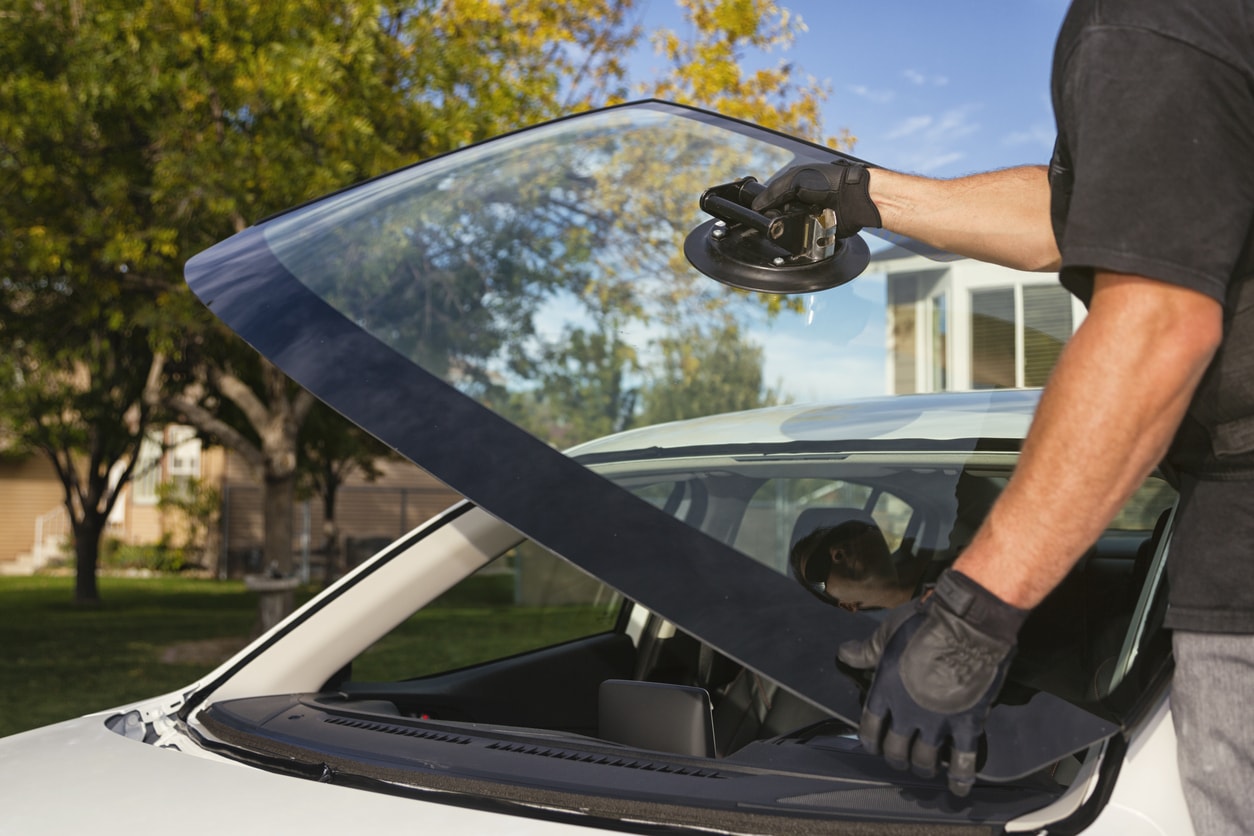
During glass replacement, the original seal is removed and new glass is installed. Differences in glass thickness, refractive index, or adhesive curing can slightly shift camera alignment. Aftermarket glass can vary from OEM glass in optical clarity and thickness, which may impact how ADAS cameras focus on road markings and surrounding traffic.
What Happens If ADAS Is Not Recalibrated
When ADAS recalibration is skipped, systems may provide false collision warnings, delayed emergency braking, or fail to recognize pedestrians and lane departure situations. In some cases, warning lights may not appear, even though the system is incorrectly calibrated, creating hidden risks and compromising safety.
ADAS Calibration Explained
ADAS calibration is the process that restores accuracy after windshield replacement or glass replacement. It ensures that sensors and cameras operate according to manufacturer specifications.
What Is ADAS Calibration?
ADAS calibration aligns cameras, sensors, and software to the vehicle’s geometry. The calibration process verifies that the system reads distances, angles, and lane markings correctly. Proper calibration is essential to ensure the vehicle’s safety systems function as intended.
Static ADAS Calibration
Static calibration is performed in a controlled environment with the vehicle stationary.
When Static Calibration Is Required
Static calibration is often required after windshield replacement on ADAS equipped vehicles. The vehicle must be placed on a flat surface with controlled lighting, precise measurements, and calibration targets positioned according to manufacturer specifications.
Equipment and Training Requirements
This process requires specialized equipment, diagnostic tools, and certified technicians trained in ADAS camera calibration. Without proper setup, static calibration cannot be completed accurately.
Dynamic ADAS Calibration
Dynamic calibration requires driving the vehicle under specific conditions.
When Dynamic Calibration Is Required
Dynamic calibration is used when systems need to relearn road behavior. The vehicle is driven at set speeds on clearly marked roads with visible lane markings and predictable surrounding traffic.
Why Dynamic Calibration Must Be Performed Precisely
Direct sunlight, poor road markings, or incorrect speeds can cause calibration failure. A test drive and post scan ensure the systems work correctly after dynamic calibration.
When ADAS Calibration Is Required After Auto Glass Replacement
Not all vehicles have the same requirements, but most vehicles with forward facing cameras require calibration after windshield replacement.
Vehicles That Almost Always Require Calibration
Most vehicles manufactured in recent years with ADAS technology require calibration after new windshield installation. Luxury brands and many vehicles with advanced safety features are especially sensitive to camera alignment.
Manufacturer Guidelines and OEM Requirements
Automakers specify when ADAS calibration is required. These guidelines exist to protect the vehicle’s safety systems and ensure proper operation after glass replacement.
Signs Your Vehicle Needs ADAS Recalibration
Common signs include warning lights, disabled safety features, lane departure alerts behaving inconsistently, or collision warnings activating unexpectedly. Even without visible warnings, ADAS recalibration may still be required based on manufacturer specifications.
Insurance, Legal, and Safety Implications
ADAS has changed how insurers and regulators view windshield replacement and auto glass repairs.
Insurance Coverage for ADAS Calibration
Many insurance providers recognize that ADAS calibration is part of proper windshield replacement. Coverage can vary depending on the policy, labor costs, and required calibration process.
Liability Risks of Skipping Calibration
Skipping proper ADAS calibration can expose drivers and repair facilities to liability if safety systems fail during a minor collision or emergency situation. Incorrectly calibrated systems increase risk and compromise safety.
State Regulations and Industry Standards
Organizations like the Auto Glass Safety Council emphasize the importance of calibration and documentation. Transparency and adherence to standards protect both consumers and repair facilities.
Why Choosing the Right Repair Shop Matters
Not every auto glass shop is equipped to handle ADAS correctly.
Not All Auto Glass Shops Are ADAS Equipped
Some shops focus only on glass work and lack the diagnostic tools or training needed for ADAS camera calibration. Mobile services may replace the glass but cannot always perform proper calibration.
What to Look for in an ADAS Capable Collision Center
A qualified shop uses certified technicians, specialized equipment, pre and post repair scans, and follows manufacturer specifications for each specific vehicle.
How Professional Calibration Restores Confidence
Proper ADAS calibration ensures safety features respond accurately. Calibration verifies that emergency braking, lane keeping, and collision warnings function correctly, restoring confidence in the vehicle’s safety performance.
The Future of Auto Glass and ADAS Technology
Auto glass will continue to evolve as technology advances.
Increasing Complexity of Windshields
Modern windshields may include heads up displays, multiple ADAS cameras, and integrated sensors. These features increase reliance on precise calibration after glass replacement.
Why Calibration Will Become Even More Critical
As systems become more advanced, correctly calibrated safety systems will play a larger role in preventing accidents and protecting occupants.
Frequently Asked Questions About ADAS and Auto Glass Replacement
Does every windshield replacement require ADAS calibration?
Not every windshield replacement requires calibration, but many vehicles do. Requirements vary depending on the vehicle and installed safety systems.
Can I drive without recalibrating ADAS?
Driving without required ADAS recalibration increases risk and may compromise safety features.
How long does ADAS calibration take?
The calibration process varies depending on the vehicle and whether static calibration, dynamic calibration, or both are required.
Is ADAS calibration expensive?
Costs vary depending on labor costs, equipment, and specific systems involved. Proper calibration protects long term safety and can save money by preventing future issues.
Will my insurance cover ADAS recalibration?
Many insurance policies cover calibration when it is required after windshield replacement. Coverage details vary depending on the provider.
Can mobile glass replacement handle ADAS calibration properly?
Mobile services often cannot perform full calibration due to equipment and space requirements.
How do I know if my ADAS calibration was done correctly?
A professional shop will provide documentation, confirm systems work properly, and ensure the vehicle is correctly calibrated.
Final Thoughts: Safety Depends on Precision
Understanding how does ADAS affects auto glass replacement procedures helps drivers make informed decisions. Windshield replacement is no longer just about installing new glass. It involves restoring sensors, cameras, and safety systems to factory accuracy. Proper ADAS calibration protects drivers, passengers, and others on the road. At Relux Collision, we treat auto glass and calibration as essential safety repairs, ensuring every vehicle leaves correctly calibrated and ready for the road.