
A 2025 Cost Breakdown Every Driver Should Know
Understanding how much do body shops usually charge in 2025 is an important part of planning for vehicle repairs. Prices continue to rise due to materials, technology, skilled labor, and the complexity of modern vehicles. Auto body repair is no longer simple panel work. Even minor damage can involve sensors, cameras, calibrations, and specialized parts. When most shops write an estimate today, they evaluate structural needs, safety systems, cosmetics, and paint quality to give a fair deal that protects your car. This guide covers auto body repair costs in detail, explains collision repair costs, and shows what affects pricing in an auto body repair shop so you can make smart, confident decisions without sacrificing quality.
Average Auto Body Shop Costs in 2025
Dent Repair Costs
Dent repairs remain one of the most common auto body repairs. A small dent caused by a door or shopping cart usually qualifies for paintless dent repair, a process that carefully massages the dent out without refinishing. Paintless dent repair is cost effective and typically ranges from $75 to $150 per dent, working well for minor damage when paint is intact. Small dent repair that requires refinishing costs more due to sanding, filler, and painting, generally between $200 and $600 depending on size and location. Larger dents or damage near edges or body lines require more labor and sometimes panel replacement, which can raise repair costs to $1,000 or more.
Scratch Repair and Paint Refinishing Costs
Scratch repair depends on depth and severity. Light scratches affecting only the clear coat can often be polished or lightly sanded and cost between $50 and $150. Deeper scratches that reach the metal require refinishing, which increases costs because paint damage must be corrected with precise color matching. These repairs typically range from $300 to $1,000 depending on the size and number of panels affected. Auto body work involving multiple panels requires paint blending to avoid noticeable transitions, adding to the cost. Paint booths and premium paint systems ensure a flawless finish, but these steps add $500 or more to overall repair costs.
Bumper Repair or Replacement Costs
Bumper damage is extremely common. Many rear bumper and front bumper repairs involve ADAS sensors. When sensors are present, bumper replacement requires additional scanning and calibration, which can add $150 to $300 to the repair bill. Cosmetic bumper repairs such as minor scuffs or dents typically cost between $300 and $700. However, bumper replacement costs vary widely depending on repair type, vehicle type, and whether ADAS recalibration is needed, with prices ranging from $800 to $2,500 or more. Most shops see bumper damage frequently, and modern bumpers no longer serve as simple cosmetic parts, they are active safety components.
Collision Damage Repair Costs
Collision repair costs depend on severity. Minor repairs such as a scraped fender or damaged trim involve lower pricing, usually between $500 and $1,500. Moderate repairs such as a dented quarter panel, broken tail lights, or suspension damage require more parts and skilled labor, costing between $1,500 and $5,000. Major repairs involving frame damage or multiple panels require structural correction and precise measuring systems, with costs often exceeding $5,000 and sometimes reaching $10,000 or more. Auto body repair shops use computerized equipment to restore structural accuracy to manufacturer specifications. Collision repair protects safety systems and ensures the vehicle drives correctly after an impact.
Frame Straightening Costs
Frame repairs are among the most complex tasks in an auto body shop. When a vehicle has frame damage, technicians use computerized measuring systems to confirm alignment. Correcting bent frames requires specialized tools, trained personnel, and multiple structural pulls. These procedures significantly impact repair costs, generally ranging from $600 to $2,000 or more depending on damage extent and vehicle type.
Full Auto Body Paint Job Costs
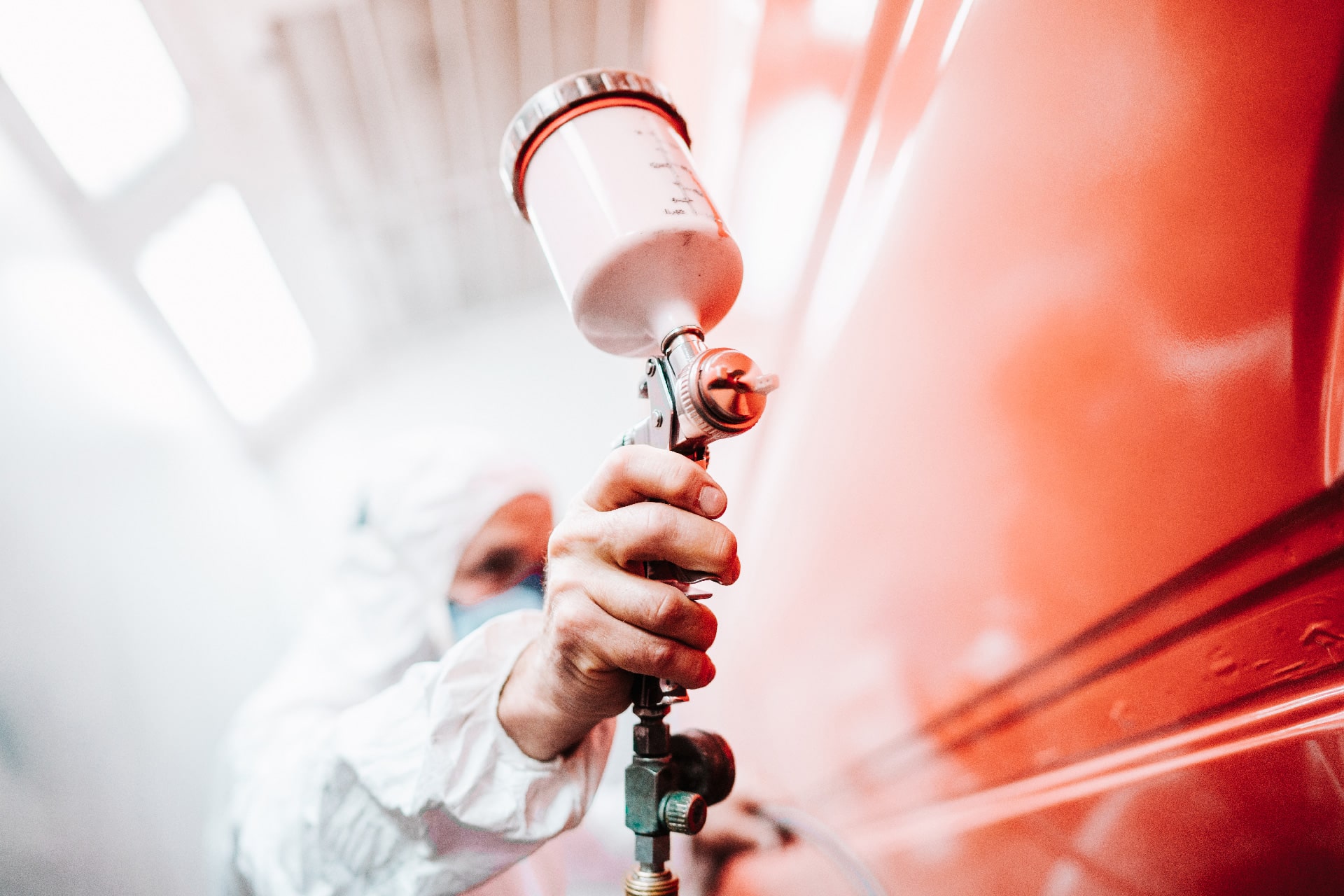
A full paint job varies based on preparation, paint grade, and finish. Auto body work of this scale involves removing trim, repairing imperfections, sanding, priming, spraying, and finishing. A proper paint job restores appearance, protects panels, and increases resale value. Prices for a full paint job typically range from $2,000 to $5,000, with high-end finishes or custom paint jobs costing upwards of $7,000.
What Impacts Auto Body Repair Costs in 2025
Labor Rates and Technician Expertise
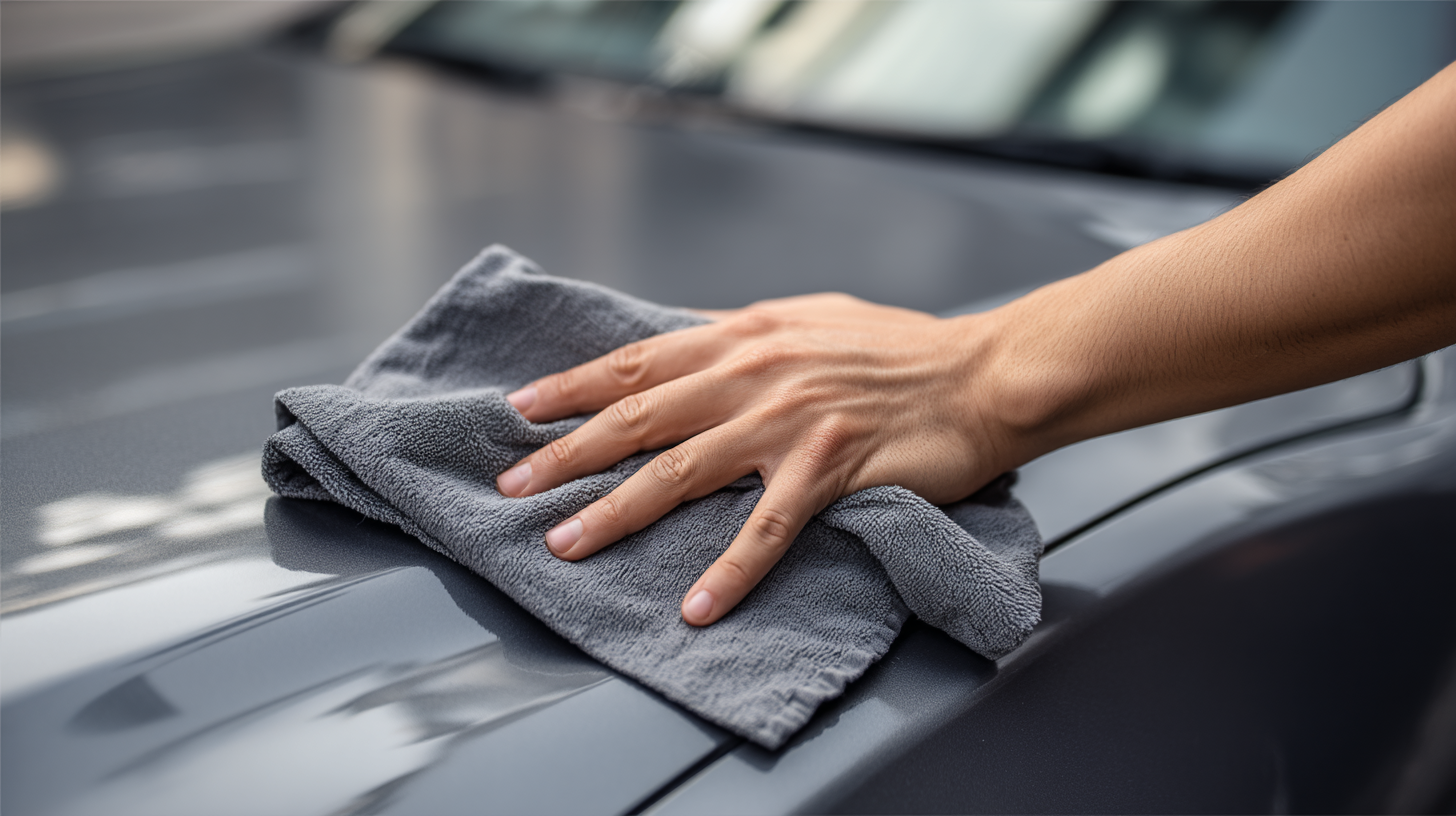
Labor rates remain one of the biggest factors in determining auto body repair costs. Skilled labor is essential because modern vehicles contain aluminum panels, mixed materials, and advanced safety features that require specialized training. Average body shop hourly rates vary by location, but many fall into predictable ranges when calculated per hour. Higher labor costs reflect the experience needed to handle collision repair, auto body work, and mechanical repairs found during teardown. Shops that invest in i car training and continuous education maintain quality repairs and protect your resale value. Choosing certified technicians helps save money long term because the repair is completed correctly the first time.
Parts Pricing and Material Costs
Auto body repair depends heavily on materials, and 2025 prices for paint, clear coat, and adhesives continue to climb. Aftermarket parts provide savings in some situations, but they do not always match OEM quality. Specialized parts for EVs or luxury models often increase repair costs because they require advanced tools and additional calibration. Paint damage and refinishing work require premium materials that can affect final pricing. Even light scratches may require paint blending into adjacent panels to achieve a perfect finish.
Vehicle Type and Build Complexity
Your vehicle type and vehicle make directly affect auto body repair costs. Luxury brands, EVs, and performance vehicles often need more skilled labor and longer labor hours. An older vehicle may cost less to repair, but not all repairs are cost effective due to parts availability. Most cars today have sensors inside bumpers, quarter panel areas, tail lights, and mirrors. These additions increase both repair time and higher costs, especially when bumper replacement or frame repairs are required.
Extent of Damage
Collision repair costs vary depending on whether the damage is cosmetic damage or structural. Minor damage such as a small dent or light scratches is typically affordable and fast to repair. However, deeper dents, a bent frame, or suspension damage require more labor hours and precise equipment. Frame damage, misalignment, or bent frames increase repair time and labor costs significantly. Even minor repairs can reveal hidden issues during teardown, so a professional estimate ensures accuracy and prevents surprises.
Insurance Coverage Factors
Your insurance company and insurance coverage can influence repair costs. Collision insurance, liability insurance, auto insurance, and comprehensive insurance all have different levels of coverage. Insurance cover requirements may affect parts selection and repair type. Some insurers approve aftermarket parts while others prefer OEM components. A reliable repair shop communicates clearly with your insurance provider to keep the process simple and to help you save money without lowering repair quality.
National Averages and Body Shop Hourly Rates
U.S. Labor Rate Ranges
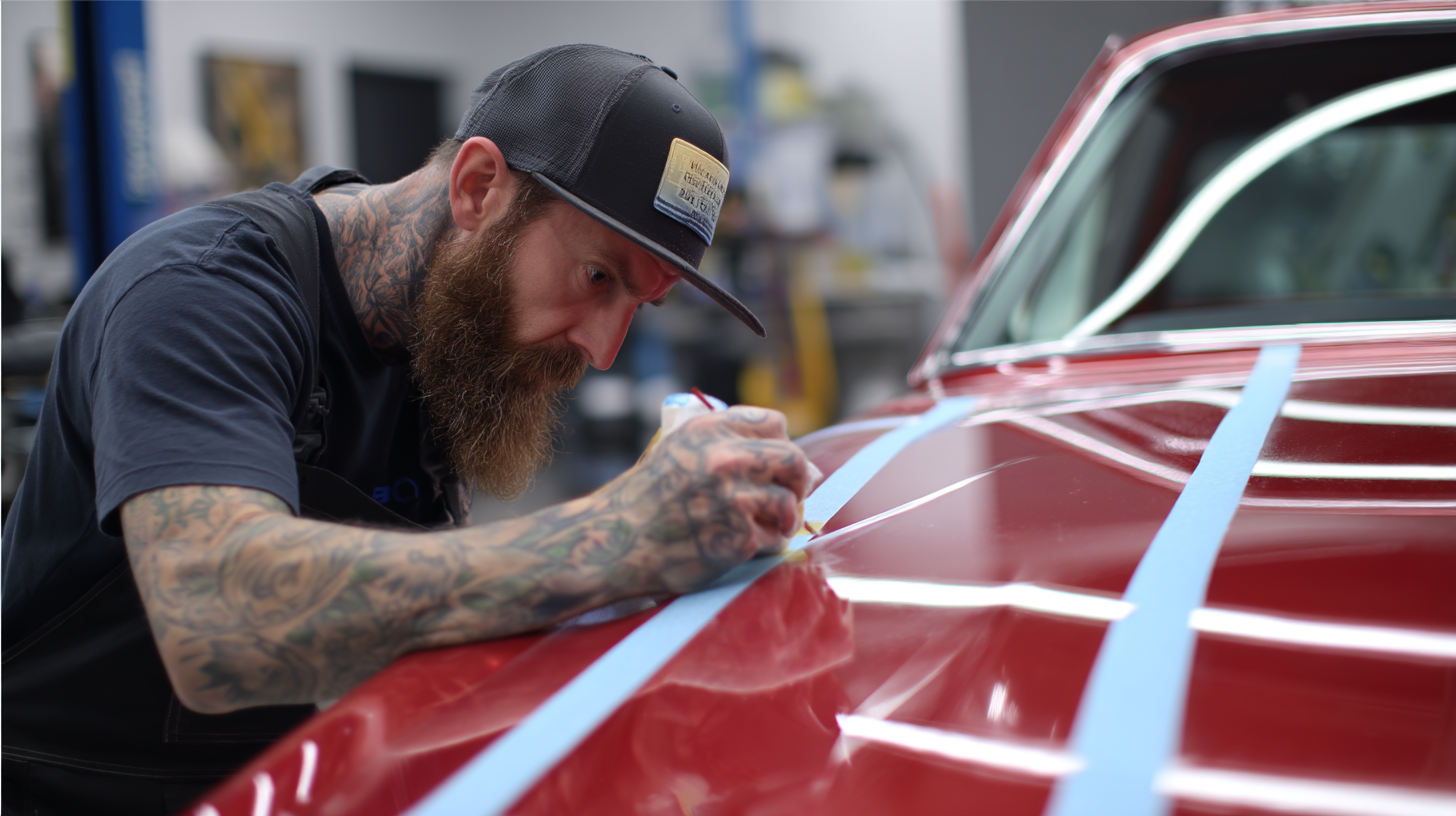
Labor rates vary by state, but most fall into predictable brackets per hour. Higher labor costs appear in urban areas or facilities with advanced technology. A reputable repair shop charges for the expertise needed to perform safe vehicle repairs. Skilled labor helps guarantee quality service and reduces the risk of future problems.
Diagnostic Labor Rates for Scanning and Calibrations
Modern auto body repair requires pre and post scanning to verify proper system function. ADAS calibration is essential for safety. These steps add to collision repair costs but ensure proper operation of features like lane departure warnings and emergency braking. Repair costs for calibrations depend on vehicle type and specialized parts.
OEM, Aftermarket, or Used Parts and Cost Differences
OEM Parts
OEM parts guarantee proper fit and performance. For safety related repairs, OEM components protect the vehicle as designed. A professional estimate often recommends OEM for newer vehicles.
Aftermarket Parts
Aftermarket parts offer lower pricing, which can help save money for out of pocket repairs. However, they may not always match original quality and sometimes require adjustments.
Used or Reconditioned Parts
Used parts can lower collision repair costs for an older vehicle. However, the repair shop must inspect quality. Reconditioned bumpers or wheels are common when appropriate.
Why Body Shop Prices Vary
Certifications and Training
Shops that invest in i car training or OEM programs provide higher accuracy. These qualifications affect pricing but support quality repairs that last.
Equipment and Technology
Frame machines, paint booths, and ADAS calibration tools all influence repair costs. Auto body work relies on precision equipment for safe results.
Warranty and Quality Guarantees
A shop that stands behind repairs with a meaningful warranty offers peace of mind. These guarantees help ensure quality repairs without unexpected issues later.
Repair Timelines and How They Influence Costs
Average Repair Time
Repair time depends on parts availability, vehicle type, and damage severity. Minor repairs take only a few days while major structural work may take several weeks.
Supply Chain Factors
Specialized parts and rare components can extend repair time. Auto body repair costs increase when the process requires additional labor hours or adjustments.
Unexpected Findings During Teardown
A rough idea of repair costs may change once hidden damage is exposed. A thorough inspection provides a more accurate estimate.
How to Get an Accurate Estimate and Avoid Overpaying
Why Written Estimates Matter
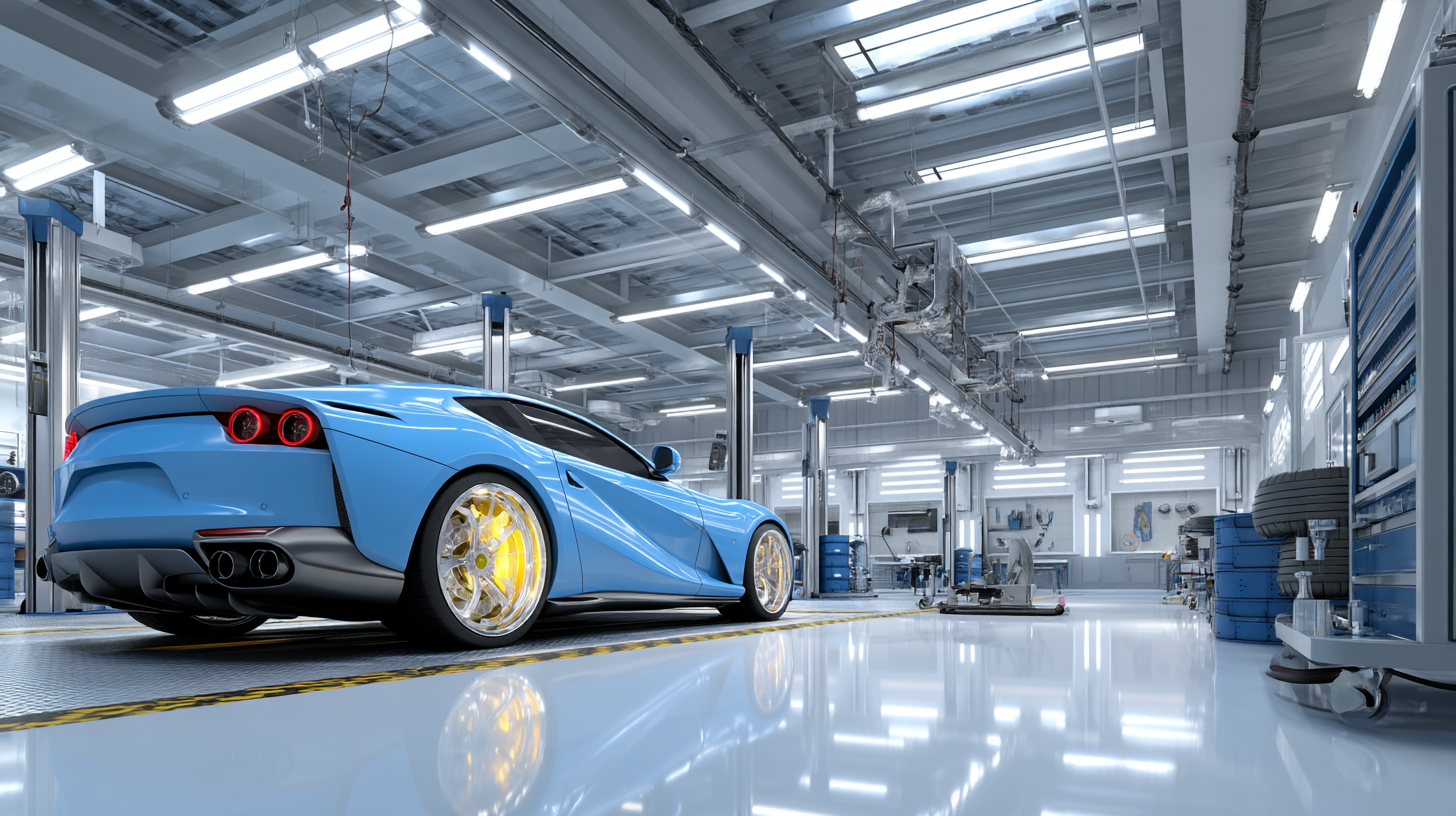
A written professional estimate outlines labor hours, parts, paint, scans, and any sublet services. It gives clarity and protects you from surprises.
What a Proper Estimate Should Include
A complete estimate includes parts pricing, labor rates, paint materials, and calibration needs. This transparency helps you compare repair shop options.
Red Flags to Watch For
If an estimate is too low, vague, or missing key details, it may lead to insufficient repairs. Choosing a trusted auto body shop prevents sacrificing quality for lower pricing.
Benefits of a Trusted Local Shop
Local shops offer personalized service, hands on communication, and accountability. These factors help ensure quality service in every stage of the repair.
Is It Cheaper to Pay Out of Pocket or Go Through Insurance
When Out of Pocket Makes Sense
For cosmetic damage or a small dent, paying out of pocket may be the most cost effective choice. This avoids potential increases in premiums.
When Insurance Is Better
For structural work, frame repairs, bumper replacement, windshield replacement, or mechanical repairs discovered during tear down, using your insurance cover is smarter.
How to Talk to Your Adjuster
A shop experienced with collision insurance communicates directly with your insurance provider, simplifies decisions, and ensures repairs match safety standards.
How Re Luxe Collision Provides Fair, Transparent Pricing
Our Estimate Process
We provide clear estimates so you know exactly how body shops charge and what affects repair costs.
Certified Technicians
Our technicians follow best practices to complete collision repair with precision and care.
Guidance on Parts and Repair Options
We explain OEM, aftermarket parts, and reconditioned choices so you can make informed decisions.
Support With Insurance
We work with your insurance company to make the process smooth and stress free. Contact our team for a free estimate.
Frequently Asked Questions
Why Do Estimates Differ?
Estimates vary because repairs require different materials, labor, and methods depending on the damage and vehicle. Each case is unique, which affects the overall cost.
Are Estimates Negotiable?
Estimates usually reflect fixed labor rates and parts prices, so they are not often negotiable. However, it’s always worth discussing with the repair shop.
Can Repairs Increase Value?
Proper repairs and matching paint help maintain or even improve your vehicle’s resale value. Quality work ensures your car looks and functions well.
Can You Choose Your Own Shop?
You have the right to select the repair shop you trust for your vehicle. Choosing a reputable shop helps ensure quality repairs.
Why Is Paint Expensive Now?
Paint costs have increased due to modern materials and the need for advanced blending techniques. These ensure a flawless and durable finish.
Can You Request OEM Parts?
Yes, it’s common and recommended to request OEM parts, especially for safety-related repairs. OEM parts ensure proper fit and performance.
Conclusion
Knowing how much do body shops usually charge helps you make confident decisions about auto body repair. Repair costs depend on several factors including vehicle type, repair type, labor rates, and parts selection. When you work with a shop that values accuracy and communication, you receive quality repairs that restore your vehicle and protect long term value. To get started, request your free estimate today.