
Will Insurance Cover Bumper Repainting After Collision?
A common question after an accident is simple: will insurance cover bumper repainting after collision? Many vehicle owners see paint damage on the front bumper after a crash and immediately wonder how their car insurance coverage applies. Even a low-speed hit can leave noticeable paint damage, scratches, or cracks that require professional repairs. When paint damage appears after a collision, the next concern is whether insurance will pay for the repairs or if the car owner must spend their own money.
The answer depends on the type of car insurance coverage in the insurance policy, the cause of the accident, and the deductible costs attached to the policy. In many cases, insurance covers the repainting when the paint damage comes from a covered collision claim. If the repair shop determines that paint work is required to restore the bumper and surrounding body panels, the insurance company may approve the repairs and pay most of the repair costs.
For car owners and vehicle owners, understanding how insurance works helps people make informed decisions after a crash. Insurance claims can seem confusing at first, but knowing what the insurance policy includes makes the process easier. In the sections below, we explain how car insurance works, when insurance coverage applies, and how a good body shop helps restore a car after paint damage to the front bumper.
Does Car Insurance Cover Bumper Repainting?
Car insurance can cover bumper repainting when the paint damage happens during an accident and the repairs are part of an approved claim. In most cases, insurance covers necessary repairs that restore the car to the condition it was in before the collision.
If the front bumper is scratched or cracked after a crash, the repair shop often needs to perform paint work to match the car’s paint and restore the damaged areas. Insurance companies usually evaluate the repair estimate and determine whether the paint work is required to fix the car damage.
If the paint damage occurred because the vehicle hit another car or object, collision insurance may apply. Collision coverage pays for repairs when a vehicle is involved in a crash or collision with another vehicle, object, or barrier. If collision coverage pays for the repairs, the insurance company typically covers the repair costs after the deductible is applied.
However, insurance companies will review the claim carefully. Insurance does not usually cover normal wear, fading paint, or scratches that existed before the accident. Insurance also may not cover pre-existing damage that was not caused by the reported crash. That is why the claim process always includes an inspection to determine which paint damage came from the accident and which damage came from normal wear.
What Type of Insurance Covers Bumper Repainting?
Different types of car insurance coverage can apply when a bumper needs repairs after a collision. Understanding these coverage types helps vehicle owners choose the right coverage and understand how insurance claims work.
Collision Coverage
Collision coverage is the most common type of insurance coverage used after an accident. Collision coverage pays for repairs when a vehicle hits another car, a pole, a wall, or any other object. If the front bumper is damaged after the car hit something, collision coverage pays for the repair costs that restore the damaged bumper and surrounding body panels.
Collision insurance can also apply if a driver hits a curb or barrier and causes paint damage. When the repair shop prepares the estimate, the insurance company reviews the repair costs and determines whether the repairs fall within the coverage limits of the insurance policy. Collision coverage pays once the deductible has been applied to the claim.
Property Damage Liability
If another driver is at fault in a crash, their car insurance policy may cover the repairs to your vehicle. Their insurance company may pay the repair costs that restore the bumper and the rest of the vehicle. In these situations, vehicle owners may not need to pay a deductible because the claim is processed through the other driver’s insurance coverage.
The insurance claim process usually begins by filing a claim with the at-fault driver’s insurance company. Once the insurance company reviews the crash and accepts fault, they may approve the repairs and pay the repair shop directly.
Comprehensive Coverage
Comprehensive coverage is another type of auto insurance that can apply when paint damage happens outside of a typical collision. Comprehensive coverage pays for repairs when the damage comes from events such as vandalism, falling debris, or storm damage.
If a branch falls on the front bumper and causes paint damage, comprehensive insurance may cover the repairs. Comprehensive coverage pays for damage caused by events other than a crash with another vehicle. Comprehensive coverage usually requires a deductible just like collision insurance.
When comprehensive coverage pays for the repairs, the insurance company reviews the repair costs and determines how much insurance money will be paid for the claim.
Collision and comprehensive coverage together provide strong protection for a car. Many vehicle owners choose collision and comprehensive coverage because it protects the whole vehicle from many types of damage.
When Insurance Usually Will Not Cover Bumper Repainting
Although insurance covers many types of car damage, there are situations where insurance may not cover bumper repainting.
Normal Wear and Tear
Insurance usually does not cover paint damage that results from normal wear. Over time, the car’s paint may fade, chip, or show small scratches. Insurance companies consider these issues maintenance rather than accident damage.
Because of this, insurance may not pay for a paint job that corrects fading paint across the whole car or a complete repaint caused by age.
Pre-Existing Damage
Insurance companies also review whether the bumper had paint damage before the accident. Insurance policies do not cover pre-existing damage. If the inspection shows scratches or damage that existed before the crash, the insurance company may decline to cover those repairs.
Insurance companies rarely cover pre-existing damage because the insurance policy only applies to new damage caused by the reported accident. A repair shop will usually mark the damaged areas that were caused by the crash to help the insurance company determine what repairs qualify.
Repair Costs Below the Deductible
Even when insurance covers the damage, the deductible still applies. If the repair costs are lower than the deductible costs, the insurance company may not pay any insurance money toward the repairs.
In these situations, car owners may choose to pay for the repairs using their own money rather than filing a claim.
Does Insurance Pay for Bumper Repainting if You Are Not at Fault?
When another driver is responsible for the accident, their insurance company may pay for the repairs to your vehicle. If the crash caused paint damage to the front bumper, the other driver’s car insurance coverage may cover the repair costs.
In this type of claim, the insurance company investigates the accident to determine fault. Once fault is established, the insurance company may approve the repairs and pay the repair shop directly. In many cases, vehicle owners do not need to pay a deductible when the other driver’s insurance covers the claim.
Some drivers still choose to use their own collision coverage first to get their car fixed faster. Their insurance company may pay for the repairs initially and later recover the money from the at-fault insurance company. This process helps vehicle owners get the repairs completed quickly while the insurance companies resolve the claim behind the scenes.
How Insurance Companies Decide Whether to Cover Bumper Paint Repairs
Insurance companies review several factors before approving repairs for a claim. The claim process usually begins with a detailed inspection of the vehicle.
Damage Inspection
An insurance adjuster reviews the car damage and documents the paint damage on the bumper and surrounding body panels. The adjuster may inspect the vehicle in person or review photos submitted during the claim process.
The inspection helps the insurance company determine whether the crash damage matches the reported accident.
Repair Versus Replacement
In some cases, the bumper can be repaired and repainted. In other cases, the bumper may need to be replaced if the damage is severe.
If a replacement is required, the repair shop may install aftermarket parts instead of original parts depending on the insurance policy. Aftermarket parts help reduce repair costs but still restore the vehicle safely.
When aftermarket parts are used, the bumper will still need paint work to match the rest of the whole car. The repair shop prepares the surface and applies paint that matches the car’s paint color so the repaired area blends with the whole vehicle.
Paint Matching and Refinishing
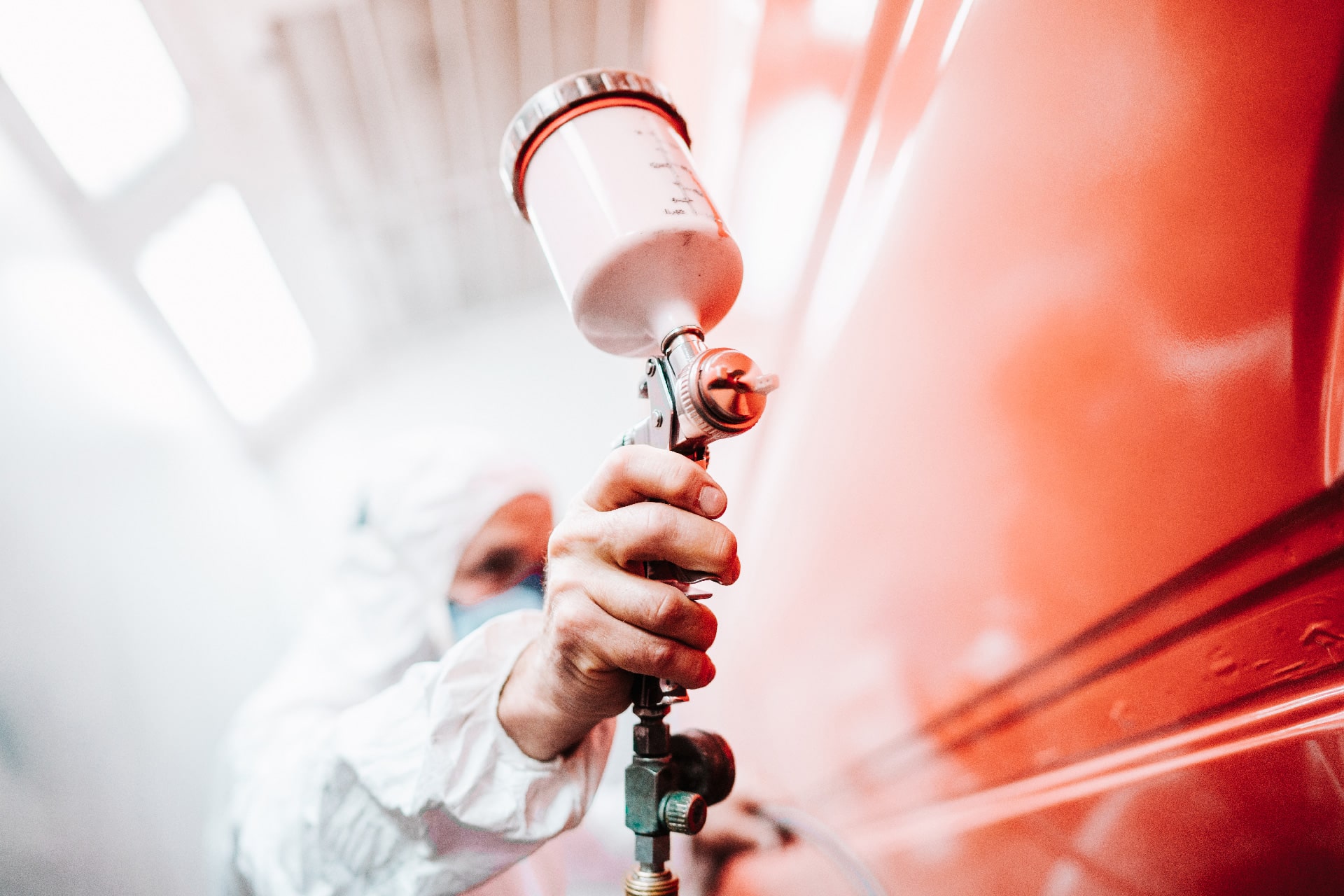
Professional repair shops use advanced paint systems to match the car’s paint accurately. Modern paint contains metallic layers and protective coatings that protect the surface from weather and road debris.
Matching the car’s paint requires proper preparation and skilled technicians who can blend the paint across nearby body panels.
A good body shop may blend paint across one panel or multiple body panels to ensure the color matches the whole vehicle. This step helps prevent noticeable differences between the repaired bumper and the rest of the car.
How Much Does Bumper Repainting Cost Without Insurance?
The cost of repainting a bumper can vary widely depending on the vehicle and the amount of damage. Minor paint damage may require a simple repair and paint job on one panel.
More severe damage may require bumper repairs, sanding, priming, and repainting the entire front bumper.
Repair costs can increase if the bumper must be removed or replaced before paint work begins. The repair shop may also need to repaint nearby body panels so the paint blends properly across the whole car.
Vehicle owners sometimes consider paying for the repairs using their own money if the repair costs are close to the deductible. In some situations, filing a claim may not be worthwhile if the insurance cost increase outweighs the repair cost.
Should You File an Insurance Claim for Bumper Paint Damage?
Deciding whether to proceed with filing a claim requires careful consideration. Vehicle owners should review their insurance policy and compare repair costs with the deductible.
Compare the Repair Cost to the Deductible
If the repair costs are higher than the deductible, insurance coverage may help reduce the amount of money a car owner must pay. If the repair costs are lower than the deductible, the insurance company may not pay anything toward the claim.
Consider Future Insurance Cost
Some drivers worry about higher rates after filing a claim. Although each insurance company handles claims differently, some claims may affect the insurance cost depending on the situation and fault involved in the accident.
Get an Estimate from a Good Body Shop
Getting an estimate from a good body shop helps vehicle owners understand the full repair costs. A good body shop can identify hidden crash damage and provide a clear repair estimate.
The estimate also helps the insurance company review the claim and determine what insurance coverage applies.
The Insurance Claim Process for Bumper Repair
The claim process can feel complicated at first, but most insurance claims follow a similar process.
Step 1 | Assess the Damage
After the accident, inspect the car and take photos of the paint damage on the bumper and other body panels. Documenting the damage helps support the claim.
Step 2 | Contact the Insurance Company
Contact the insurance company and report the accident. The representative will start the claim process and provide a claim number for reference.
Step 3 | Schedule an Inspection
The insurance company may request photos or send an adjuster to inspect the vehicle. The inspection helps determine whether the repairs qualify for insurance coverage.
Step 4 | Choose a Repair Shop
Vehicle owners have the right to choose their repair shop. Choosing a trusted body shop helps ensure the repairs are completed correctly.
A professional body shop can work directly with the insurance company to simplify the process.
Step 5 | Complete the Repairs
Once the insurance company approves the estimate, the repair shop begins the repairs. Technicians repair the damaged bumper, perform paint work, and restore the vehicle so it looks and performs like it did before the crash.
Why Professional Bumper Repainting Matters After a Collision
Professional repairs protect the vehicle and help maintain the value of the whole car. Poor paint work can lead to peeling paint, uneven color, and other problems that affect the appearance of the vehicle.
Precision Paint Matching
Professional technicians match the car’s paint using specialized paint systems. This process ensures the repaired bumper blends with the rest of the whole car.
Proper Surface Preparation
Before applying paint, the technicians clean, sand, and prime the bumper surface. Proper preparation helps the paint bond to the bumper and protect the surface.
Durable Paint Finish
A professional paint job includes protective coatings that protect the bumper from sunlight, moisture, and road debris. These coatings help protect the repaired areas and extend the life of the paint.
Long Term Protection
Quality repairs protect the bumper and the surrounding body panels from corrosion and future paint damage. A professional repair shop ensures the repairs meet manufacturer standards and insurance requirements.
What to Do if Your Bumper Was Damaged in a Collision
If your bumper was damaged in an accident, taking the right steps can help speed up the claim process and protect your vehicle.
First, document the car damage and gather information about the crash. Next, contact your insurance company to start the claim process and receive a claim number.
After reporting the accident, schedule an estimate with a trusted body shop.
A good body shop will inspect the vehicle, identify the damaged areas, and determine what repairs are necessary. The repair shop may work directly with the insurance company to review the estimate and confirm the coverage limits of the insurance policy.
This cooperation helps simplify insurance claims and ensures the repairs are completed properly.
If the insurance company approves the repairs, the repair shop will fix the bumper and restore the car’s paint so the vehicle looks like it did before the crash.
In some situations, the insurance policy may also cover a rental car while the repairs are being completed. Rental car coverage can help drivers continue their daily routine while the vehicle is in the repair shop.
FAQs About Insurance and Bumper Repainting
Will insurance pay for scratches on a bumper?
Insurance may pay for scratches on a bumper if the paint damage occurred during a covered accident or collision. If the scratches come from normal wear, the insurance policy may not cover the repairs.
Does insurance cover bumper repainting after a minor accident?
Yes, car insurance may cover bumper repainting after a minor accident if the paint damage occurred during the crash and the repair costs exceed the deductible.
Will filing a claim increase insurance rates?
Some insurance companies may raise premiums after certain claims. However, the outcome depends on fault, policy details, and the claim history of the driver.
Can a bumper be repaired instead of replaced?
Many bumpers can be repaired if the damage is limited to one panel or small cracks. Severe crash damage may require replacement followed by repainting.
How long does bumper repainting take?
The repair process may take one to three days depending on the damage. If the repairs involve replacing the bumper or repainting multiple body panels, the process may take longer.
Get a Professional Bumper Repair Estimate
If your bumper was damaged in an accident, getting a professional estimate helps you understand the repair costs and insurance coverage options.
A trusted repair shop can inspect the vehicle, document the paint damage, and guide you through the insurance claims process. Professional technicians can fix the bumper, match the car’s paint, and restore the whole vehicle safely.
Working with a trusted body shop also helps simplify communication with the insurance company. Technicians can work directly with insurance adjusters, confirm the repair costs, and ensure the necessary repairs are completed correctly.
If your car needs bumper repairs after a collision, schedule an estimate today and let experienced technicians restore your vehicle with precision paint work and reliable repairs.