
What do I need to do about a salvage or rebuilt title inspection before re-registering a repaired vehicle in California? You generally need to complete the necessary repairs, obtain a California DMV or California Highway Patrol vehicle identification inspection, pass the required vehicle safety systems inspection, and submit your registration paperwork and fees. California calls this process revived salvage registration. A repaired salvage vehicle cannot return to normal highway use until it meets the applicable registration requirements.
If your salvage vehicle is sitting in your Sacramento driveway after repairs, you may wonder what is still required before driving it again. Completing the bodywork is only part of the process. The state must verify the vehicle and receive the required safety inspection results before registration can be completed.
What Does a Salvage or Rebuilt Title Mean in California?
A salvage title means a vehicle was reported as a total loss by its owner or insurance company, while a revived salvage vehicle has been rebuilt and registered for road use again. California uses the term revived salvage rather than the commonly used phrase rebuilt title.
A total-loss decision is usually based on the vehicle’s damage, value, and applicable insurance rules. It does not always mean the vehicle is physically impossible to repair.
California also uses the term revived junk for vehicles previously reported as dismantled and later restored. Revived junk applications have related but different ownership document requirements.
A nonrepairable vehicle is another legal category and cannot simply be registered as revived salvage.
If your vehicle was recently declared a total loss, our article on what happens after a vehicle is declared a total loss explains the earlier stage of the process.
What Are the Steps to Re-Register a Salvage Vehicle in California?
Re-registering a salvage vehicle generally involves three stages: completing repairs, passing required inspections, and submitting the DMV registration application. Each stage produces information needed for the next.
Here is a simple overview of the process.
| Stage | What You Need | Purpose |
|---|---|---|
| 1. Vehicle repair | Completed repairs and supporting parts documentation | Restore the vehicle to safe operating condition |
| 2. Required inspections | DMV or CHP vehicle verification and applicable VSSI certification | Verify vehicle identity and required safety systems |
| 3. DMV registration | REG 343, ownership documents, inspection records, and applicable fees | Obtain revived salvage registration and a branded title |
Additional documents or inspections may apply depending on ownership history, vehicle type, and emissions requirements. Confirm the current checklist through the California DMV revived salvage registration guide.
What Repairs Must Be Completed Before a Salvage Inspection?
A salvage vehicle must be restored to safe operating condition before it can be registered for normal road use. The required repairs depend on what was damaged in the accident.
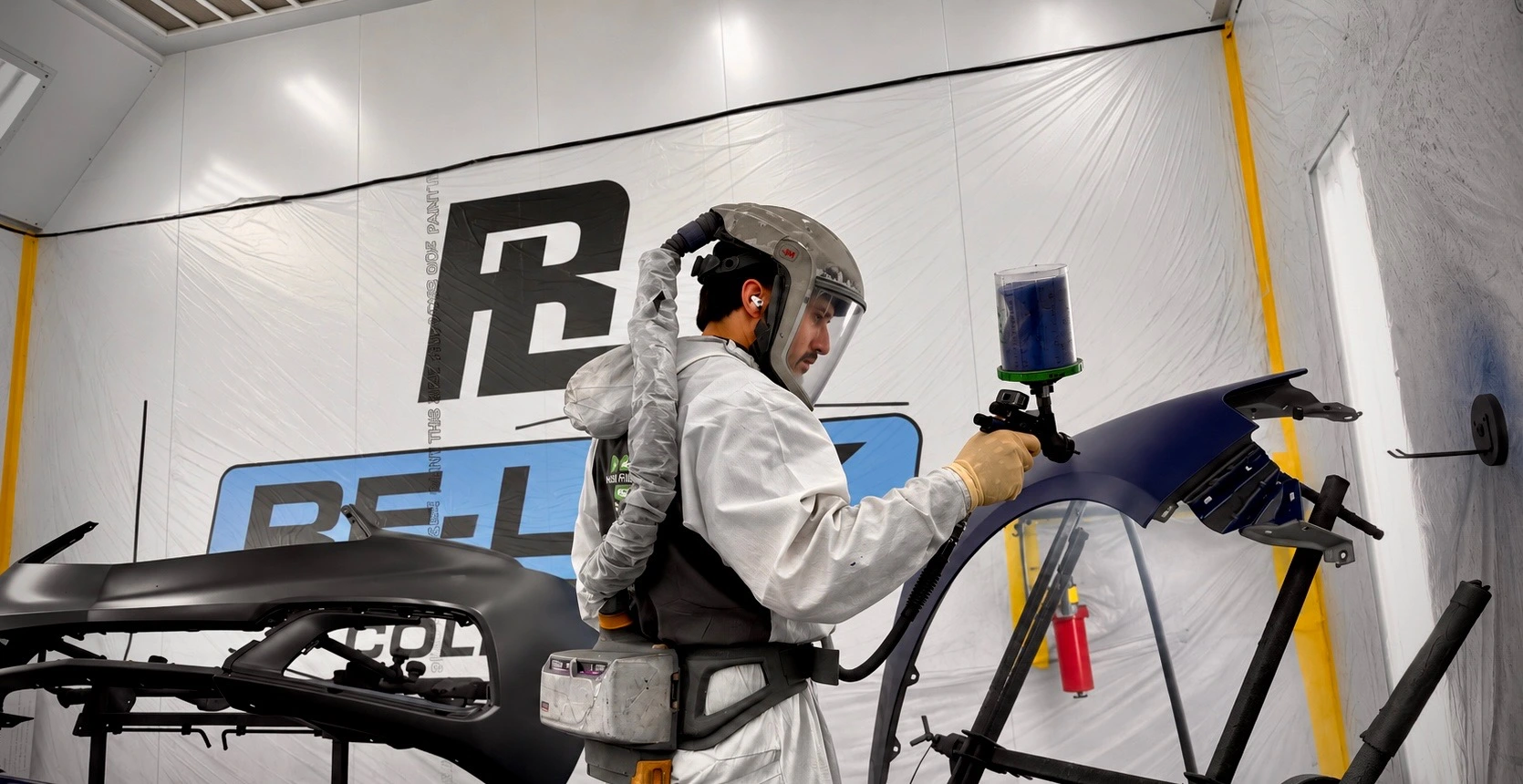
For example, a vehicle that needed collision repair in Sacramento after a front-end impact in Elk Grove may need structural repairs, replacement body panels, properly installed airbags, and functioning lighting systems.
Important repair areas may include:
- Structural damage: Damaged frame rails or unibody sections must be repaired using appropriate procedures.
- Safety equipment: Airbags, seat belts, and other required safety equipment must function properly.
- Braking and lighting: These systems must meet applicable inspection requirements.
- Collision components: Damaged bumpers may need professional bumper repair in Sacramento, along with mounting structures and related parts addressed as needed.
Keep invoices and receipts for replacement components, especially major parts obtained from other vehicles. These records can become important during identity verification.
What Happens During a DMV or CHP Salvage Vehicle Inspection?
A California DMV or CHP salvage inspection checks the vehicle’s identity and related records before it can be re-registered. This is separate from a body shop’s repair inspection.
An authorized DMV employee may verify the vehicle, or DMV may refer it to the California Highway Patrol for a more detailed inspection.
The inspection may involve checking the vehicle identification number, commonly called the VIN, and reviewing supporting ownership and parts records.
CHP inspections also help identify stolen vehicles or stolen replacement components.
The inspection is documented using a Verification of Vehicle form, REG 31, or a CHP Certificate of Inspection, CHP 97C. A CHP 97C generally replaces the need for a separate REG 31.
California requires its own inspection for revived salvage registration. An inspection performed in another state does not replace the required California verification.
What Brake and Light Inspections Are Required in California?
California generally requires an electronic Vehicle Safety Systems Inspection certificate for revived salvage passenger vehicles, replacing the older paper brake and light certificate process. The program is commonly called VSSI.
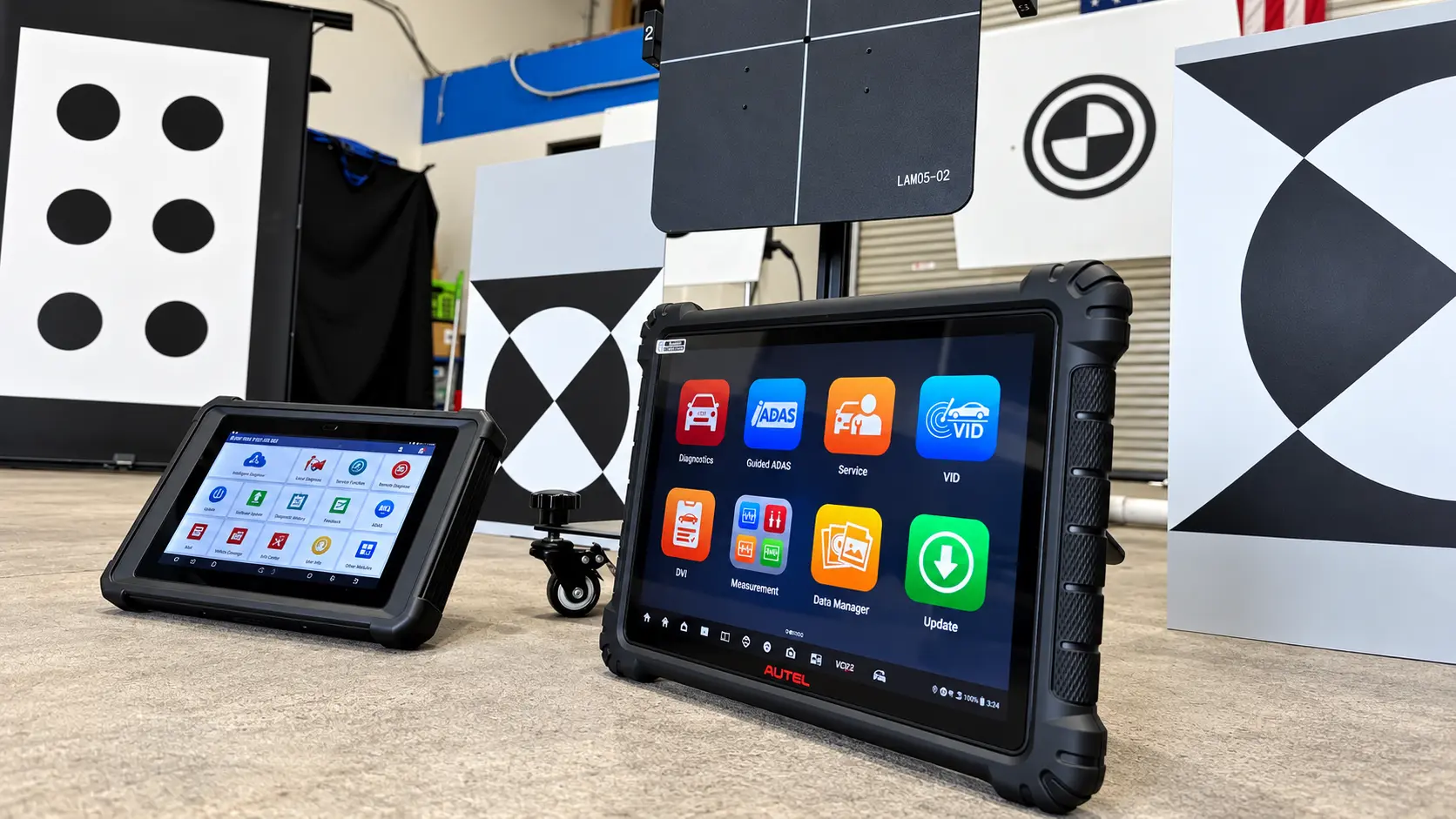
The inspection checks applicable vehicle safety systems, including brakes and lighting, through an authorized inspection facility.
Since December 27, 2024, California has used electronic VSSI verification for the affected registration transactions. New paper brake and lamp certificates are no longer accepted for those transactions.
This distinction matters because older online guides may still tell you to obtain separate paper brake and light certificates.
Check the current requirements through the California Bureau of Automotive Repair and confirm that your inspection provider is authorized for the required service.
What Paperwork Do You Need to Register a Revived Salvage Vehicle?
California generally requires an Application for Title or Registration, proof of ownership, vehicle verification, the required safety inspection record, and applicable fees to register a revived salvage vehicle. Some applications need additional documents.
Prepare these items before your DMV appointment:
- REG 343 application: Complete the Application for Title or Registration with the required vehicle and owner information.
- Proof of ownership: Provide the applicable salvage certificate, title, bill of sale, or other accepted ownership documents.
- Vehicle verification: Submit the required REG 31 or CHP 97C inspection record.
- Safety inspection record: Obtain the required electronic VSSI certification.
- Additional documents: Provide smog certification, applicable statements, or other paperwork if DMV requires them.
- Registration fees: Pay the applicable inspection, registration, title, and other required fees.
A previously junked vehicle may require a DMV junk receipt instead of the ownership documents used for an ordinary revived salvage application.
Fees and requirements can change, so confirm the current amounts directly with DMV rather than relying on an older online estimate.
How Long Does Salvage Re-Registration Take in California?
Salvage re-registration can take several weeks after repairs are finished, depending on inspection appointments, document completeness, and DMV processing. Around four to six weeks may be a useful planning estimate, but it is not a guaranteed timeline.
For Sacramento and Rancho Cordova drivers, appointment availability can affect how quickly inspections move forward.
If DMV refers your vehicle to CHP, you may need an additional appointment. The CHP Valley Division has a salvage inspection office in Rancho Cordova.
Missing ownership documents, incomplete inspection records, or problems with replacement parts can also delay registration.
Contact DMV early to confirm what your particular application requires before scheduling inspections.
Does the Salvage Brand Stay on the Title Permanently?
A revived salvage vehicle keeps its salvage history on its California title even after repairs and successful re-registration. Completing the inspection process does not restore an ordinary clean title.
California identifies previously salvaged vehicles through title branding. Future buyers can use this information when reviewing the vehicle’s history.
The brand may affect resale value because buyers often consider prior collision damage when comparing vehicles.
Insurance availability can also differ. Some insurers offer limited coverage for revived salvage vehicles or require additional review before providing certain coverage types.
Before spending money rebuilding a vehicle, ask your insurer what coverage may be available once registration is complete.
Frequently Asked Questions
How do I register a rebuilt salvage car in Sacramento?
To register a rebuilt salvage car in Sacramento, complete the repairs, obtain California vehicle verification, pass the required safety systems inspection, and submit your application and supporting documents to DMV. The vehicle must meet all applicable requirements before normal road use.
Can I drive a salvage vehicle to an inspection in Elk Grove?
Driving a salvage vehicle to an inspection in Elk Grove requires proper legal authorization, such as an applicable DMV permit. Do not assume the vehicle can be driven on public roads without registration. Ask DMV about permit eligibility or arrange transportation.
Does CHP inspect every rebuilt salvage vehicle in Carmichael?
CHP does not necessarily inspect every rebuilt salvage vehicle from Carmichael. Some vehicles receive verification through an authorized DMV employee, while others are referred to CHP. DMV determines the appropriate inspection process.
Do I still need brake and light certificates in Folsom?
For a revived salvage vehicle in Folsom, California generally now uses electronic Vehicle Safety Systems Inspection certification instead of separate paper brake and light certificates. Confirm the current requirements with DMV or an authorized inspection provider.
Can an out-of-state salvage inspection be used in Rancho Cordova?
An out-of-state salvage inspection does not replace California’s required vehicle verification for revived salvage registration in Rancho Cordova. Previously salvaged vehicles brought from another state are generally referred to CHP for inspection before registration.
Will my rebuilt salvage car receive a clean title in Sacramento?
A rebuilt salvage car in Sacramento will not receive an ordinary clean title after re-registration. California retains the salvage brand in the vehicle’s title history. This can affect resale value and insurance options.
Can a collision repair shop help with salvage paperwork in Sacramento?
A collision repair shop in Sacramento can help by providing repair invoices, parts information, and available documentation of completed work. The DMV and authorized inspection agencies handle official verification and registration. Ask Re-Lux Collision about documentation related to your repair.
Prepare Your Salvage Vehicle for Inspection and Re-Registration
Re-registering a salvage vehicle in California requires completed repairs, state vehicle verification, the applicable safety inspection, and the correct DMV paperwork. Preparing repair and parts records early can help reduce delays. The revived salvage brand will remain part of the vehicle’s history even after registration.
DMV forms, fees, and inspection procedures can change. Confirm the requirements for your specific vehicle directly with the California DMV before submitting your application.
If you are repairing a salvage vehicle and have questions about the bodywork or documentation needed for the next steps, contact our Sacramento auto body shop, Re-Lux Collision. We serve Sacramento, Elk Grove, Carmichael, Folsom, Rancho Cordova, and surrounding communities. Call (916) 240-2000 or visit 6580 Asher Ln Ste 300, Sacramento, CA 95828 to discuss your vehicle’s repair needs and available records.