

A warranty feels like a safety net right up to the moment you need one. Then you read the terms and see how much smaller the net is than you thought. These warranties aren’t weak, and most cover real ground. The catch is that the word on the certificate tells you far less than the conditions printed under it, and that’s the part nobody reads until it’s too late.
Key Takeaways
- If it isn’t in writing, it isn’t a warranty. The document controls, not the sales pitch and not the word “lifetime” on the front.
- A shop warranty usually covers the shop’s own labor. The parts bolted to your car carry their own coverage from whoever made them.
- Most follow the original owner and expire when the car is sold, so if you might sell, read that clause first.
Your car comes back looking right, you sign the forms, and the warranty goes into the glovebox untouched. Months pass. Then a panel starts to bubble, or a repaired section no longer sits flush, and all at once that folded-up paperwork is the only thing you care about.
A good auto body repair shop does stand behind its work. That backing comes wrapped in specific conditions rather than a blanket promise, and the time to learn them is before something fails, not after.
Understanding a Limited Lifetime Repair Warranty
The word “lifetime” does a lot of quiet work here, and it rarely means forever. In most collision warranties, it points to the life of your ownership, so coverage holds as long as you own the repaired car. Sell it, and the clock usually stops that day.
That’s why you’ll almost always see these written as limited-lifetime warranties. The “limited” part isn’t a catch; it’s a description. It’s saying coverage applies to defined work under defined conditions, all of it spelled out in the written document.
Understanding Warranty Coverage for Paint Work
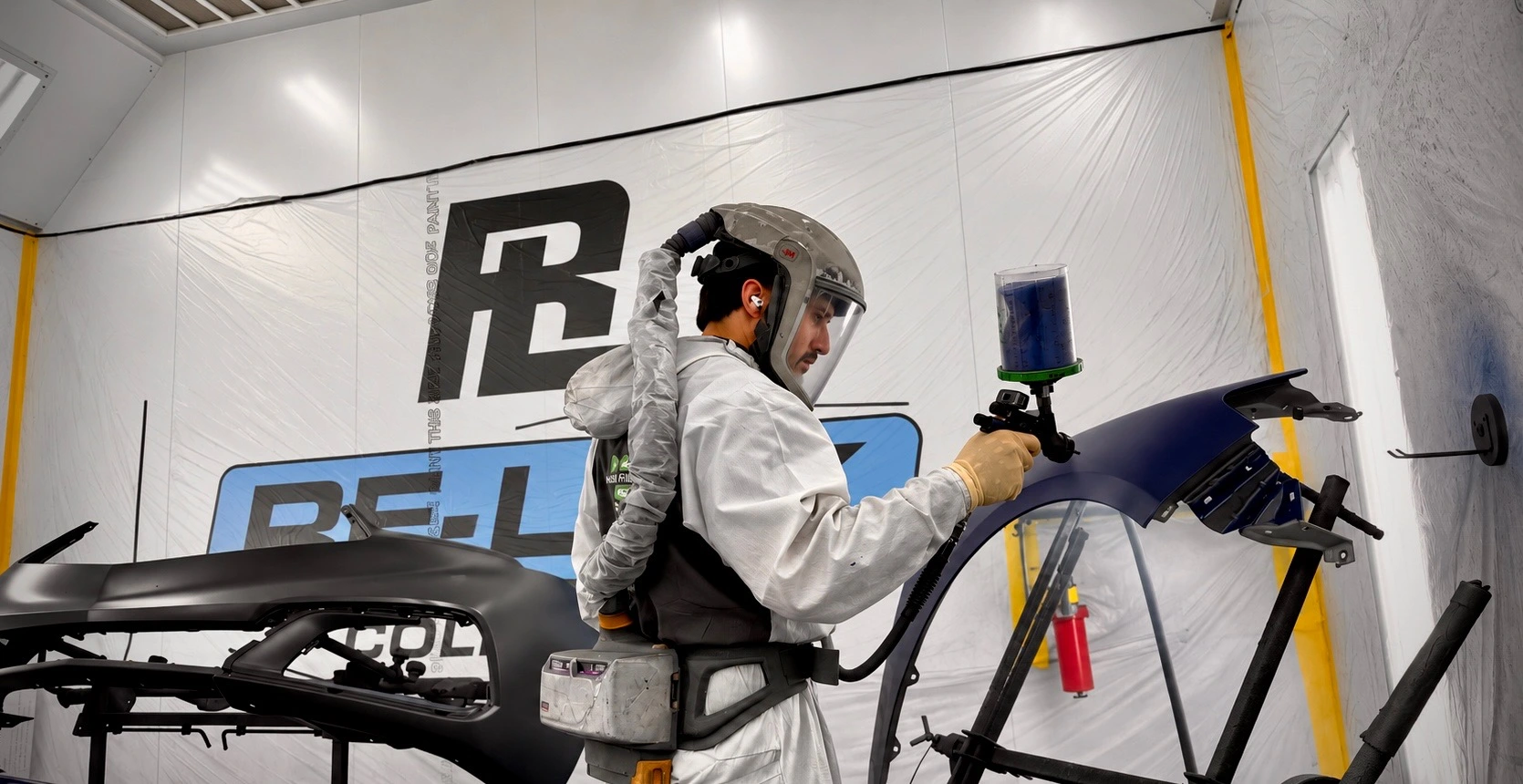
Refinishing is where most warranty questions land, since paint trouble tends to surface over months rather than at pickup. An artistry warranty on paint covers failures that trace back to how the refinishing was done, not the rock chip you pick up on the freeway.
Read that part slowly, because paint coverage is narrower than people expect.
Common paint items to check:
- Peeling or delamination of the clear coat or paint layers
- Whether coverage applies only to refinished areas
- What counts as excluded wear, like chips from road debris
Parts Warranties vs. Labor Warranties
Two separate promises live inside most repairs, and they come from two places. The shop stands behind its labor, meaning the install and the bodywork. The parts, though, carry their own warranty from whoever made them, a different document with different terms.
That gap matters the moment something breaks. A part that just fails might be a manufacturer issue, while a part fitted wrong lands back on the shop. Ask straight out where the shop’s labor ends and the part maker’s begins. Those two lines rarely meet cleanly.
Ownership, Duration, and Transferability
Here’s the section people skim and later regret. No two warranties address this the same way. One lasts as long as you own the car. Another runs a set number of years. A third might carry over to whoever buys the car after you, though plenty won’t.
Many shop warranties lock to the original owner and end the day the car changes hands. Some don’t work that way at all. The only way to be sure is to read the actual document rather than assume.
Worth confirming in writing:
- How long the coverage actually runs
- Whether it depends on you staying the owner
- Whether it transfers to a future buyer or ends at sale
Training, Repair Quality, and I-CAR Gold Class
There’s a real difference between a shop fixing a problem after it shows up and a shop being sharp enough that it doesn’t show up at all. A warranty covers the first. Good training shifts the odds on the second. Take I-CAR Gold Class. It’s a training credential, meaning a shop’s technicians have completed the current coursework for the repair roles it defines and must redo it yearly.
That isn’t trivia. Newer cars blend high-strength steel, aluminum, and structural adhesive into a single panel, and getting a repair right requires current know-how. A credential still isn’t a warranty, though, and it won’t stretch one by a day.
Red Flags to Watch for in Vague Warranties
Not every warranty lives up to how confident it sounds. A promise made out loud with nothing on paper is the loudest warning, because a warranty you can’t read is one you can’t enforce.
A few things that should make you ask more questions:
- A warranty offered out loud but never put in writing
- Terms that never spell out what is covered or excluded
- No mention of how long coverage lasts or what ends it
A thin warranty doesn’t automatically mean a shop is cutting corners. The coverage is just weaker than it sounds, and you’re better off knowing while you can still walk away, not after your signature is on the form.
Where This Leaves You as a Driver
A warranty is worth about as much as the terms you actually understood the day you signed. Spend five minutes reading them and vague protection becomes something you can hold the shop to. Keep the paperwork somewhere you’ll find it, and treat that written document as the deal, because it is.
Relux Collision stands behind its repairs with a limited lifetime warranty that lasts as long as you own the vehicle, and the written terms spell out what’s covered. If you’d rather talk through the repair and warranty in person, asking for a free estimate is an easy way to get started.