
A wreck knocks your whole day off the rails. Now you’re standing over a banged-up car, stewing about safety and the bill in the same breath. The good news is that affordable doesn’t have to mean cheap or unsafe. This post walks through how pricing, estimates, insurance, and repair quality work so you can manage costs effectively.
Key Takeaways
- Affordable auto body repair is about smart choices and clear estimates, not about cutting corners on safety.
- The first estimate can change once a shop removes panels and finds hidden damage.
- Proper safety and calibration checks matter as much as how the car looks when it’s done.
The minutes after a crash all blur into one. Once everyone’s safe and the cars off the road, the stress rolls on, because now your mind jumps to how much this is going to cost. It’s a fair worry, and you’re not wrong to have it.
Worth knowing, though, is the catch hiding in there. Affordable doesn’t mean settling for a sketchy fix. A good shop offering affordable auto body repair keeps prices down through honest estimates and smart parts choices, not by skipping the work that keeps you safe.
Knowing how collision repair in Sacramento actually works puts you in control. Once you understand the estimate, the parts, and the safety checks, you can keep costs down without gambling on quality. Here’s what to expect, step by step.
Visual Inspection and Damage Documentation
It starts with a careful look. A shop photographs the car and writes down everything they can see: dents, scratches, panel gaps, bumper damage, busted lights, and any obvious alignment issues. This documentation is the foundation for the estimate and for the insurance claim.
The more thorough this first pass, the fewer surprises later. Photos protect both you and the shop.
What gets documented up front:
- Visible dents, scratches, and creased panels
- Bumper damage and uneven panel gaps
- Broken or misaligned lights
- Obvious signs the car sits crooked
Why the First Estimate May Change After Teardown
Here’s a part that trips up a lot of people. That first estimate covers what’s visible, yet plenty of damage tucks itself behind the panels. Once the shop pulls the bumpers, trim, or body panels, they often find more: bent brackets, cracked mounts, damage you couldn’t see from the outside.
So the number can climb after a teardown. It’s not a bait-and-switch; it’s the car showing what it was hiding.
What teardown can reveal:
- Hidden structural damage behind panels
- Bent or cracked mounting brackets
- Damage to parts under the bumper
- Issues that the first look couldn’t catch
Understanding a Line-Item Estimate
A real estimate isn’t one big number. It splits into line items, and reading it shows you where your money goes. The parts, labor, paint materials, diagnostic scans, calibration, any structural repairs, taxes, and sublet items all go on their own line.
Once it’s itemized, you can ask smart questions. A vague one-line quote is a reason to slow down.
What’s on a line-item estimate:
- Parts and the labor to install them
- Paint and refinishing materials
- Scans and calibration for safety systems
- Structural repair, taxes, and sublet work
OEM, Aftermarket, and Recycled Parts
A lot of the price flexibility lives in the parts. OEM parts come from the original manufacturer. Other companies make aftermarket parts and are often cheaper. Recycled parts come from other vehicles. For some repairs, a cost-saving part is perfectly fine.
For safety-critical components, though, the part and the procedure matter more. A good shop tells you where it’s safe to save and where it’s not.
How the parts compare:
- OEM parts match the original exactly, at a higher cost
- Aftermarket parts can save money on the right jobs
- Recycled parts may suit older or minor repairs
- Safety-critical parts are where you don’t cut corners
Insurance Claims, Deductibles, and Direct Billing
The insurance side brings its own language. You’ll deal with a claim number, an adjuster, and now and then a supplement when the shop finds extra damage. Your deductible is the amount you pay, and many shops bill the insurer directly, so there’s less paperwork for you.
A shop that knows the process makes it smoother. They can also help coordinate a rental while your car is in the bay.
What to expect with insurance:
- A claim number and an assigned adjuster
- Supplements if hidden damage turns up
- Your deductible is your share of the cost
- Direct billing and rental coordination
Structural, Frame, and Safety-System Checks
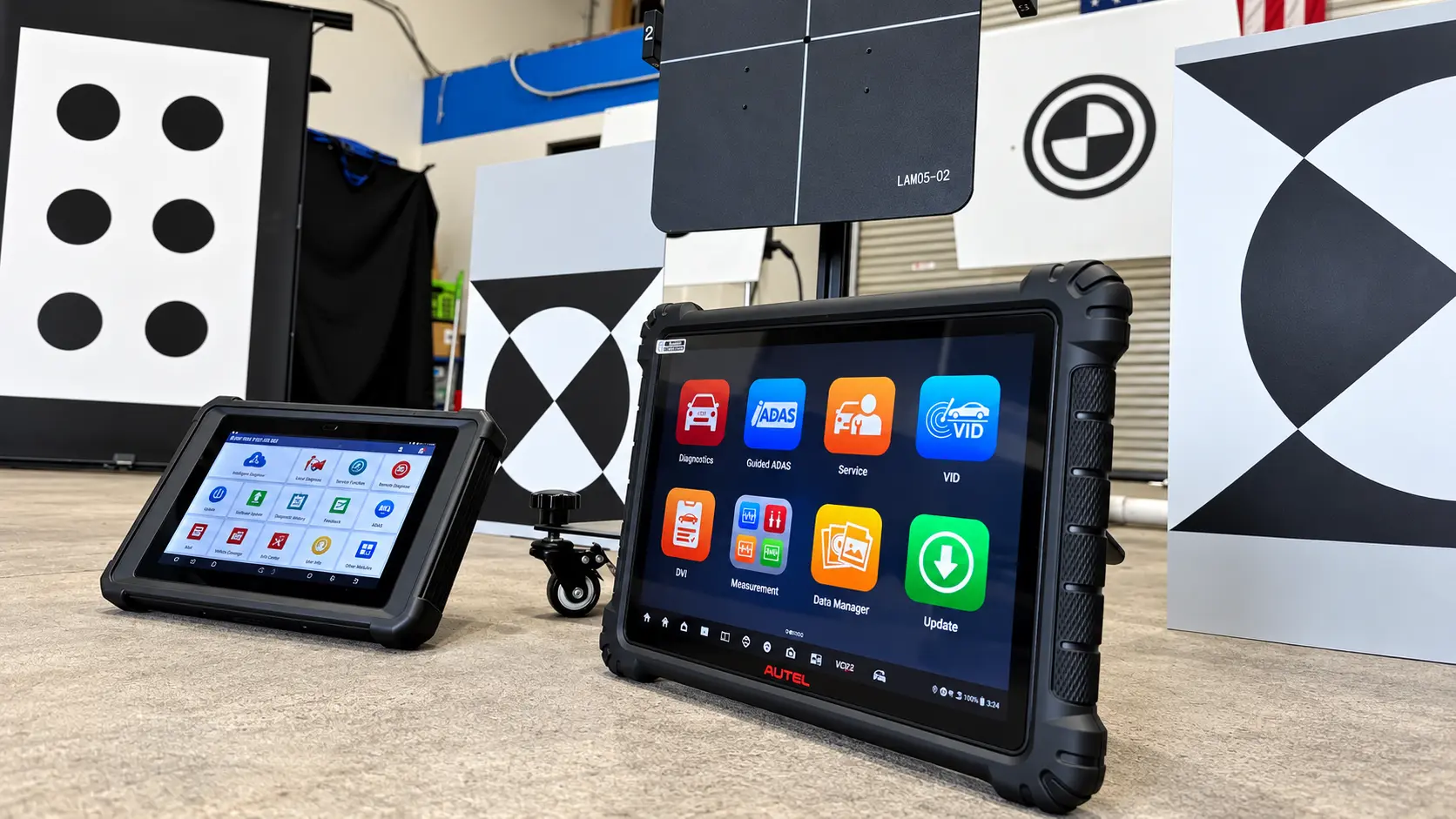
This is the part you can’t see, but can’t skip. After a real hit, a shop measures the frame, checks the alignment, goes over the weld points, and looks at how the suspension sits. Newer cars add another layer: airbags, sensors, and ADAS features that need calibration to work right.
Skip these checks, and that’s exactly where cheap repairs turn dangerous. The car can look perfect and still not be safe.
What gets checked underneath:
- Frame measuring and alignment
- Weld points and structural integrity
- Suspension geometry after impact
- Airbags, sensors, and ADAS calibration
Paint Matching and Refinishing
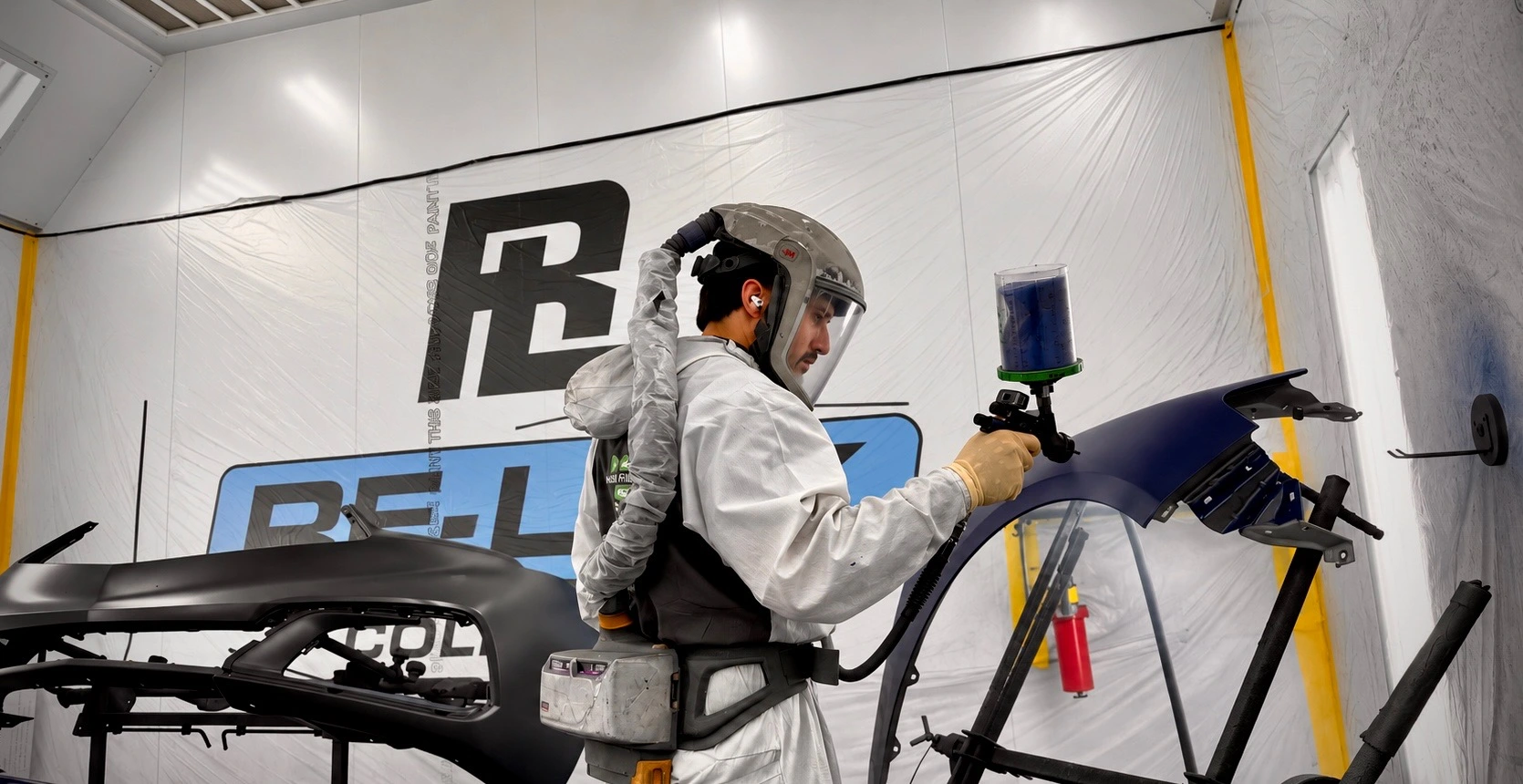
Matching paint takes more skill than folks figure. Your car’s got a color code, but age and sun nudge the real shade, so a good shop tints and tests with spray-out cards before it touches the car. They blend into nearby panels, so there’s no hard line where old meets new.
Then comes a clear coat, curing, and a final polish. Done right, you can’t tell where the repair ends.
How a quality paint job works:
- Pulling the color code, then tinting to match
- Spray-out cards to test before applying
- Blending into adjacent panels
- Clear coat, proper curing, and a final polish
Final Quality Control and Warranty
Before you get the keys, the car runs through a final check. The shop verifies the scans, checks panel fit, inspects the paint finish, and, where applicable, test-drives it. That last pass catches whatever slipped through.
Ask about the warranty, too, and what it does and doesn’t cover. A shop that stands behind its work will be clear about it.
What final QC covers:
- A final inspection and test drive
- Scan verification on safety systems
- Panel fit and paint finish checks
- A clear explanation of the warranty
Doing It Right Without Overpaying
Affordable repair isn’t about chasing the cheapest shortcut. It’s about transparent estimates, smart parts choices, proper safety checks, and skilled work that holds up. Once you understand the process, you can keep costs reasonable and still get your car back safely.
A Sacramento shop like Relux Collision can walk you through a budget-conscious damage assessment and show you where the real costs are. Knowing what to expect is half the battle, and it keeps you from paying for a fix that won’t last.
Featured Image Source: https://www.magnific.com/free-photo/mobile-phone-hand-car-repair-service-center-blurred-background_35903961.htm#fromView=search&page=1&position=11&uuid=0667a184-b335-4bb8-b1e0-c7b0b2c500ff&query=Repair+of+ar+after+accident