

After a collision, most vehicle owners want to know one thing: is their vehicle truly safe to drive again? That question is at the heart of every professional collision center. So, how do shops verify vehicle safety after collisio n repairs are complete? The answer involves a detailed repair process, multiple layers of inspection, and strict adherence to manufacturer standards. Modern vehicles are complex, and proper verification ensures every system is working as intended. At Relux Collision, safety is never assumed; it is proven through a structured and documented approach.
What “Safe to Drive” Really Means After a Collision

Safety Goes Beyond Cosmetic Repairs
After an accident, visible damage like dents or scratched body panels is only part of the story. True safety means restoring the vehicle’s structural integrity and ensuring all structural components are functioning correctly. Even minor collision repairs can hide deeper issues like frame damage or hidden damage that affect how the vehicle performs.
A car may look fully restored, but if the vehicle’s frame is not aligned to exact factory dimensions, it may not be structurally sound. Structural repairs are a critical step in bringing the vehicle back to pre-accident condition. Without this, safety systems may not perform as designed in future accidents.
The Role of Modern Vehicle Technology
Modern cars rely heavily on electronic systems and advanced driver assistance systems (ADAS). Features like adaptive cruise control, lane assist, blind spot monitoring, and automatic emergency braking are designed to prevent accidents and protect occupants. These safety features depend on properly calibrated cameras and radar sensors.
After a collision, these systems often require recalibration. If they are not correctly installed and aligned to manufacturer specifications, they may fail when needed most. This is why advanced driver assistance verification is a key part of the collision repair process.
Why Proper Verification Matters
Improper repairs can lead to serious risks. Poor repairs or cutting corners during the repair process can affect handling, reduce safety, and increase the risk of future accidents. A vehicle that has not gone through a complete post-repair inspection may still have issues with mechanical systems or electronic safety systems.
For vehicle owners, proper verification does more than restore safety; it also protects resale value and provides peace of mind. A documented inspection process ensures that repairs were completed correctly and meet factory standards.
The Complete Post-Repair Safety Verification Process
Step 1 | Pre-Repair Diagnostic Scan
The collision repair process begins with diagnostic scans. These scans identify fault codes and detect issues within the vehicle’s electronic systems that may not be visible during a visual inspection. This step allows repair shops to create an accurate repair plan before any body work begins.
Step 2 | OEM Repair Procedures and Structural Repairs
Once the repair plan is in place, technicians follow manufacturer specifications and repair procedures. Structural repairs focus on restoring the vehicle’s structural integrity using computerized measuring systems. These systems ensure the vehicle’s frame is returned to exact factory dimensions and factory specifications.
Frame damage is carefully corrected to ensure the vehicle remains structurally sound. Restoring crumple zones and structural components is essential for maintaining safety in future accidents.
Step 3 | Post-Repair Diagnostic Scan
After repairs are completed, post-repair diagnostic scans are performed. These scans check for any remaining fault codes and confirm that all electronic systems are functioning properly. Post-repair scanning is a critical step to ensure no issues were introduced during repairs.
Step 4 | ADAS Calibration and Sensor Alignment
Advanced driver assistance systems must be calibrated after collision repairs. Radar sensors, cameras, and related components require recalibration to meet manufacturer specifications. Whether it is lane assist or automatic emergency braking, these systems must be verified during the post-repair inspection.
Step 5 | Mechanical and Safety System Checks
Technicians inspect mechanical components such as brakes, suspension, and steering. Mechanical systems are checked for issues like uneven tire wear or fluid leaks that could affect handling. Critical systems like airbags and other safety systems are also verified.
Step 6 | Quality Control Inspection
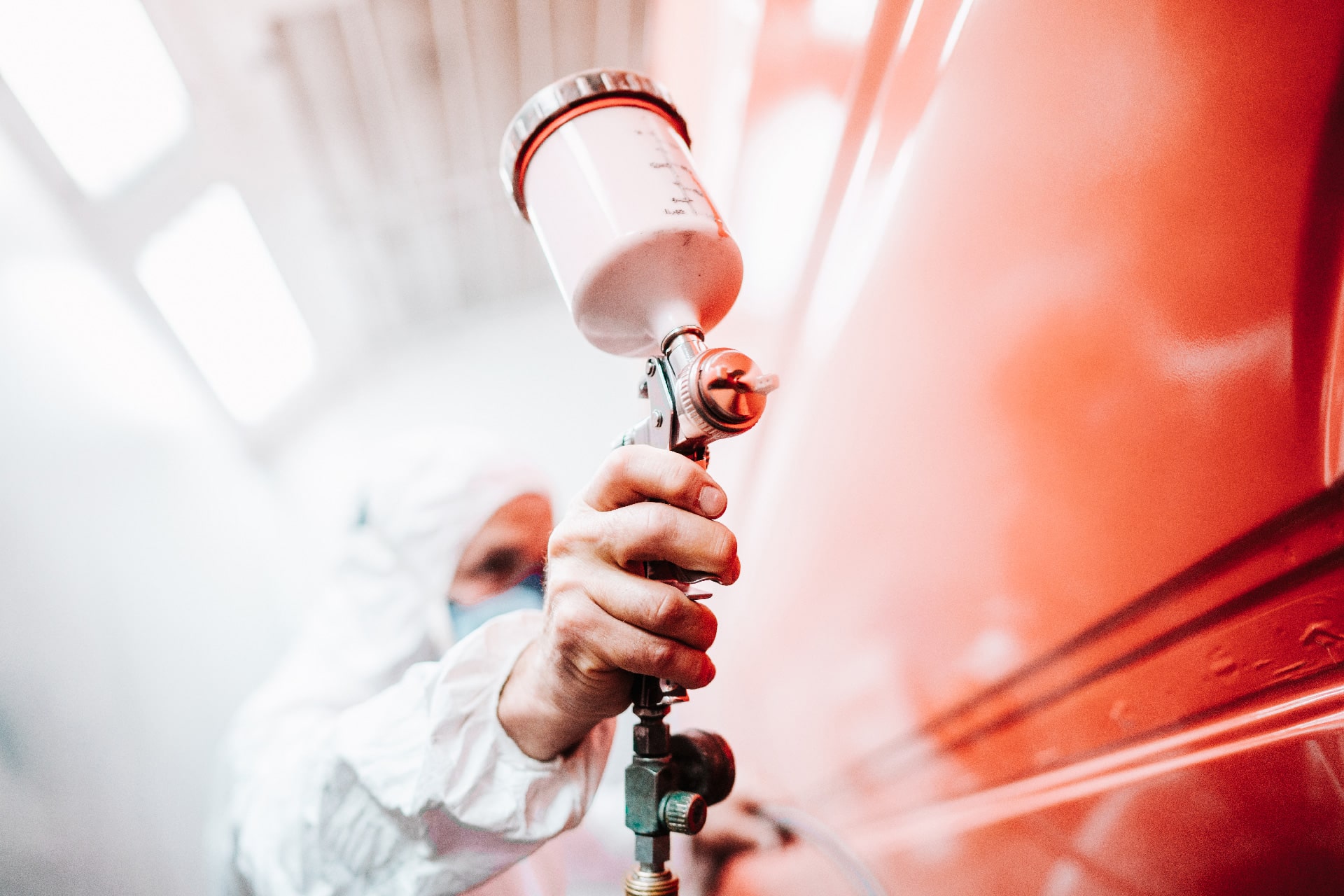
A thorough inspection process follows all repairs. This includes checking panel alignment, ensuring body panels are correctly installed, and confirming the vehicle’s original color is properly matched. Repair quality is evaluated to ensure everything meets factory standards.
Step 7 | Road Testing and Drive Cycles
Test drives are performed to evaluate how the vehicle performs under real conditions. Test drives help identify issues that may not appear during a stationary inspection. Multiple test drives may be required to confirm that all systems operate correctly.
Step 8 | Documentation and Final Verification
Every post-repair inspection is documented. Records of diagnostic scans, calibrations, and inspections provide proof that the vehicle has been fully restored. This documentation helps provide peace and builds trust with vehicle owners.
Why Warning Lights Alone Are Not Enough
Hidden Issues That Don’t Trigger Alerts
Warning lights are helpful, but they do not detect every issue. Some electronic systems may have faults that do not trigger warning lights. Without proper diagnostic scans and inspection, these problems can go unnoticed.
False Sense of Security
Many drivers assume that if no warning lights appear, the vehicle is safe. This is not always true. Post-repair inspection ensures that all safety systems and electronic systems are working correctly, even if no alerts are present.
Professional Tools vs. Basic Checks
Professional repair shops use advanced tools to perform detailed inspections. These tools go beyond a simple visual inspection and provide insight into the vehicle’s critical systems.
The Importance of OEM Guidelines in Collision Repair
What Are OEM Repair Procedures?
OEM repair procedures are instructions provided by the manufacturer. These procedures outline how repairs should be completed to meet manufacturer standards and ensure safety.
Why Certified Shops Follow OEM Standards
Certified technicians at a professional collision center follow manufacturer specifications to ensure repairs are completed correctly. This ensures the vehicle is restored to factory standards and remains safe to drive.
Risks of Skipping OEM Procedures
Skipping repair procedures can lead to improper and poor repairs. This can compromise structural integrity, affect safety systems, and reduce the vehicle’s overall safety.
How Advanced Technology Has Changed Post-Repair Safety Checks
Rise of ADAS and Smart Safety Features
Modern vehicles are equipped with advanced driver assistance features that enhance safety. These systems require precise calibration and verification during post-repair inspection.
Increasing Complexity in Modern Vehicles
Modern vehicles have more electronic systems than ever before. This makes the inspection process more detailed and requires specialized knowledge.
Why Expertise and Equipment Matter More Than Ever
Repair facilities must invest in advanced tools and training. Certified technicians and proper equipment are essential for ensuring repairs meet manufacturer standards and are completed correctly.
How to Tell If a Body Shop Verified Your Vehicle Properly
Questions You Should Ask Your Repair Shop
Ask repair shops if they performed diagnostic scans, completed post-repair inspection, and calibrated all safety systems. Request documentation to confirm the work was completed correctly.
Signs of a High-Quality Repair Process
A professional collision center will be transparent about their repair process. They will explain each step, provide documentation, and ensure the vehicle is safe before delivery.
Red Flags to Watch Out For
Be cautious of repair shops that rush repairs or avoid answering questions. Poor repairs and cutting corners can lead to long-term issues and safety concerns.
Why Choosing the Right Collision Repair Shop Matters

Experience and Certifications
Choosing a trusted collision center with certified technicians ensures high-quality repairs. Experience plays a key role in handling complex collision repairs.
Commitment to Safety and Precision
A professional repair facility prioritizes safety at every step. From structural repairs to post-repair inspection, every detail matters.
Customer-First Approach
Clear communication and transparency help provide peace of mind. Vehicle owners should feel confident in the repair process and the final result.
How Relux Collision Verifies Your Vehicle Is Safe
Our Step-by-Step Safety Process
At Relux Collision, every vehicle goes through a complete collision repair process that includes diagnostic scans, structural repairs, and multiple stages of post-repair inspection. Our process ensures every vehicle is fully restored and safe to drive.
Advanced Equipment and Certified Technicians
Our collision center uses computerized measuring systems and advanced tools to ensure repairs meet factory specifications. Our certified technicians are trained to handle modern vehicles and advanced driver assistance systems.
Transparent Documentation and Customer Communication
We provide detailed documentation for every repair. From inspection to final verification, we keep you informed every step of the way to provide peace of mind.
Our Commitment to Getting It Right the First Time
We never cut corners. Every repair is performed with precision to ensure the vehicle is structurally sound and all safety systems are functioning properly. Our goal is to restore your vehicle to pre-accident condition.
Get your free estimate today or schedule your visit with our team and experience the difference at Relux Collision.
Frequently Asked Questions (FAQs)
How do I know if my car is safe after a collision repair?
A complete post-repair inspection, diagnostic scans, and proper calibration of safety systems ensure your vehicle is safe. Documentation from the collision center confirms everything was completed correctly.
Do all cars need ADAS calibration after an accident?
Not all, but many modern cars require recalibration of advanced driver assistance systems after a collision, especially if sensors or cameras were affected.
How long does post-repair safety verification take?
The time depends on the extent of the repairs. Some post-repair inspections are quick, while others require additional time for calibrations and test drives.
Can I skip diagnostic scans to save money?
Skipping diagnostic scans increases the risk of hidden damage and incomplete repairs. This step is essential for safety.
What happens if ADAS is not calibrated properly?
If advanced driver assistance systems are not calibrated, safety features like automatic emergency braking or blind spot monitoring may not function correctly.
Will insurance cover safety verification procedures?
In many cases, insurance covers necessary repairs and inspection procedures when they are required to meet manufacturer standards.
Final Thoughts: Your Safety Is in the Details
Collision repairs are about more than restoring appearance. They are about restoring safety, performance, and confidence. A proper post-repair inspection ensures the vehicle is structurally sound, all systems are functioning, and every detail meets factory standards. At Relux Collision, we take pride in delivering repairs that protect you and your passengers. Call our team today, schedule your visit, or get your free estimate and let us help you get back on the road with confidence.