
If your vehicle has recently been involved in an accident, you may be asking one important question: how long does ADAS calibration usually take after repairs? This is one of the most common concerns we hear from drivers today, especially as advanced driver assistance systems become standard in modern vehicles. The short answer is that ADAS calibration usually takes anywhere from 45 minutes to a few hours per procedure. However, the full timeline depends on your vehicle, the type of repair, and the number of systems involved. In this guide, our team explains exactly what affects calibration time, why ADAS recalibration matters, and what you can expect during the process.
What Is ADAS Calibration and Why Is It Required After Repairs?
Advanced driver assistance systems, often referred to as ADAS, are designed to improve vehicle safety and reduce accidents. These advanced safety systems include features like lane departure warning, adaptive cruise control, forward collision warning, pedestrian detection, blind spot detection, and automatic emergency braking.
These safety features rely on precise sensor alignment and accurate data. Even a small shift during repairs can affect how these systems perform. That is why ADAS calibration and recalibration are essential after repairs.
When ADAS sensors, including ADAS cameras and radar sensors, are not properly calibrated, the vehicle’s safety systems may not function correctly. This can lead to system malfunctions, incorrect readings, and increased risk on the road. Skipping calibration is never recommended. Proper recalibration ensures your vehicle’s advanced safety systems and ADAS sensors are restored to manufacturer standards, protecting your vehicle’s safety and the people around you.
How Long Does ADAS Calibration Usually Take?
When drivers ask how long ADAS calibration usually takes after repairs, the answer depends on several factors. In most cases, ADAS calibration takes anywhere from 45 minutes to a few hours per system.
The calibration process varies depending on whether the vehicle requires static calibration, dynamic calibration, or both. Static calibration typically takes 1 to 2 hours, while dynamic calibration can take up to 3 hours depending on conditions.
Some vehicles equipped with multiple sensors or advanced systems may require several calibrations, which increases total time. This is especially common in vehicles equipped with advanced driver assistance technology and multiple ADAS features.
It is important to understand that while ADAS calibration takes a few hours, the overall repair timeline may be longer due to setup, testing, and scheduling.
Static vs. Dynamic Calibration: What Is the Difference?
There are two primary methods used in the ADAS calibration process: static calibration and dynamic calibration. Understanding these two primary methods helps explain why calibration time varies.
Static Calibration
Static calibration, also known as static ADAS calibration, is performed inside the shop using specialized equipment. During this process, the vehicle remains stationary while technicians use targets and precise measurements to align sensors.
Static recalibration requires controlled lighting, flat surfaces, and accurate positioning. This ensures proper alignment of ADAS cameras and radar units. Static calibration is commonly used after significant repairs, sensor replacements, or windshield replacement.
Dynamic Calibration
Dynamic calibration, also referred to as dynamic ADAS calibration, is completed on the road under real-world driving conditions. This process requires the vehicle to be driven at specific speeds while monitoring lane markings, traffic conditions, and system responses.
Dynamic recalibration often takes longer because it depends on environmental factors such as weather and road conditions. Features like lane departure warning, adaptive cruise control, and automatic braking rely heavily on dynamic calibration to function properly.
Why ADAS Calibration Time Varies

ADAS calibration does not have a one-size-fits-all timeframe. Several factors influence how long ADAS calibration usually takes after repairs.
Vehicle Make and Model
Different vehicle manufacturers have different requirements. Luxury vehicles and newer models often include more advanced safety features and multiple sensors, which increases calibration time.
Type of Sensors
ADAS systems include ADAS cameras, radar sensors, and radar units. Each type requires a different calibration process. Vehicles with multiple sensors often require multiple calibration procedures.
Severity of Repairs
Significant repairs involving structural components, suspension, or alignment often require more extensive ADAS recalibration. Minor repairs may require less time.
OEM Requirements
Vehicle manufacturers require strict adherence to calibration procedures. Following these guidelines ensures proper functioning and maintains safety systems performance.
Does ADAS Calibration Delay Your Repair?
Many drivers assume that ADAS calibration is what delays their repair, but that is not entirely accurate. While ADAS calibration takes a few hours, the preparation and verification steps add time to the process.
The calibration process involves setup, testing, and documentation. Calibration begins only after repairs are fully completed. This ensures proper calibration and accurate results.
Additionally, calibration services may require scheduling, especially when specialized equipment or controlled environments are needed. This can extend the overall repair timeline.
When Is ADAS Calibration Required?
ADAS calibration is required in several common repair situations. Understanding these scenarios helps explain why ADAS recalibration is now a standard part of collision repair.
After Collision Repairs
Any damage involving bumpers, frames, or panels can affect sensor alignment. This requires ADAS recalibration to restore safety systems accuracy.
After Windshield Replacement
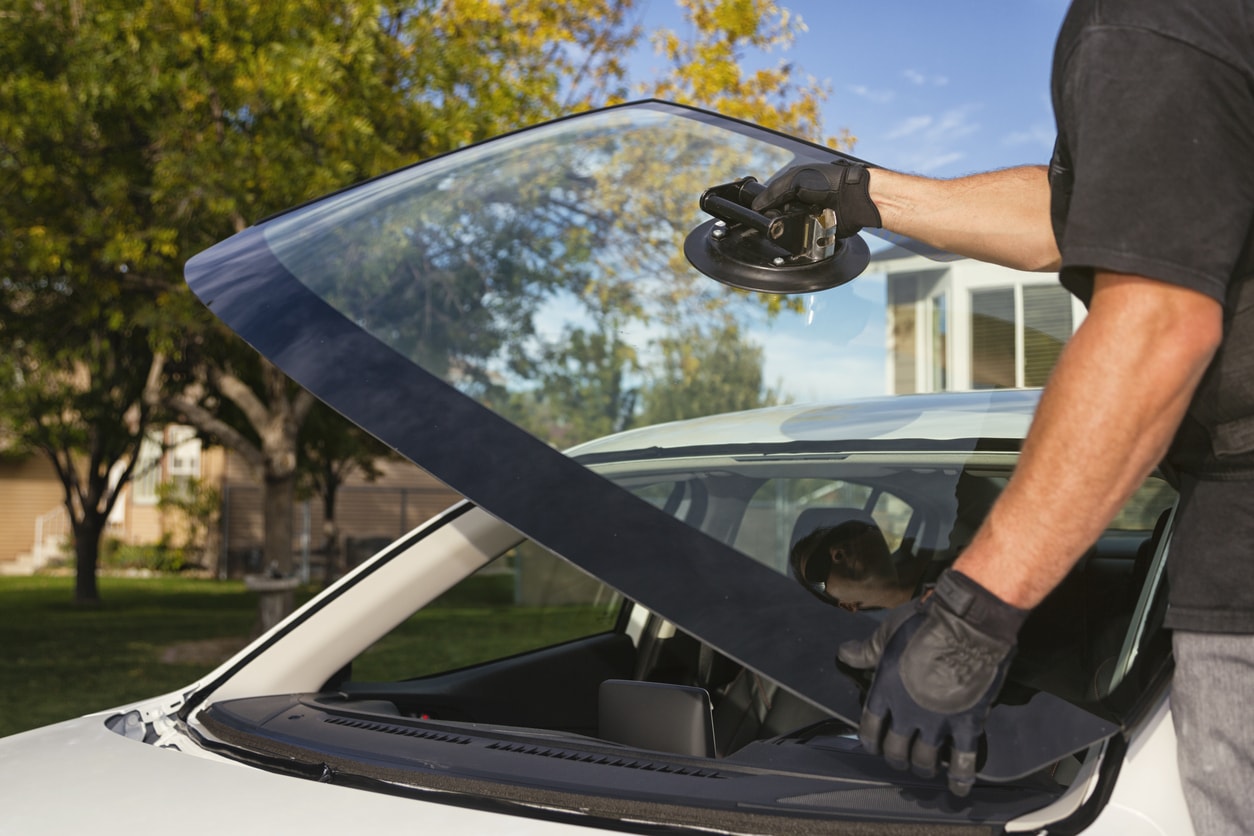
Windshield replacement is one of the most common reasons for ADAS calibration. Many ADAS cameras are mounted to the vehicle’s windshield. After auto glass work, windshield recalibration ensures cameras are properly aligned. Windshield recalibration and windshield repair often go hand in hand with ADAS calibration services.
After Suspension or Alignment Work
Changes to suspension or alignment can affect how sensors interpret the road. This requires recalibration to maintain proper functioning of advanced driver assistance systems.
Signs Your Vehicle May Need ADAS Calibration
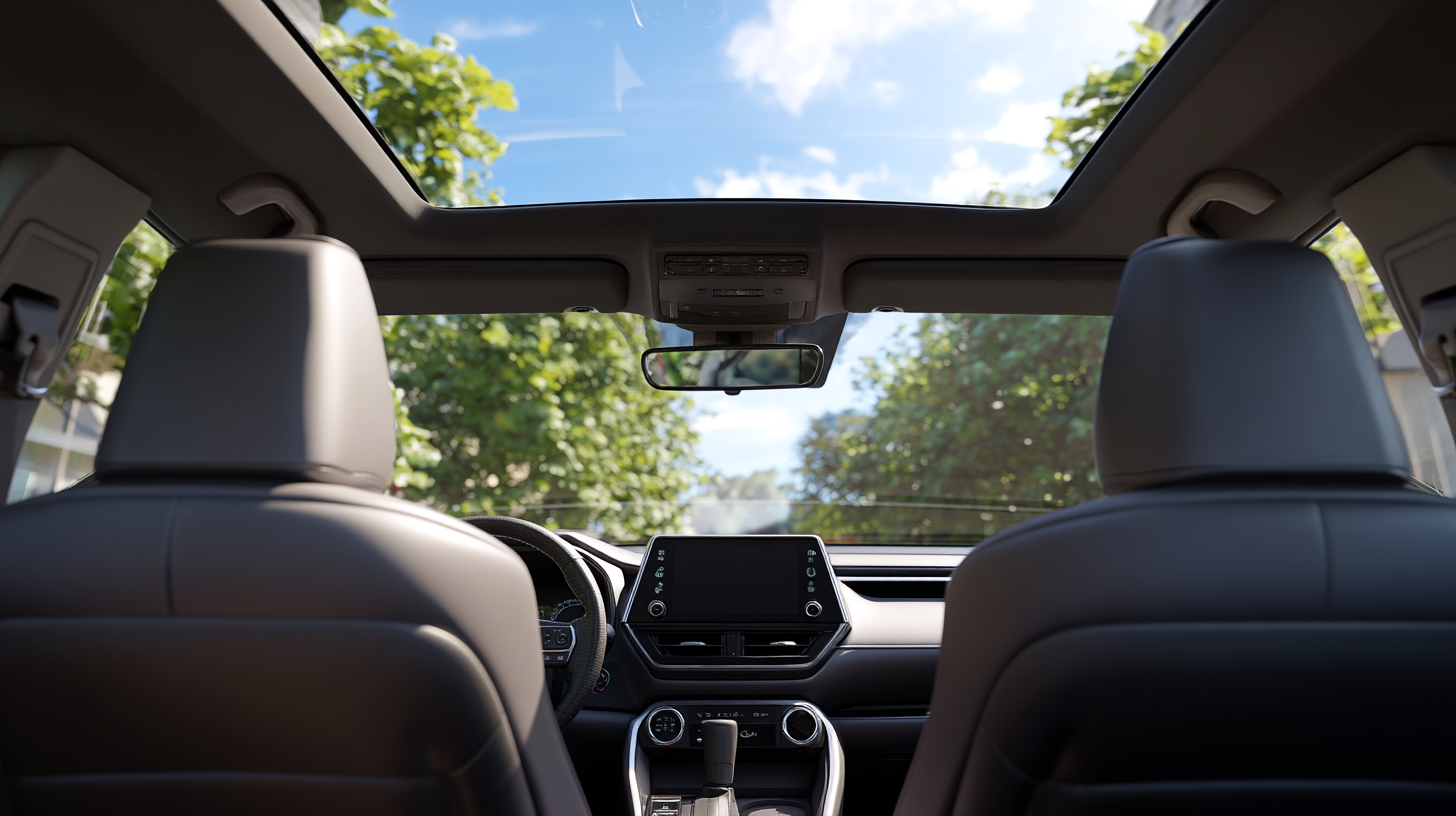
There are several signs that your vehicle’s safety systems may need attention.
Warning lights on the dashboard are one of the most obvious indicators. Features like lane assist, blind spot monitoring, or adaptive cruise control may not function correctly.
You may also notice issues with forward collision warning, pedestrian detection, or automatic emergency braking. These are all signs that your vehicle’s systems may need ADAS recalibration.
Why Professional Calibration Matters
ADAS calibration requires precision, experience, and the right tools. Using specialized equipment ensures accurate results and proper alignment of ADAS sensors and ADAS cameras.
Certified technicians follow manufacturer guidelines to ensure proper recalibration. This helps avoid system malfunctions and ensures vehicle safety systems operate as intended.
Proper calibration also includes documentation, which confirms that all safety systems meet required standards. This is especially important for insurance claims and liability protection.
Can You Drive Without ADAS Calibration?
Technically, you can still drive your vehicle without calibration, but it is not safe. Without proper recalibration, your vehicle’s safety systems may not function correctly.
This increases the risk of accidents and reduces the effectiveness of advanced safety features like collision avoidance, automatic braking, and blind spot detection.
Driving without calibration can also lead to costly repairs if issues are not addressed early. Skipping calibration can compromise vehicle safety and performance.
ADAS Calibration Cost and Insurance Coverage
ADAS calibration cost varies depending on the vehicle, the number of systems, and the type of calibration required. ADAS recalibration cost may increase if multiple systems are involved or if both static and dynamic calibration are needed.
Many drivers ask about recalibration costs and whether insurance will cover them. In many cases, your insurance company may cover ADAS calibration services as part of a repair claim. Coverage depends on your auto insurance policy and whether you have comprehensive coverage.
It is always best to check with your insurance company to understand your coverage and any potential out-of-pocket costs.
How Relux Collision Handles ADAS Calibration
At Relux Collision, we approach ADAS calibration with precision and care. Our calibration process is designed to restore your vehicle’s safety systems to manufacturer standards.
We begin with a detailed inspection of your vehicle’s systems. Once repairs are complete, calibration begins using advanced tools and controlled conditions. Whether your vehicle requires static calibration, dynamic calibration, or both, our team ensures everything is properly calibrated.
Our calibration services include windshield recalibration, auto glass calibration, and full ADAS recalibration for all major systems. We work closely with your insurance company to streamline the process and reduce stress for you.
FAQs About ADAS Calibration
How long does ADAS calibration usually take after repairs?
Most ADAS calibrations take between 45 minutes and a few hours per system, depending on the complexity and requirements.
Can calibration be completed the same day?
Yes, in many cases calibration can be completed the same day once the vehicle is ready and conditions are met.
Why does my repair take longer if calibration is quick?
While calibration itself is relatively fast, setup, testing, and scheduling can extend the overall repair timeline.
Is ADAS calibration required after windshield replacement?
Yes, windshield replacement often requires windshield recalibration to ensure ADAS cameras are aligned correctly.
Is ADAS calibration covered by insurance?
In many cases, yes. Coverage depends on your auto insurance policy and whether you have comprehensive coverage.
Final Thoughts: What Drivers Should Expect
ADAS calibration is an essential part of repairing modern vehicles. While the process itself may only take a few hours, the importance of proper recalibration cannot be overstated.
At Relux Collision, we focus on accuracy, safety, and transparency. From auto glass repairs to full ADAS calibration services, we ensure every vehicle leaves our shop properly calibrated and ready for the road.
If your vehicle has been in an accident or needs calibration, our team is here to help. Get your free estimate today or schedule your visit with our experts.