How long does it take to fix a bumper and headlight? A straightforward repair often takes 3 to 7 business days when replacement parts are available and there is no major hidden damage. A loose headlight that only needs reseating may take less time, while a cracked housing and damaged bumper requiring replacement and painting can take longer. Two important parts of the job are checking the headlight aim and confirming that the housing is properly sealed.
If your bumper and headlight were damaged in a minor accident in Sacramento, you may be wondering whether the repair is a quick parts swap. The visible damage can be simple, but headlights must do more than look right. They must point in the correct direction, work properly, and resist moisture after installation.
Why Are Bumpers and Headlights Often Damaged Together?
Bumpers and headlights are often damaged together because the headlight housing sits close to the upper corner of the front bumper on most vehicles. A front-corner impact can affect both components, even at relatively low speeds.
For example, a parking lot collision in Elk Grove may crack a bumper cover and break the mounting tabs on the headlight beside it. The lens might look intact, but the housing could be loose behind the surrounding body panels.
The headlight assembly is the complete unit containing the lens, housing, light source, and related components. It attaches to mounting points near the front body structure.
Before replacing either part, a technician needs to inspect the surrounding brackets and supports. A damaged mounting point can affect how the new headlight sits and where its beam points.
How Long Does a Bumper and Headlight Repair Usually Take?
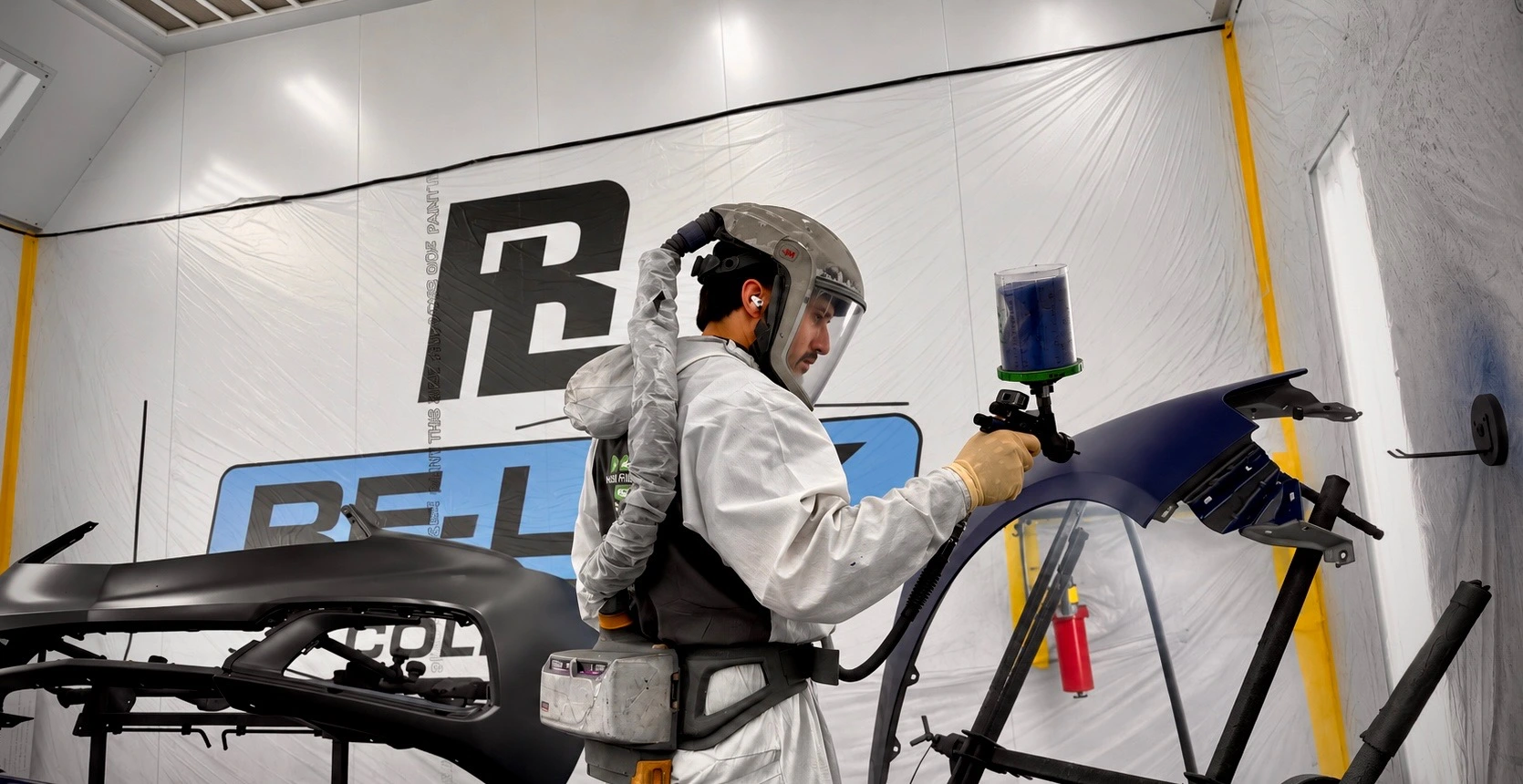
A bumper and headlight repair typically takes several business days, with 3 to 7 business days serving as a general range for straightforward replacement and refinishing work. Parts availability, paintwork, and hidden damage can move the repair outside that range.
The table below compares common repair situations and their general timelines.
| Repair Scenario | Typical Work Involved | General Timeline |
|---|---|---|
| Loose bumper and headlight | Inspect mounting points, replace minor hardware, reseat parts, check aim and fit | Several hours to 1 business day for simple work |
| Cracked headlight and damaged bumper | Replace headlight, repair or replace bumper, paint, check alignment and sealing | 3 to 7 business days |
| Additional front-end damage | Replace damaged supports or brackets, perform additional checks and calibration if required | 1 to 2 weeks or longer |
These are planning estimates, not guaranteed completion times. The actual schedule depends on the vehicle, the availability of the correct headlight assembly, insurance approval, and whether one or both sides are damaged.
What Is Headlight Aiming After Collision Repair?
Headlight aiming is the process of checking and adjusting the direction of the light beam so it illuminates the road correctly. After a collision or headlight replacement, the beam may point too high, too low, or toward one side.
A headlight aimed too low can reduce how far you see at night. A beam aimed too high can create glare for oncoming drivers.
During a proper aiming procedure, the technician follows the vehicle manufacturer’s instructions. This may involve positioning the vehicle on a level surface and using an aiming screen or specialized equipment.
Correct aiming also depends on the headlight being securely mounted and the surrounding body structure being properly aligned. The goal is to restore the intended beam pattern, not simply make both headlights appear level from the outside.
Why Must Headlight Aim Be Checked After Replacement?
Headlight aim must be checked after replacement because installing a new housing does not automatically place the light beam at the correct angle. Even a genuine factory replacement can require adjustment once installed.
For example, a vehicle involved in a front-corner collision in Carmichael may need a new headlight and bumper bracket. If the mounting bracket has shifted, the headlight may sit slightly out of position.
The headlight could turn on normally and still direct its beam incorrectly.
Technicians check several details before considering the aiming work complete:
- Headlight mounting position: Confirm that the assembly sits securely against its intended mounting points.
- Beam direction: Check that the light points at the correct height and angle.
- Adjustment mechanism: Verify that the headlight adjusters function as intended.
- Lighting operation: Test the required lighting functions after installation.
Some modern headlights have automatic leveling or adaptive lighting features. These systems may require additional setup or electronic procedures specified by the manufacturer.
Why Does Proper Headlight Sealing Matter After a Collision?
Proper headlight sealing matters because damaged seals, cracked housings, or incorrectly installed covers can allow water and road grime to enter the assembly. Moisture can eventually affect the electrical components and light output.
Headlight housings are designed to resist water while allowing controlled ventilation on many vehicles. They are not always completely airtight.
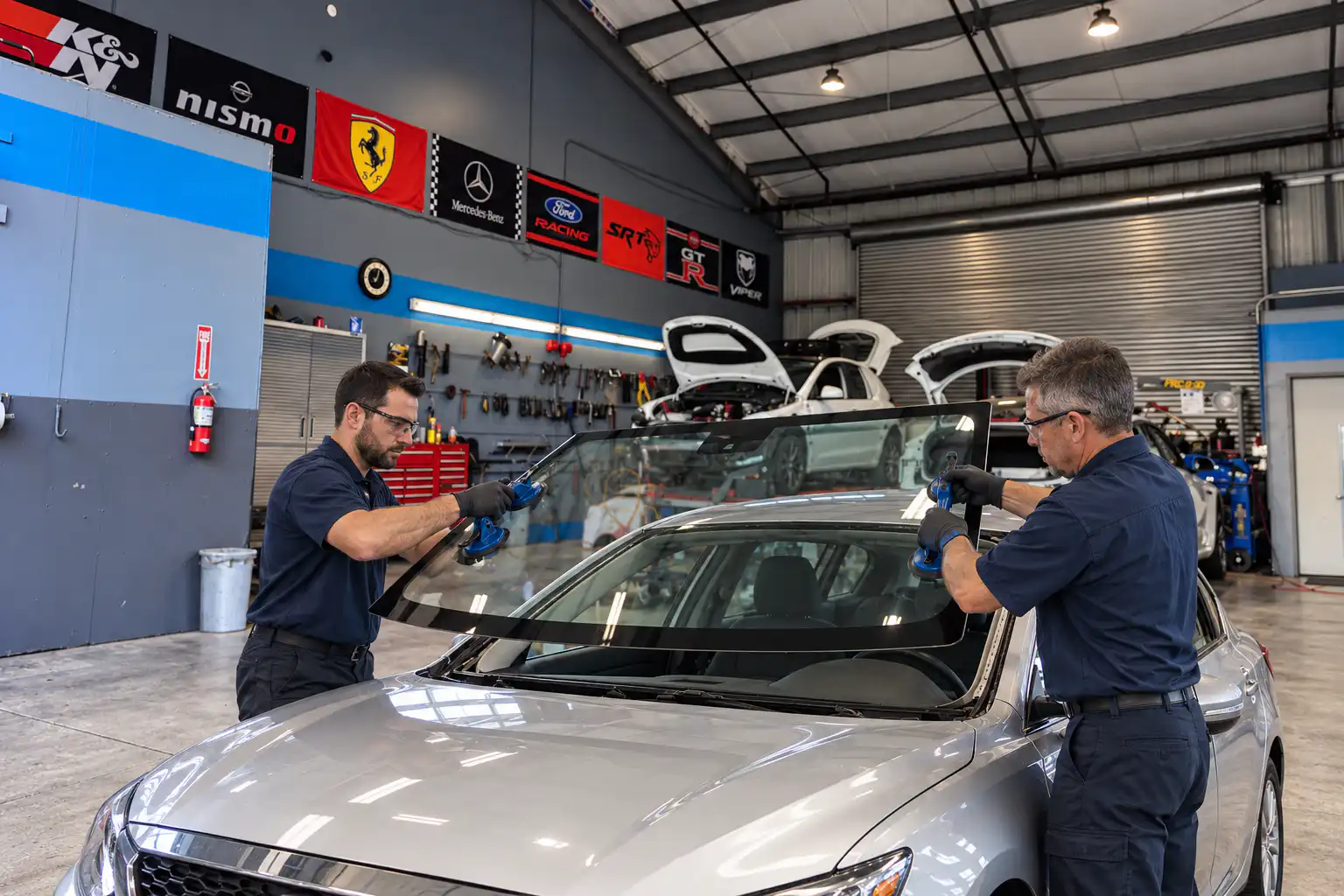
After replacing a damaged assembly, a technician should check that the housing, access covers, gaskets, and related components are installed correctly.
A cracked housing usually requires replacement rather than an improvised seal repair, particularly when the manufacturer does not permit housing repair.
These details matter because water intrusion may not become obvious until the vehicle has been driven through rain or washed several times.
Is Condensation Inside a Headlight Always a Problem?
Light condensation inside a headlight is not always a sign of damage, but persistent moisture or standing water can indicate a sealing problem. Some modern headlights temporarily develop light fogging because of temperature and humidity changes.
Normal condensation generally clears as conditions change. Large droplets, repeated heavy fogging, or water collecting inside the housing deserve closer inspection.
For a Sacramento driver who notices moisture after a bumper repair, the important question is whether the condition clears normally or continues returning.
A technician may check the following areas:
- Housing and lens joints: Look for cracks or damage where the housing and lens meet.
- Access cover seals: Confirm that service covers and gaskets are correctly installed.
- Ventilation openings: Check that designed vents are not damaged or blocked.
- Mounting and fit: Inspect whether collision damage has affected the assembly’s position.
Testing for moisture problems helps identify a poor seal before it causes further damage to the lighting system.
What Should a Shop Check Before Returning Your Car?
A shop should verify headlight aim, housing condition, moisture protection, and bumper alignment before returning a vehicle after bumper and headlight repairs. A finished appearance does not confirm that every component is functioning correctly.
Here is what each final check is intended to catch.
| Post-Repair Check | What It Helps Identify |
|---|---|
| Headlight aim | Light beams pointing too high, low, or sideways |
| Housing seals and covers | Damaged gaskets, loose covers, or possible water entry points |
| Condensation inspection | Unusual moisture that may indicate a housing problem |
| Bumper and headlight alignment | Uneven panel gaps, loose mounting points, or poor fit |
| Electrical function | Nonworking lighting features or related warning messages |
These checks help confirm that the repair meets the vehicle’s requirements. Additional procedures may apply depending on its lighting equipment and manufacturer instructions.
Can Modern Headlights Require Calibration After an Accident?
Modern headlights may require electronic setup or calibration after an accident when the vehicle uses adaptive lighting, automatic leveling, or related electronic systems. The exact requirements depend on the model and what was damaged or replaced.
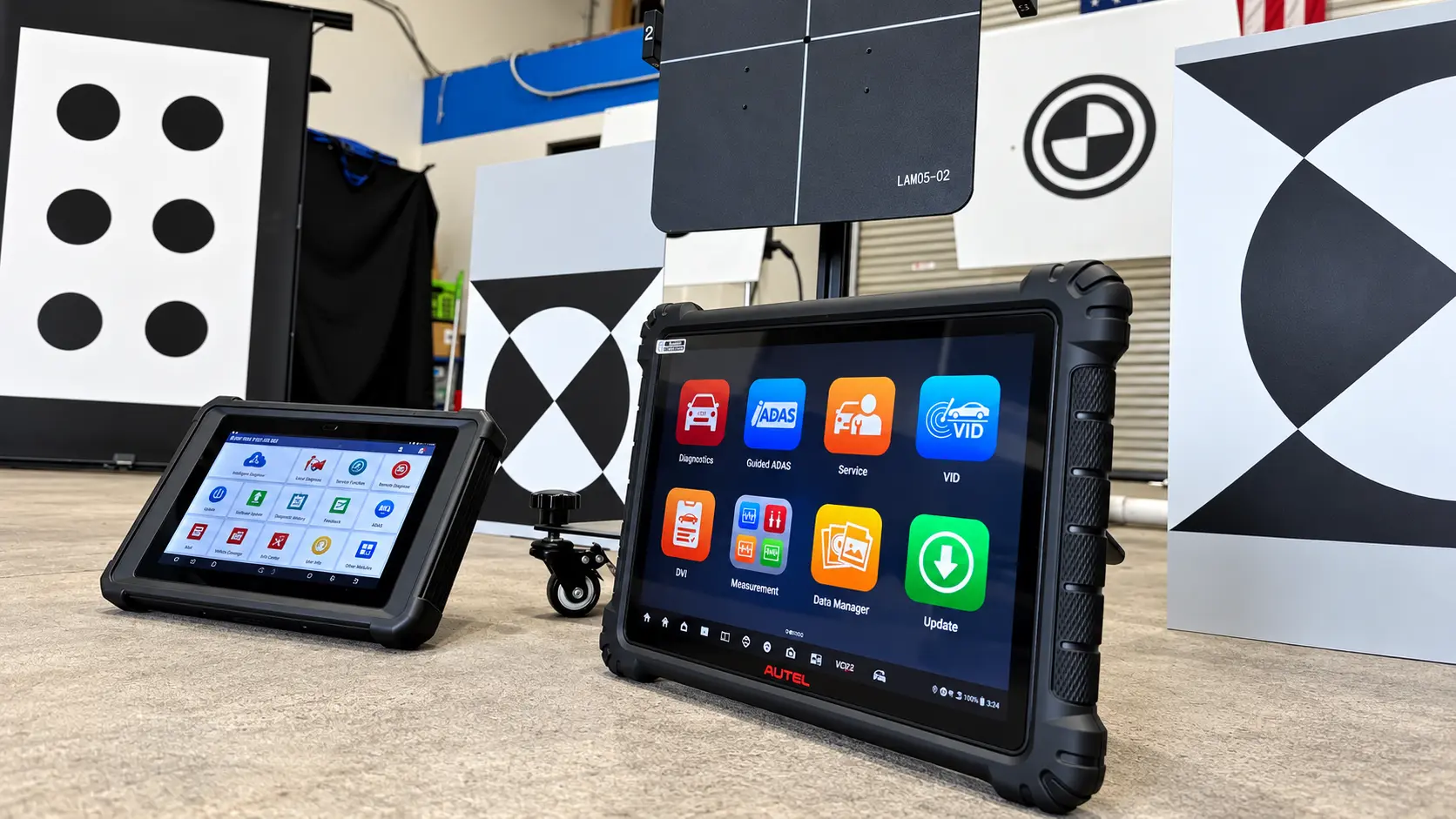
Some vehicles also have nearby cameras or radar sensors used by advanced driver assistance systems. Repairs affecting those components may require separate calibration.
Re-Lux Collision provides ADAS calibration services in Sacramento for vehicles that require these procedures after collision repairs.
Identifying these requirements during the initial inspection helps the shop plan the repair and explain any additional steps.
Frequently Asked Questions
How long does it take to fix a bumper and headlight in Sacramento?
How long it takes to fix a bumper and headlight in Sacramento depends on the damage and parts availability. Straightforward replacement and painting may take 3 to 7 business days. Additional mounting damage, unavailable parts, or calibration can extend the timeline.
Does a replacement headlight need aiming in Elk Grove?
A replacement headlight in Elk Grove should have its aim checked and adjusted according to the manufacturer’s procedure. A new housing is not automatically aimed correctly after installation. Proper adjustment helps maintain nighttime visibility and reduce glare.
Can a cracked headlight housing cause water leaks in Carmichael?
A cracked headlight housing on a vehicle in Carmichael can allow water to enter and damage internal components. The appropriate repair depends on the damage and manufacturer instructions. A cracked housing often requires replacing the assembly.
Can a loose headlight be repaired without replacement in Folsom?
A loose headlight in Folsom may be repairable without replacement if its housing and mounting points remain intact. Broken brackets or mounting tabs may require additional parts or a new assembly. A technician must inspect the damage before deciding.
Is headlight condensation normal after bumper repair in Rancho Cordova?
Headlight condensation after bumper repair in Rancho Cordova may be normal when light fogging clears as temperature and humidity change. Persistent fogging or water collecting inside the housing may indicate a problem. Have the assembly inspected if moisture continues.
Does fixing a bumper and headlight require ADAS calibration in Sacramento?
Fixing a bumper and headlight in Sacramento does not always require ADAS calibration. It may be necessary when the collision or repairs affect certain sensors, cameras, or related components. The vehicle manufacturer’s instructions determine the required procedures.
Where can I get bumper and headlight damage inspected in Sacramento?
You can get bumper and headlight damage inspected in Sacramento at Re-Lux Collision. An in-person assessment helps identify damaged assemblies, mounting problems, and required aiming or calibration procedures. The shop can then provide a repair estimate and expected timeline.
Make Sure Your Bumper and Headlight Repair Is Fully Finished
Bumper and headlight repairs are often manageable within several business days, but the work involves more than replacing visible parts. Correct headlight aim, secure mounting, proper sealing, and final function checks all matter. A repair that passes these checks helps restore the vehicle’s lighting performance and reduces the risk of problems appearing later.
If your vehicle has bumper and headlight damage, contact our Sacramento auto body shop, Re-Lux Collision, for an inspection and a repair plan that accounts for proper headlight aiming, sealing, and alignment. Our bumper repair and collision repair services in Sacramento support drivers throughout Sacramento, Elk Grove, Carmichael, Folsom, Rancho Cordova, and surrounding areas. Call (916) 240-2000 or visit 6580 Asher Ln Ste 300, Sacramento, CA 95828 to discuss your vehicle’s damage and get a realistic repair timeline.