Mercedes-Benz collision repair works through diagnostics, structural correction, refinishing, calibration and reassembly, with checks being conducted at every stage. The point is to repair the car so that it looks right and behaves the way it did before the impact.
Key Takeaways
- Sensors and cameras sit behind bumpers and mirrors, so damage rarely stops at the panel.
- Mercedes-Benz collision repair starts with a full diagnostic scan, not a paint booth.
- Factory measurements decide whether the structure is actually straight.
- Blending paint across neighboring panels stops the repair from announcing itself.
- Calibration gets verified on a road test. Assumption is not verification.
A Mercedes-Benz that has been hit looks like a body problem. That is the trap. Under the bumper cover sits radar, cameras and wiring that decide whether the car brakes for stopped traffic, and Mercedes-Benz collision repair has to answer both questions at once. Skipping the second one shows up later at speed.
Every stage feeds the next. A scan pulls the fault codes, measurement finds where the structure moved, and the paint work has to match a color that has been fading in Sacramento sun for years. Mercedes-Benz collision repair treats these as one process, not a list of departments handing work down a hallway.
Sensors Take the Hit Too
- Radar Lives in the Crumple Zone: Front radar sits behind the grille badge. Cameras ride in the windshield and mirror housings, and blind spot modules tuck into the rear quarter panels. A parking lot scrape can push a sensor a degree out of true without cracking anything, and nobody notices until the car misjudges a gap.
- Scanning Comes First: A pre-repair scan reads every module before a panel comes off. Codes stored from the impact tell the technician which systems went offline and which ones only complained. Skip that step and the shop is guessing, then discovering problems at the end when the car is already assembled and the customer is waiting.
Rebuilding a Car in the Right Order
- Structure Sets the Ceiling: Measurements on a bench compare the damaged shell against factory specifications down to the millimeter. Pulling metal back is slow, unglamorous work, and it decides how the doors close and how the suspension sits underneath. Cosmetics laid over a structure still out of spec will fail inside a year or two.
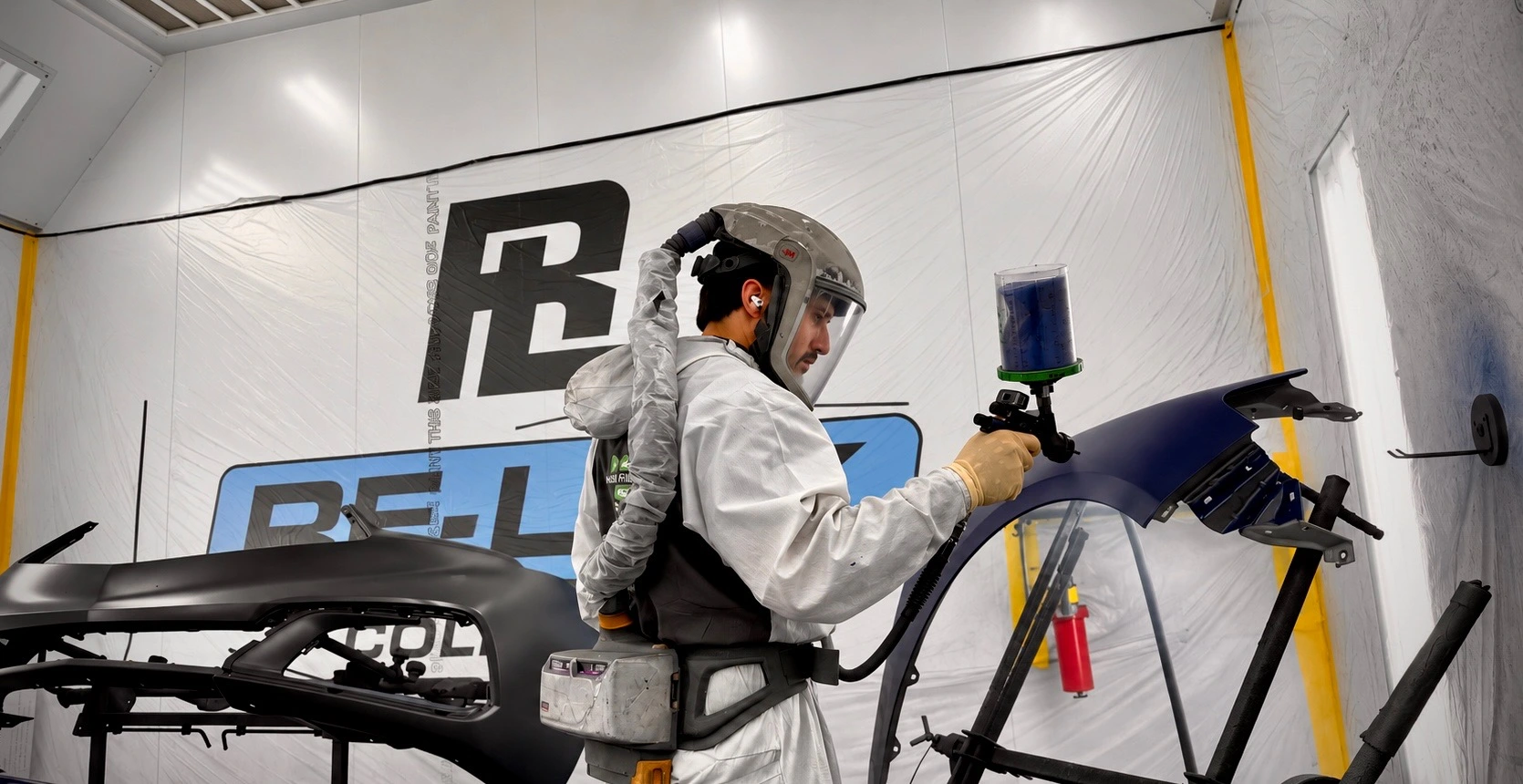
- Paint that Has to Match Twice: Factory color codes are a starting point, not an answer. Years of sun change what the fender next door actually looks like, so refinishing gets blended into adjacent panels instead of stopping at the seam. Under Sacramento afternoon light, a lazy match announces itself from clear across the parking lot.
- Reassembly Decides the Result: Clips, seals, foam blocks and wiring looms go back in a set order. One missing clip turns into a rattle at freeway speed on Highway 50, and the owner hears it every morning after that. Torque values matter here as much as they do on the frame rails. Proper work covers this ground.
- Structural correction on a bench until the shell matches factory numbers again.
- Refinishing with blend panels so the color transition disappears in daylight instead of only under shop lights.
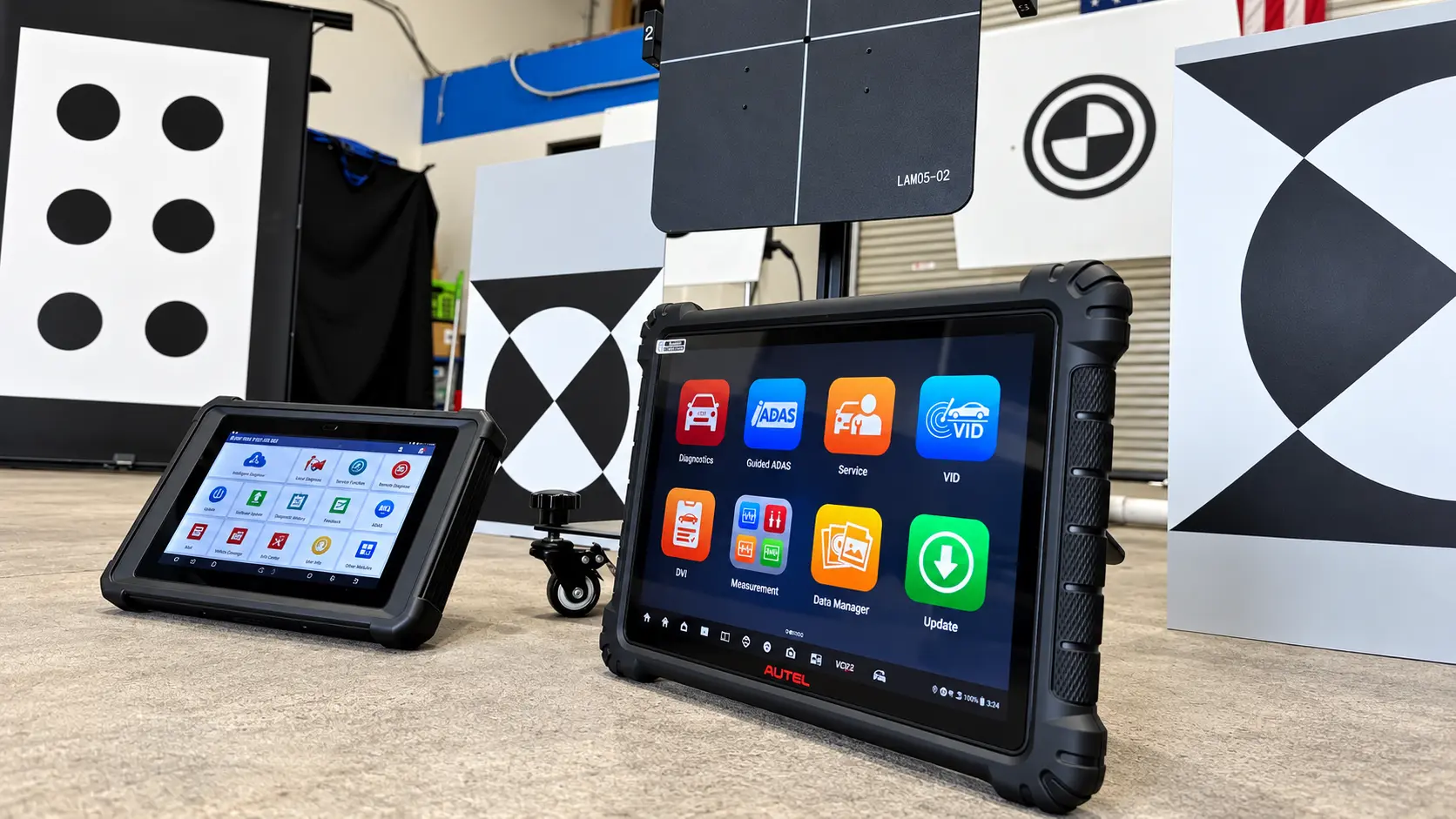
- ADAS calibration for radar, cameras and sensors knocked out of position.
- A second diagnostic scan after assembly, since fresh codes surface once modules reconnect.
- Road test. Real streets, real speeds.
The Last Inspection Decides Everything
- Calibration Gets Verified, Not Assumed: Static calibration happens in the shop against printed targets. Dynamic calibration needs the car driven at set speeds on marked lanes until the system relearns what it is looking at. A radar module reading five degrees off will brake late, and no visual inspection catches that. Only the scan tool says so.
- The Walkaround Nobody Rushes: Panel gaps get measured, not eyeballed. Doors and the trunk cycle a dozen times before anyone signs anything off. Water testing checks the seals. The finish gets read under three different light sources, because a spray booth flatters everything that rolls through it and daylight does not. Anything that fails goes back.
- Paperwork the Owner Keeps: A finished file should show the pre-scan, the post-scan, calibration certificates and measurement printouts. That paperwork matters at resale. It matters more when a warranty question surfaces years later, long after the shop has forgotten the car. Mercedes-Benz collision repair done this way leaves proof, not a vague invoice line.
The Car Comes Back, Not a Version of It
Anyone weighing a Sacramento shop after an accident should ask what happens once the paint dries. Ask about post-repair scans. Find out who signs the car off and what proof comes back with the keys. That answer is worth the drive across town. Request an estimate and get it in writing before any work starts on the car.