

How Soon After an Accident Should Collision Repairs Begin?
In most situations, drivers should begin the repair process within the first few days after an accident. This means reporting the accident to your insurance provider, scheduling an inspection, and getting an estimate from a qualified body shop or auto body shop. Even if repairs cannot start immediately, beginning the process early creates documentation and clarity.The goal is not always to have the car fixed the same week. The goal is to understand the damage, confirm the car can be driven road safely, and prevent hidden issues from getting worse. Waiting too long can create safety hazards, increase repair times, and complicate the insurance claim.
What Is Paint Blending?
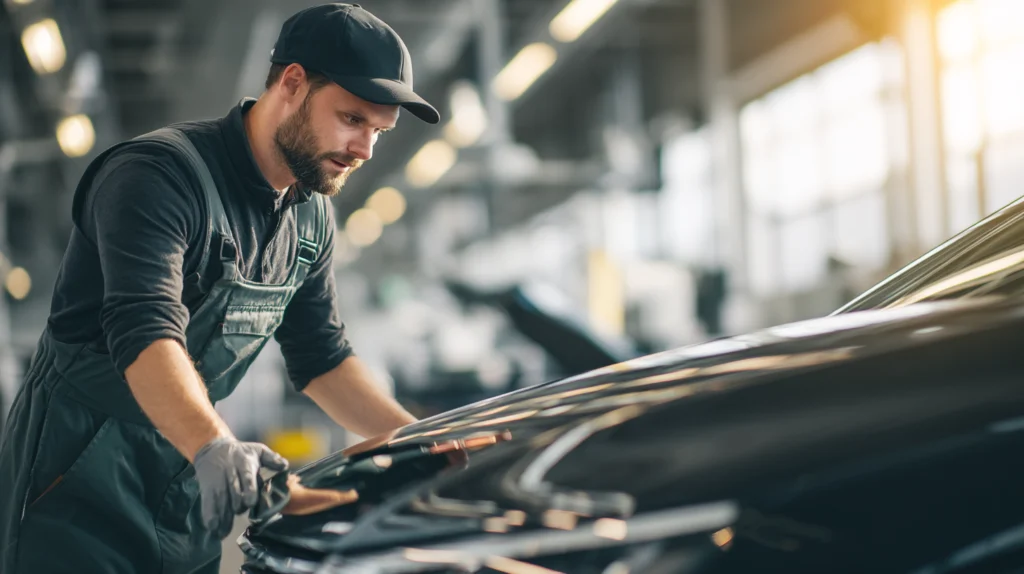
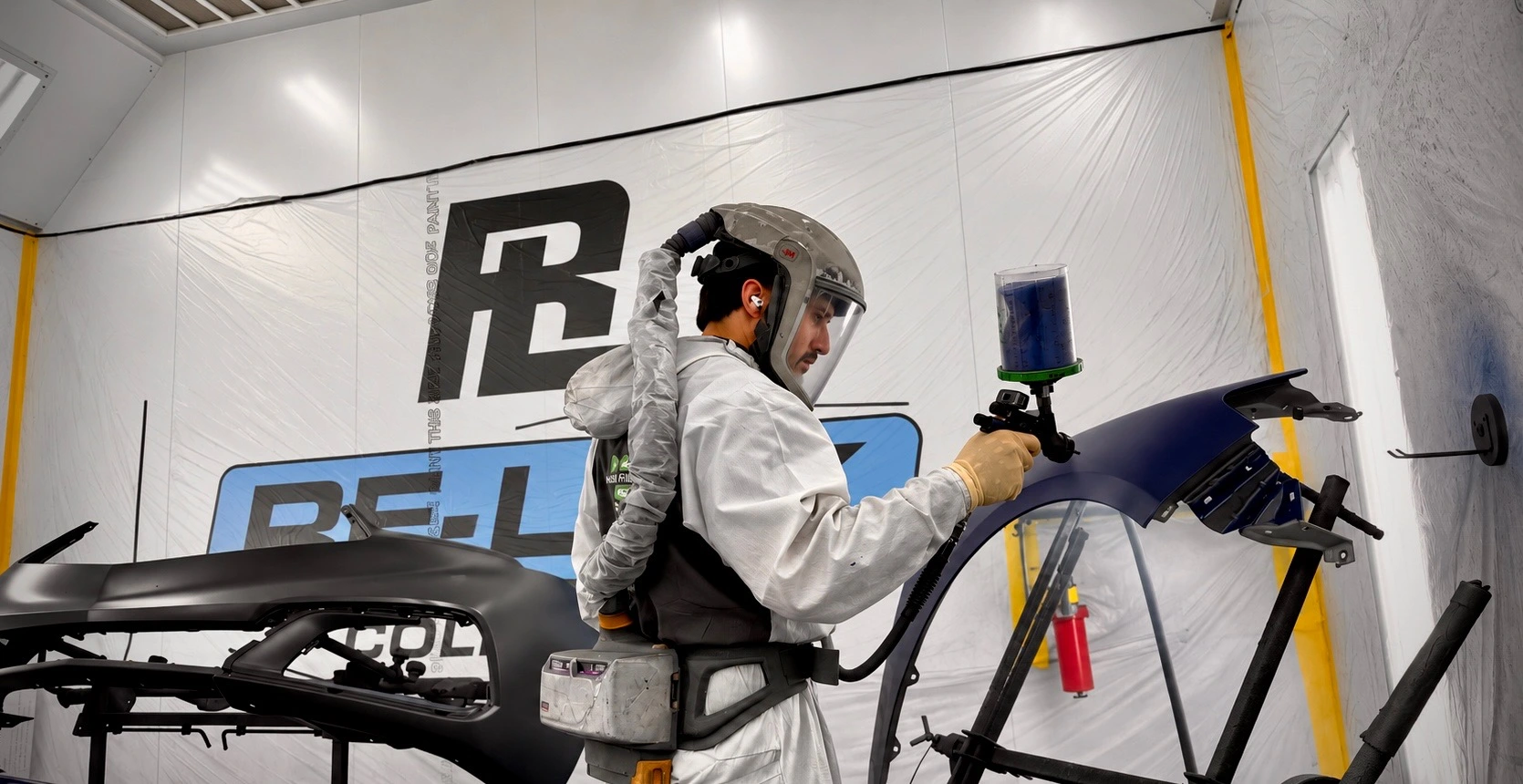
Paint blending is the controlled technique of extending new paint from the repair area into the surrounding panels so the colour transition cannot be seen. Instead of stopping the paint at a hard edge, the technician gradually blends the new color outward. This blending technique allows the eye to read one continuous colour across the vehicle.
Can Deep Scratches Be Repaired Without Repainting the Entire Panel?
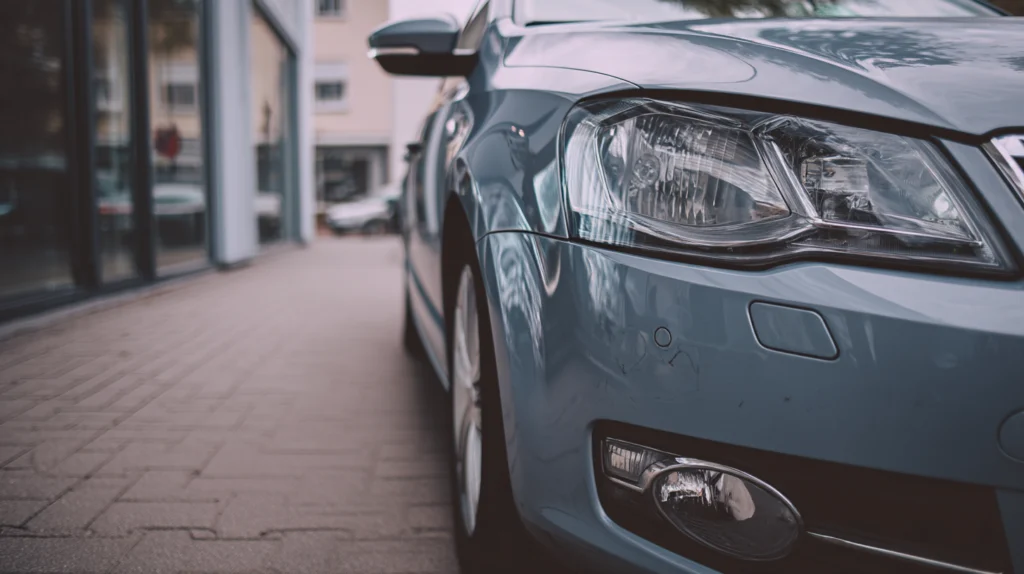
Every scratch tells a different story. Some car scratches only affect the surface, while others cut much deeper into the car’s paint. Scratch depth determines whether a scratch repair can be done without repainting or whether repainting the panel is the safer option.
Does Bumper Damage Affect Vehicle Safety Systems?
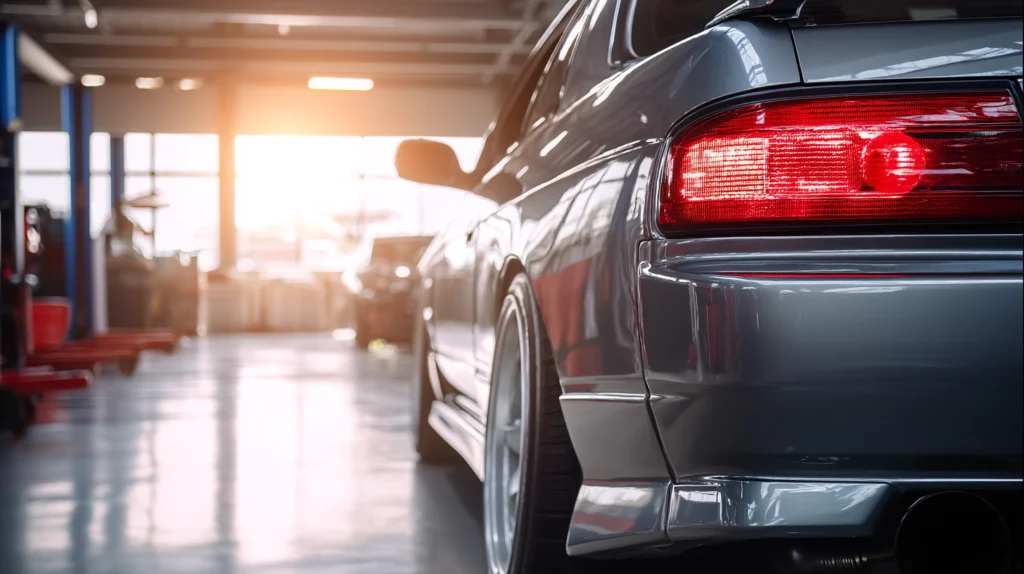
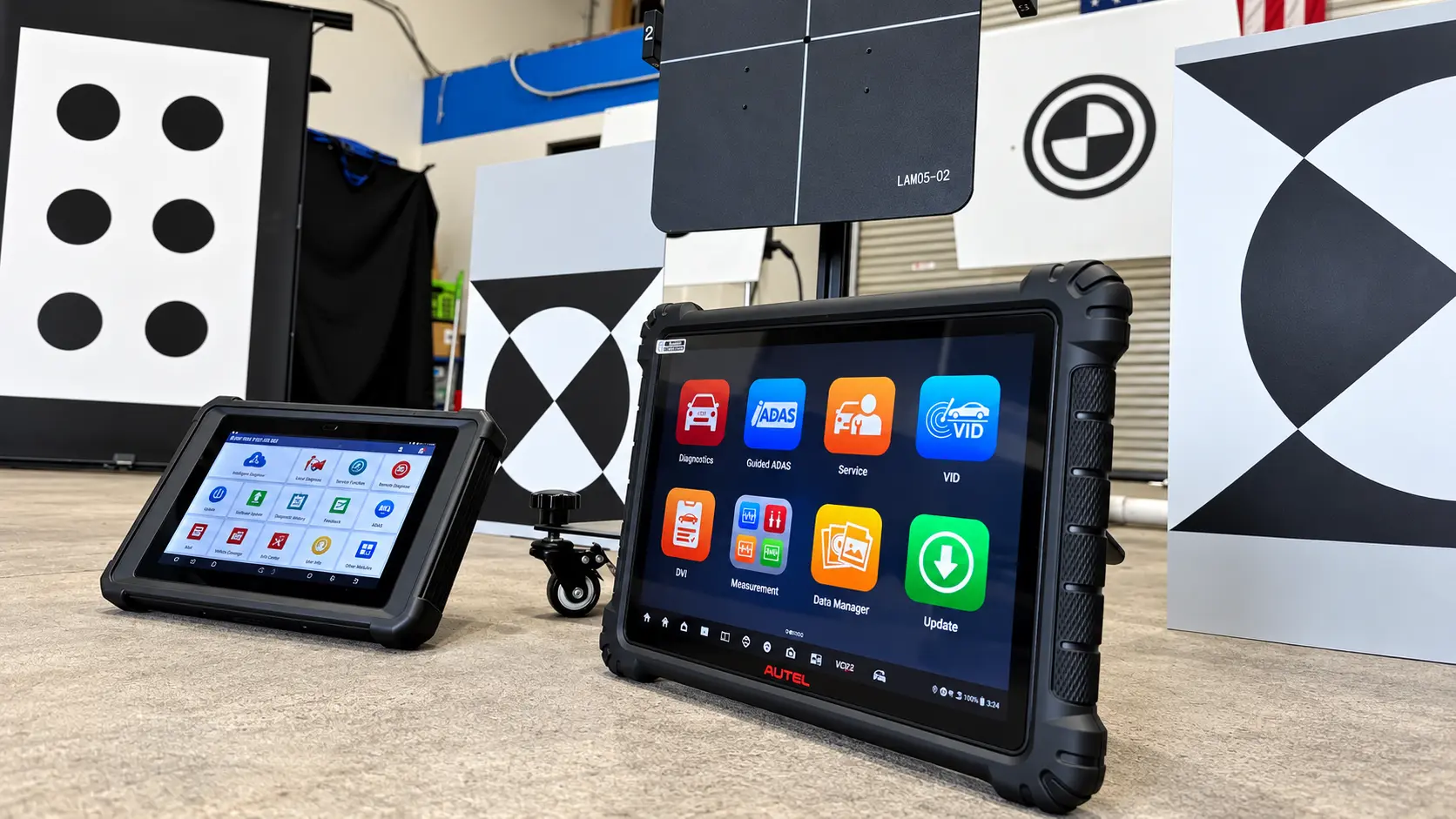
The bumper serves a much larger purpose than protecting a vehicle’s exterior or preserving the car’s appearance. It supports safety systems, structural components, and advanced technology designed to protect occupants and reduce safety risks. Understanding how bumper damage occurs and why proper repair matters can help drivers avoid future accidents, costly repairs, and compromised vehicle safety.
How Long Can I Drive With a Cracked Windshield Before Replacing It?
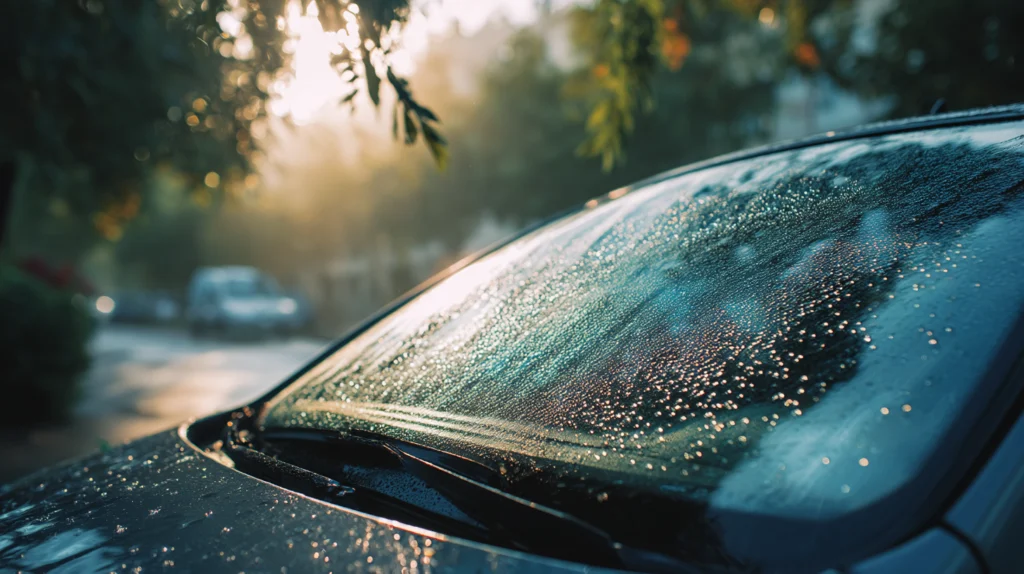
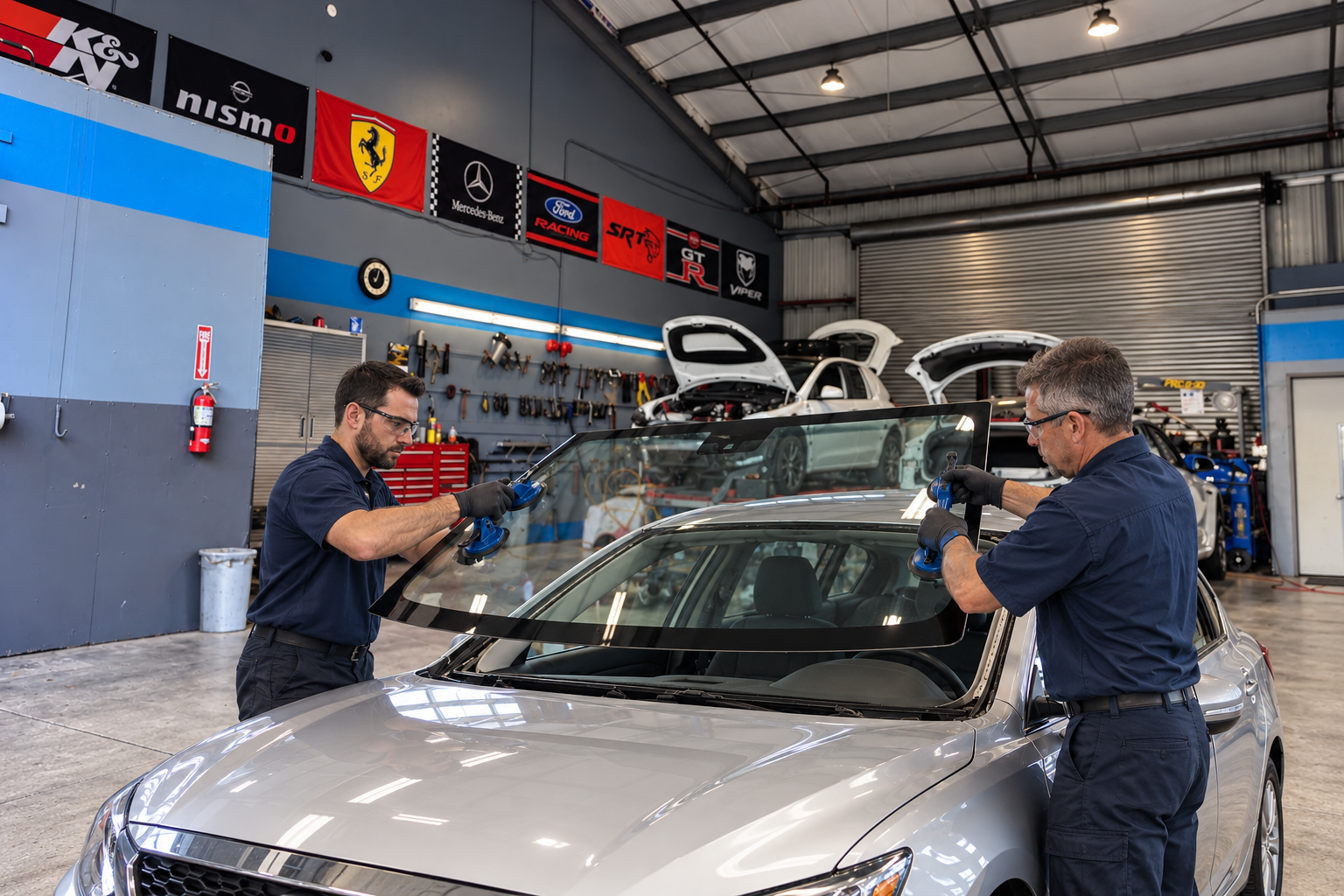
The problem is that a cracked windshield rarely stays the same. What looks manageable today can become dangerous tomorrow. Understanding how long you can safely drive, when repair is possible, and when windshield replacement is the right move helps you protect passengers, avoid trouble on the road, and prevent higher costs later.
Will Minor Scratches and Chips Be Included in the Estimate?
A collision repair estimate is a structured document created by a professional body shop to outline the repair needed after an accident. It is designed to return the car to its pre accident condition, not to correct every cosmetic flaw that may already exist.
Will Dent Repair Affect My Paint Job?
One of the most common concerns drivers have after discovering a dent is simple but important, will dent repair affect my paint job. Your car’s paint protects more than appearance. It protects the metal underneath, supports long term durability, and plays a major role in resale value. The answer is not one size fits all. Dent repair affects paint differently depending on the type of dent, the repair method used, and the expertise of the body shop performing the repair. Understanding how dent repair works helps you make a fully informed decision and avoid unnecessary repainting or future problems.
What Types of Dents Can Be Repaired With Paintless Dent Repair?
At Relux Collision, we inspect every dent carefully because paintless dent repair work depends on several key factors, not guesswork.
Can I Get Other Service Work Done While My Car Is Being Repaired?
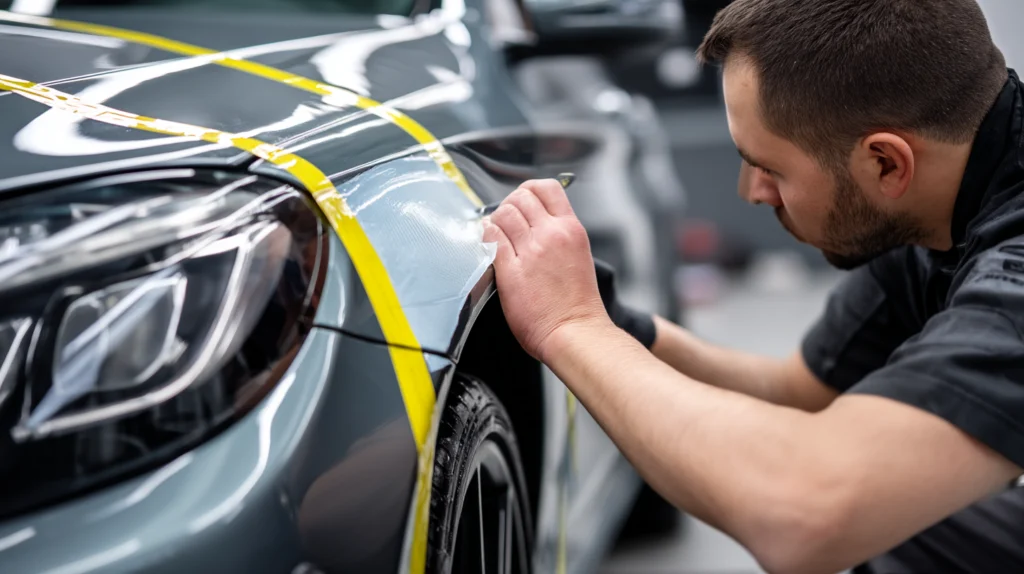
The honest answer is yes, in many cases you can. The more important answer is that it depends on insurance coverage, warranty rules, repair timing, and how the work is documented. At Relux Collision, our job is to help you understand your options so you can make smart decisions that protect your money, your car warranty, and your vehicle.
If My Frame Is Damaged Is It Automatically a Total Loss?

Frame damage is a broad term that can mean different things depending on the vehicle and the type of collision. Most modern cars are built as a single structure, also called unibody construction. That means the vehicle’s frame and body work together as one system rather than being separate parts. When damage occurs to that system, it is often labeled as frame damage even if only one area is affected.
Will the Shop Order Parts Before I Drop Off My Vehicle?
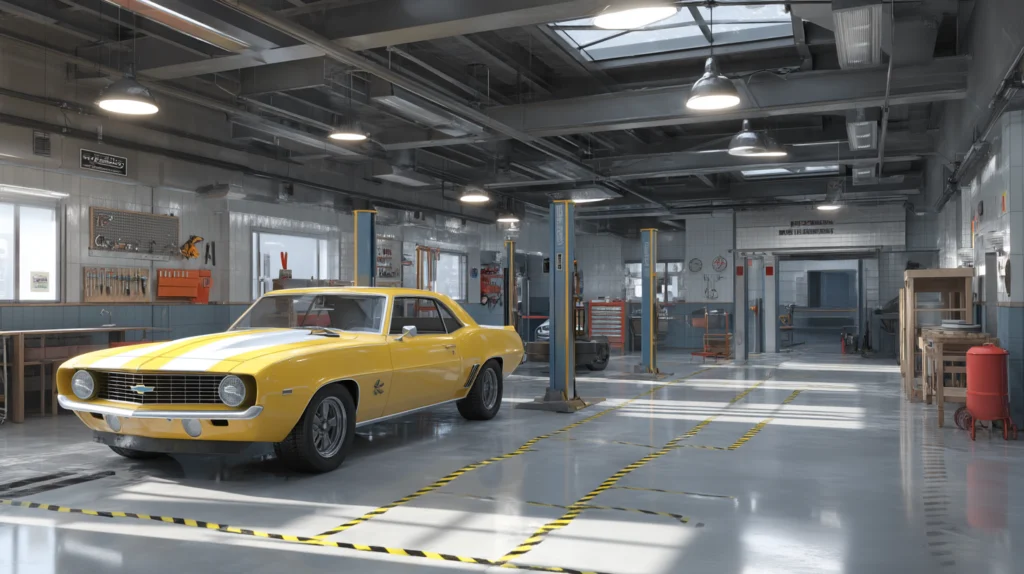
Most people do not spend much time inside a repair shop unless something goes wrong. When an accident happens, your vehicle suddenly becomes a priority, and so does your schedule. You may be dealing with an insurance company, arranging a rental car, reviewing an estimate, and trying to understand costs. Customers often worry that if a shop does not order parts early, the repair will take longer or cost more money. These concerns are understandable, especially when the car is essential for daily life.
Can the Auto Body Shop Help Negotiate With My Insurance Claim?
Most insurance estimates are based on a brief visual review. The insurance adjuster may not remove panels or perform a full teardown during the initial inspection. As a result, the insurer’s estimate often reflects only visible damage. Hidden issues inside the auto body, behind bumpers, or within structural areas are frequently missed at this stage. That initial estimate is meant to start the claims process, not define the full cost of repair.